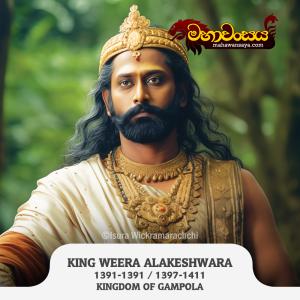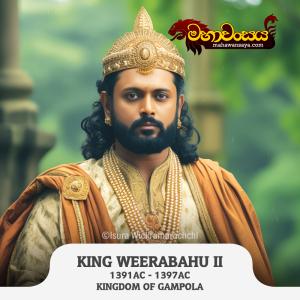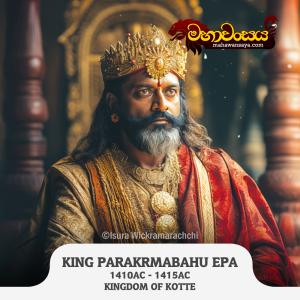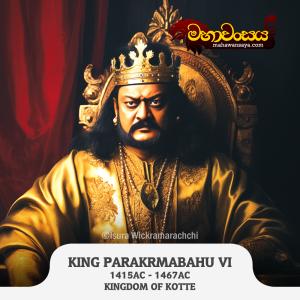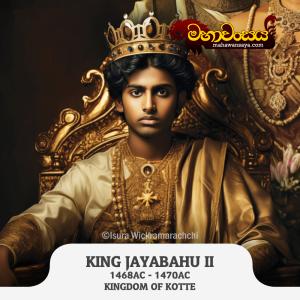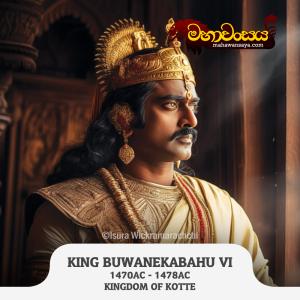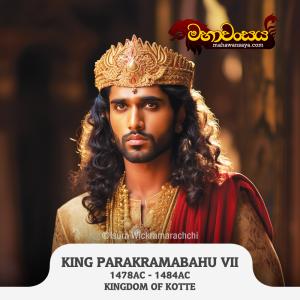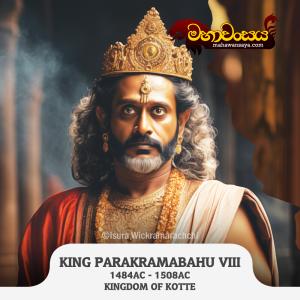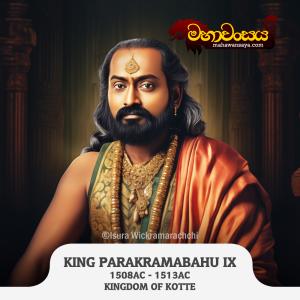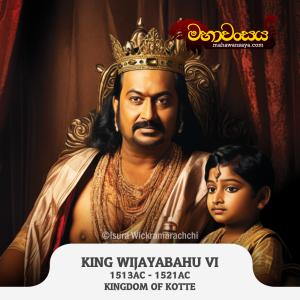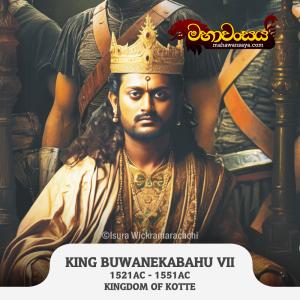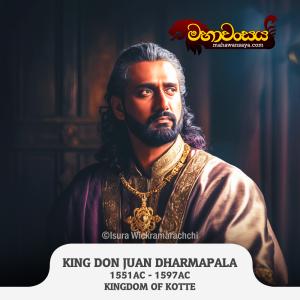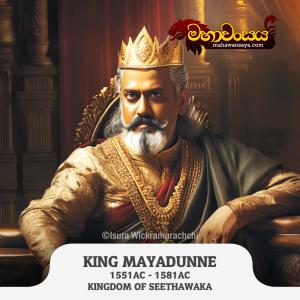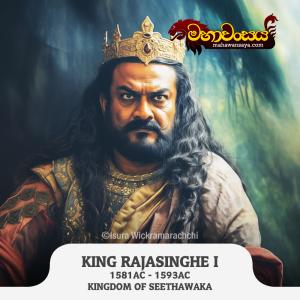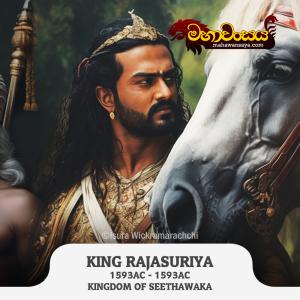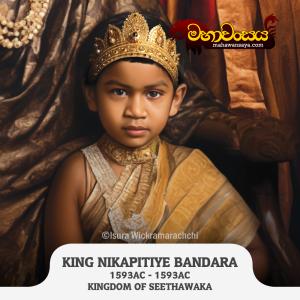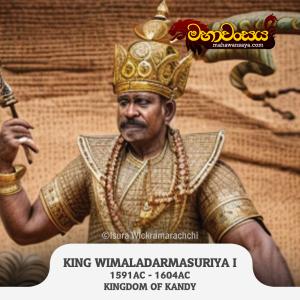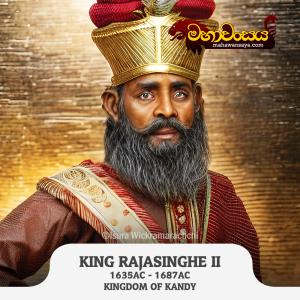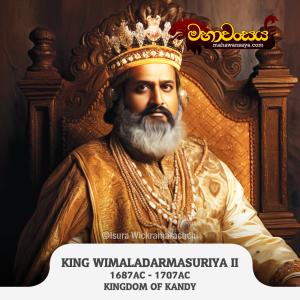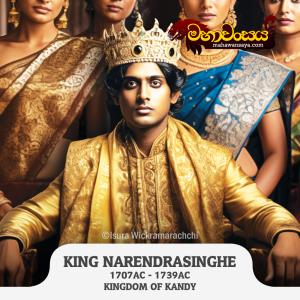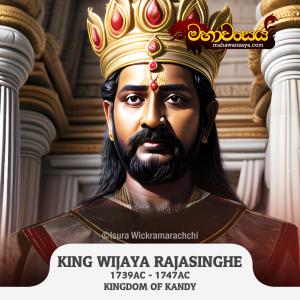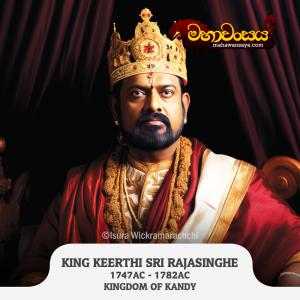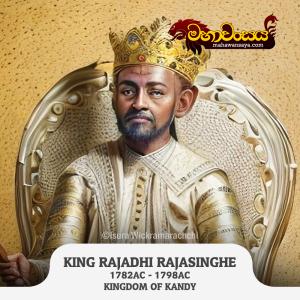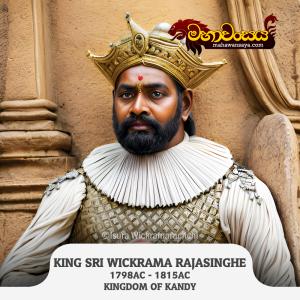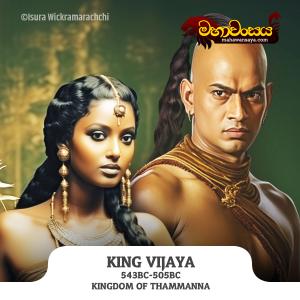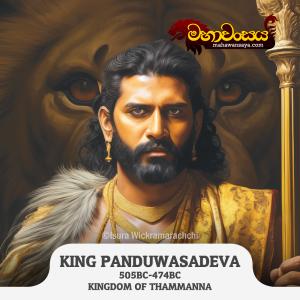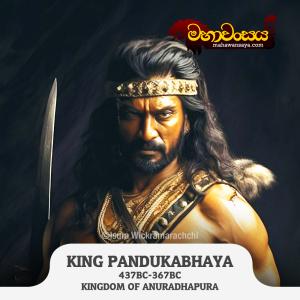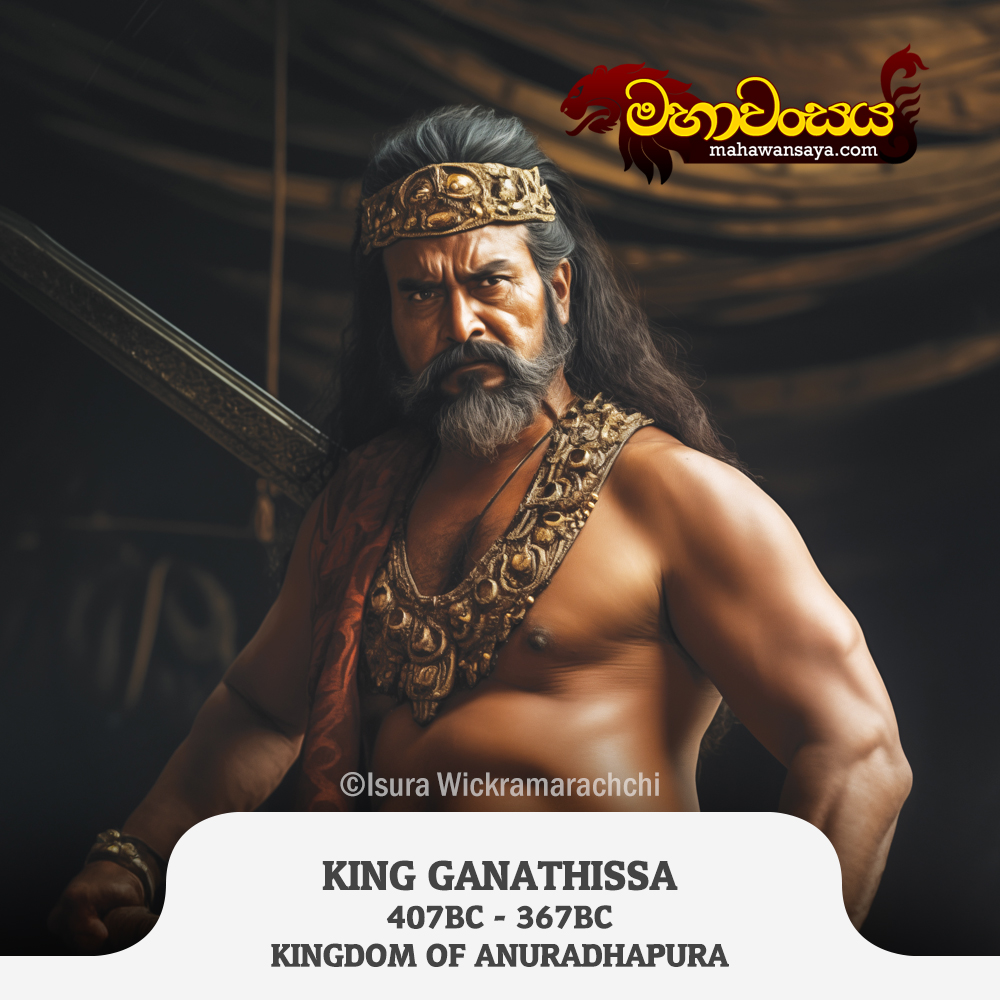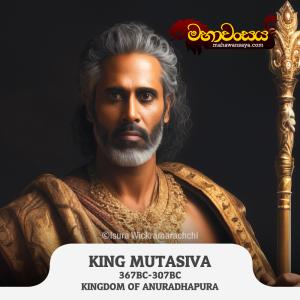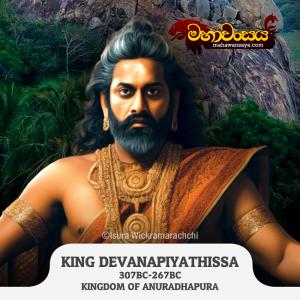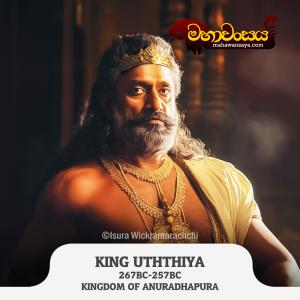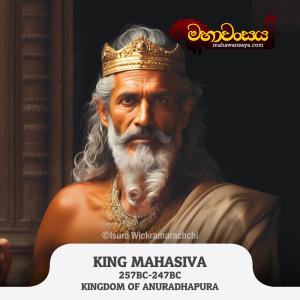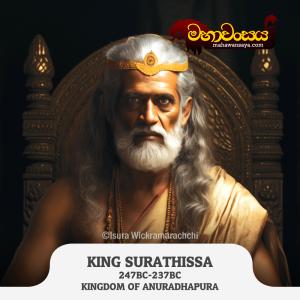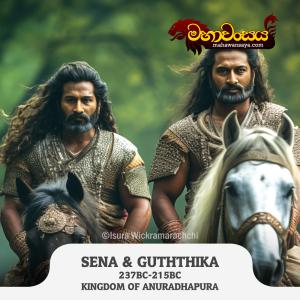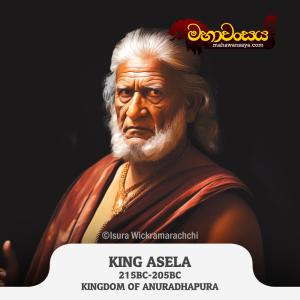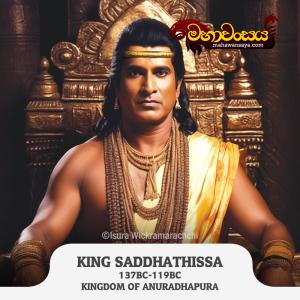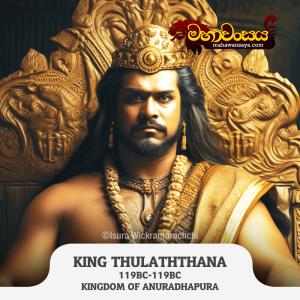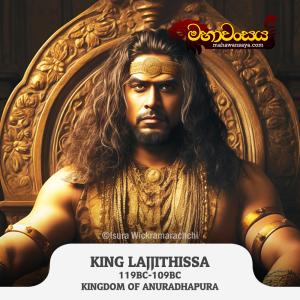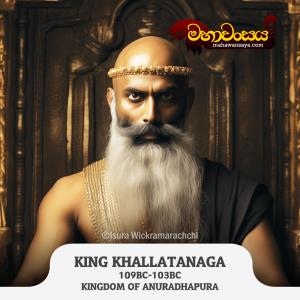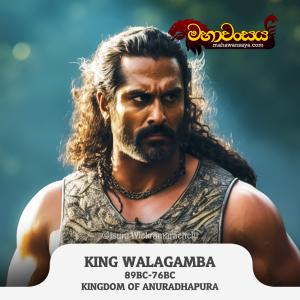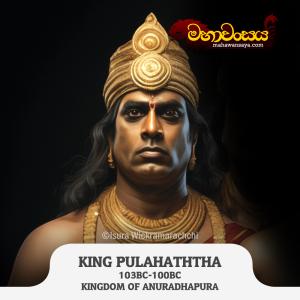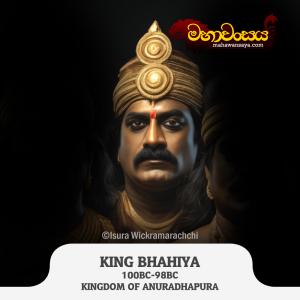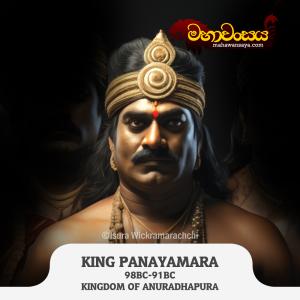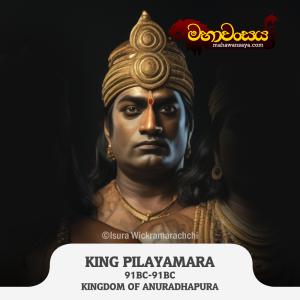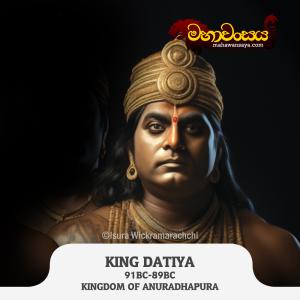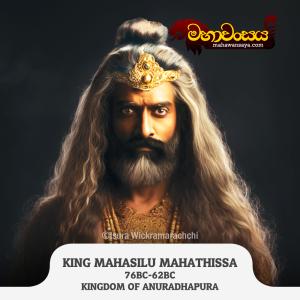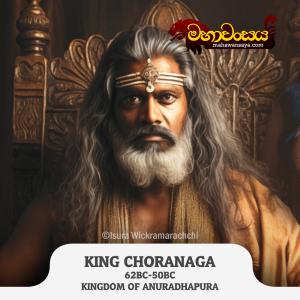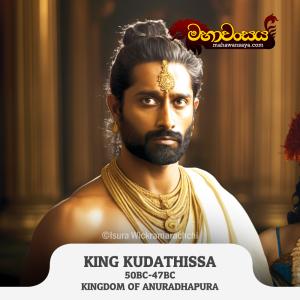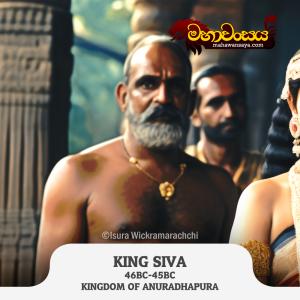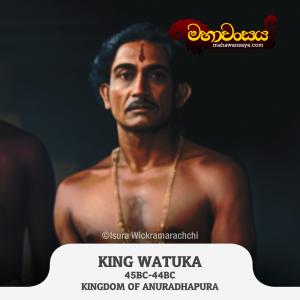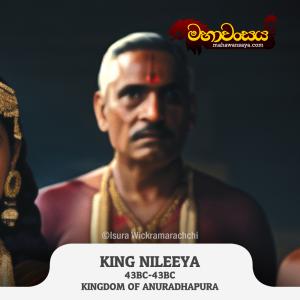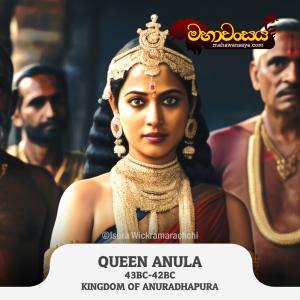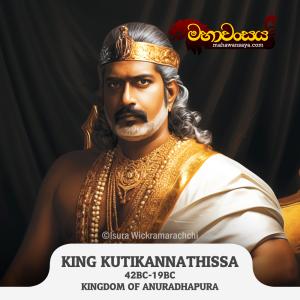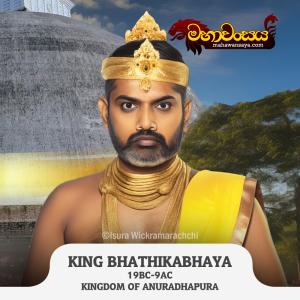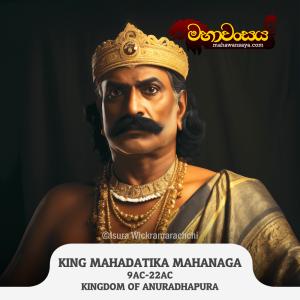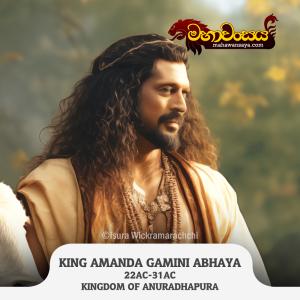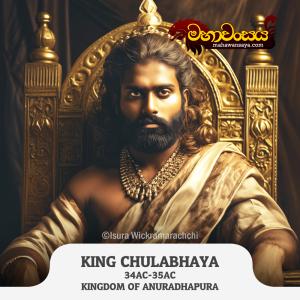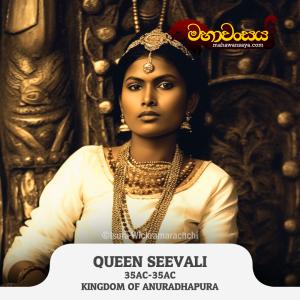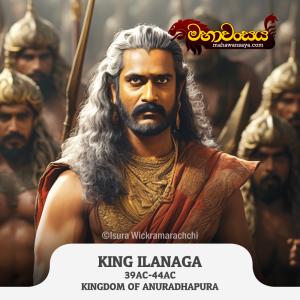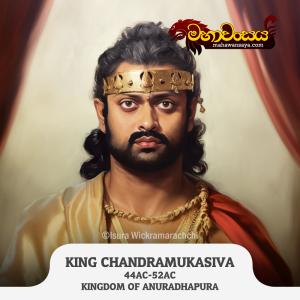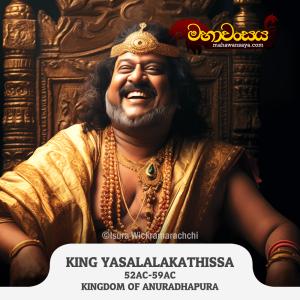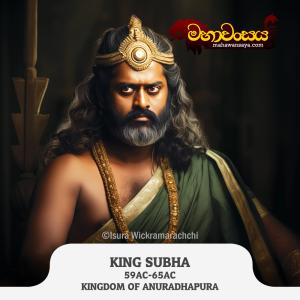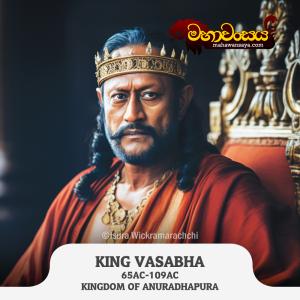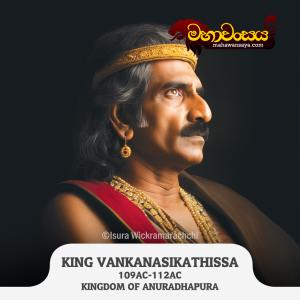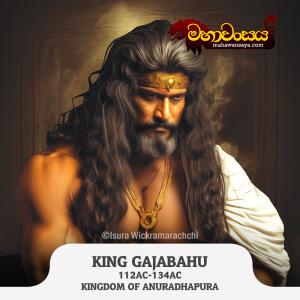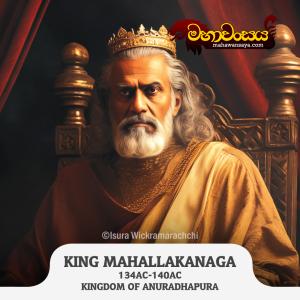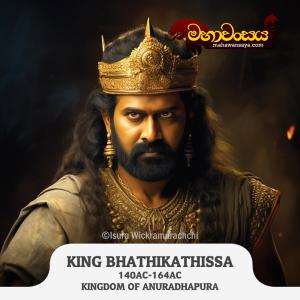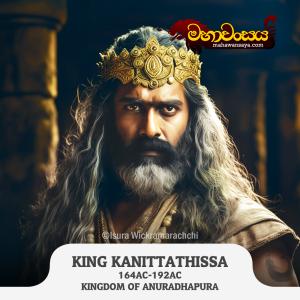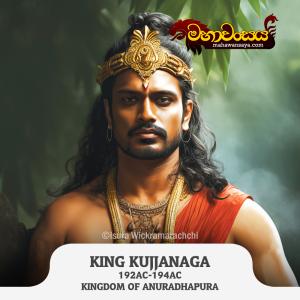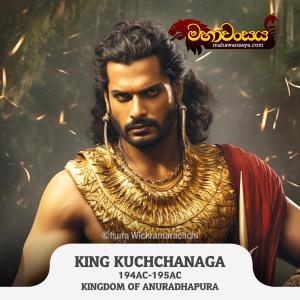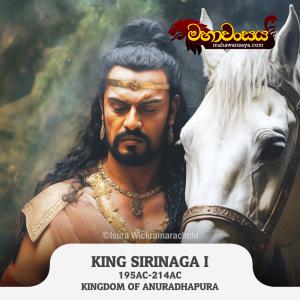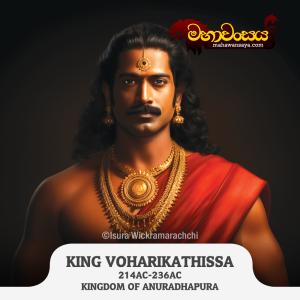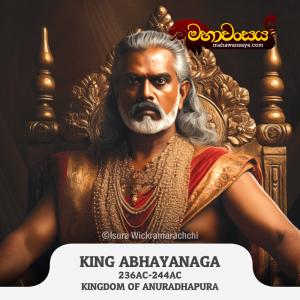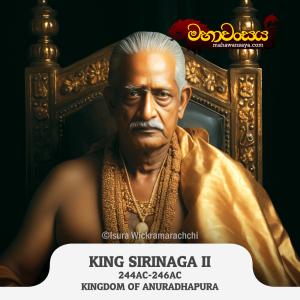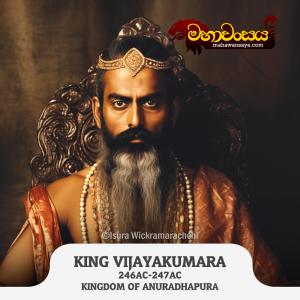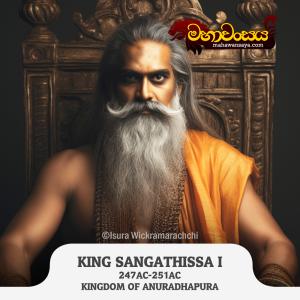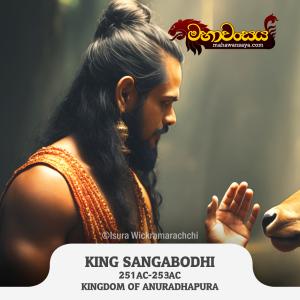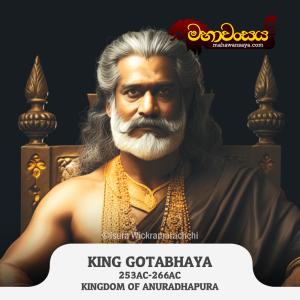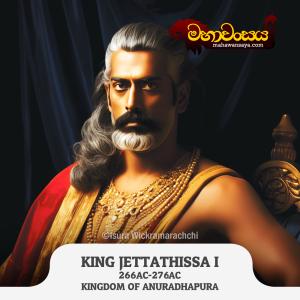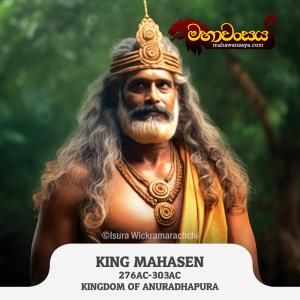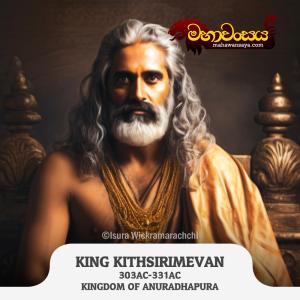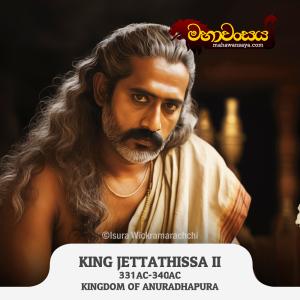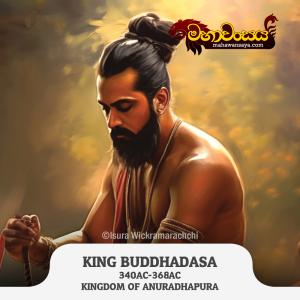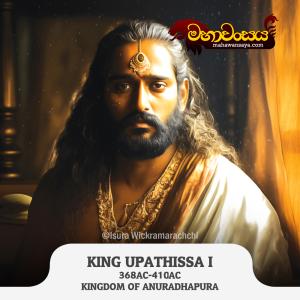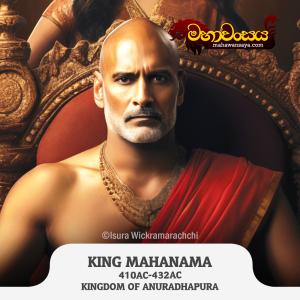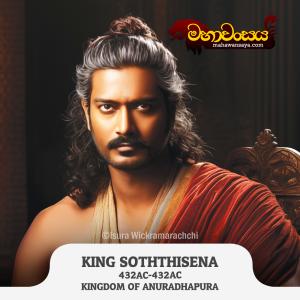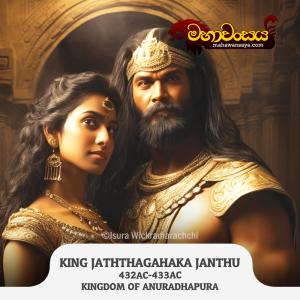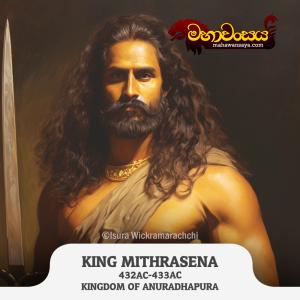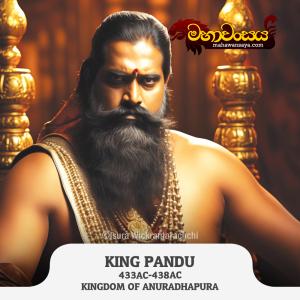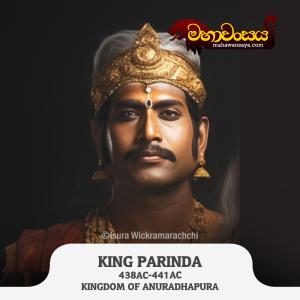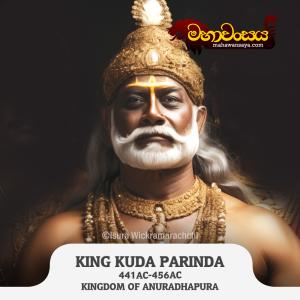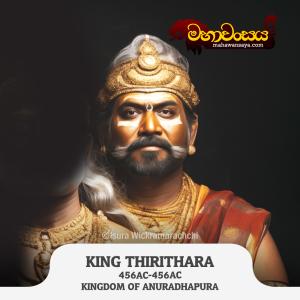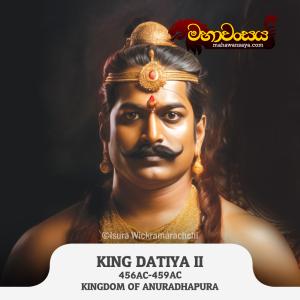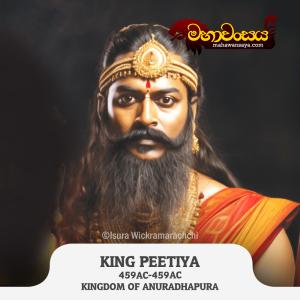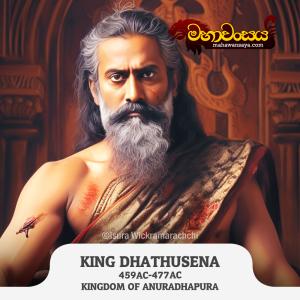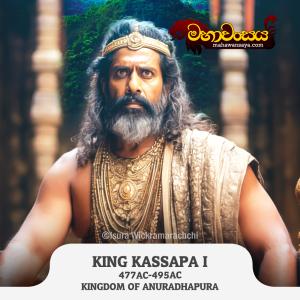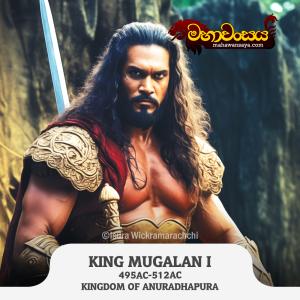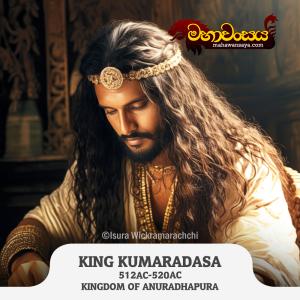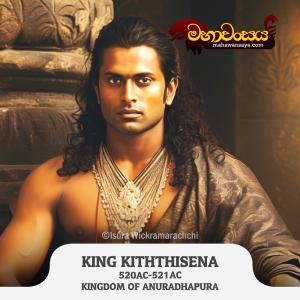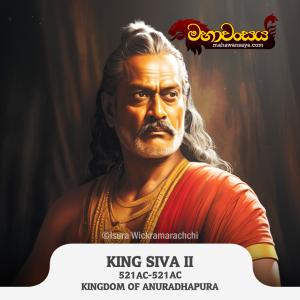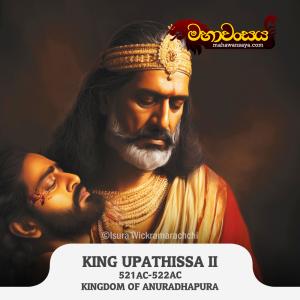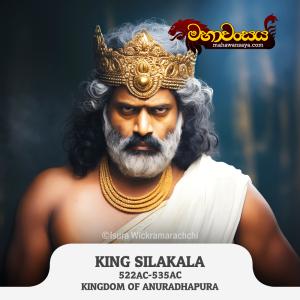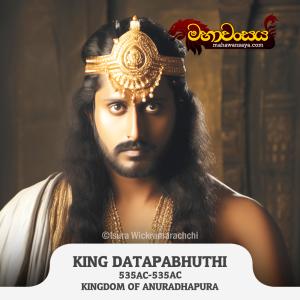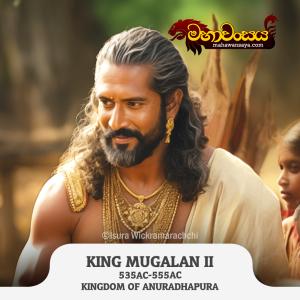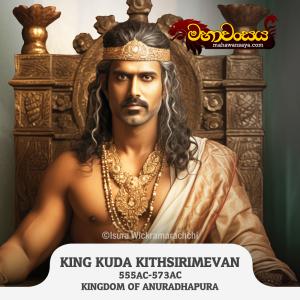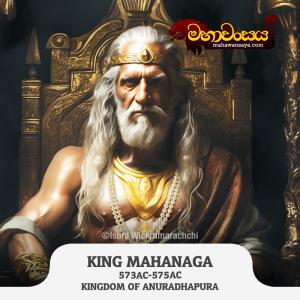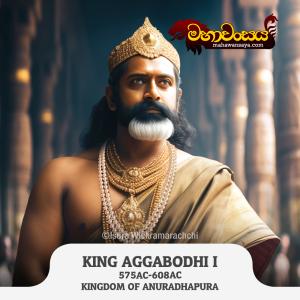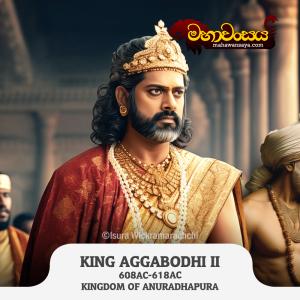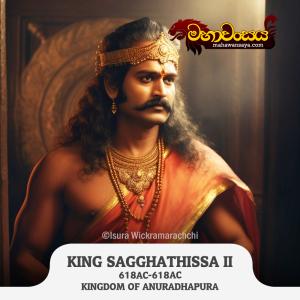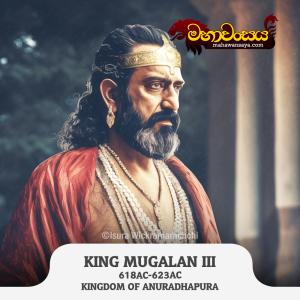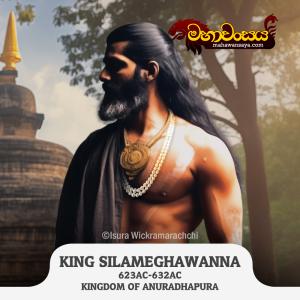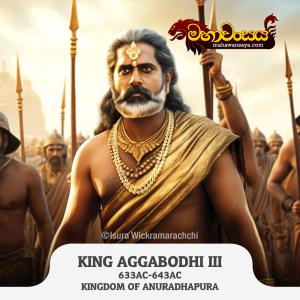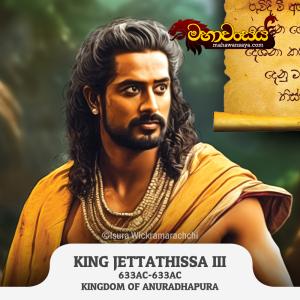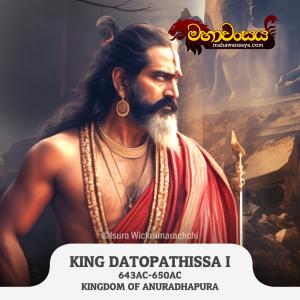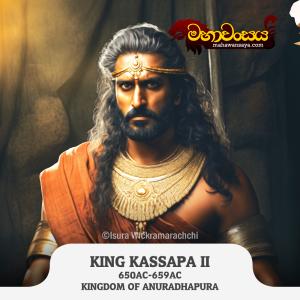
The history of ancient Sri Lankan kings dates back over 2,500 years, beginning with the arrival of Prince Vijaya in the 6th century BCE. Vijaya established the first recorded kingdom in Sri Lanka, Tambapanni, marking the start of the Sinhalese civilization.
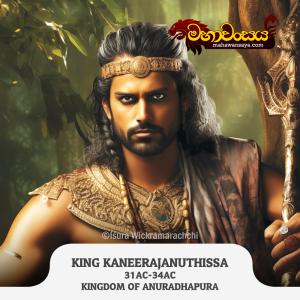
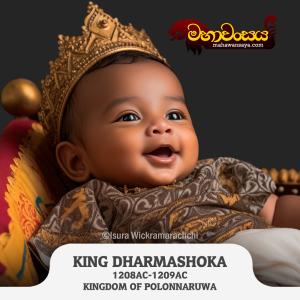
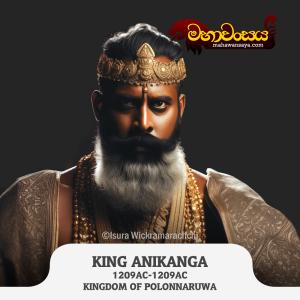
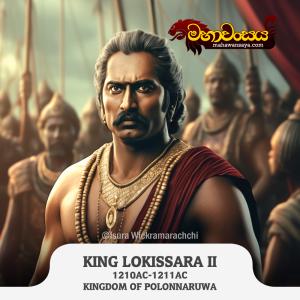
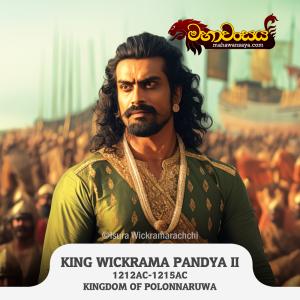
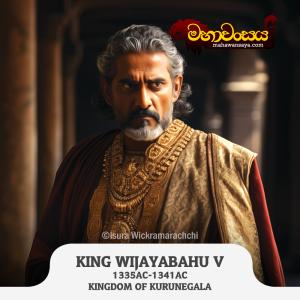
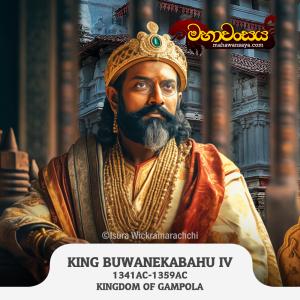
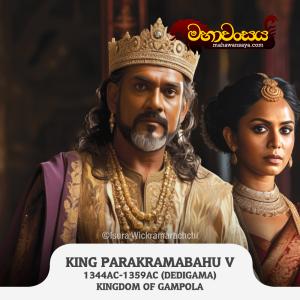
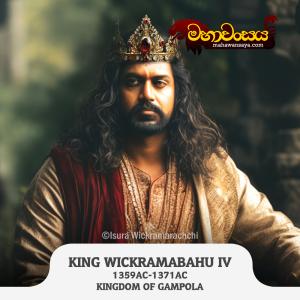
The island was later ruled by a succession of powerful dynasties such as the Anuradhapura, Polonnaruwa, Dambadeniya, Kurunegala, Gampola, Kotte, and Kandy kingdoms. Each era saw remarkable developments in architecture, irrigation, Buddhism, and governance.
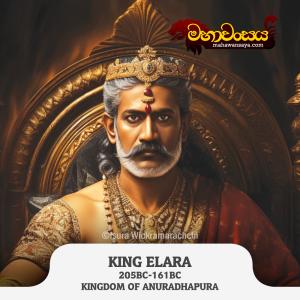
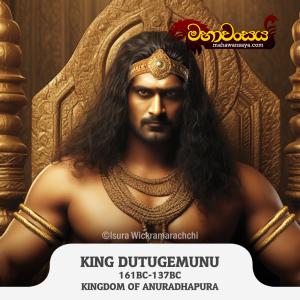
Among the most famous rulers were King Dutugemunu, who united the island after defeating King Elara in the 2nd century BCE, and King Parakramabahu the Great, who advanced agriculture and built massive reservoirs like Parakrama Samudra.
Ancient Sri Lankan kings ruled with both political power and spiritual influence, closely associated with Buddhism and the protection of the Tooth Relic of the Buddha. Their contributions shaped the island’s cultural and historical identity, leaving behind magnificent monuments such as Anuradhapura’s stupas, Sigiriya, and Polonnaruwa’s royal city.


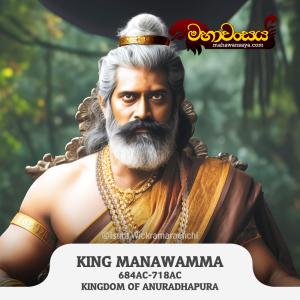
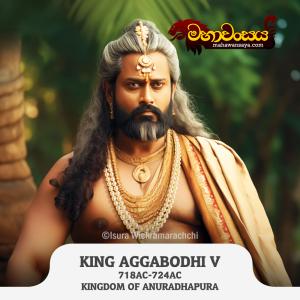
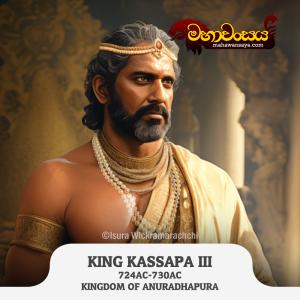
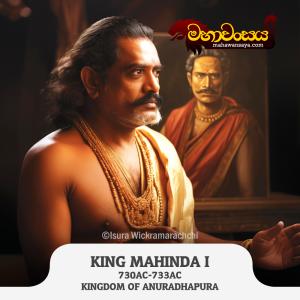
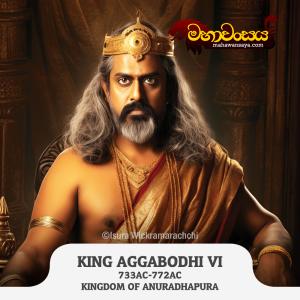
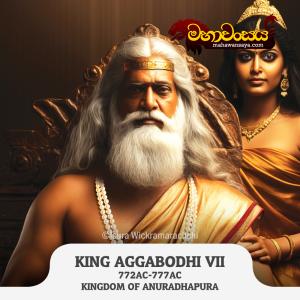
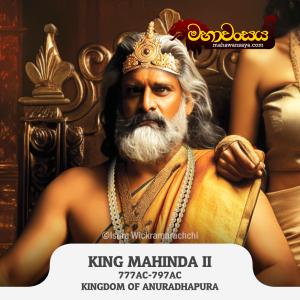
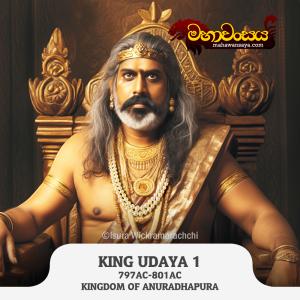
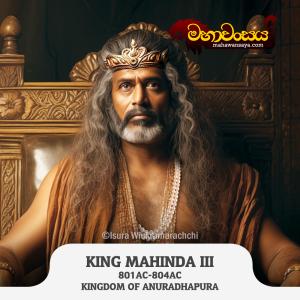
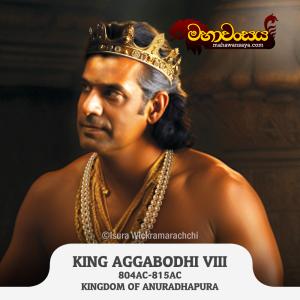
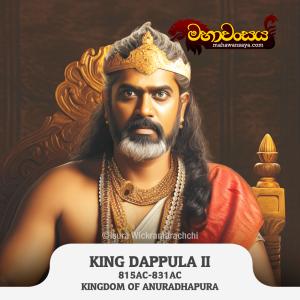
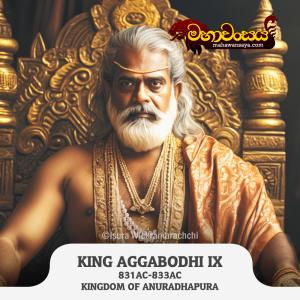
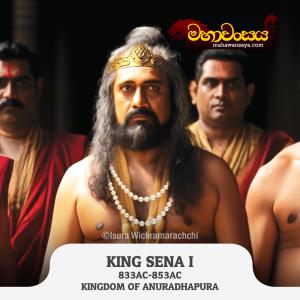
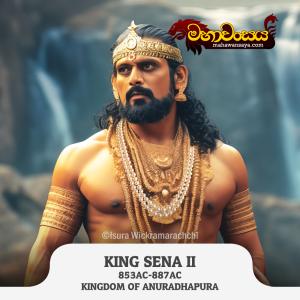
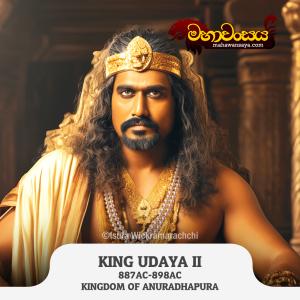
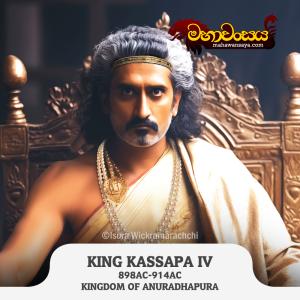
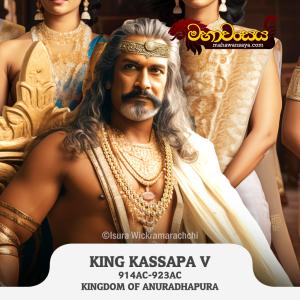
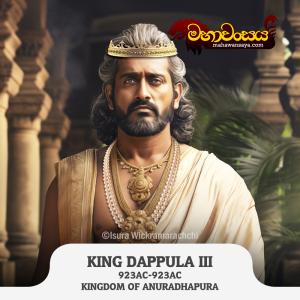
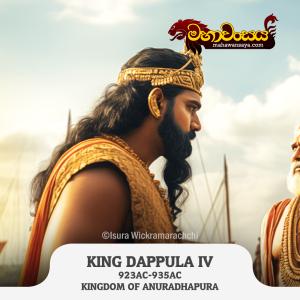

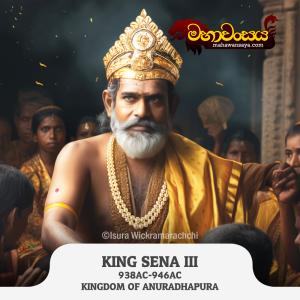
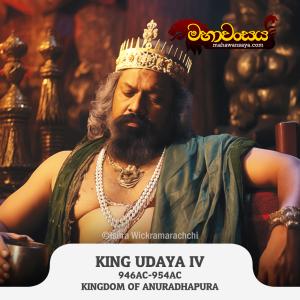
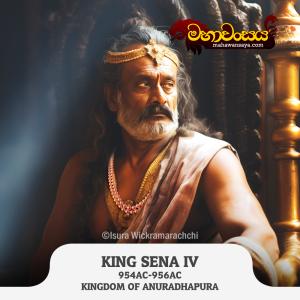
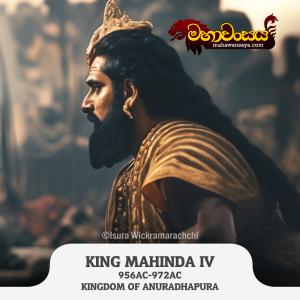
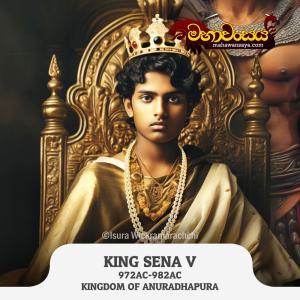
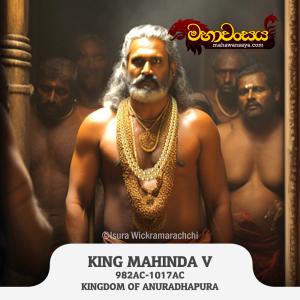
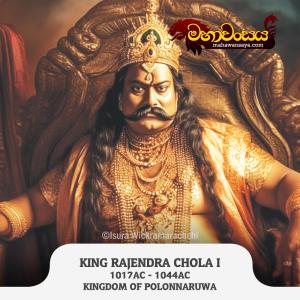
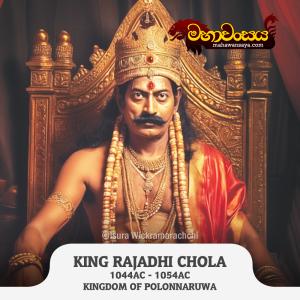
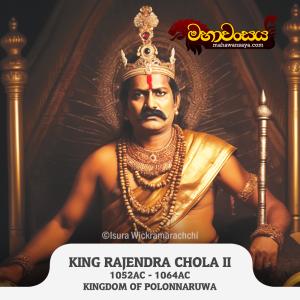
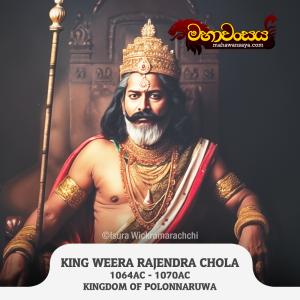
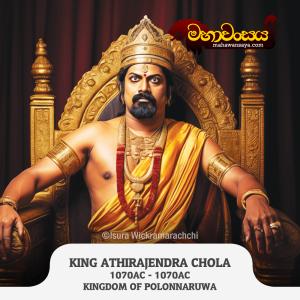
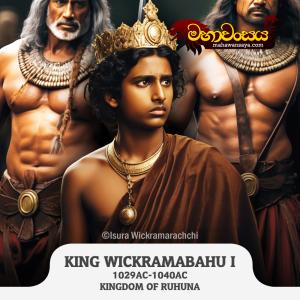
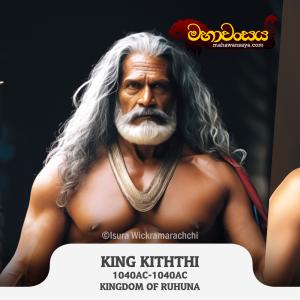
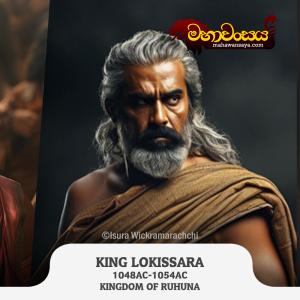
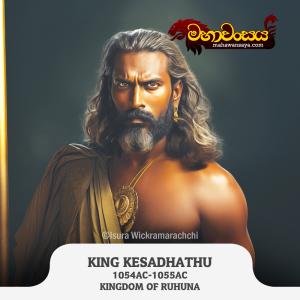
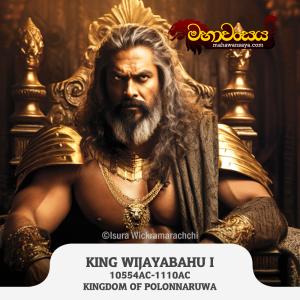
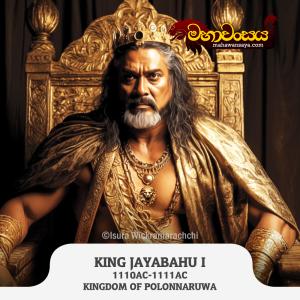
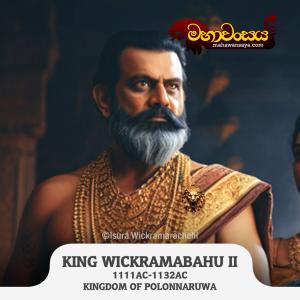
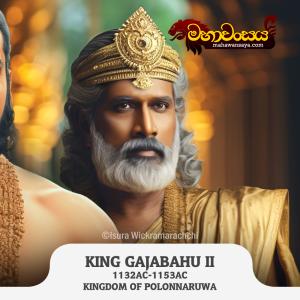
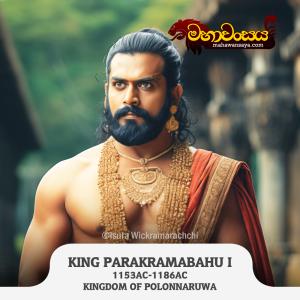
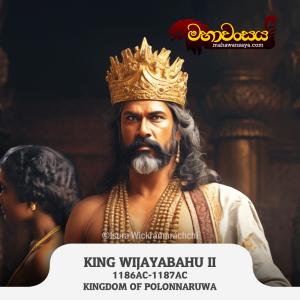
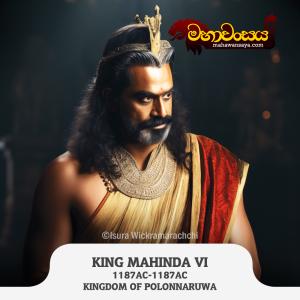
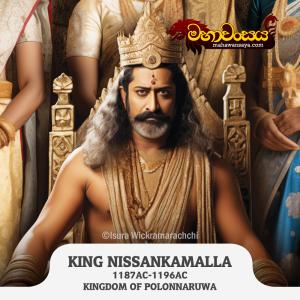
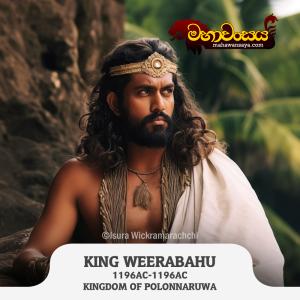
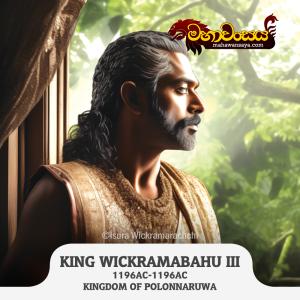
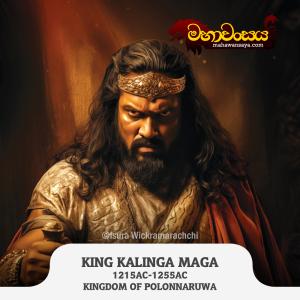
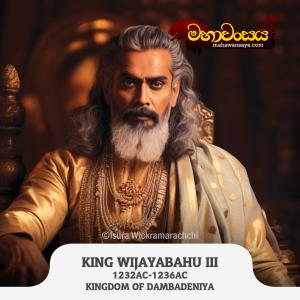
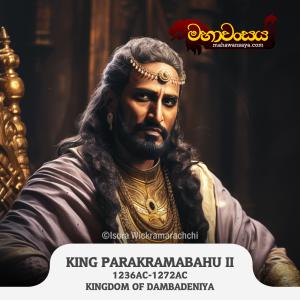
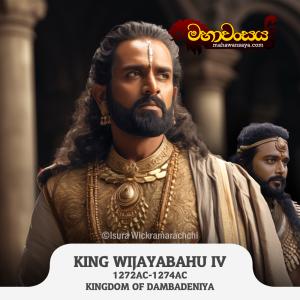
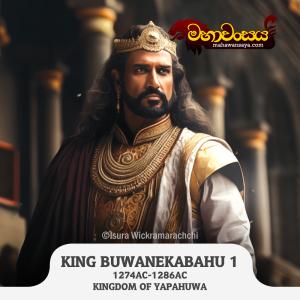
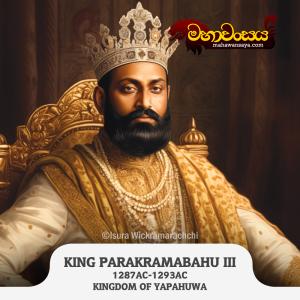
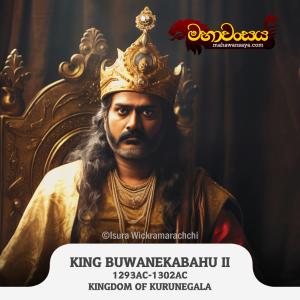
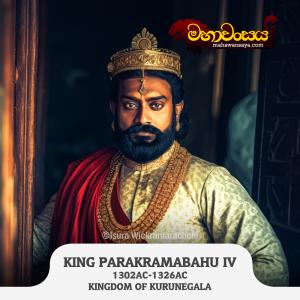
-208.jpg)
-544.jpg)