65
King Buddhadasa
Kingdom of Anuradhapura
340 AC - 368 AC
340 AC - 368 AC

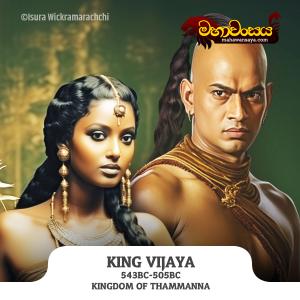
King Vijaya
543 BC-505 BC
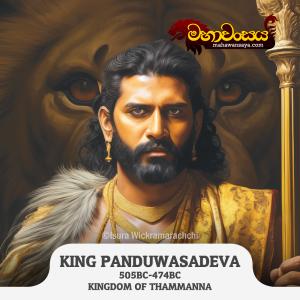
King Panduvasdeva
504 BC-474 BC
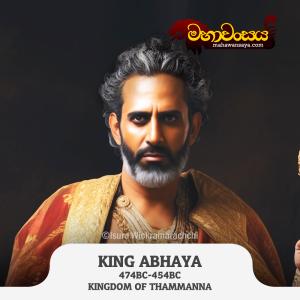
King Abhaya
474 BC-454 BC
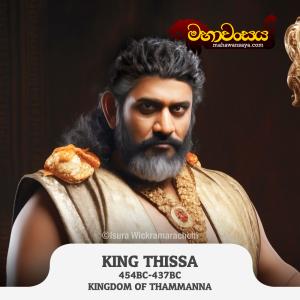
King Tissa
454 BC-437 BC
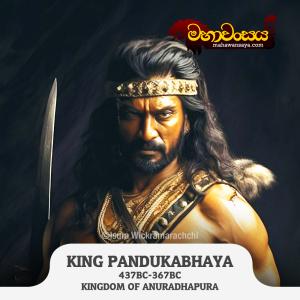
King Pandukabhaya
437 BC-367 BC
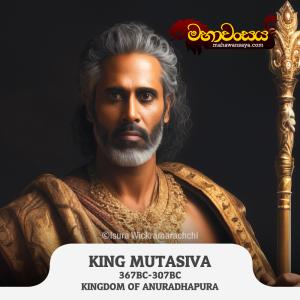
King Mutasiva
367 BC-307 BC
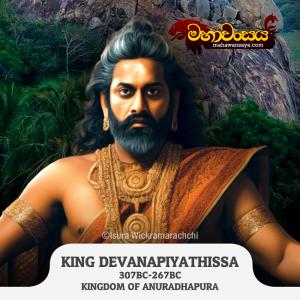
King Devanampiya Tissa
307 BC-267 BC
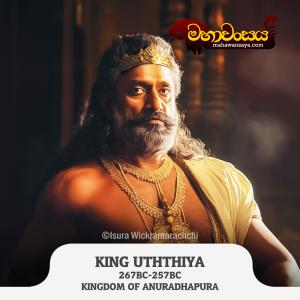
King Uttiya
267 BC-257 BC
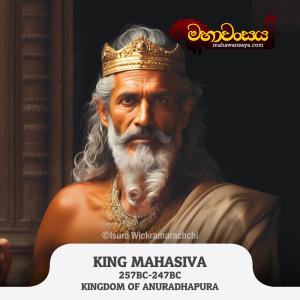
King Mahasiva
257 BC-247 BC
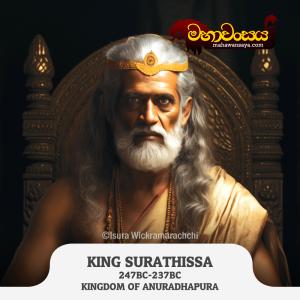
King Suratissa
247 BC-237 BC
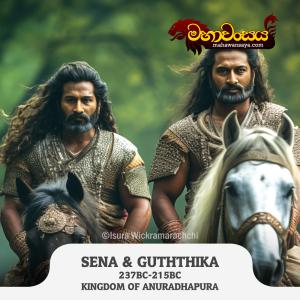
Sena and Guttika
237 BC-215 BC
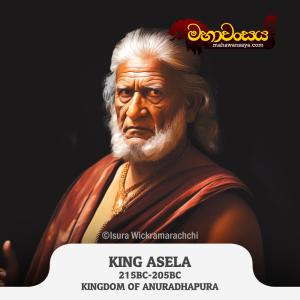
King Asela
215 BC-205 BC
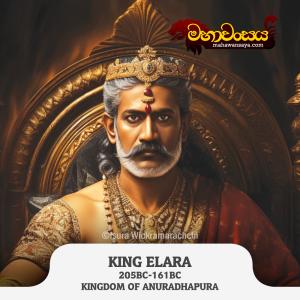
King Elara
205 BC-161 BC
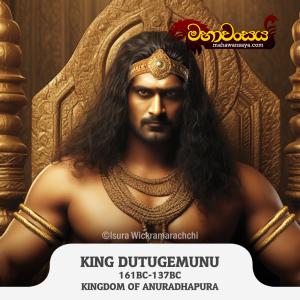
King Dutugemunu
161 BC-137 BC
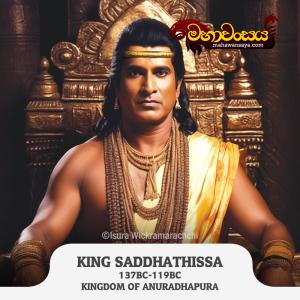
King Saddha Tissa
137 BC-119 BC
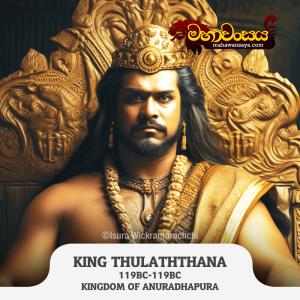
King Thulatthana
119 BC-119 BC
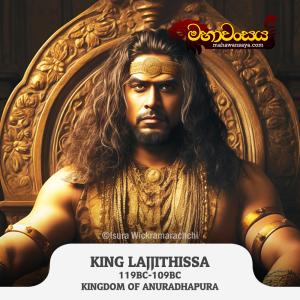
King Lajjithissa
119 BC-109 BC
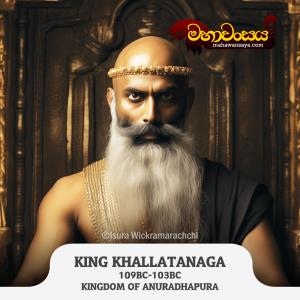
King Khallata Naga
109 BC-103 BC
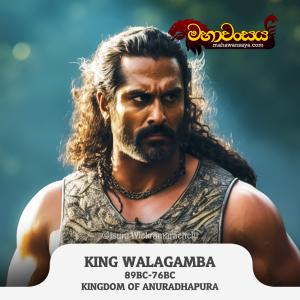
King Walagamba
89 BC-76 BC
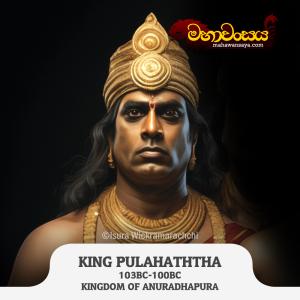
King Pulahaththa
103 BC-100 BC
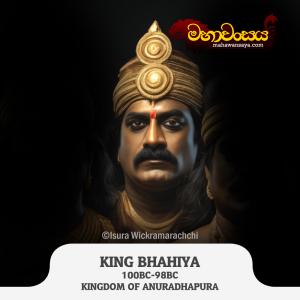
King Bhahiya
100 BC-98 BC
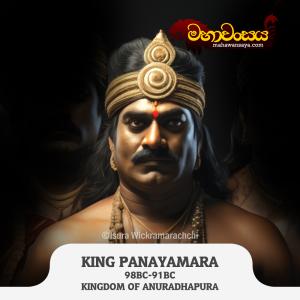
King Panayamara
98 BC-91 BC
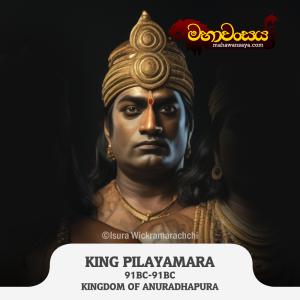
King Piliyamara
91 BC-91 BC
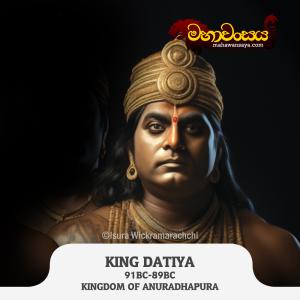
King Dathiya
91 BC-89 BC
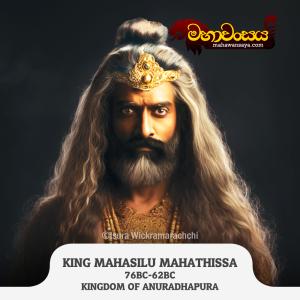
King Mahachulikamahathissa
76 BC-62 BC
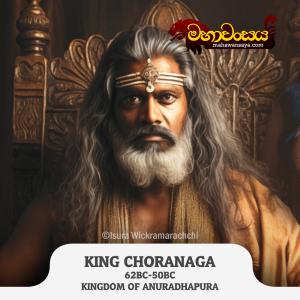
King Choranaga
62 BC-50 BC
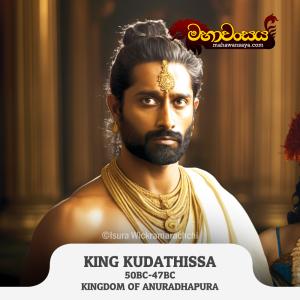
King Kuda Thissa
50 BC-47 BC
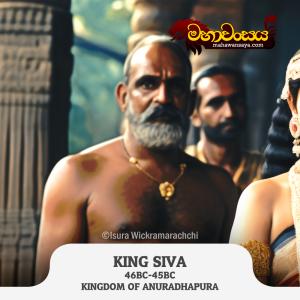
King Siva I
47 BC-45 BC
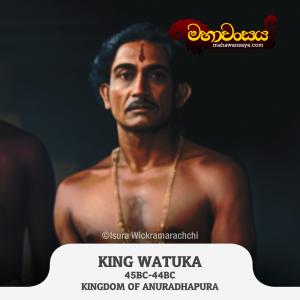
King Vatuka
45 BC-44 BC
King Darubhatika Tissa
44 BC-43 BC
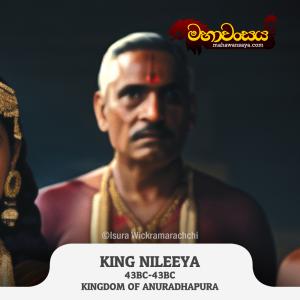
King Neeliya
43 BC-43 BC
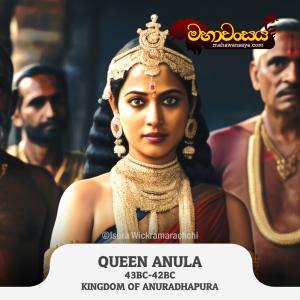
Queen Anula
43 BC-42 BC
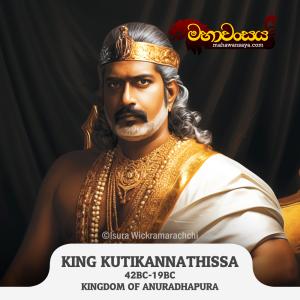
King Kutikanna Tissa
42 BC-19 BC
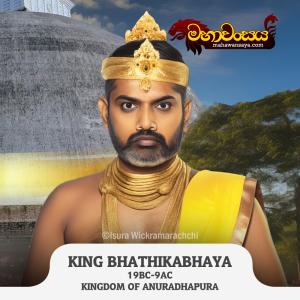
King Bhathikabhaya
19 BC-9 AC
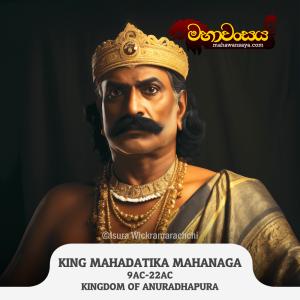
King Mahadatika Mahanaga
9 AC-22 AC
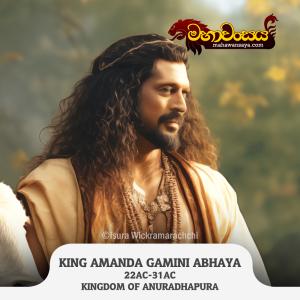
King Amandagamani Abhaya
22 AC-31 AC
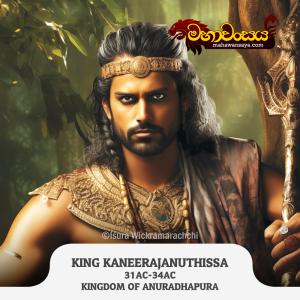
King Kanirajanu Tissa
31 AC-34 AC
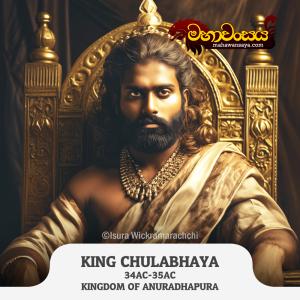
King Chulabhaya
34 AC-35 AC
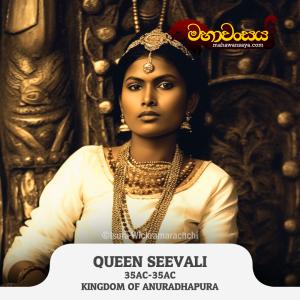
Queen Seevali
35 AC-35 AC
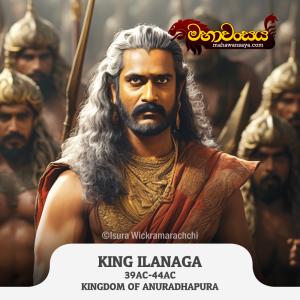
King Ilanaga
39 AC-44 AC
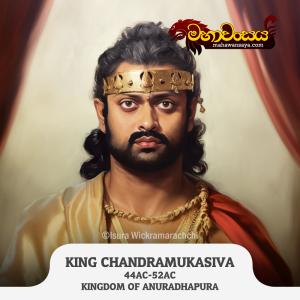
King Chandra Mukha Siva
44 AC-52 AC
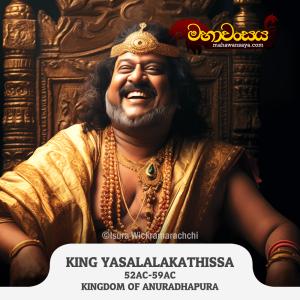
King Yassalalaka Thissa
52 AC-59 AC
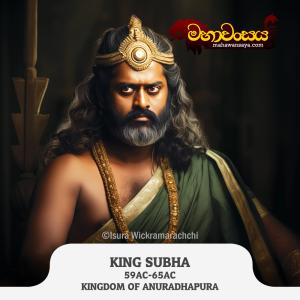
King Subha
59 AC-65 AC
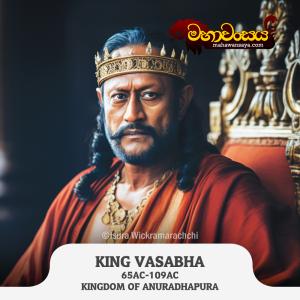
King Vasabha
65 AC-109 AC
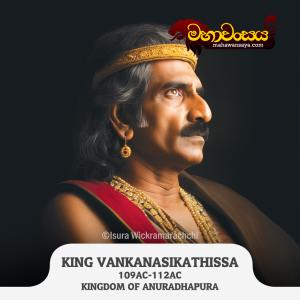
King Vankanasika Tissa
109 AC-112 AC
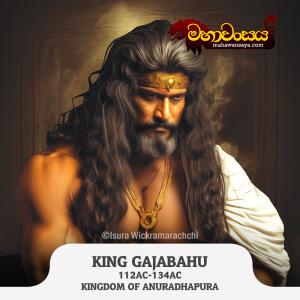
King Gajabahu I
112 AC-134 AC
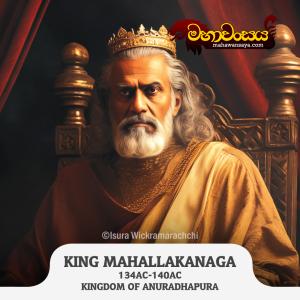
King Mahallaka Naga
134 AC-140 AC
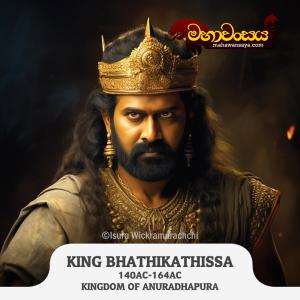
King Bhathika Thissa
140 AC-164 AC
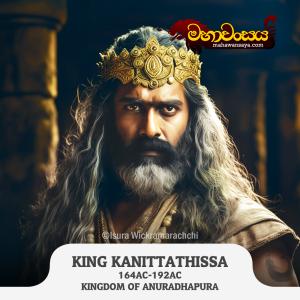
King Kanitta Tissa
164 AC-192 AC
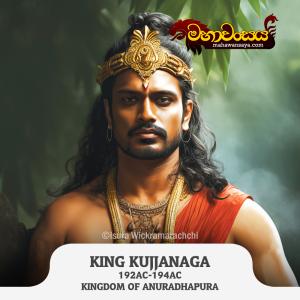
King Kujjanaga
192 AC-194 AC
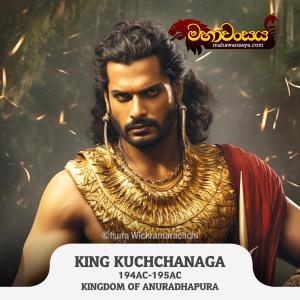
King Kudda Naga
194 AC-195 AC
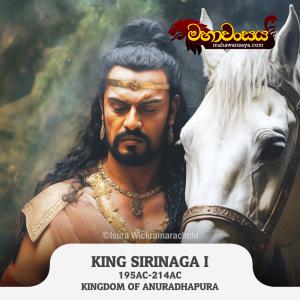
King Sirinaga I
195 AC-214 AC
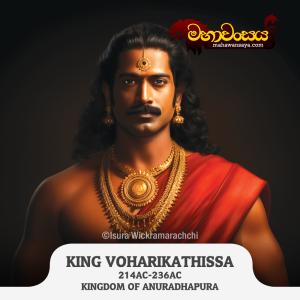
King Voharika Tissa
214 AC-236 AC
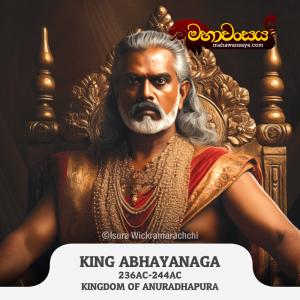
King Abhaya Naga
236 AC-244 AC
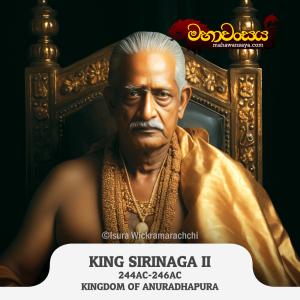
King Sirinaga II
244 AC-246 AC
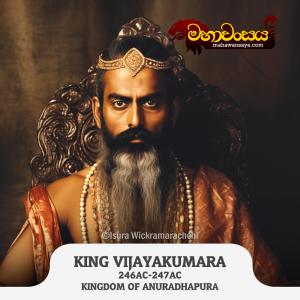
King Vijaya Kumara
246 AC-247 AC
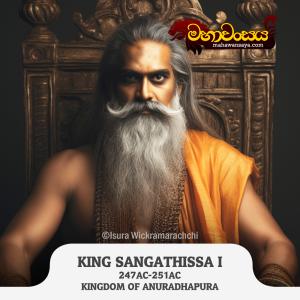
King Sangha Tissa I
247 AC-251 AC
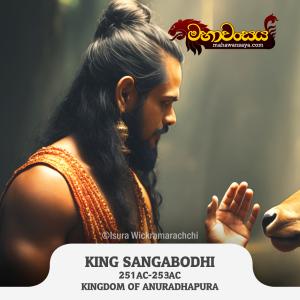
King Siri Sangha Bodhi I
251 AC-253 AC
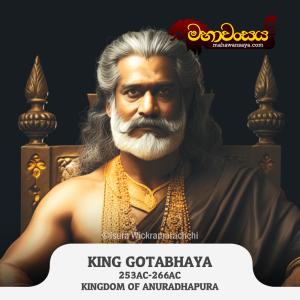
King Gotabhaya
253 AC-266 AC
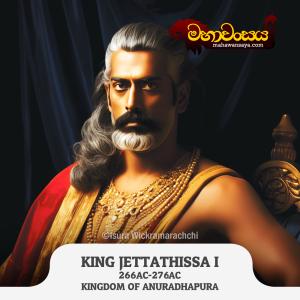
King Jetta Tissa I
266 AC-276 AC
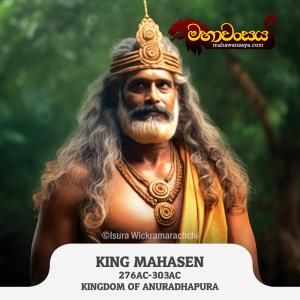
King Mahasen
276 AC-303 AC
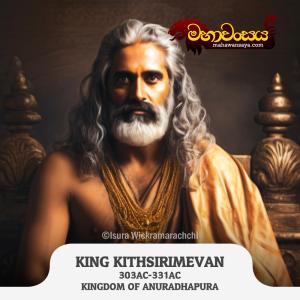
King Kithsirimewan
303 AC-331 AC
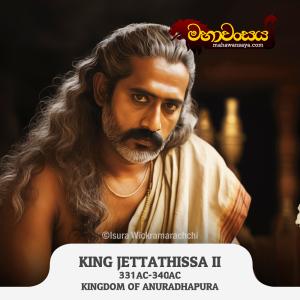
King Jetta Tissa II
331 AC-340 AC
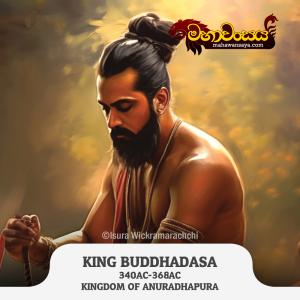
King Buddhadasa
340 AC-368 AC
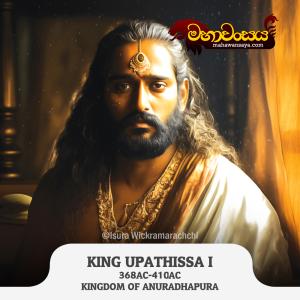
King Upatissa I
368 AC-410 AC
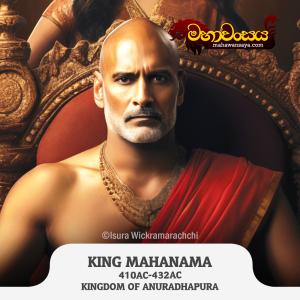
King Mahanama
410 AC-432 AC
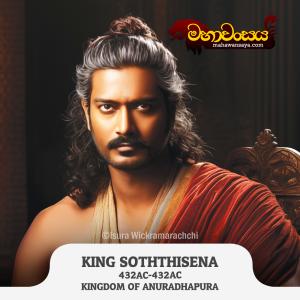
King Soththisena
432 AC-432 AC
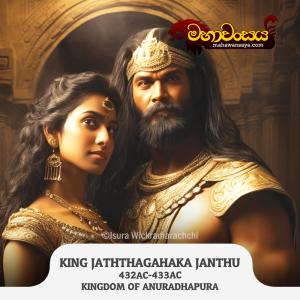
King Jaththagahaka Janthu
432 AC-433 AC
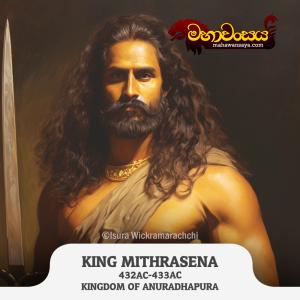
King Miththasena
432 AC-433 AC
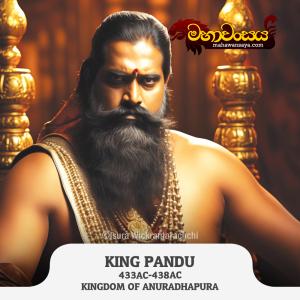
King Pandu
433 AC-438 AC
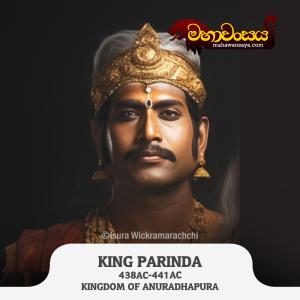
King Parinda
438 AC-441 AC
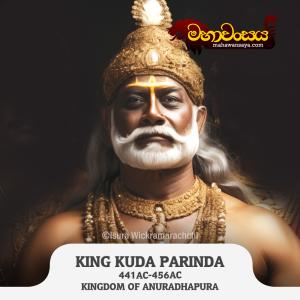
King Kuda Parinda
441 AC-456 AC
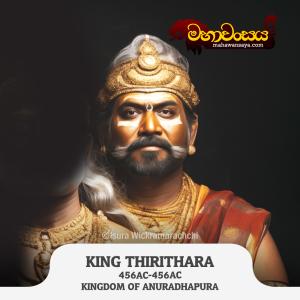
King Thirithara
456 AC-456 AC
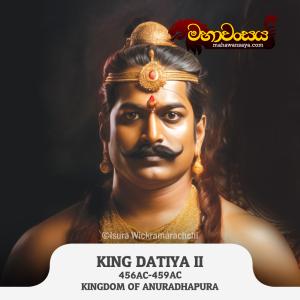
King Datiya II
456 AC-459 AC
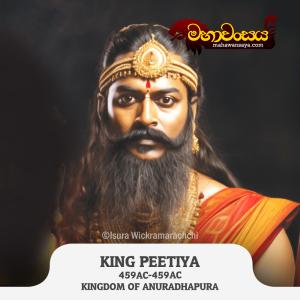
King Peetiya
459 AC-459 AC
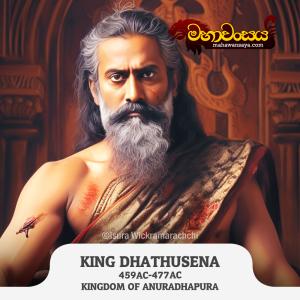
King Dhathusena
459 AC-477 AC
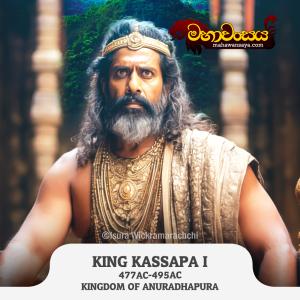
King Kassapa I
477 AC-495 AC
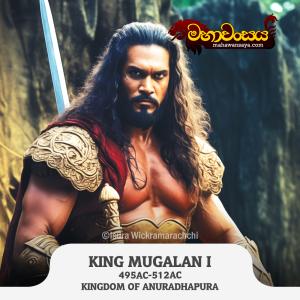
King Mugalan I
495 AC-512 AC
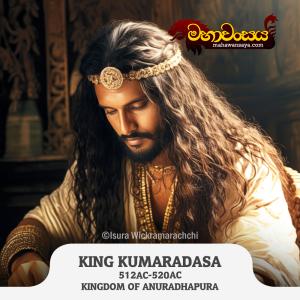
King Kumaradasa
512 AC-520 AC
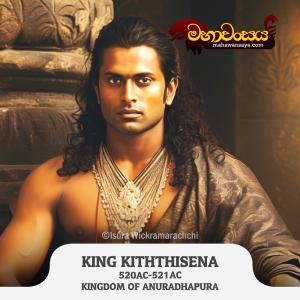
King Kiththisena
520 AC-521 AC
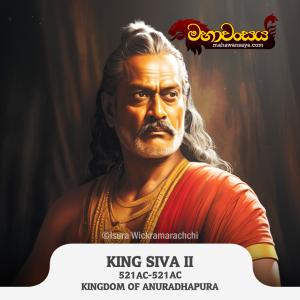
King Siva II
521 AC-521 AC
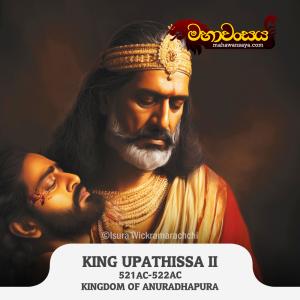
King Upatissa II
521 AC-522 AC
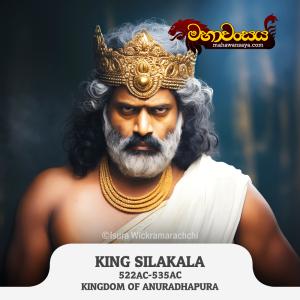
King Silakala
522 AC-535 AC
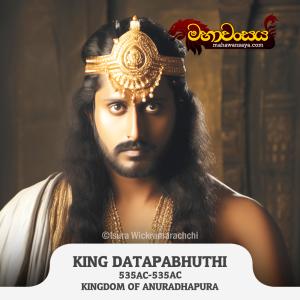
King Datappabhuthi
535 AC-535 AC
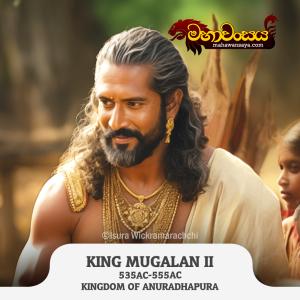
King Mugalan II
535 AC-555 AC
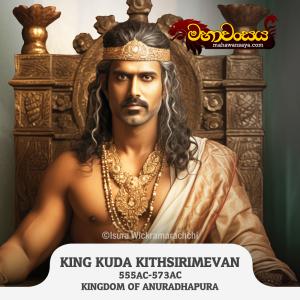
King Kiththisirimegha
555 AC-573 AC
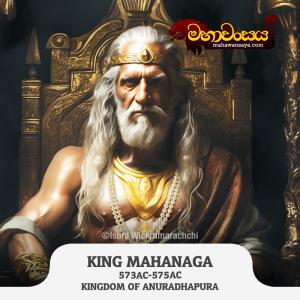
King Mahanaga
573 AC-575 AC
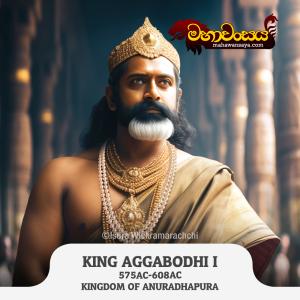
King Aggabodhi I
575 AC-608 AC
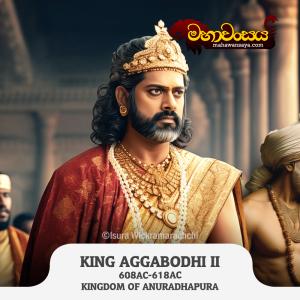
King Aggabodhi II
608 AC-618 AC
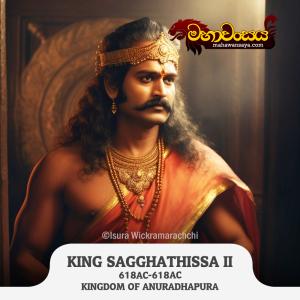
King Sangha Tissa II
618 AC-618 AC
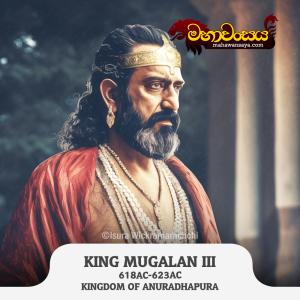
King Mugalan III
618 AC-623 AC
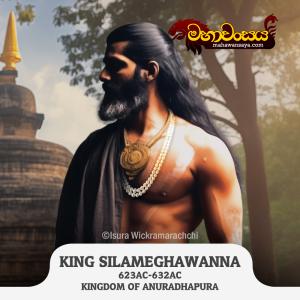
King Silameghavanna
623 AC-632 AC
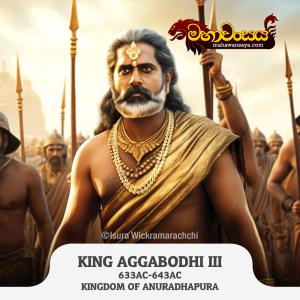
King Aggabodhi III
633 AC-643 AC
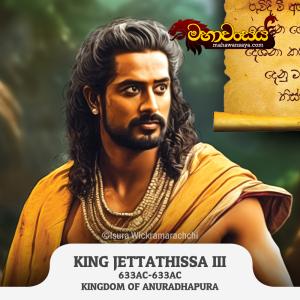
King Jetta Tissa III
633 AC-633 AC
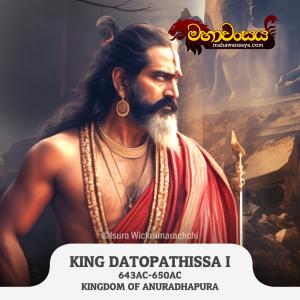
King Datopathissa i
643 AC-650 AC
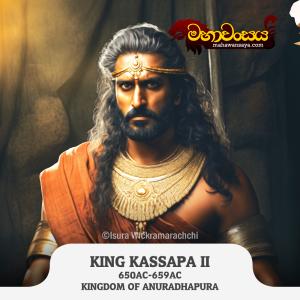
King Kassapa II
650 AC-659 AC
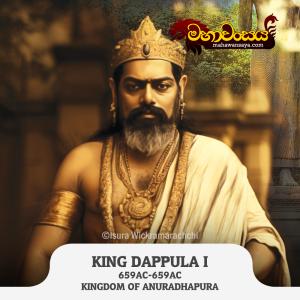
King Dappula I
659 AC-659 AC
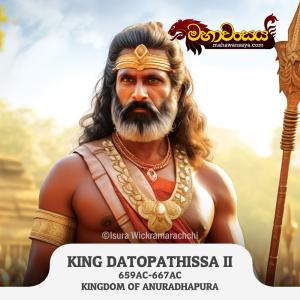
King Datopathissa II
659 AC-667 AC
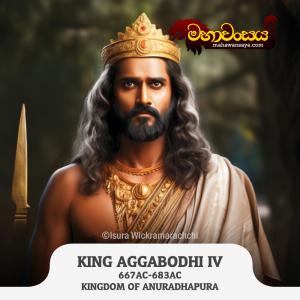
King Aggabodhi IV
667 AC-683 AC
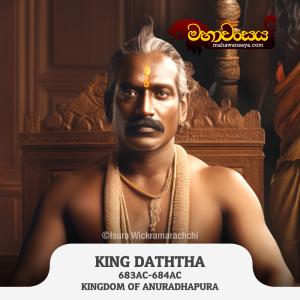
King Daththa
683 AC-684 AC
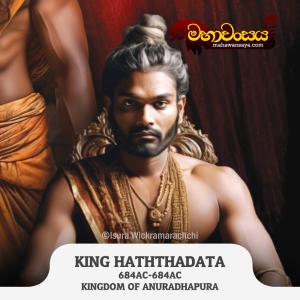
King Haththadata
684 AC-684 AC
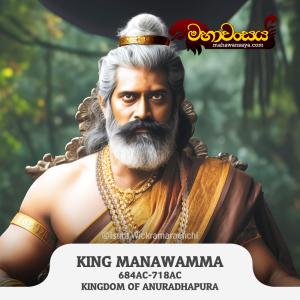
King Manavamma
684 AC-718 AC
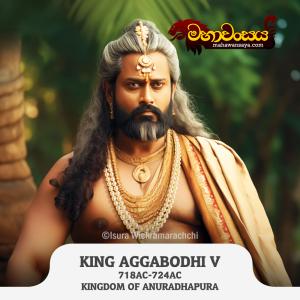
King Aggabodhi V
718 AC-724 AC
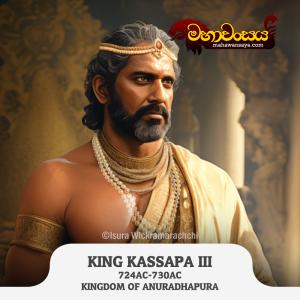
King Kassapa III
724 AC-730 AC
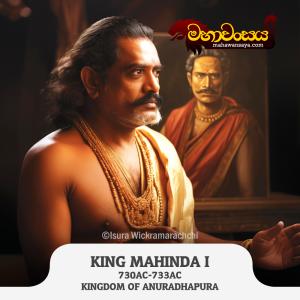
King Mahinda I
730 AC-733 AC
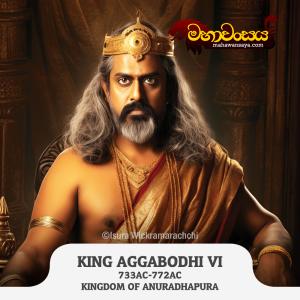
King Aggabodhi VI
733 AC-772 AC
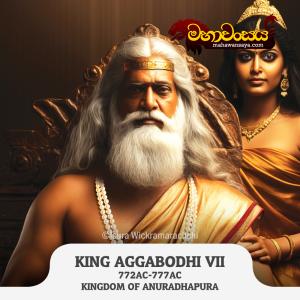
King Aggabodhi VII
772 AC-777 AC
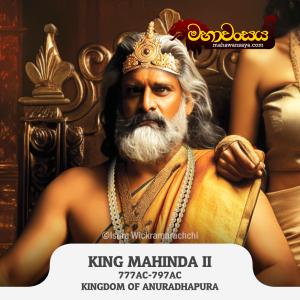
King Mahinda II
777 AC-797 AC
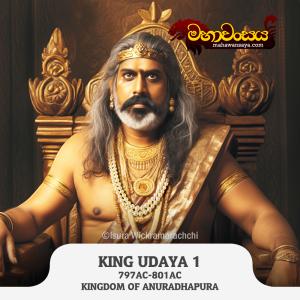
King Udaya I
797 AC-801 AC
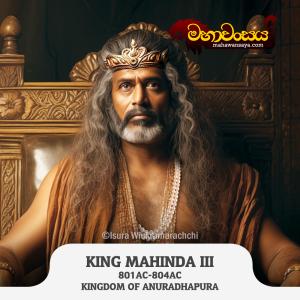
King Mahinda III
801 AC-804 AC
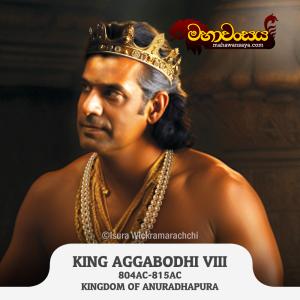
King Aggabodhi VIII
804 AC-815 AC
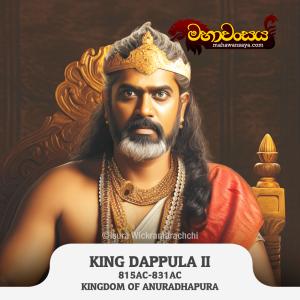
King Dappula II
815 AC-831 AC
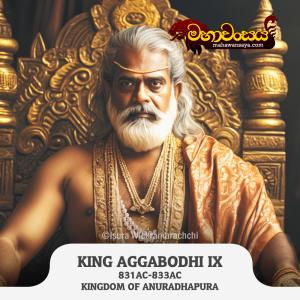
King Aggabodhi IX
831 AC-833 AC
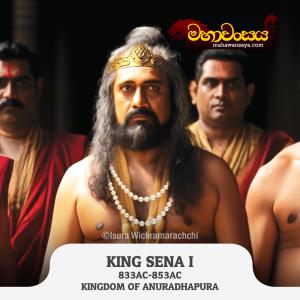
King Sena I
833 AC-853 AC
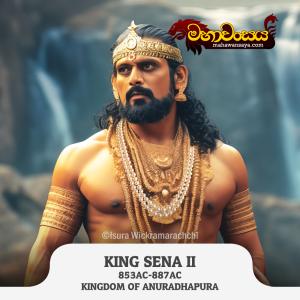
King Sena II
853 AC-887 AC
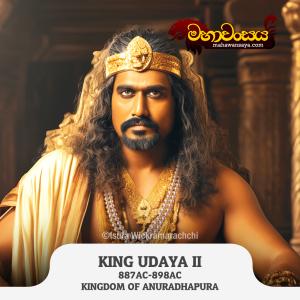
King Udaya II
887 AC-898 AC
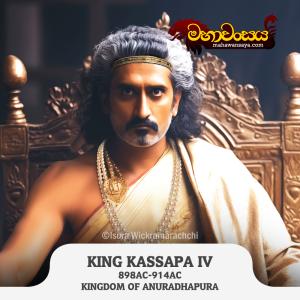
King Kassapa IV
898 AC-914 AC
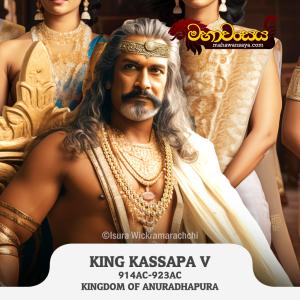
King Kassapa V
914 AC-923 AC
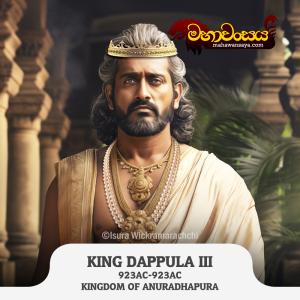
King Dappula III
923 AC-923 AC
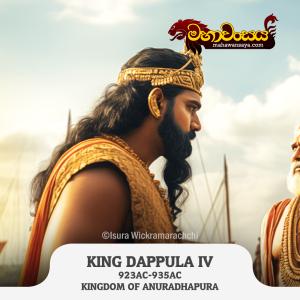
King Dappula IV
923 AC-935 AC
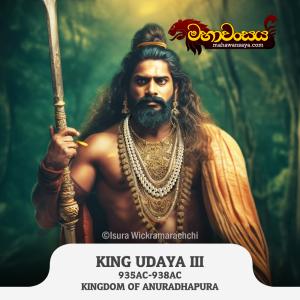
King Udaya III
935 AC-938 AC
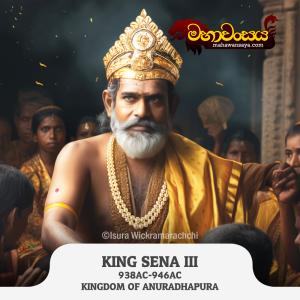
King Sena III
938 AC-946 AC
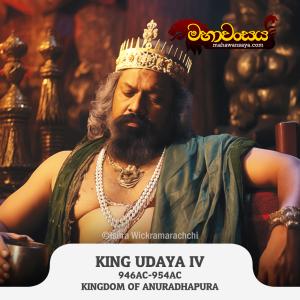
King Udaya IV
946 AC-954 AC
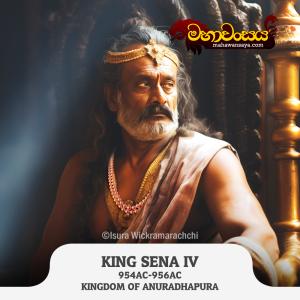
King Sena IV
954 AC-956 AC
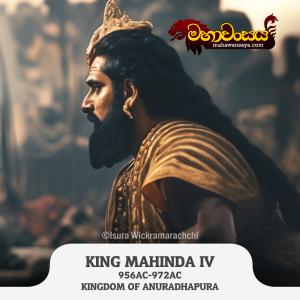
King Mahinda IV
956 AC-972 AC
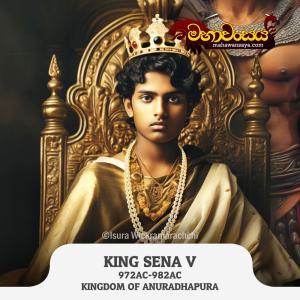
King Sena V
972 AC-982 AC
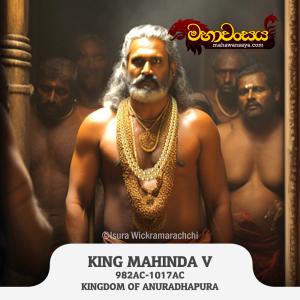
King Mahinda V
982 AC-1017 AC
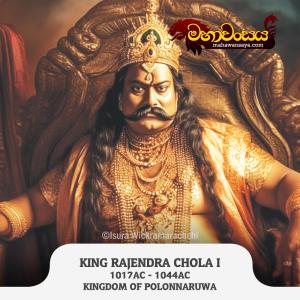
Rajendra Chola I
1017 AC-1044 AC
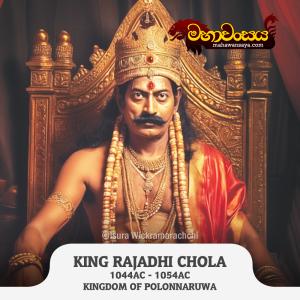
Rajadhiraja Chola
1044 AC-1054 AC
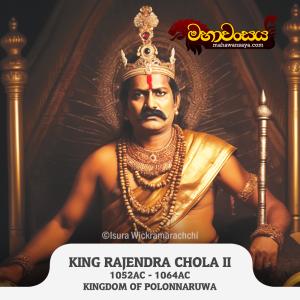
Rajendra Chola II
1052 AC-1064 AC
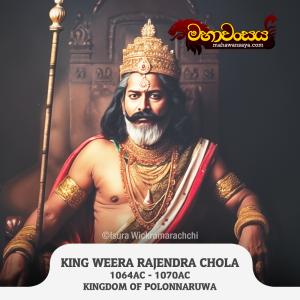
Virarajendra Chola
1064 AC-1070 AC
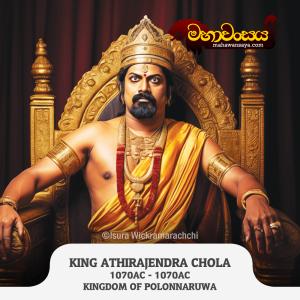
Athirajendra Chola
1070 AC-1070 AC
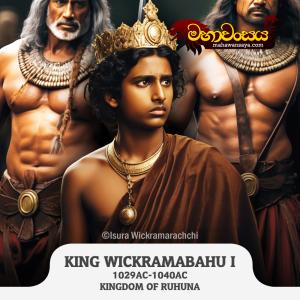
King Wickramabahu I
1029 AC-1040 AC
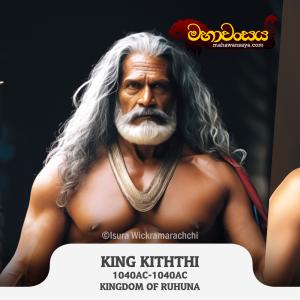
King General Keerthi
1040 AC-1040 AC
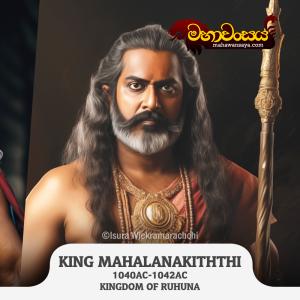
King Mahalana Kiththi
1040 AC-1042 AC
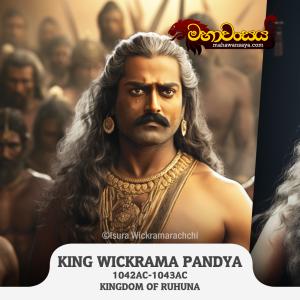
King Wickrama Pandu
1042 AC-1043 AC
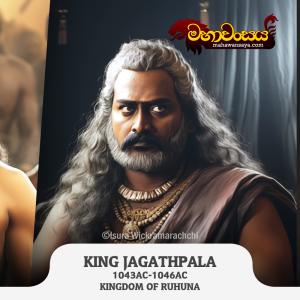
King Jagathpala
1043 AC-1046 AC
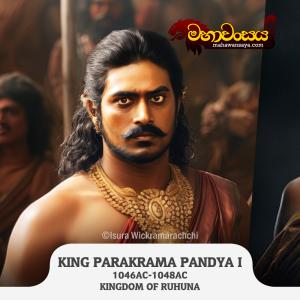
King Parakrama Pandu
1046 AC-1048 AC
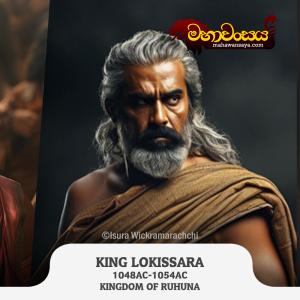
King Lokissara
1048 AC-1054 AC
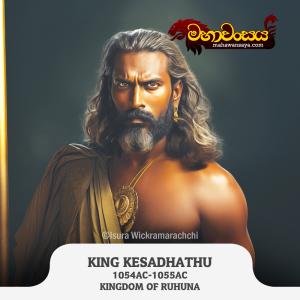
King Kesadhathu
1054 AC-1055 AC
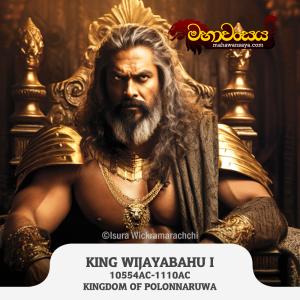
King Vijayabahu I
1055 AC-1110 AC
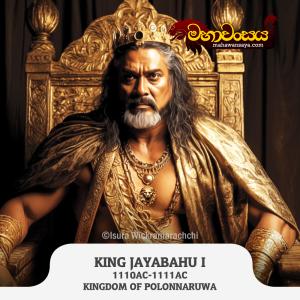
King Jayabahu I
1110 AC-1111 AC
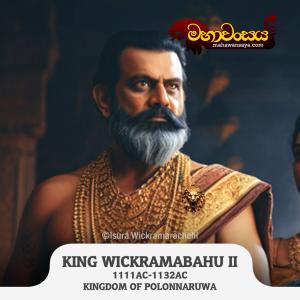
King Wickramabahu II
1111 AC-1132 AC
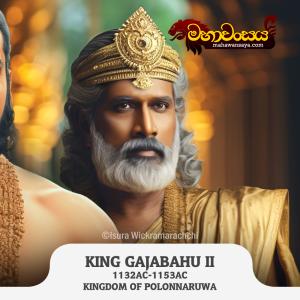
King Gajabahu II
1032 AC-1053 AC
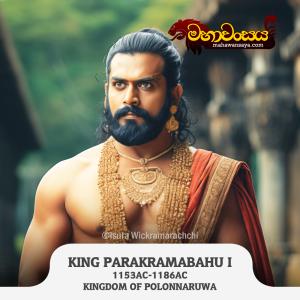
King Parakramabahu I
1053 AC-1086 AC
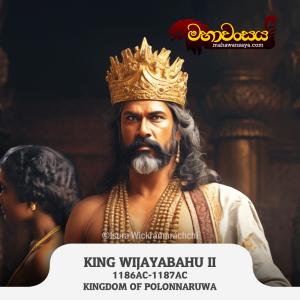
King Vijayabahu II
1186 AC-1187 AC
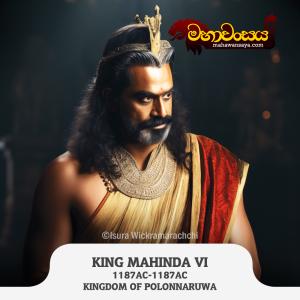
King Mahinda VI
1187 AC-1187 AC
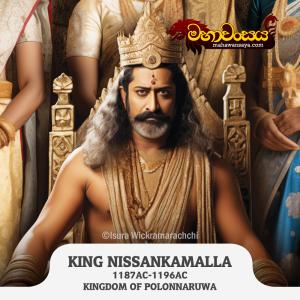
King Nissanka Malla
1187 AC-1196 AC
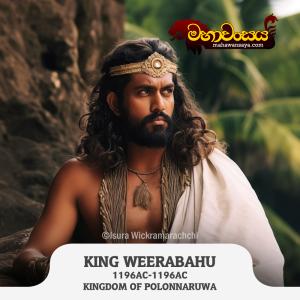
King Weerabahu I
1196 AC-1196 AC
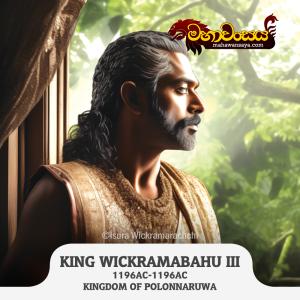
King Wickramabahu III
1196 AC-1196 AC
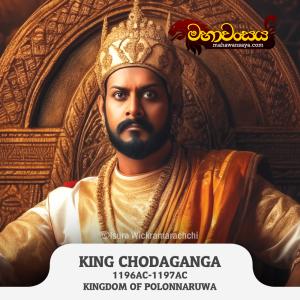
King Chodaganga
1196 AC-1197 AC
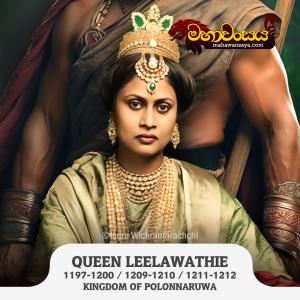
Queen Leelawathie
1197 AC-1200 AC
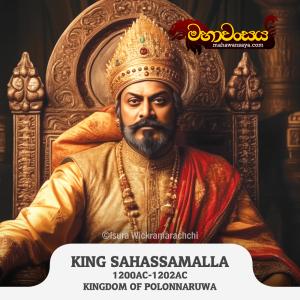
King Sahasamalla
1200 AC-1202 AC
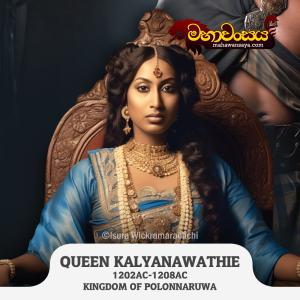
Queen Kalyanawathie
1202 AC-1208 AC
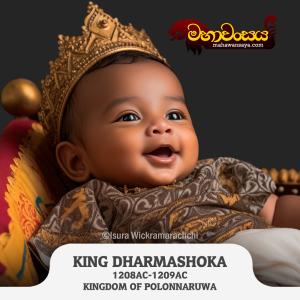
King Dharmasoka
1208 AC-1209 AC
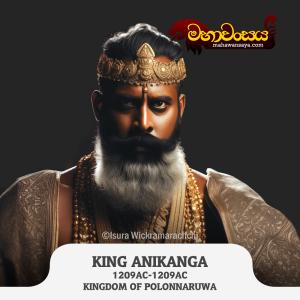
King Anikanga
1209 AC-1209 AC
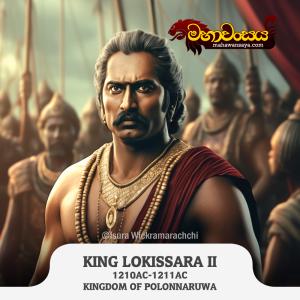
King Lokissara ii
1210 AC-1211 AC
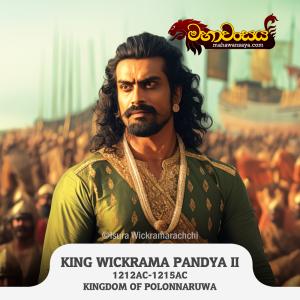
King Parakrama Pandu II
1212 AC-1215 AC
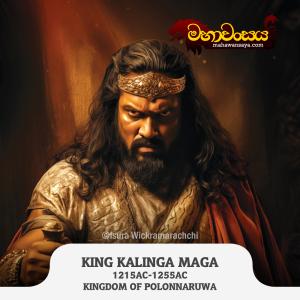
King Kalinga Magha
1215 AC-1255 AC
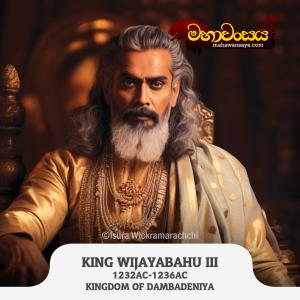
King Vijayabahu III
1232 AC-1236 AC
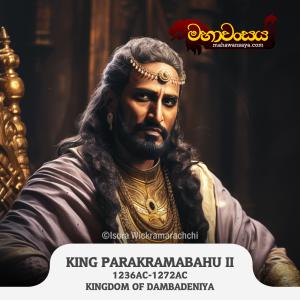
King Parakramabahu II
1236 AC-1272 AC
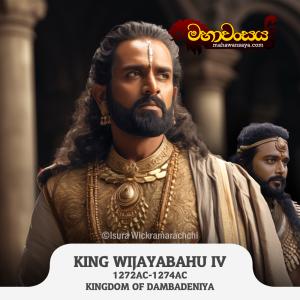
King Vijayabahu IV
1272 AC-1274 AC
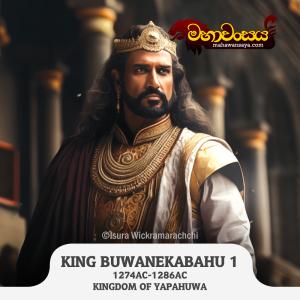
King Buvanekabahu I
1274 AC-1286 AC
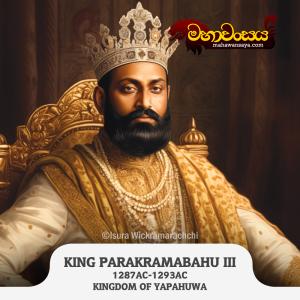
King Parakramabahu III
1287 AC-1293 AC
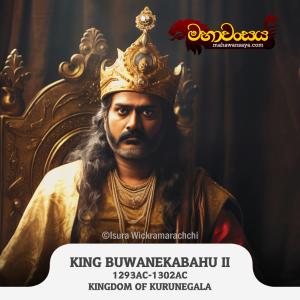
King Buvanekabahu II
1293 AC-1302 AC
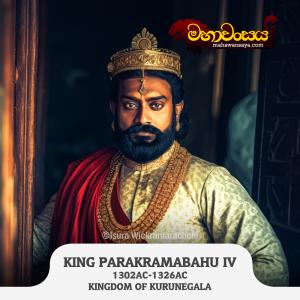
King Parakramabahu IV
1302 AC-1326 AC
-208.jpg)
King Buvanekabahu III (Vanni B
1326 AC-1335 AC
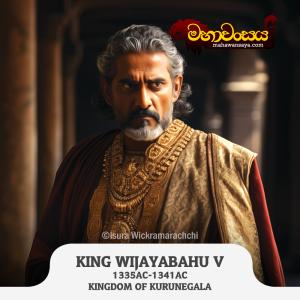
King Vijayabahu V
1335 AC-1341 AC
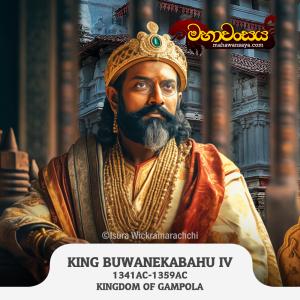
King Buvanekabahu IV
1341 AC-1359 AC
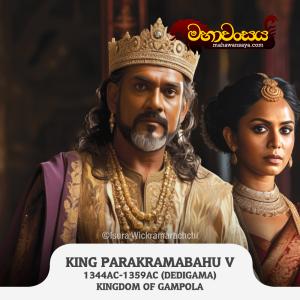
King Parakramabahu V
1344 AC-1359 AC
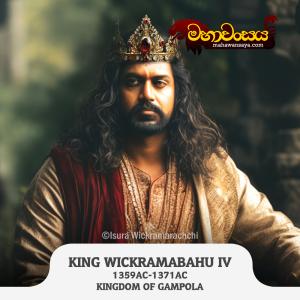
King Wickramabahu IV
1359 AC-1371 AC
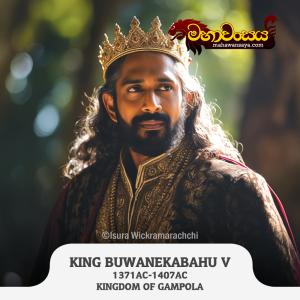
King Buvanekabahu V
1371 AC-1407 AC
-544.jpg)
King Kumara Alakeshwara (Alake
1391 AC-1391 AC
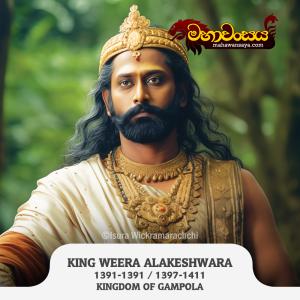
King Weera Alakesvara
1397 AC-1411 AC
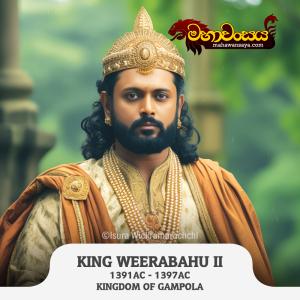
King Weerabahu II
1391 AC-1397 AC
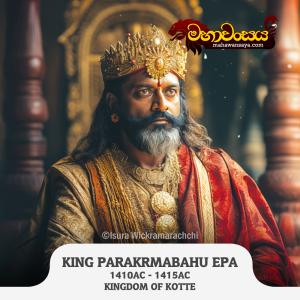
King Parakramabahu Epa
1410 AC-1415 AC
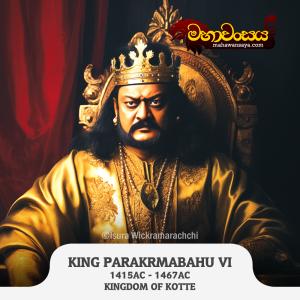
King Parakramabahu VI
1415 AC-1467 AC
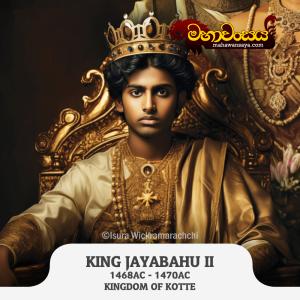
King Jayabahu II
1468 AC-1470 AC
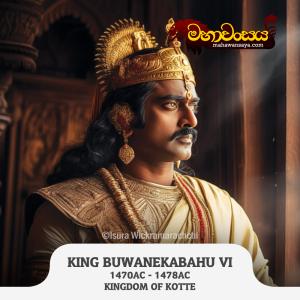
King Buvanekabahu VI
1470 AC-1478 AC
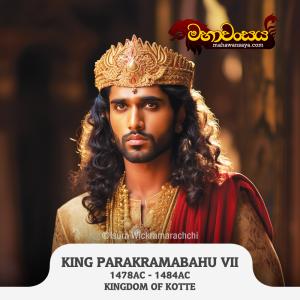
King Panditha Parakramabahu VI
1478 AC-1484 AC
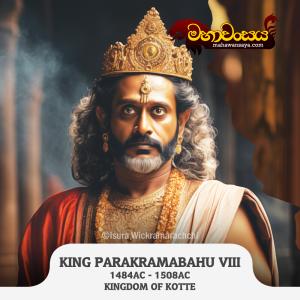
King Weera Parakramabahu VIII
1484 AC-1508 AC
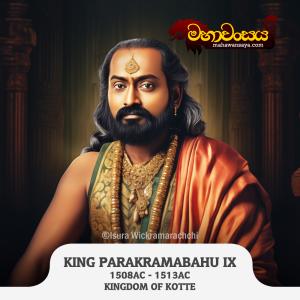
King Darma Parakramabahu IX
1508 AC-1513 AC
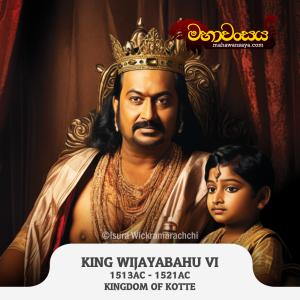
King Vijayabahu VI
1513 AC-1521 AC
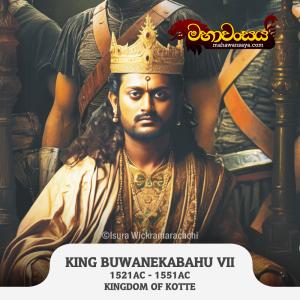
King Buvanekabahu VII
1521 AC-1551 AC
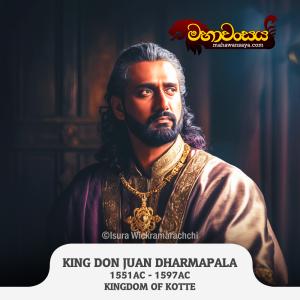
King Don Juwan Dharmapala
1551 AC-1597 AC
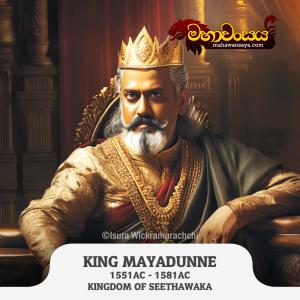
King Mayadunne
1551 AC-1581 AC
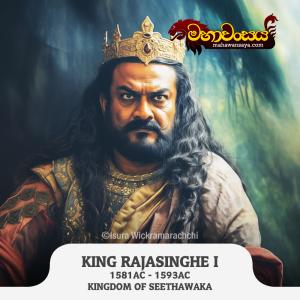
King Rajasinha I
1581 AC-1593 AC
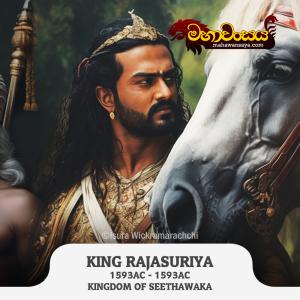
King Rajasooriya
1593 AC-1593 AC
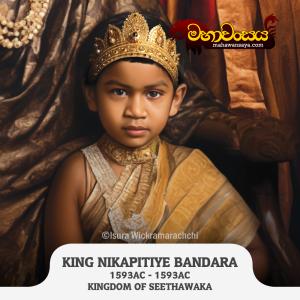
King Nikapitiye Bandara
1593 AC-1593 AC
King Wimaladharmasuriya I
1591 AC-1604 AC
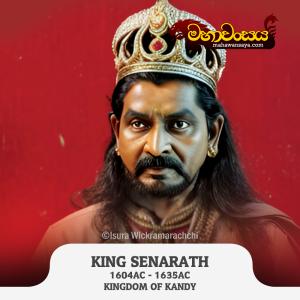
King Senarat
1604 AC-1635 AC
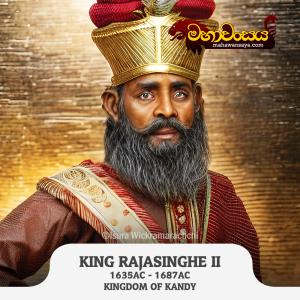
King Rajasinha II
1635 AC-1687 AC
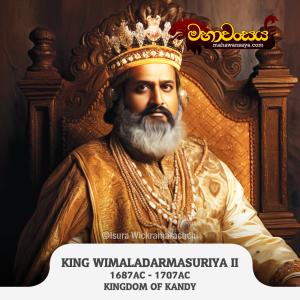
King Wimaladharmasuriya II
1687 AC-1707 AC
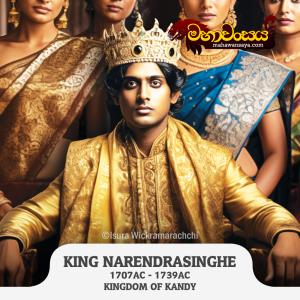
King Sri Weera Parakrama Naren
1707 AC-1739 AC
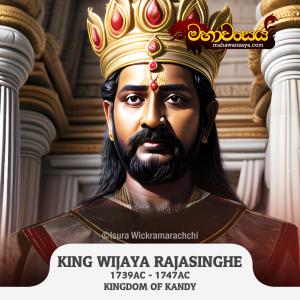
King Sri Wijaya Rajasingha
1739 AC-1747 AC
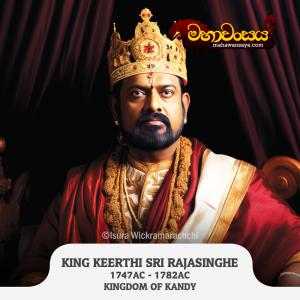
King Keerthi Sri Rajasingha
1747 AC-1782 AC
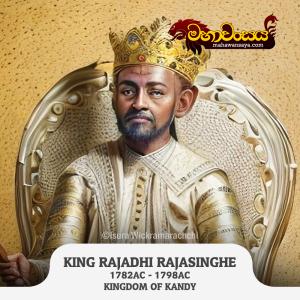
King Rajadhi Rajasinha
1782 AC-1798 AC
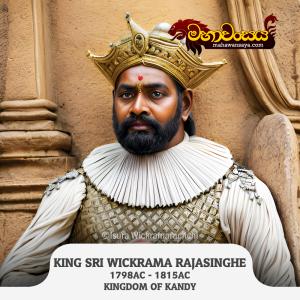
King Sri Wikrama Rajasinha
1798 AC-1815 AC

Pedro Lopes de Sousa
1594 AC-1594 AC
Joao da Silveira
1518 AC-1518 AC
Lopo de Brito
1518 AC-1522 AC
Fernao Gomes de Lemos
1522 AC-1524 AC
Joao Henriques
1551 AC-1552 AC
Diogo de Melo Coutinho
1552 AC-1552 AC
Duarte de Eca
1552 AC-1553 AC
Fernao Carvalho
1553 AC-1555 AC
Willem Jacobszoon Coster
1640 AC-1640 AC
Jan Thyszoon Payart
1640 AC-1646 AC
After the death of King Jetthatissa, who made a name as a distinguished craftsman among the royal dynasty of Sinhala, the throne was succeeded by his son, Prince Buddhadasa. This king is recorded in history not only as a skilled physician but also as one who excelled in surgical practice. The Mahavamsa begins the account of King Buddhadasa by describing him as “an ocean of virtues to all gems,” and concludes the narration of his deeds within seventy-four stanzas.
This wealthy king, through every means, brought comfort to the people. Like Alakamandawa, the king protected his city. Possessing both wisdom and merit, he ruled in accordance with the ten royal virtues (Dasa Raja Dhamma). He ruled the country without oppression of father or son, and governed through the four principles of social harmony (Sangraha Vastu). Showing compassion to the people, he displayed the ideals of a Bodhisattva. The description thus clearly shows that the king gave wealth to the poor and protected the lives and possessions of the wealthy. He extended kindness to the virtuous and discipline to the wicked.
From the above details, the characteristics of King Buddhadasa become evident. Though he acted towards the people like a Bodhisattva, like King Sirisangabo he did not exceed the limits proper to a ruler. It is clear that, just as he cared for the virtuous, he also acted according to the established law toward offenders. In administration, his piety was more pronounced through his acts of social service. The king engaged himself deeply in the medical service, which bound the hearts of the people to him. He carried surgical instruments and medicine containers with him wherever he went. The Mahavamsa includes about seven miraculous cures performed by this king.
Of these, the most astonishing is the treatment given to a serpent who was lying on an anthill near the Puththabhaga monastery close to Tissaväva. The king went near the serpent, who was suffering from an abdominal ailment, and said:
“I know your disease. Though it is curable, you are a quick-tempered being; therefore, I cannot touch you. Yet it is impossible to leave you untreated.”
Hearing this, the serpent entered the anthill. The king then opened the serpent’s abdomen, removed the affected lump, and cured him. The serpent, in gratitude, gave the king his Nāga Mani gem. The king had that gem set in the eyes of a stone statue at the Abhayagiri Vihara.
A certain monk, having unknowingly eaten curd containing living beings, became afflicted with a severe abdominal disorder caused by worms. The monk informed the king. At that time, a horse that required bleeding as treatment was also brought before the king. The king pierced the horse, took its blood, and gave it to the monk as medicine. When the king later learned that the monk had drunk horse’s blood, he became concerned. The monk, overcome with distress, vomited, and thereby expelled the worms and was cured. The horse, too, recovered.
The king performed many such treatments. Among all these, the greatest surgical operation was the removal of the skull of a man suffering from intense pressure within the brain. Furthermore, the king also treated mental patients. A man who, due to karmic consequences, bore enmity toward the king and constantly cursed him, was not punished by the king. Instead, the king compassionately changed his mental state through various acts of kindness. In this way, the king’s efforts for the health of the people were endless. He established hospitals throughout the island, appointing physicians to serve in them. Likewise, he appointed one chief physician for every ten villages. One-twentieth (1/20) of the revenue from the paddy fields was allocated as salaries for these physicians. Separate treatment arrangements were made for the military forces, and even animals were provided with medical care. The king also considered the future of these institutions. To train physicians and assistants, he compiled a medical text called Sārārtha Saṅgrahaya, containing the essence of medical science.
After King Buddhadasa established hospitals, several ruins belonging to those institutions, which flourished later, have been discovered. Remains found at Mihintale, Medirigiriya, and Arantalawa are especially significant. Even in the earliest Brahmi inscriptions of Lanka, physicians are mentioned. In some cave inscriptions, the occupation of the donors is recorded as Vejja (physician). It is seen from inscriptions that the physician of King Devanampiyatissa was a Brahmin named Gobutiya. These persons were likely Ayurvedic doctors. However, it is evident that a distinct Sinhala medical system had existed continuously in this country since ancient times. Many medicinal practices and treatment methods seem to have belonged to this Sinhala system. Later, the two systems appear to have merged.
King Buddhadasa also rendered great service to the progress of the Buddhist religion. Following earlier traditions (administrative codes), he performed all duties due to the Sasana without decline. Among these were the honoring of preachers of the Dhamma and the regular listening to sermons. Granting salaries to preachers was an important aspect, and this system developed further later on. Monasteries, alms halls, and image houses were also established during his reign. The Monarapa Pirivena of the Mahavihara was his creation. The Mahavamsa states that it was twenty-five cubits high. Even today, to the southwest of the Sri Maha Bodhi, the stone foundations of this structure can be seen. The two villages given for the maintenance of the Monara Pirivena—Savana and Golpanu—cannot be identified today. Later, King Dhatusena is said to have slightly elevated and renovated this building. Earlier, King Mahanaga too had done some work for its development. According to the present revealed plan, it is 66 feet in length and 45 feet in width. The stone pillars found there can be shown as remains of King Buddhadasa’s construction.
During this period, another important religious task was accomplished — the Sutra Pitaka was translated into the Sinhala language by monks known as Dharmakathikas.
It cannot be said that this king did not work for the economic development of the country. He seems to have followed the irrigation technology initiated by King Mahasena. Otherwise, he would not have had the resources to carry out such welfare measures for the people. Therefore, it appears that agriculture flourished productively in the country. The Mahavamsa mentions that this king built tanks, though their names are not specified.
Several inscriptions belonging to this king’s time have also been discovered. In one inscription found near the Ruwanweliseya, the king is referred to as Sirimeka Petetisa Maharaja, the son of Buddadasa Mahasena Maharaja (the son of Jetthatissa Abhaya Maharaja). This shows that he used the name of his ancestor Mahasena as well. Though the inscription mentions the making of a pond, it was not the king’s own act but the work of another person. The inscriptions found at Bowatthegala and Aralagawela also mention offerings and donations. It is evident that peace prevailed in the country during the reign of King Buddhadasa. As the Mahavamsa mentions that the king took measures for the protection of the city, it may be assumed that he considered the possibility of foreign invasions. However, there is no evidence that such an event occurred.
That this king received great honor from later monarchs is shown by the fact that many kings — and even some foreign rulers who invaded and governed the island — used the name Buddhadasa as an honorific title. This king ruled the country for twenty-nine years.