79
King Mugalan I
Kingdom of Anuradhapura
495 AC - 512 AC
495 AC - 512 AC

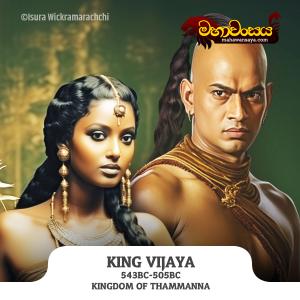
King Vijaya
543 BC-505 BC
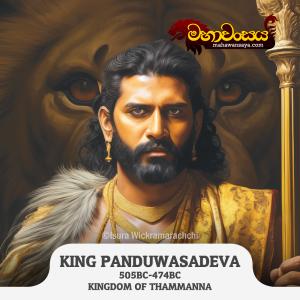
King Panduvasdeva
504 BC-474 BC
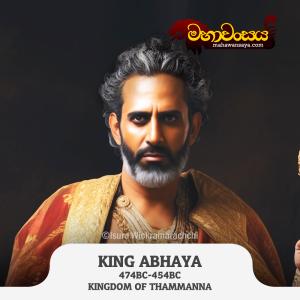
King Abhaya
474 BC-454 BC
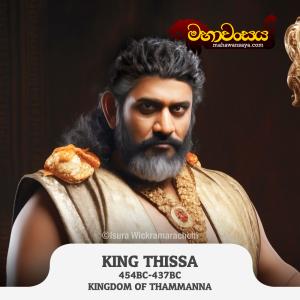
King Tissa
454 BC-437 BC
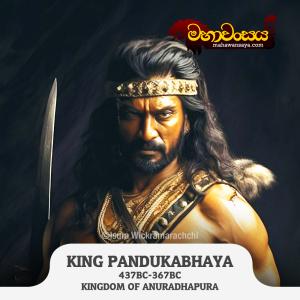
King Pandukabhaya
437 BC-367 BC
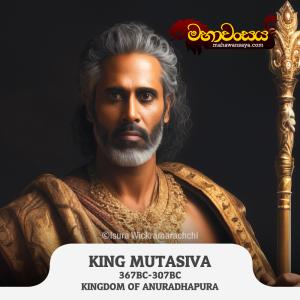
King Mutasiva
367 BC-307 BC
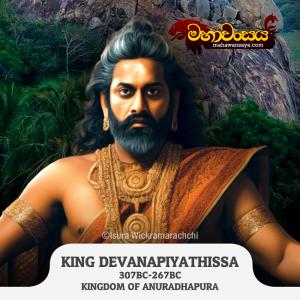
King Devanampiya Tissa
307 BC-267 BC
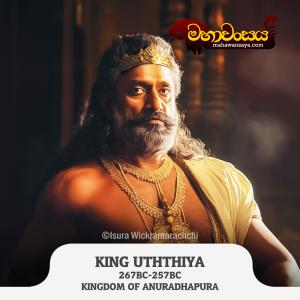
King Uttiya
267 BC-257 BC
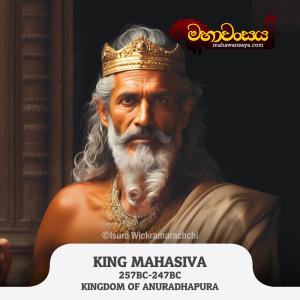
King Mahasiva
257 BC-247 BC
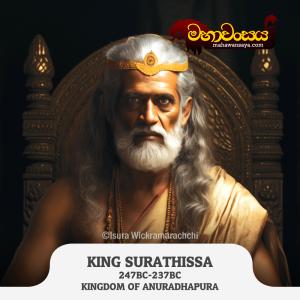
King Suratissa
247 BC-237 BC
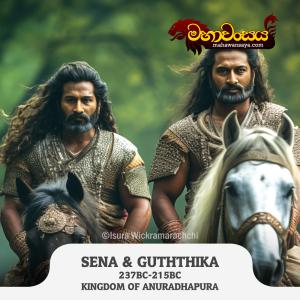
Sena and Guttika
237 BC-215 BC
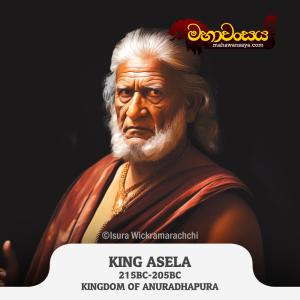
King Asela
215 BC-205 BC
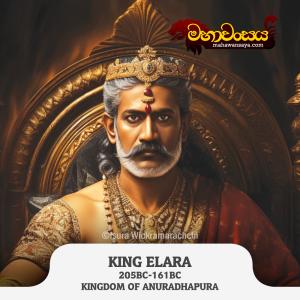
King Elara
205 BC-161 BC
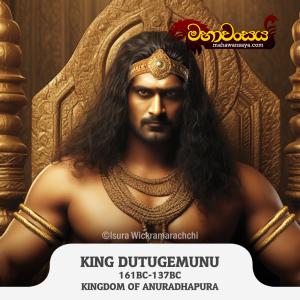
King Dutugemunu
161 BC-137 BC
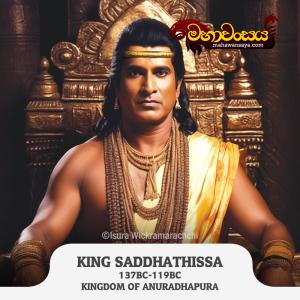
King Saddha Tissa
137 BC-119 BC
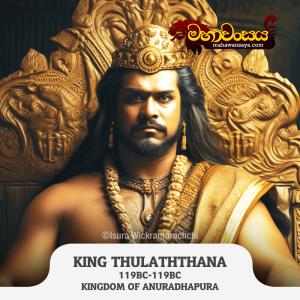
King Thulatthana
119 BC-119 BC
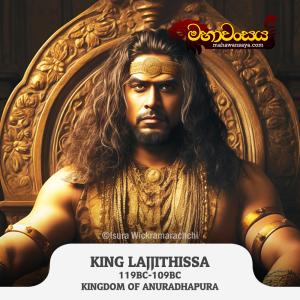
King Lajjithissa
119 BC-109 BC
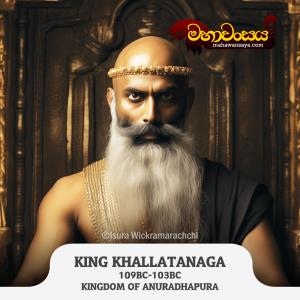
King Khallata Naga
109 BC-103 BC
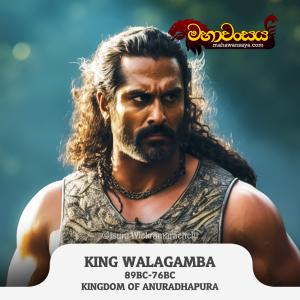
King Walagamba
89 BC-76 BC
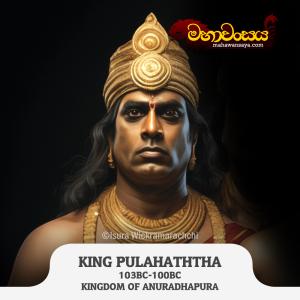
King Pulahaththa
103 BC-100 BC
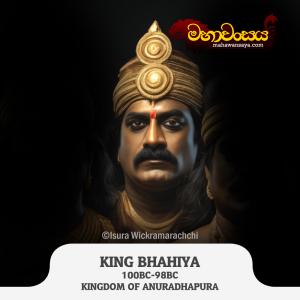
King Bhahiya
100 BC-98 BC
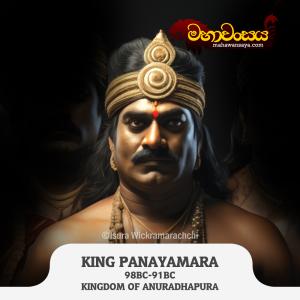
King Panayamara
98 BC-91 BC
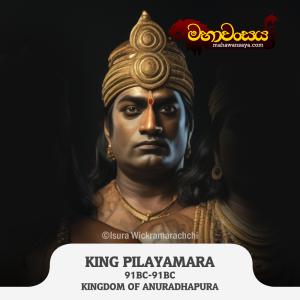
King Piliyamara
91 BC-91 BC
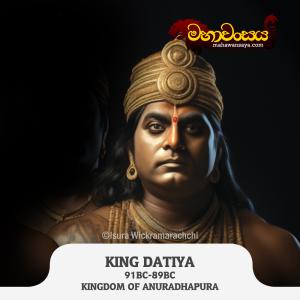
King Dathiya
91 BC-89 BC
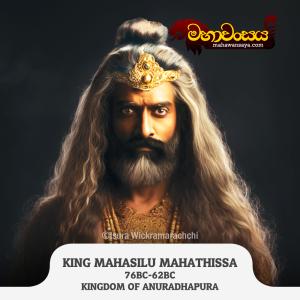
King Mahachulikamahathissa
76 BC-62 BC
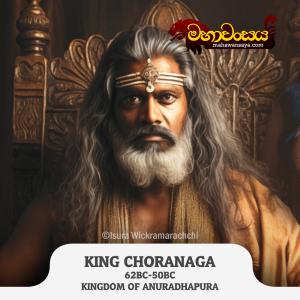
King Choranaga
62 BC-50 BC
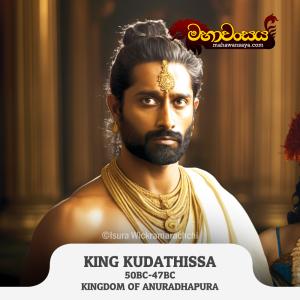
King Kuda Thissa
50 BC-47 BC
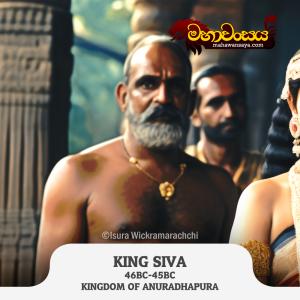
King Siva I
47 BC-45 BC
King Vatuka
45 BC-44 BC
King Darubhatika Tissa
44 BC-43 BC
King Neeliya
43 BC-43 BC
Queen Anula
43 BC-42 BC
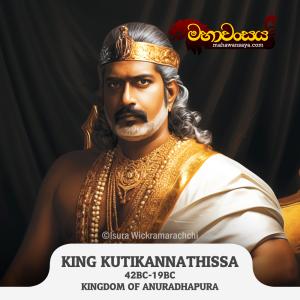
King Kutikanna Tissa
42 BC-19 BC
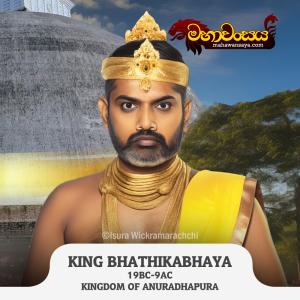
King Bhathikabhaya
19 BC-9 AC
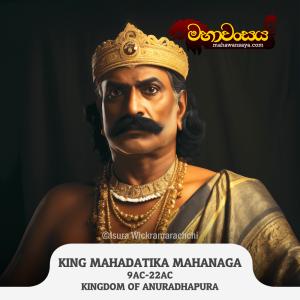
King Mahadatika Mahanaga
9 AC-22 AC

King Amandagamani Abhaya
22 AC-31 AC
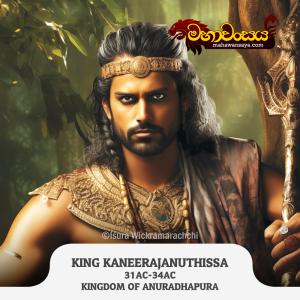
King Kanirajanu Tissa
31 AC-34 AC
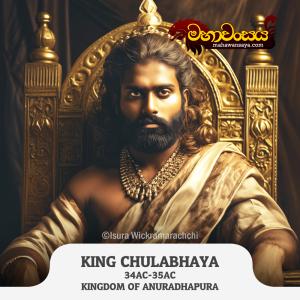
King Chulabhaya
34 AC-35 AC
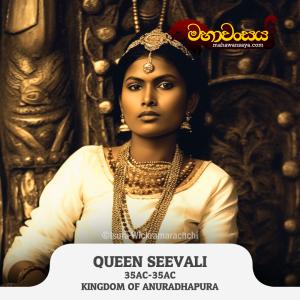
Queen Seevali
35 AC-35 AC
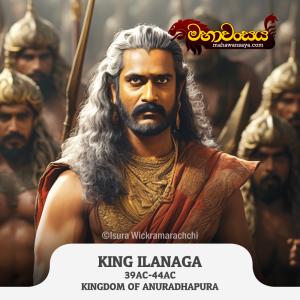
King Ilanaga
39 AC-44 AC
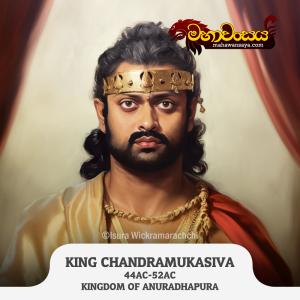
King Chandra Mukha Siva
44 AC-52 AC
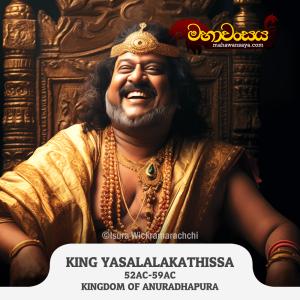
King Yassalalaka Thissa
52 AC-59 AC
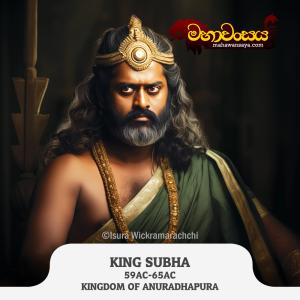
King Subha
59 AC-65 AC
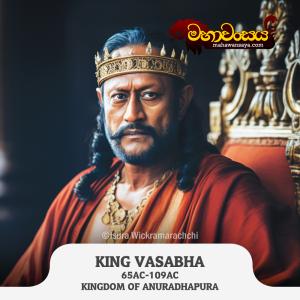
King Vasabha
65 AC-109 AC
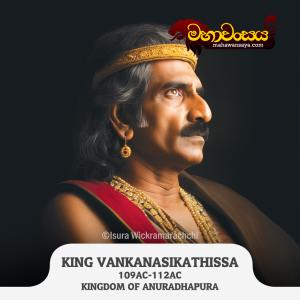
King Vankanasika Tissa
109 AC-112 AC
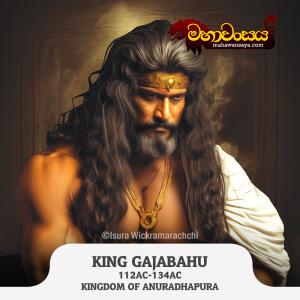
King Gajabahu I
112 AC-134 AC
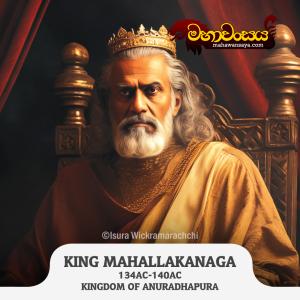
King Mahallaka Naga
134 AC-140 AC
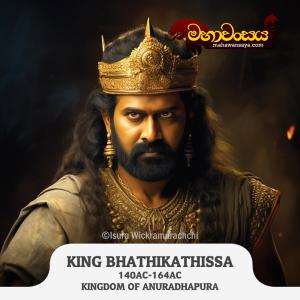
King Bhathika Thissa
140 AC-164 AC
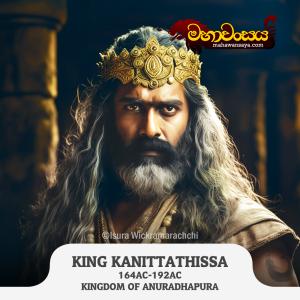
King Kanitta Tissa
164 AC-192 AC
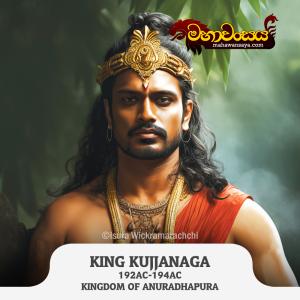
King Kujjanaga
192 AC-194 AC
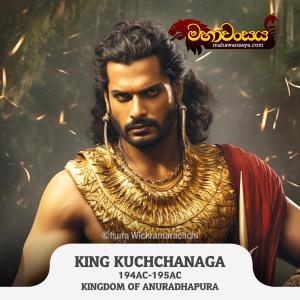
King Kudda Naga
194 AC-195 AC
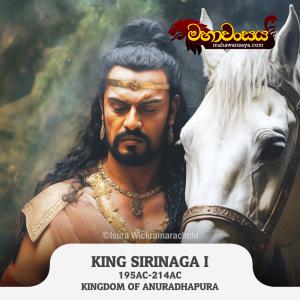
King Sirinaga I
195 AC-214 AC
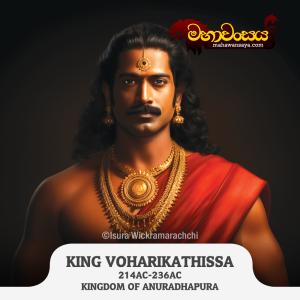
King Voharika Tissa
214 AC-236 AC
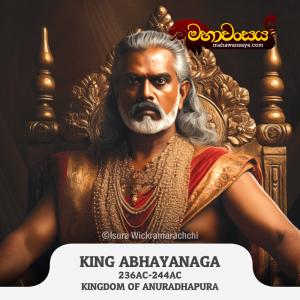
King Abhaya Naga
236 AC-244 AC
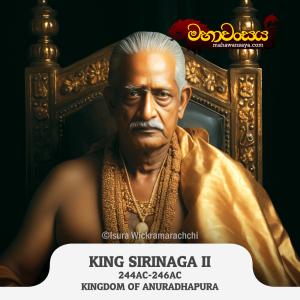
King Sirinaga II
244 AC-246 AC
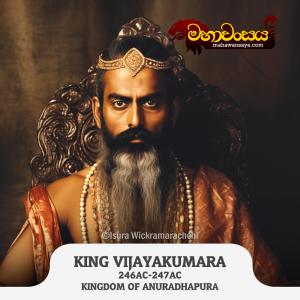
King Vijaya Kumara
246 AC-247 AC
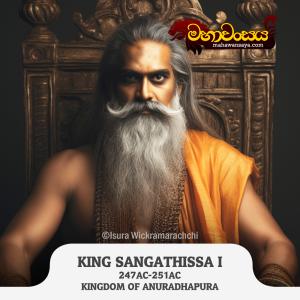
King Sangha Tissa I
247 AC-251 AC
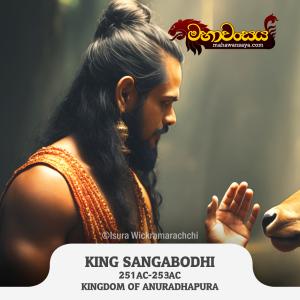
King Siri Sangha Bodhi I
251 AC-253 AC
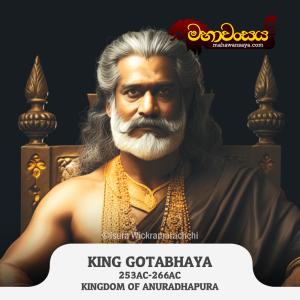
King Gotabhaya
253 AC-266 AC
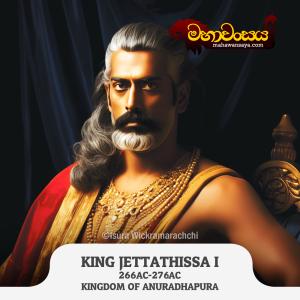
King Jetta Tissa I
266 AC-276 AC
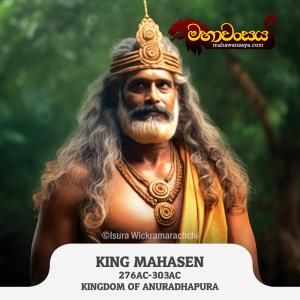
King Mahasen
276 AC-303 AC
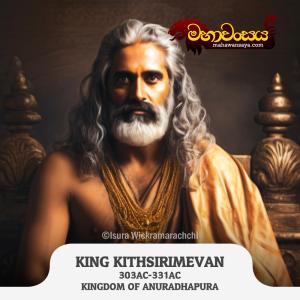
King Kithsirimewan
303 AC-331 AC
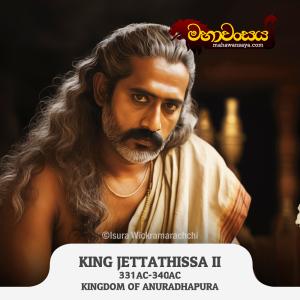
King Jetta Tissa II
331 AC-340 AC
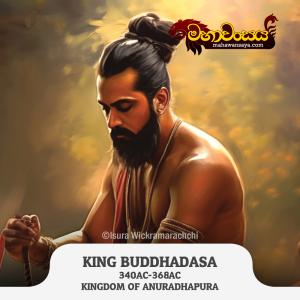
King Buddhadasa
340 AC-368 AC
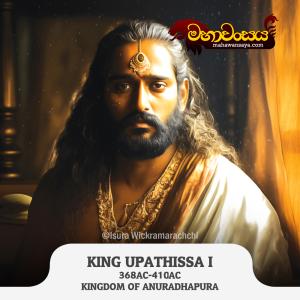
King Upatissa I
368 AC-410 AC
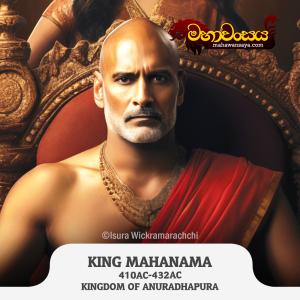
King Mahanama
410 AC-432 AC
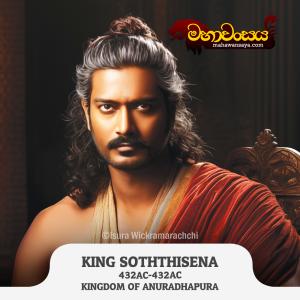
King Soththisena
432 AC-432 AC
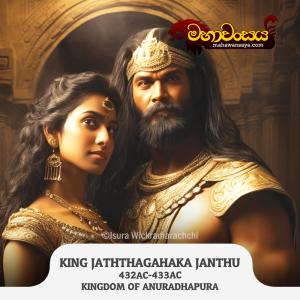
King Jaththagahaka Janthu
432 AC-433 AC
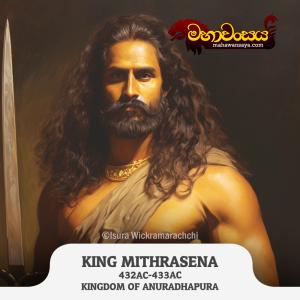
King Miththasena
432 AC-433 AC
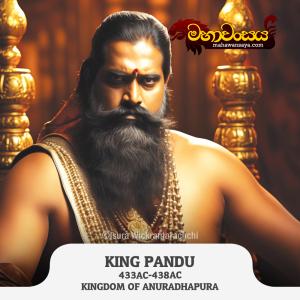
King Pandu
433 AC-438 AC
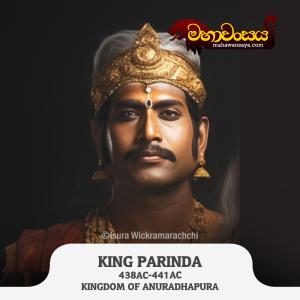
King Parinda
438 AC-441 AC
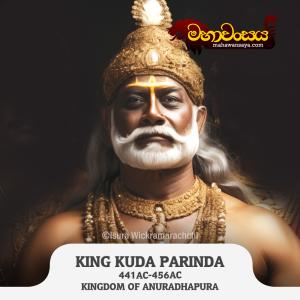
King Kuda Parinda
441 AC-456 AC
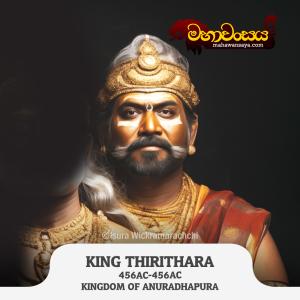
King Thirithara
456 AC-456 AC
King Datiya II
456 AC-459 AC
King Peetiya
459 AC-459 AC
King Dhathusena
459 AC-477 AC
King Kassapa I
477 AC-495 AC
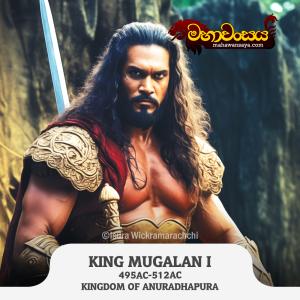
King Mugalan I
495 AC-512 AC
King Kumaradasa
512 AC-520 AC
King Kiththisena
520 AC-521 AC
King Siva II
521 AC-521 AC
King Upatissa II
521 AC-522 AC
King Silakala
522 AC-535 AC
King Datappabhuthi
535 AC-535 AC
King Mugalan II
535 AC-555 AC
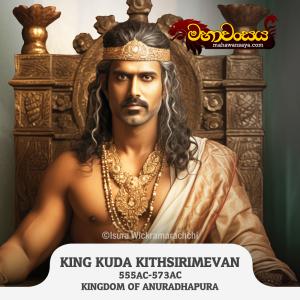
King Kiththisirimegha
555 AC-573 AC
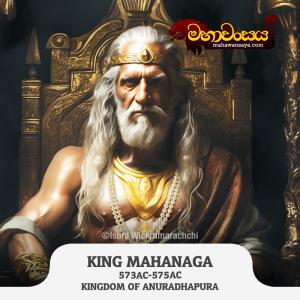
King Mahanaga
573 AC-575 AC
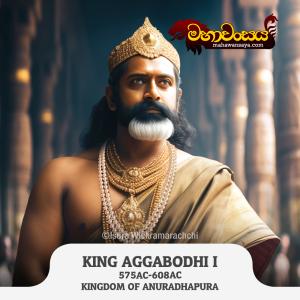
King Aggabodhi I
575 AC-608 AC
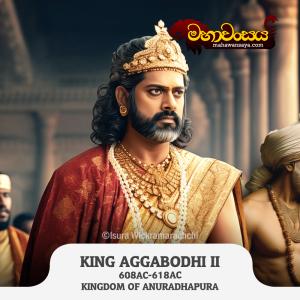
King Aggabodhi II
608 AC-618 AC
King Sangha Tissa II
618 AC-618 AC
King Mugalan III
618 AC-623 AC
King Silameghavanna
623 AC-632 AC
King Aggabodhi III
633 AC-643 AC
King Jetta Tissa III
633 AC-633 AC
King Datopathissa i
643 AC-650 AC
King Kassapa II
650 AC-659 AC
King Dappula I
659 AC-659 AC
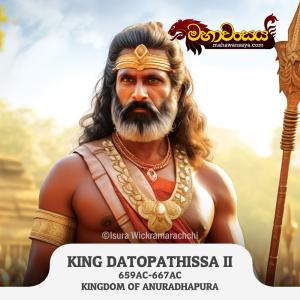
King Datopathissa II
659 AC-667 AC
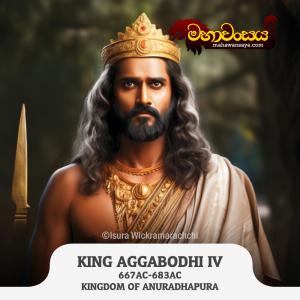
King Aggabodhi IV
667 AC-683 AC
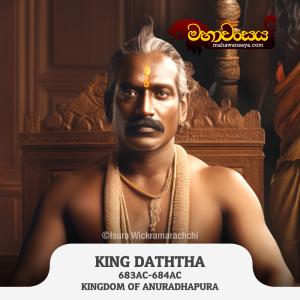
King Daththa
683 AC-684 AC
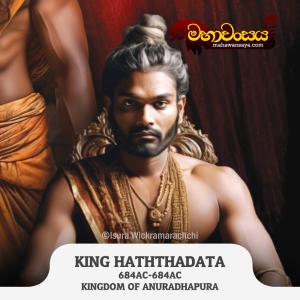
King Haththadata
684 AC-684 AC
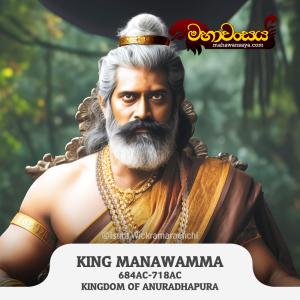
King Manavamma
684 AC-718 AC
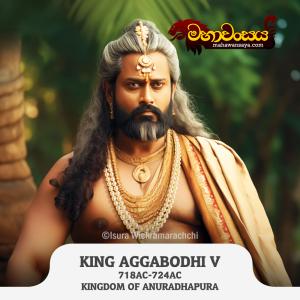
King Aggabodhi V
718 AC-724 AC
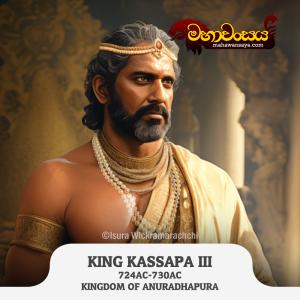
King Kassapa III
724 AC-730 AC
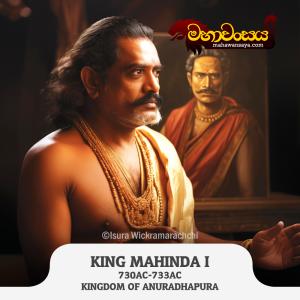
King Mahinda I
730 AC-733 AC
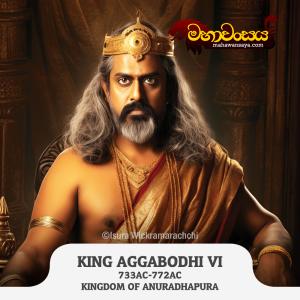
King Aggabodhi VI
733 AC-772 AC
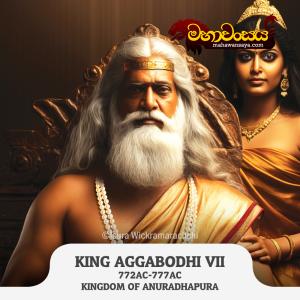
King Aggabodhi VII
772 AC-777 AC
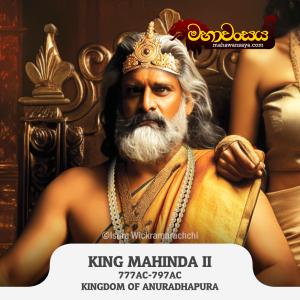
King Mahinda II
777 AC-797 AC
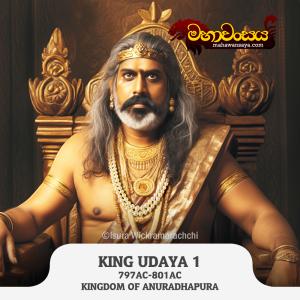
King Udaya I
797 AC-801 AC
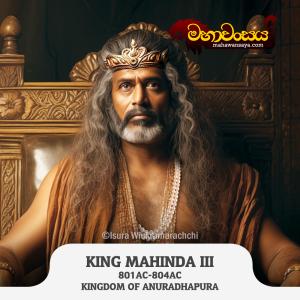
King Mahinda III
801 AC-804 AC
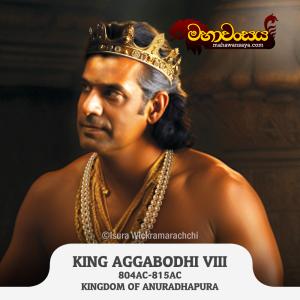
King Aggabodhi VIII
804 AC-815 AC
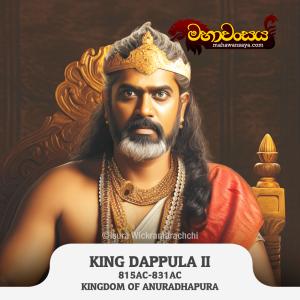
King Dappula II
815 AC-831 AC
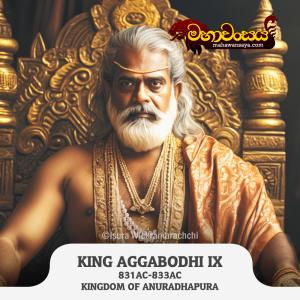
King Aggabodhi IX
831 AC-833 AC
King Sena I
833 AC-853 AC
King Sena II
853 AC-887 AC
King Udaya II
887 AC-898 AC
King Kassapa IV
898 AC-914 AC
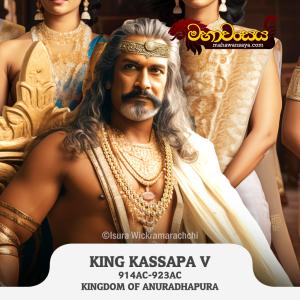
King Kassapa V
914 AC-923 AC
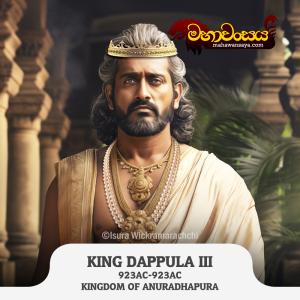
King Dappula III
923 AC-923 AC
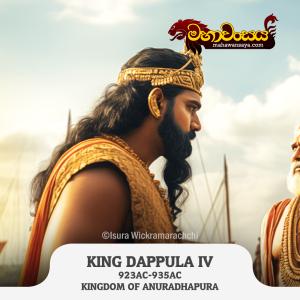
King Dappula IV
923 AC-935 AC
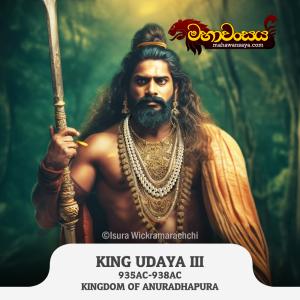
King Udaya III
935 AC-938 AC
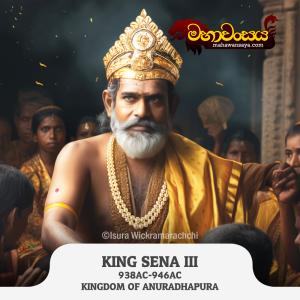
King Sena III
938 AC-946 AC
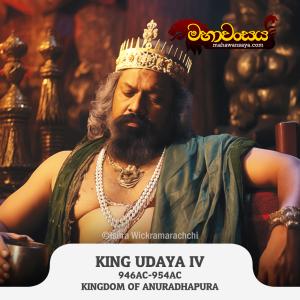
King Udaya IV
946 AC-954 AC
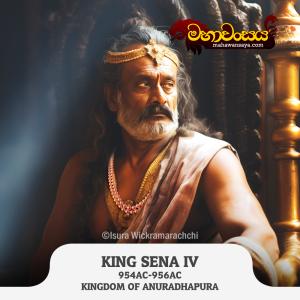
King Sena IV
954 AC-956 AC
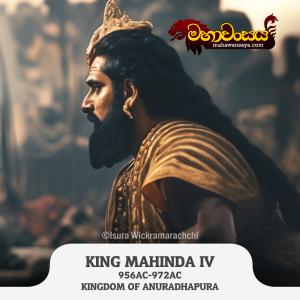
King Mahinda IV
956 AC-972 AC
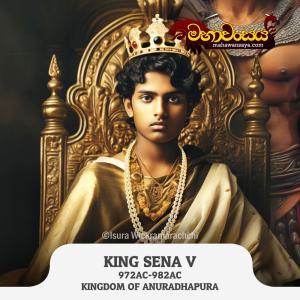
King Sena V
972 AC-982 AC
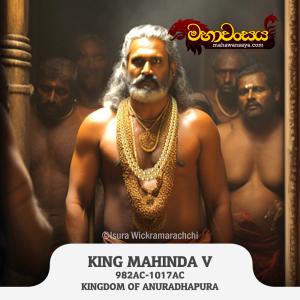
King Mahinda V
982 AC-1017 AC
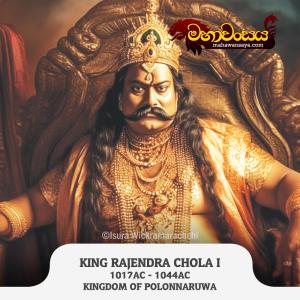
Rajendra Chola I
1017 AC-1044 AC
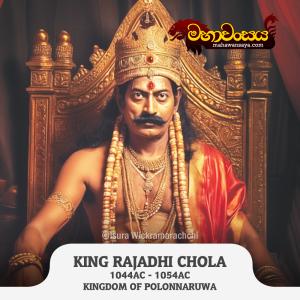
Rajadhiraja Chola
1044 AC-1054 AC
Rajendra Chola II
1052 AC-1064 AC
Virarajendra Chola
1064 AC-1070 AC
Athirajendra Chola
1070 AC-1070 AC
King Wickramabahu I
1029 AC-1040 AC
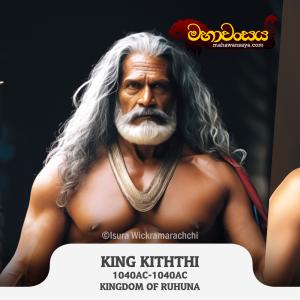
King General Keerthi
1040 AC-1040 AC
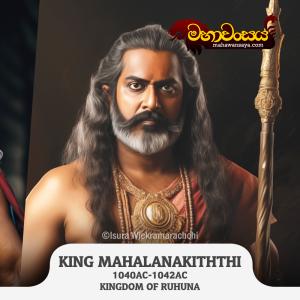
King Mahalana Kiththi
1040 AC-1042 AC
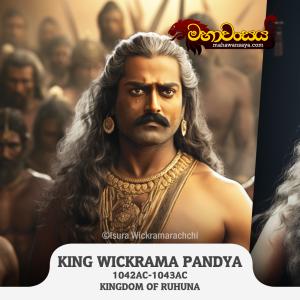
King Wickrama Pandu
1042 AC-1043 AC
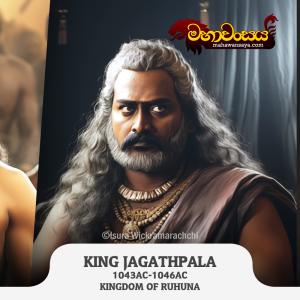
King Jagathpala
1043 AC-1046 AC
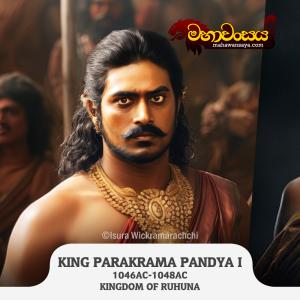
King Parakrama Pandu
1046 AC-1048 AC
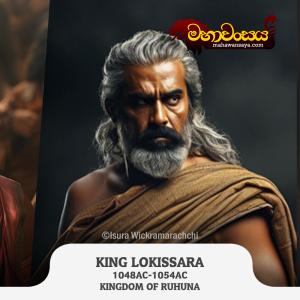
King Lokissara
1048 AC-1054 AC
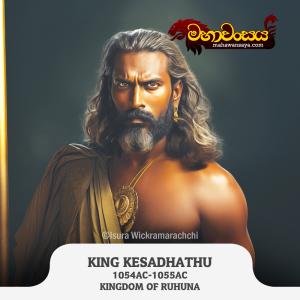
King Kesadhathu
1054 AC-1055 AC
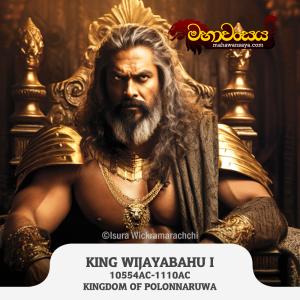
King Vijayabahu I
1055 AC-1110 AC
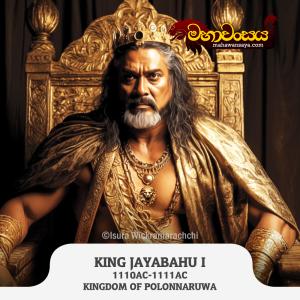
King Jayabahu I
1110 AC-1111 AC
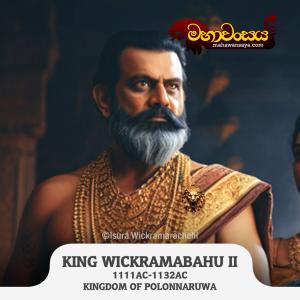
King Wickramabahu II
1111 AC-1132 AC
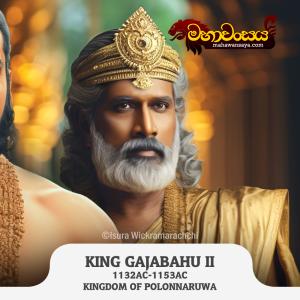
King Gajabahu II
1032 AC-1053 AC
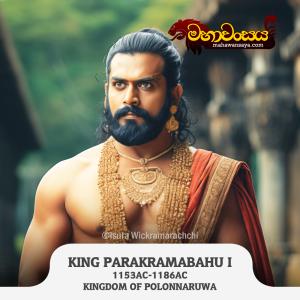
King Parakramabahu I
1053 AC-1086 AC
King Vijayabahu II
1186 AC-1187 AC
King Mahinda VI
1187 AC-1187 AC
King Nissanka Malla
1187 AC-1196 AC
King Weerabahu I
1196 AC-1196 AC
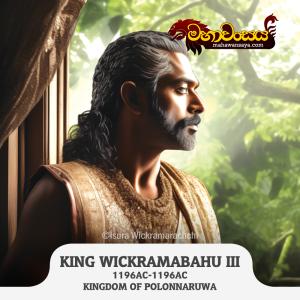
King Wickramabahu III
1196 AC-1196 AC
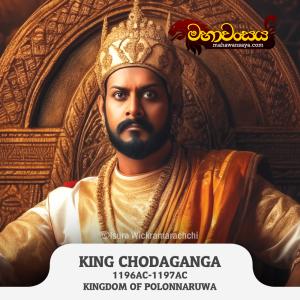
King Chodaganga
1196 AC-1197 AC
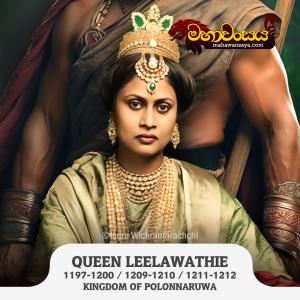
Queen Leelawathie
1197 AC-1200 AC
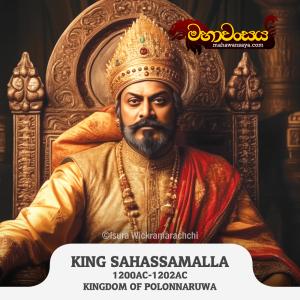
King Sahasamalla
1200 AC-1202 AC
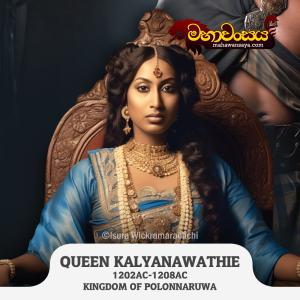
Queen Kalyanawathie
1202 AC-1208 AC
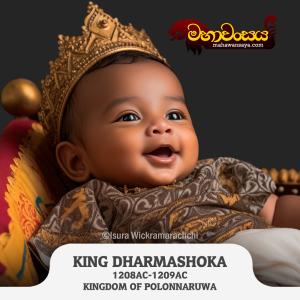
King Dharmasoka
1208 AC-1209 AC
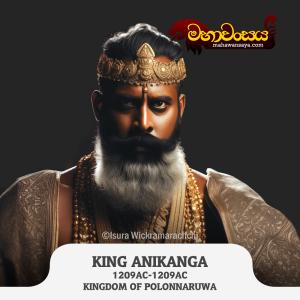
King Anikanga
1209 AC-1209 AC
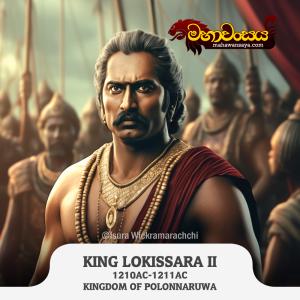
King Lokissara ii
1210 AC-1211 AC
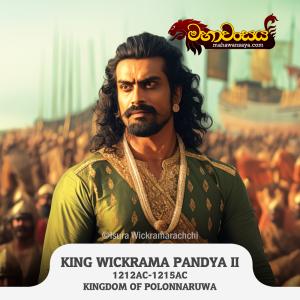
King Parakrama Pandu II
1212 AC-1215 AC
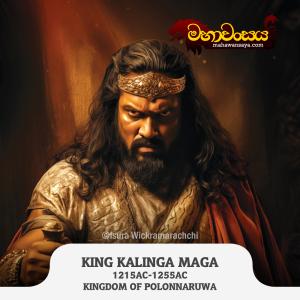
King Kalinga Magha
1215 AC-1255 AC
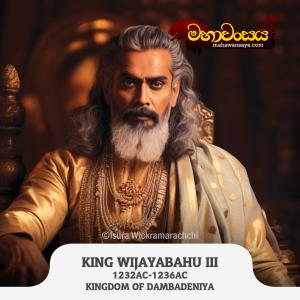
King Vijayabahu III
1232 AC-1236 AC
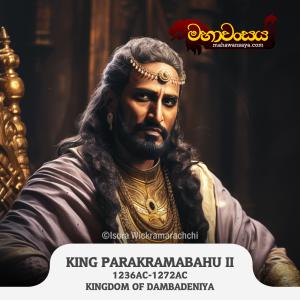
King Parakramabahu II
1236 AC-1272 AC
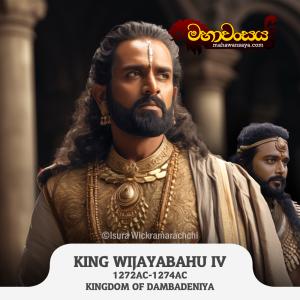
King Vijayabahu IV
1272 AC-1274 AC
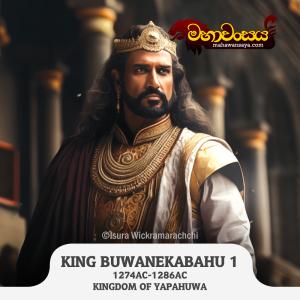
King Buvanekabahu I
1274 AC-1286 AC
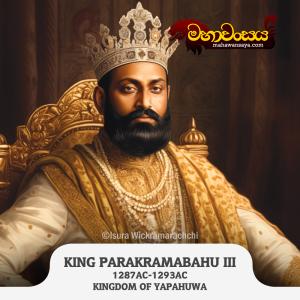
King Parakramabahu III
1287 AC-1293 AC
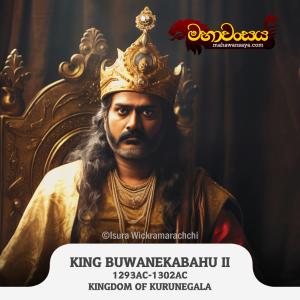
King Buvanekabahu II
1293 AC-1302 AC
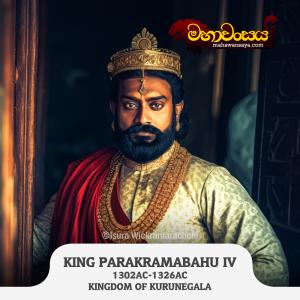
King Parakramabahu IV
1302 AC-1326 AC
-208.jpg)
King Buvanekabahu III (Vanni B
1326 AC-1335 AC
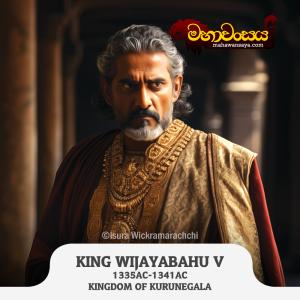
King Vijayabahu V
1335 AC-1341 AC
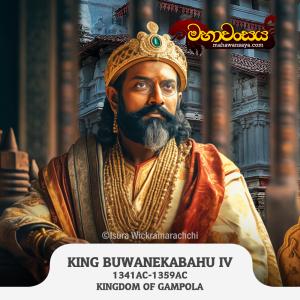
King Buvanekabahu IV
1341 AC-1359 AC
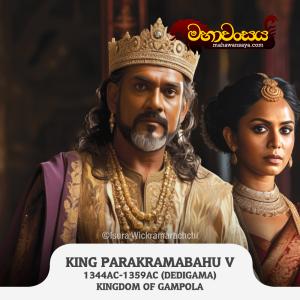
King Parakramabahu V
1344 AC-1359 AC
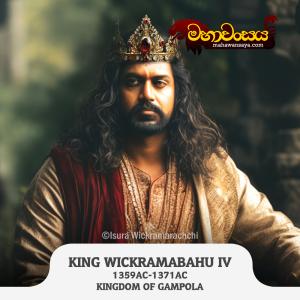
King Wickramabahu IV
1359 AC-1371 AC
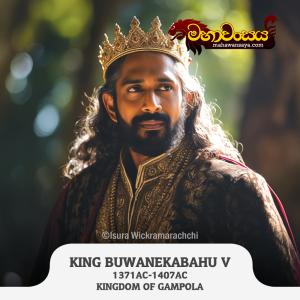
King Buvanekabahu V
1371 AC-1407 AC
-544.jpg)
King Kumara Alakeshwara (Alake
1391 AC-1391 AC
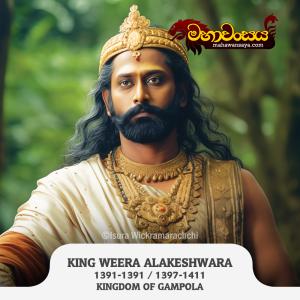
King Weera Alakesvara
1397 AC-1411 AC
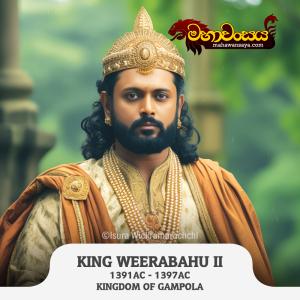
King Weerabahu II
1391 AC-1397 AC
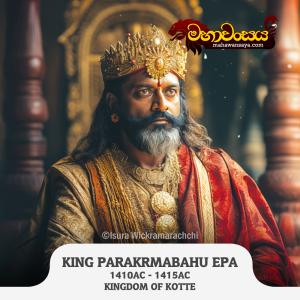
King Parakramabahu Epa
1410 AC-1415 AC
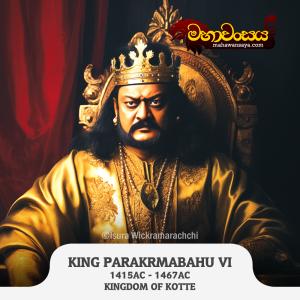
King Parakramabahu VI
1415 AC-1467 AC
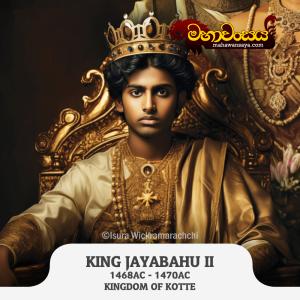
King Jayabahu II
1468 AC-1470 AC
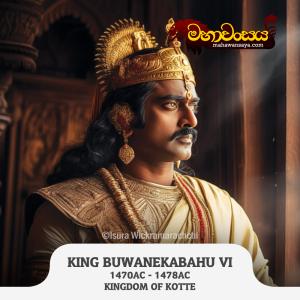
King Buvanekabahu VI
1470 AC-1478 AC
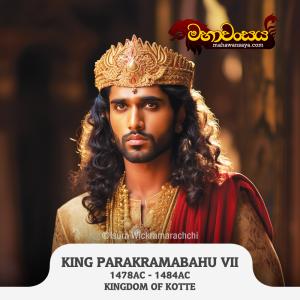
King Panditha Parakramabahu VI
1478 AC-1484 AC
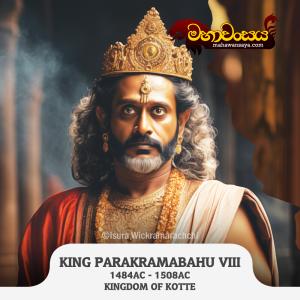
King Weera Parakramabahu VIII
1484 AC-1508 AC
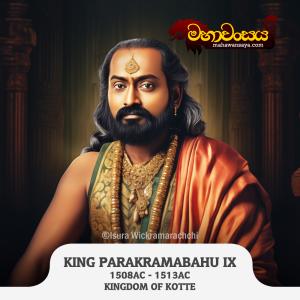
King Darma Parakramabahu IX
1508 AC-1513 AC
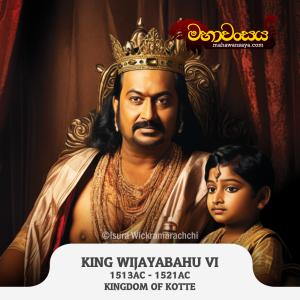
King Vijayabahu VI
1513 AC-1521 AC
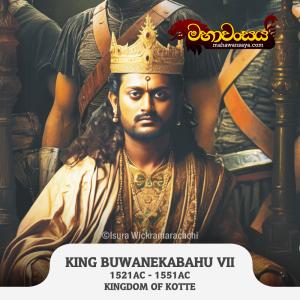
King Buvanekabahu VII
1521 AC-1551 AC
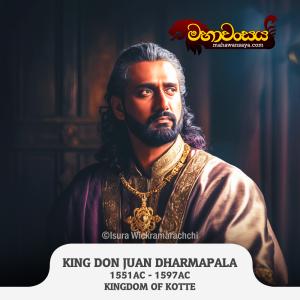
King Don Juwan Dharmapala
1551 AC-1597 AC
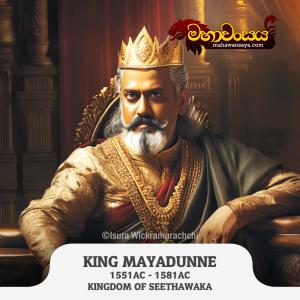
King Mayadunne
1551 AC-1581 AC
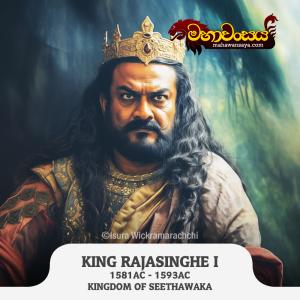
King Rajasinha I
1581 AC-1593 AC
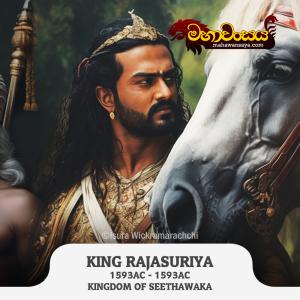
King Rajasooriya
1593 AC-1593 AC
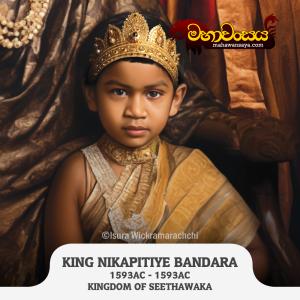
King Nikapitiye Bandara
1593 AC-1593 AC
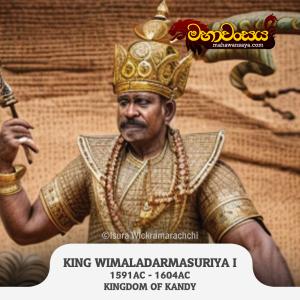
King Wimaladharmasuriya I
1591 AC-1604 AC
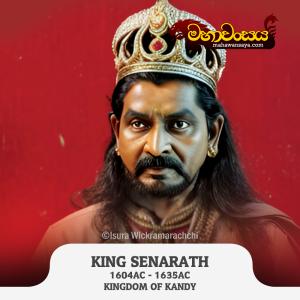
King Senarat
1604 AC-1635 AC
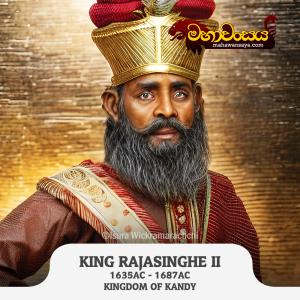
King Rajasinha II
1635 AC-1687 AC
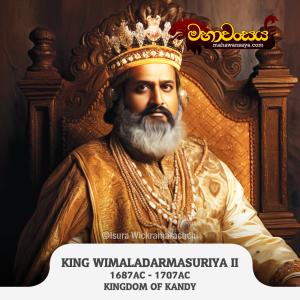
King Wimaladharmasuriya II
1687 AC-1707 AC
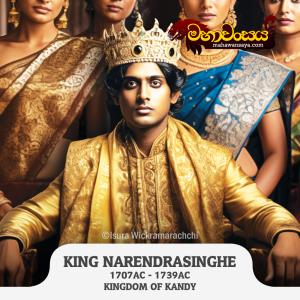
King Sri Weera Parakrama Naren
1707 AC-1739 AC
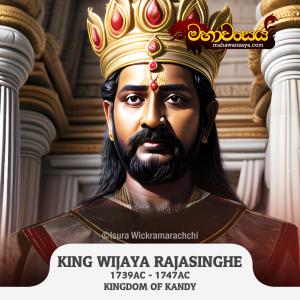
King Sri Wijaya Rajasingha
1739 AC-1747 AC
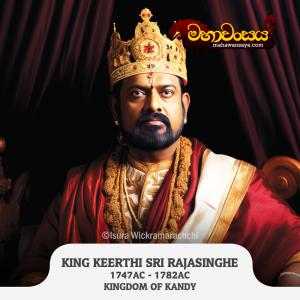
King Keerthi Sri Rajasingha
1747 AC-1782 AC
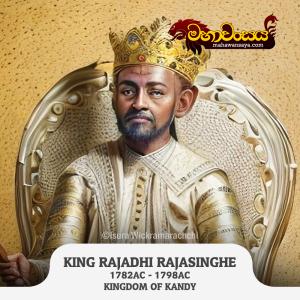
King Rajadhi Rajasinha
1782 AC-1798 AC
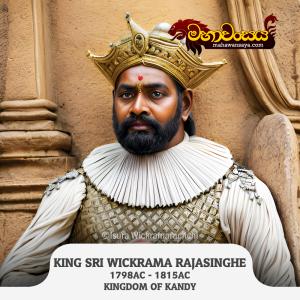
King Sri Wikrama Rajasinha
1798 AC-1815 AC

Pedro Lopes de Sousa
1594 AC-1594 AC
Joao da Silveira
1518 AC-1518 AC
Lopo de Brito
1518 AC-1522 AC
Fernao Gomes de Lemos
1522 AC-1524 AC
Joao Henriques
1551 AC-1552 AC
Diogo de Melo Coutinho
1552 AC-1552 AC
Duarte de Eca
1552 AC-1553 AC
Fernao Carvalho
1553 AC-1555 AC
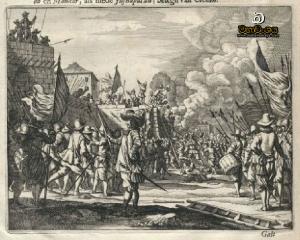
Willem Jacobszoon Coster
1640 AC-1640 AC
Jan Thyszoon Payart
1640 AC-1646 AC
After the first King Kashyapa, the Moggallana Prince, Thame, ascended the throne (495–513 CE). Since he was the first to hold this position, he is recognized as the first Moggallana, or Mugalan. In the Puwarasankulama inscription, his name is mentioned as “Mosalana.” After Prince Kashyapa killed King Dhatusena, the Mugalan Prince could not remain in Lanka. We know that he fled to India.
There are no sources specifying which region of India the Mugalan Prince went to or the circumstances of his stay there. According to the Mahavamsa, the Mugalan Prince visited Dambadiva along with a person named Silakala Bōmad. From this, we get some insight into the region of Dambadiva where they stayed. During his time there, the Mahavamsa records only two events regarding him: his flight to Dambadiva and his return eighteen years later.
Generally, after the Sangam era in India, historians note an obscure period of roughly three centuries in South Indian history. History resurfaces again around the sixth century. This obscure period is sometimes referred to as the Kalabharaja period. Information about the rulers of this period is largely absent from sources. During this time, the Pallavas, Pandiyas, and Badami Chalukyas were engaged in struggles to establish three empires. The Mugalan Prince’s journey to India took place during this era. There is no record of any support or friendship extended to him by any ruler there.
Eighteen years later, under the auspices of the Nigantas, the Mugalan Prince returned from Dambadiva with twelve chief officers. The Mahavamsa notes that he did not bring a large army, suggesting that India at the time did not provide him with a sufficient base to assemble a formidable force.
Upon landing, the Mahavamsa does not record the specific port he used, but it mentions that the prince arrived at the Kuthari Vihara, which was located in the Ambatthakola region. This area is associated with the Ruwanwelisaya stupa built during King Dutugemunu’s reign. The royal precinct of this region is today identified as the Ridivihara in Kurunegala, near Wadu Wili Hathpattu. This indicates that Ambatthakola was a region connected to Malaya Rata (the central/northwestern region of the country). The exact location of the Kuthari (or Keteri/Porō) Vihara has not been identified. The Mugalan Prince appears to have organized his army using this Vihara as a center. Ambatthakola was strategically important for preparing a military against the Dravidian invaders of Walagamba’s time.
Because of King Kashyapa’s cruel actions, it is not surprising that the monks of the area did not hold him in esteem. During the organization of the army, the support of the monks of this region was likely extended to the Mugalan Prince.
King Kashyapa became aware of the Mugalan Prince’s arrival. "He came forward with an army in wrath to confront me, yet the outcome could not be in my favor," it is said. The Mahavamsa states that the Mugalan Prince advanced with the support of valiant warriors to a fierce battle. Like the waves of the breaking sea, the great war commenced. Although the Mahavamsa limits the description, the depiction resembles the battles of the five Pandavas in the Mahabharata.
Verses:
A large battlefield lay before King Kashyapa. He directed troops to the other side to join the combat. His fate, accordingly, turned against him. The army that was thought to have fled broke and scattered. The Mugalan Prince’s army confronted the enemy. Kashyapa saw that defeat was imminent, uttered a final cry, and died by his own hand. The battle concluded with the victory of Prince Thame, the Mugalan Prince.
The victorious Mugalan Prince first ordered the cremation of King Kashyapa’s body according to the customary rites. Scholar Senarat Paranavithana believes that the cremation ground corresponds to the site of the confirmed Dagoba at Pidurangala Vihara. Since the battle occurred near this site, it is likely that the battle took place north of Sigiriya. This suggests that the Mugalan Prince approached Sigiriya from the north strategically. However, after the victory, he apparently chose not to reside in Sigiriya. He took all wealth and moved to the capital, which the Mahavamsa refers to as the “Uthum Nagara” — implying Anuradhapura.
Upon learning of the Mugalan Prince’s arrival, the monks of the Viharas welcomed him with proper ceremonial respect. The prince entered the Mahamevuna as if acknowledged by the gods. With the army held at a distance, he first paid homage to the Maha Sangha. The Sangha then presented it to the king, signifying that the kingdom was offered to the Sangha. This was a traditional practice followed by some kings. The location where he performed the homage is called Jattawaddi. The Mahavamsa notes that this ceremony showed that the king acted according to the instructions of the Buddha and demonstrated humility before the Sangha. The prince later visited Abhayagiriya and Jetavana Viharas before his royal coronation.
Afterward, the Mugalan Prince executed thousands of ministers who had sided with King Kashyapa. Some had their ears and noses cut off, and some were made to pay fines. This earned him the epithet “Rakshasa” (demon). Having calmed his anger under the guidance of the Maha Sangha, the king then undertook many works for the welfare of the country.
When King Dhatusena passed away, the royal chariot driver hesitated to serve the king fully. Dhatusena had instructed that this attendant should be appointed to the position of Dwaranayaka (chief gatekeeper) after his death, giving him a hand span as a token. After becoming king, the Mugalan Prince honored this appointment.
The Mugalan King undertook numerous administrative tasks. He needed to stabilize the kingdom, appoint virtuous replacements for the executed ministers, and organize administration efficiently. After establishing proper governance, he followed the previous customary rituals. He built two Viharas at Sigiriya named Dahā and Dathākondañña, which were offered to the monks. The Pabbata Vihara was established for the Maha Nāma Theravans under the guidance of Diksandha.
Additionally, according to Rajaratnakara, he built a three-story Sanghika building with a surrounding Dagoba at Attanagalla, which had five floors initially. Migara Seneviya supervised the construction as he wished. He restored Anuradhapura, previously neglected by King Kashyapa, to its proper state. Monasteries supported by the people, including Abhayagiriya and Jetavana, were restored with the king’s patronage.
During his reign, a notable event occurred: a man named Silakala brought relics of the Buddha (Keshadhatu) from Dambadiva to Lanka. The Mahavamsa states that this is described in the Keshadhatu Vamsa, but the text is no longer extant. During King Kashyapa’s reign, a local named Lambakarna Daṭṭhapabhūti settled in Meraliyawage. Silakala, his son, accompanied the Mugalan Prince to Dambadiva and offered worship at the Bōmed Vihara. The monks there honored him as Ambasa Manner. After ascending the throne, the Mugalan Prince received the Keshadhatu from Silakala, enshrining it in a special structure called Mahangip Kareduwa and performed worship. The king entrusted Silakala with wealth, servants, and other valuables.
Dhatusena had one daughter, who was entrusted to Seneviya. After the conflict, she may have joined the Mugalan Prince in Dambadiva or remained in hiding. According to the Mahavamsa, she was initially the princess who accompanied him.
Silakala was also given the office of Asiggahaka, mentioned for the first time in chronicles at this point. The term means “sword-bearer” and likely refers to a royal office. The Asiggahaka may have served as a chief royal guard when several people held the title. In Sinhala texts, it is sometimes referred to as Sigana.
During the Mugalan King’s reign, he was attentive to foreign invasions, maintaining coastal security. Despite the opportunity arising from conflicts between the Pandya, Pallava, and Chalukya states in southern India, no invasions occurred. Apart from earlier minor conflicts, the reign of the Mugalan King was peaceful, and economic development flourished. He ruled for eighteen years.