89
King Aggabodhi I
Kingdom of Anuradhapura
575 AC - 608 AC
575 AC - 608 AC

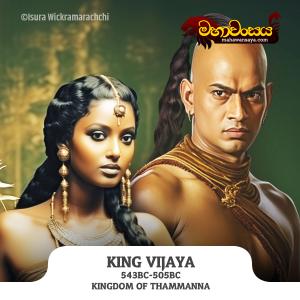
King Vijaya
543 BC-505 BC
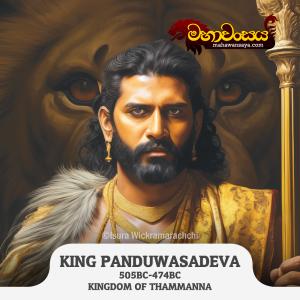
King Panduvasdeva
504 BC-474 BC
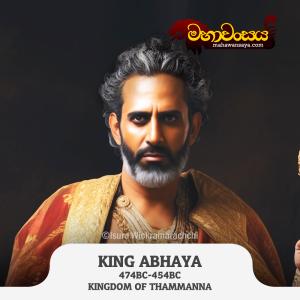
King Abhaya
474 BC-454 BC
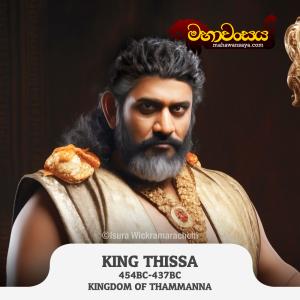
King Tissa
454 BC-437 BC
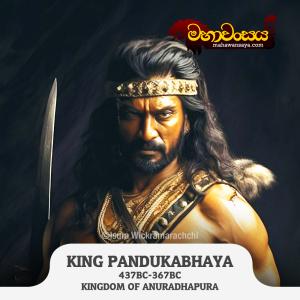
King Pandukabhaya
437 BC-367 BC
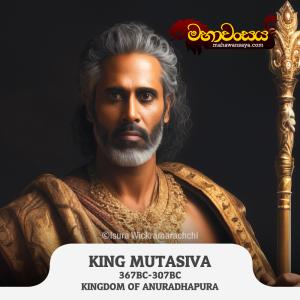
King Mutasiva
367 BC-307 BC
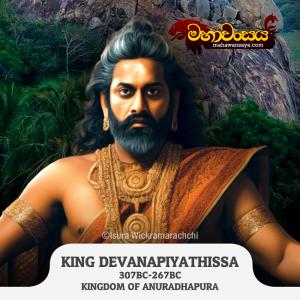
King Devanampiya Tissa
307 BC-267 BC
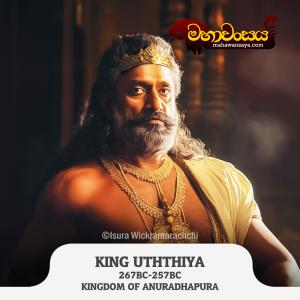
King Uttiya
267 BC-257 BC
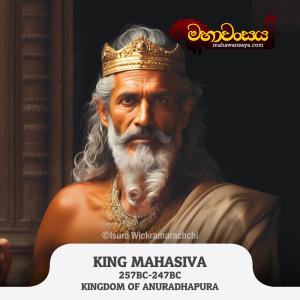
King Mahasiva
257 BC-247 BC
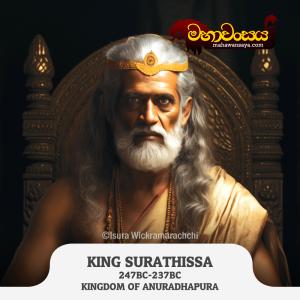
King Suratissa
247 BC-237 BC
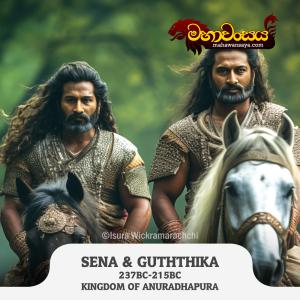
Sena and Guttika
237 BC-215 BC
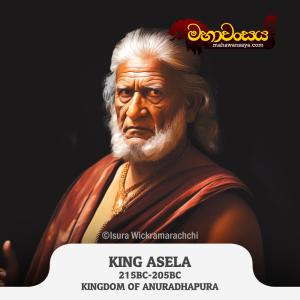
King Asela
215 BC-205 BC
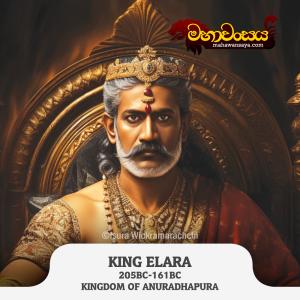
King Elara
205 BC-161 BC
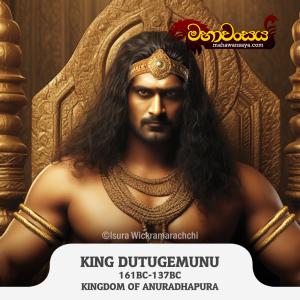
King Dutugemunu
161 BC-137 BC
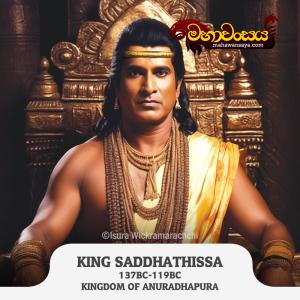
King Saddha Tissa
137 BC-119 BC
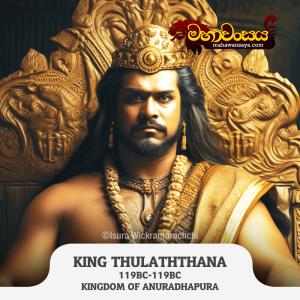
King Thulatthana
119 BC-119 BC
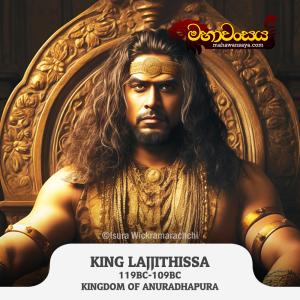
King Lajjithissa
119 BC-109 BC
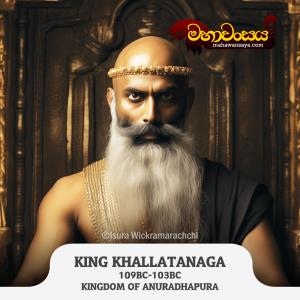
King Khallata Naga
109 BC-103 BC
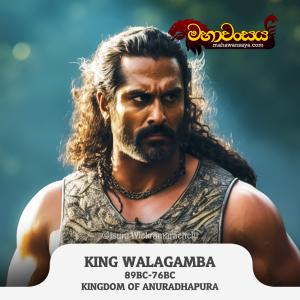
King Walagamba
89 BC-76 BC
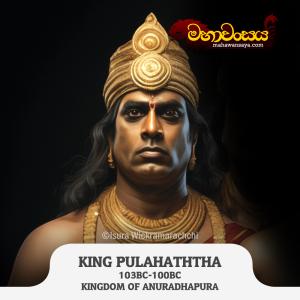
King Pulahaththa
103 BC-100 BC
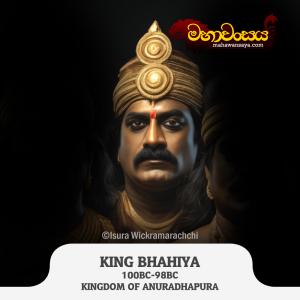
King Bhahiya
100 BC-98 BC
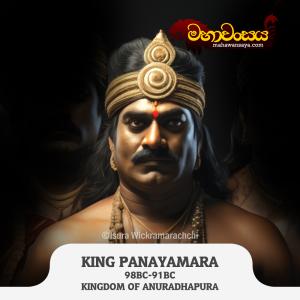
King Panayamara
98 BC-91 BC
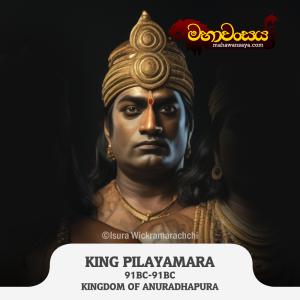
King Piliyamara
91 BC-91 BC
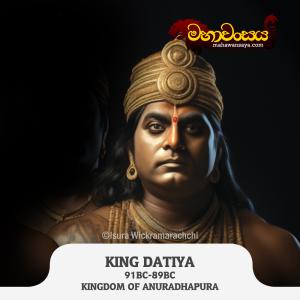
King Dathiya
91 BC-89 BC
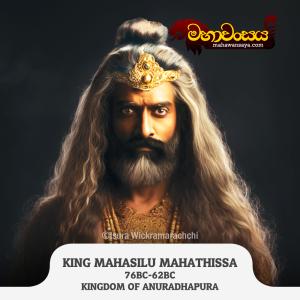
King Mahachulikamahathissa
76 BC-62 BC
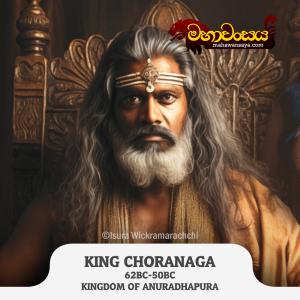
King Choranaga
62 BC-50 BC
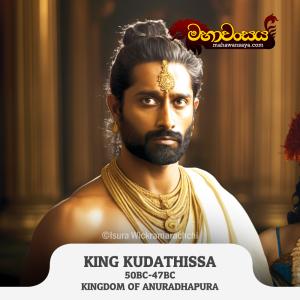
King Kuda Thissa
50 BC-47 BC
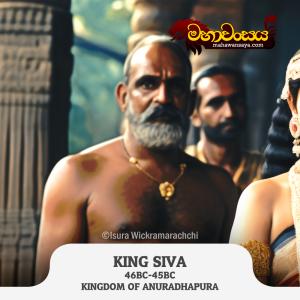
King Siva I
47 BC-45 BC
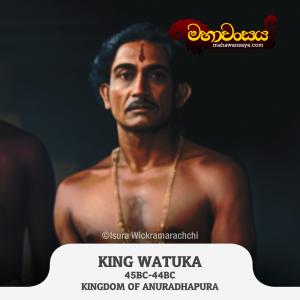
King Vatuka
45 BC-44 BC
King Darubhatika Tissa
44 BC-43 BC
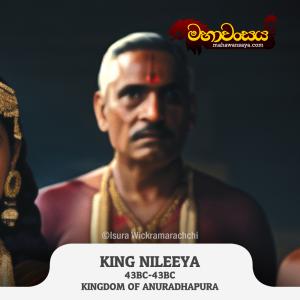
King Neeliya
43 BC-43 BC
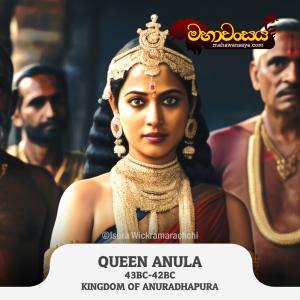
Queen Anula
43 BC-42 BC
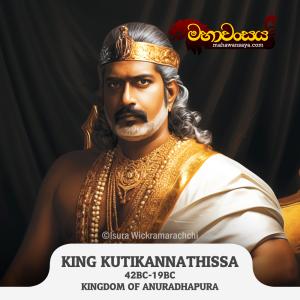
King Kutikanna Tissa
42 BC-19 BC
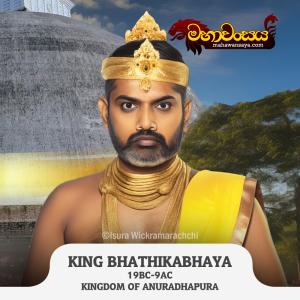
King Bhathikabhaya
19 BC-9 AC
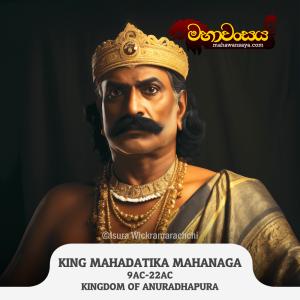
King Mahadatika Mahanaga
9 AC-22 AC
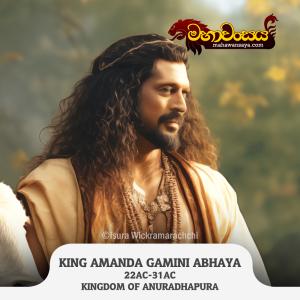
King Amandagamani Abhaya
22 AC-31 AC
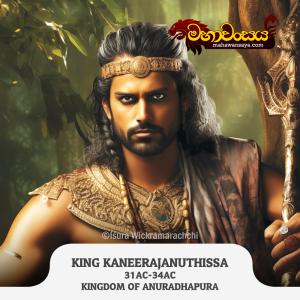
King Kanirajanu Tissa
31 AC-34 AC
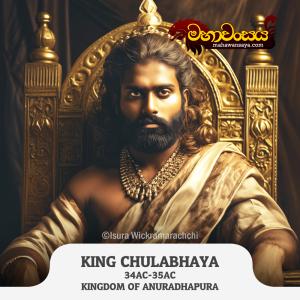
King Chulabhaya
34 AC-35 AC
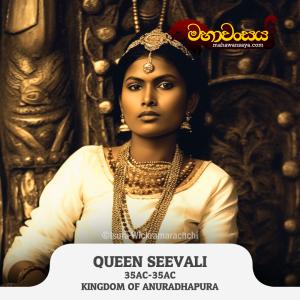
Queen Seevali
35 AC-35 AC
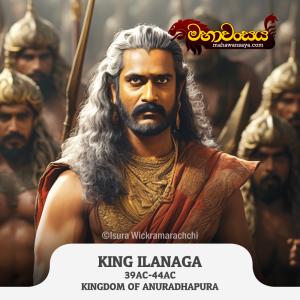
King Ilanaga
39 AC-44 AC
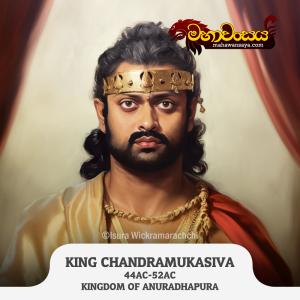
King Chandra Mukha Siva
44 AC-52 AC
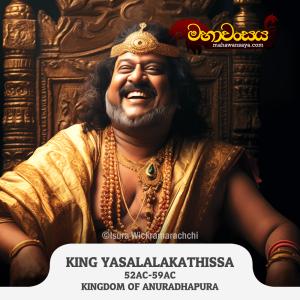
King Yassalalaka Thissa
52 AC-59 AC
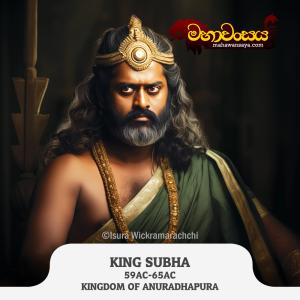
King Subha
59 AC-65 AC
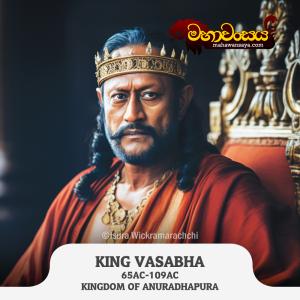
King Vasabha
65 AC-109 AC
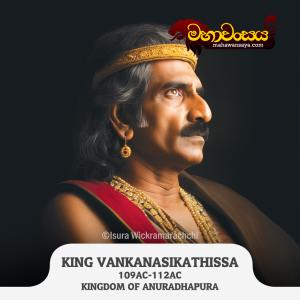
King Vankanasika Tissa
109 AC-112 AC
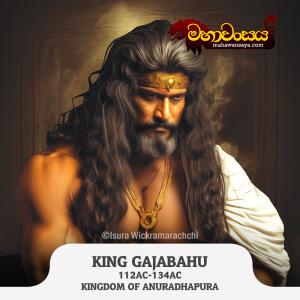
King Gajabahu I
112 AC-134 AC
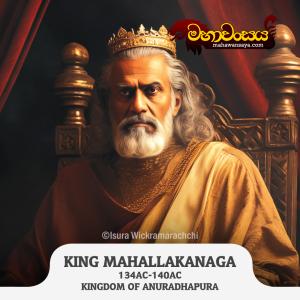
King Mahallaka Naga
134 AC-140 AC
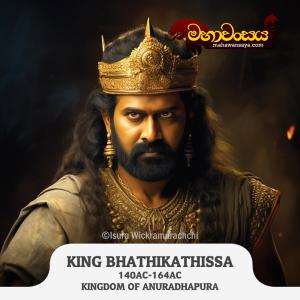
King Bhathika Thissa
140 AC-164 AC
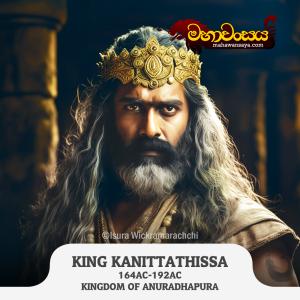
King Kanitta Tissa
164 AC-192 AC
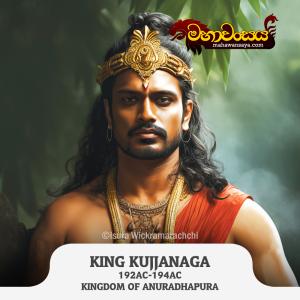
King Kujjanaga
192 AC-194 AC
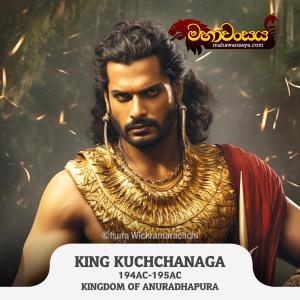
King Kudda Naga
194 AC-195 AC
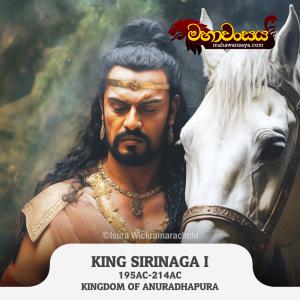
King Sirinaga I
195 AC-214 AC
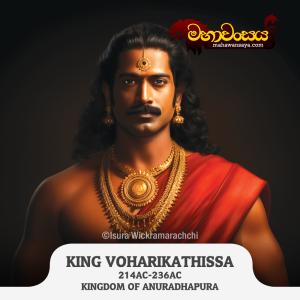
King Voharika Tissa
214 AC-236 AC
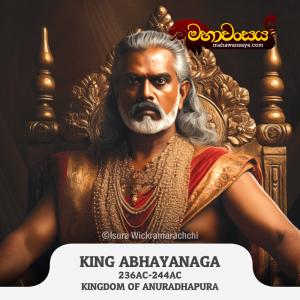
King Abhaya Naga
236 AC-244 AC
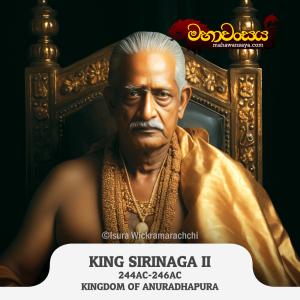
King Sirinaga II
244 AC-246 AC
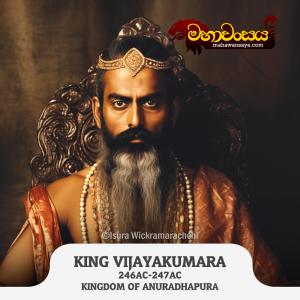
King Vijaya Kumara
246 AC-247 AC
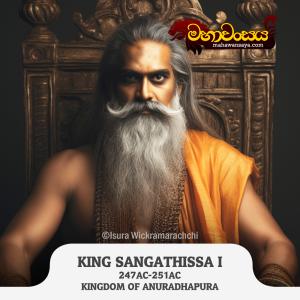
King Sangha Tissa I
247 AC-251 AC
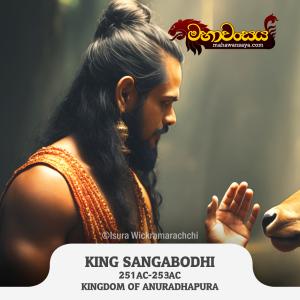
King Siri Sangha Bodhi I
251 AC-253 AC
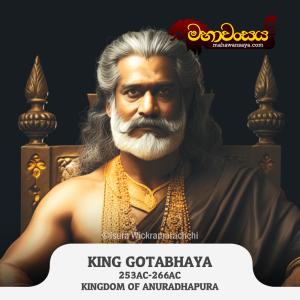
King Gotabhaya
253 AC-266 AC
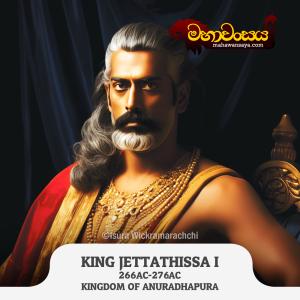
King Jetta Tissa I
266 AC-276 AC
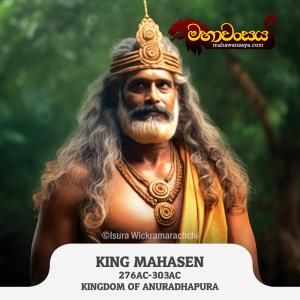
King Mahasen
276 AC-303 AC
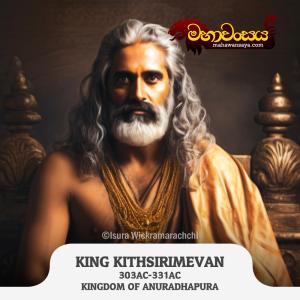
King Kithsirimewan
303 AC-331 AC
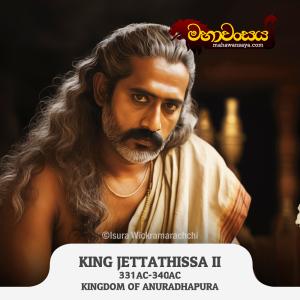
King Jetta Tissa II
331 AC-340 AC
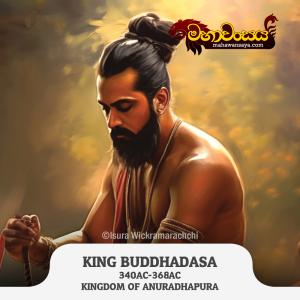
King Buddhadasa
340 AC-368 AC
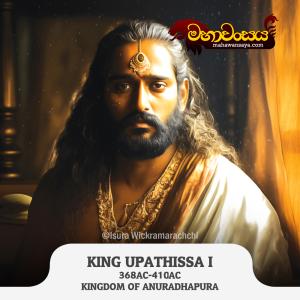
King Upatissa I
368 AC-410 AC
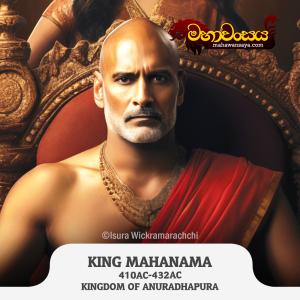
King Mahanama
410 AC-432 AC
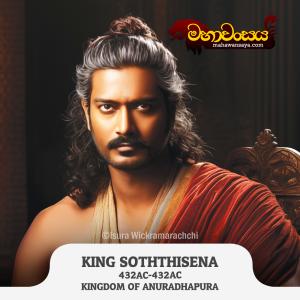
King Soththisena
432 AC-432 AC
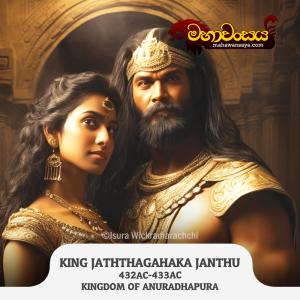
King Jaththagahaka Janthu
432 AC-433 AC
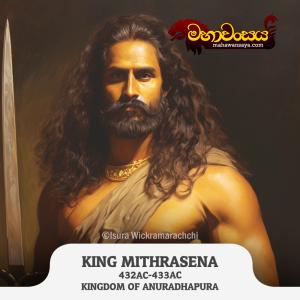
King Miththasena
432 AC-433 AC
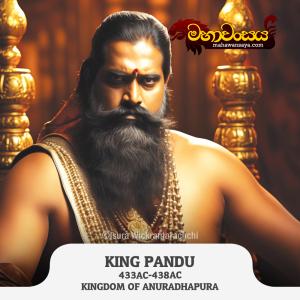
King Pandu
433 AC-438 AC
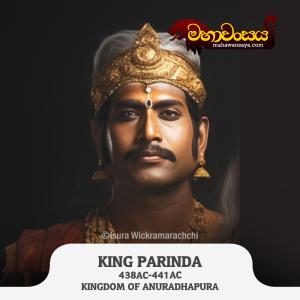
King Parinda
438 AC-441 AC
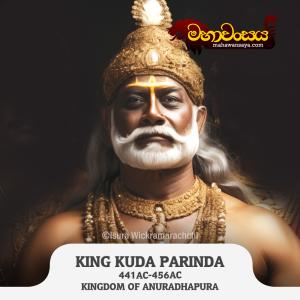
King Kuda Parinda
441 AC-456 AC
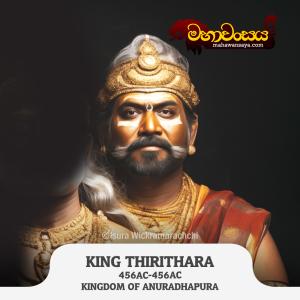
King Thirithara
456 AC-456 AC
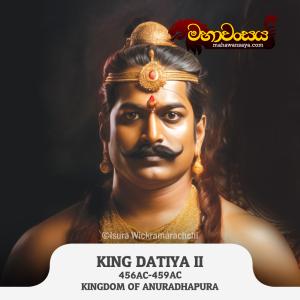
King Datiya II
456 AC-459 AC
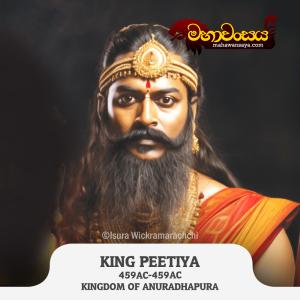
King Peetiya
459 AC-459 AC
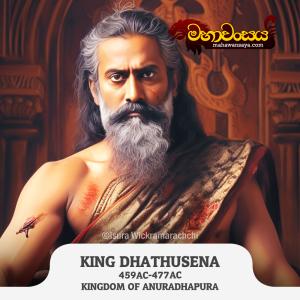
King Dhathusena
459 AC-477 AC
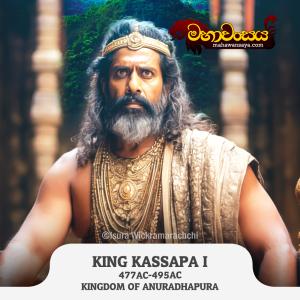
King Kassapa I
477 AC-495 AC
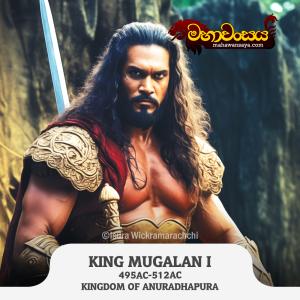
King Mugalan I
495 AC-512 AC
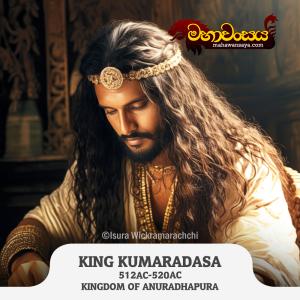
King Kumaradasa
512 AC-520 AC
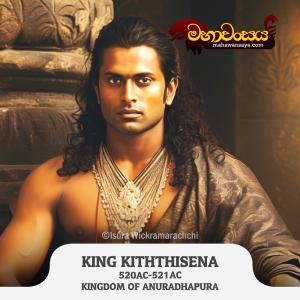
King Kiththisena
520 AC-521 AC
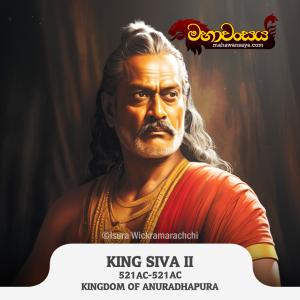
King Siva II
521 AC-521 AC
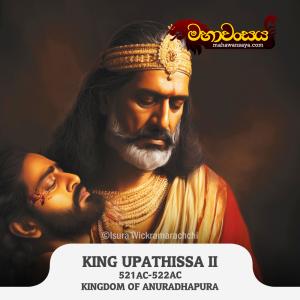
King Upatissa II
521 AC-522 AC
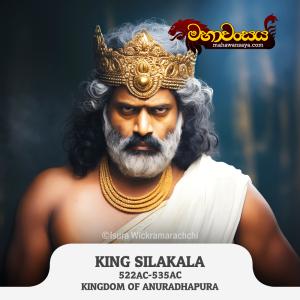
King Silakala
522 AC-535 AC
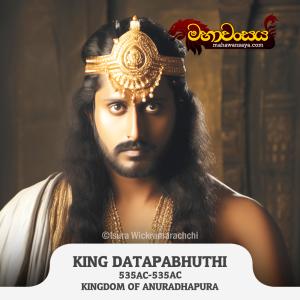
King Datappabhuthi
535 AC-535 AC
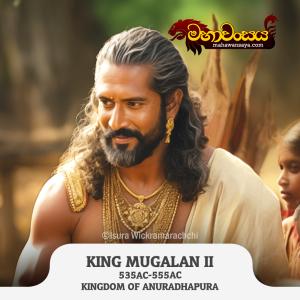
King Mugalan II
535 AC-555 AC
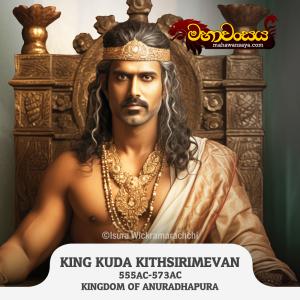
King Kiththisirimegha
555 AC-573 AC
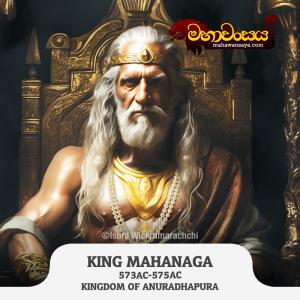
King Mahanaga
573 AC-575 AC
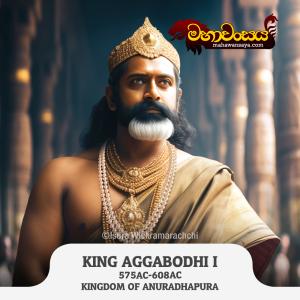
King Aggabodhi I
575 AC-608 AC
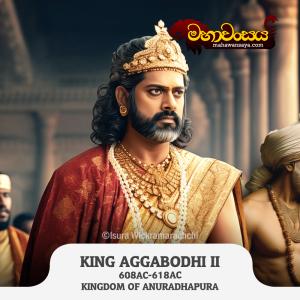
King Aggabodhi II
608 AC-618 AC
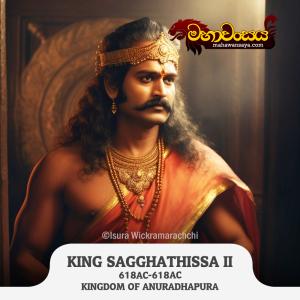
King Sangha Tissa II
618 AC-618 AC
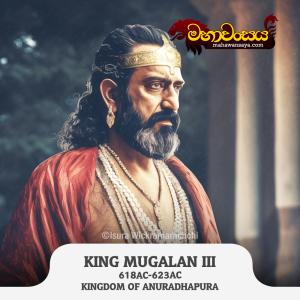
King Mugalan III
618 AC-623 AC
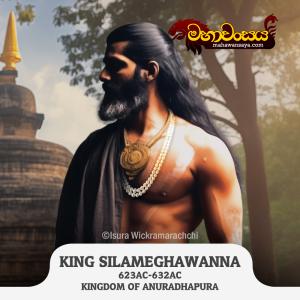
King Silameghavanna
623 AC-632 AC
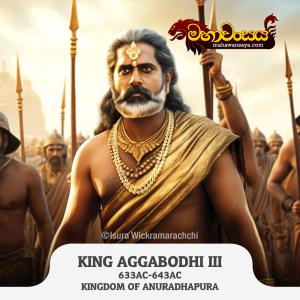
King Aggabodhi III
633 AC-643 AC
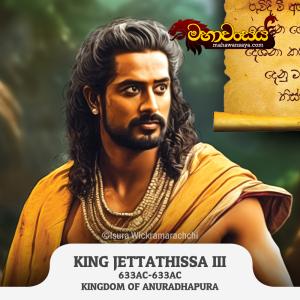
King Jetta Tissa III
633 AC-633 AC
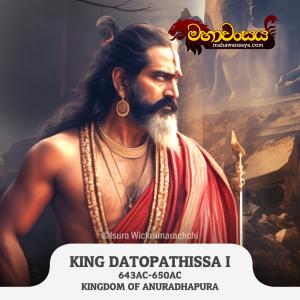
King Datopathissa i
643 AC-650 AC
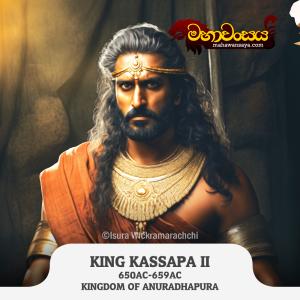
King Kassapa II
650 AC-659 AC
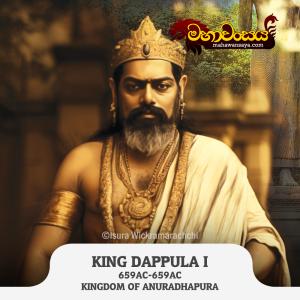
King Dappula I
659 AC-659 AC
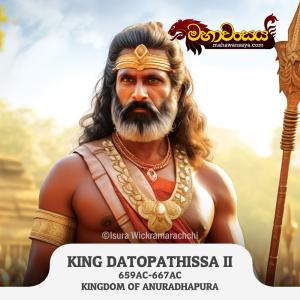
King Datopathissa II
659 AC-667 AC
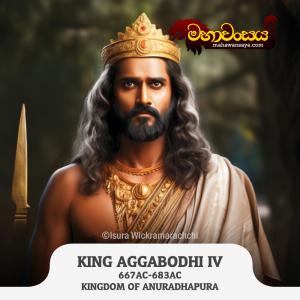
King Aggabodhi IV
667 AC-683 AC
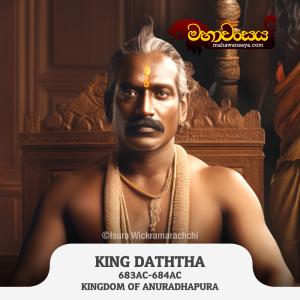
King Daththa
683 AC-684 AC
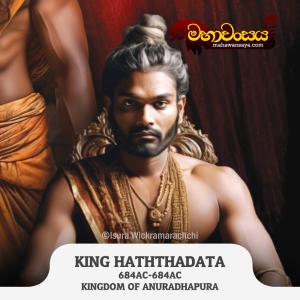
King Haththadata
684 AC-684 AC
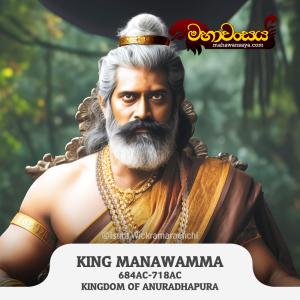
King Manavamma
684 AC-718 AC
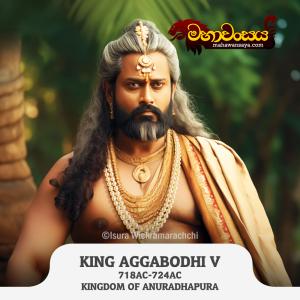
King Aggabodhi V
718 AC-724 AC
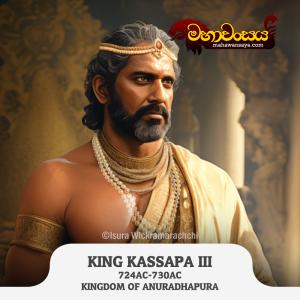
King Kassapa III
724 AC-730 AC
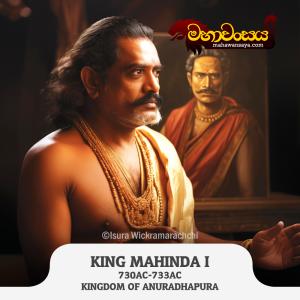
King Mahinda I
730 AC-733 AC
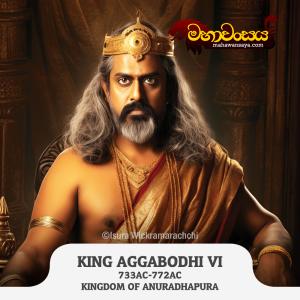
King Aggabodhi VI
733 AC-772 AC
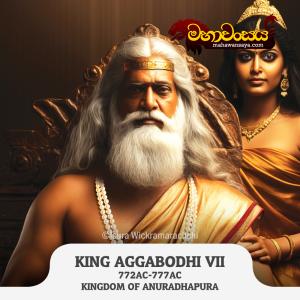
King Aggabodhi VII
772 AC-777 AC
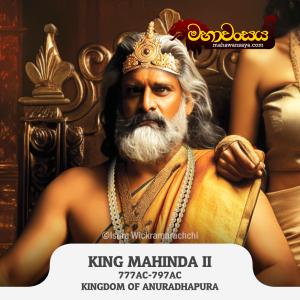
King Mahinda II
777 AC-797 AC
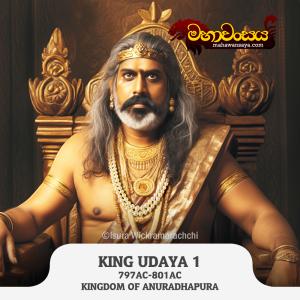
King Udaya I
797 AC-801 AC
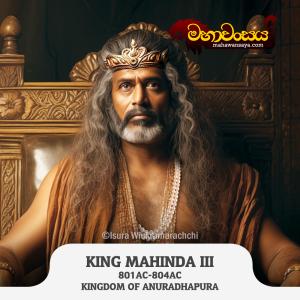
King Mahinda III
801 AC-804 AC
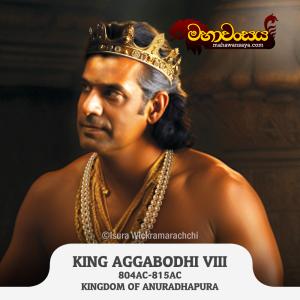
King Aggabodhi VIII
804 AC-815 AC
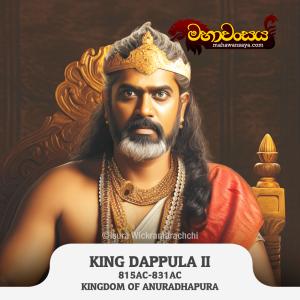
King Dappula II
815 AC-831 AC
King Aggabodhi IX
831 AC-833 AC
King Sena I
833 AC-853 AC
King Sena II
853 AC-887 AC
King Udaya II
887 AC-898 AC
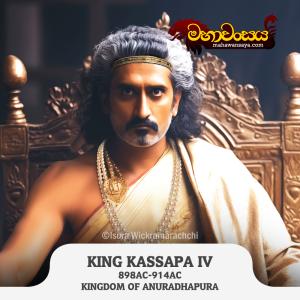
King Kassapa IV
898 AC-914 AC
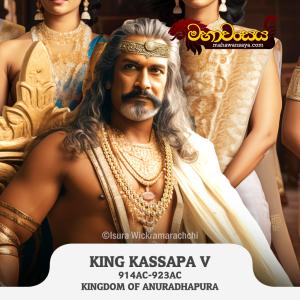
King Kassapa V
914 AC-923 AC
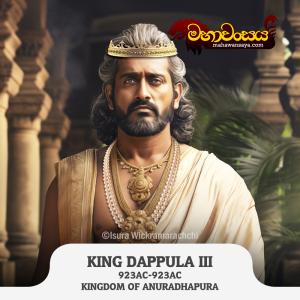
King Dappula III
923 AC-923 AC
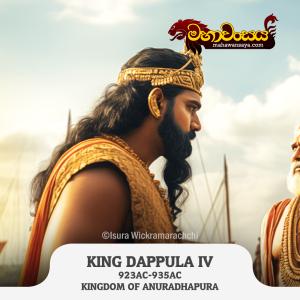
King Dappula IV
923 AC-935 AC
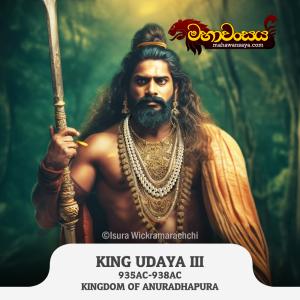
King Udaya III
935 AC-938 AC
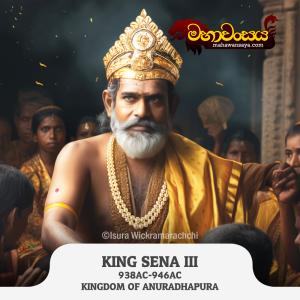
King Sena III
938 AC-946 AC
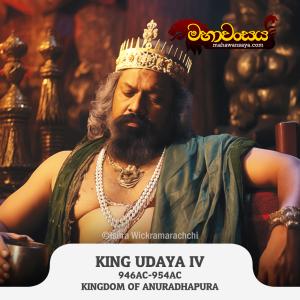
King Udaya IV
946 AC-954 AC
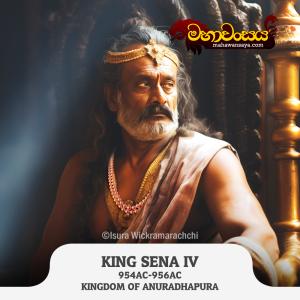
King Sena IV
954 AC-956 AC
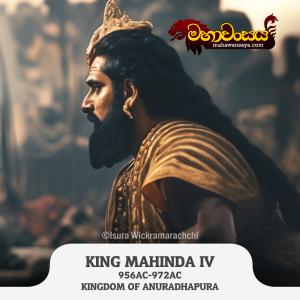
King Mahinda IV
956 AC-972 AC
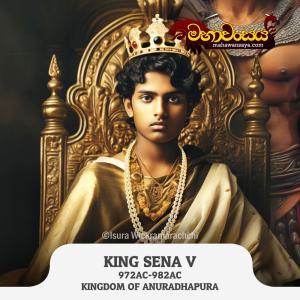
King Sena V
972 AC-982 AC
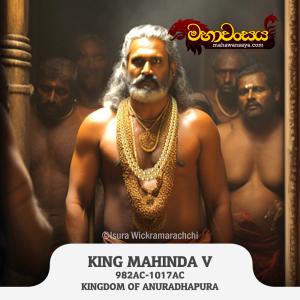
King Mahinda V
982 AC-1017 AC
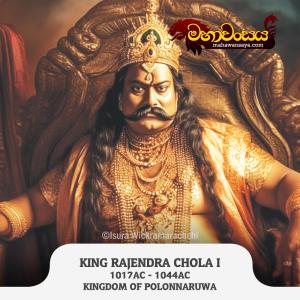
Rajendra Chola I
1017 AC-1044 AC
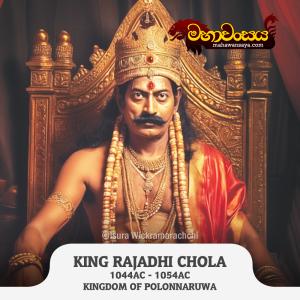
Rajadhiraja Chola
1044 AC-1054 AC
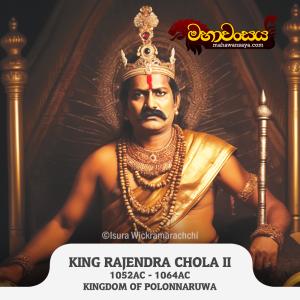
Rajendra Chola II
1052 AC-1064 AC
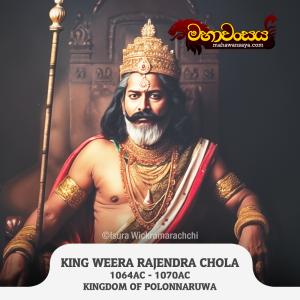
Virarajendra Chola
1064 AC-1070 AC
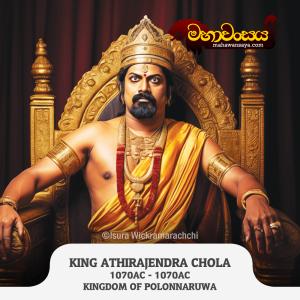
Athirajendra Chola
1070 AC-1070 AC
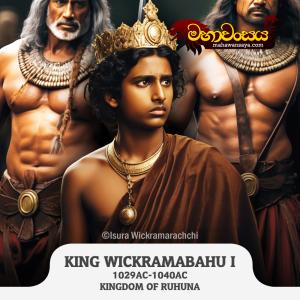
King Wickramabahu I
1029 AC-1040 AC
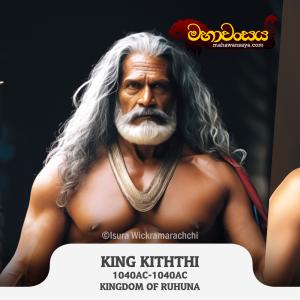
King General Keerthi
1040 AC-1040 AC
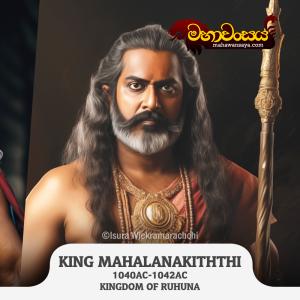
King Mahalana Kiththi
1040 AC-1042 AC
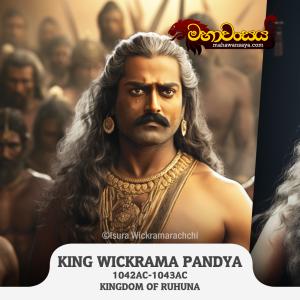
King Wickrama Pandu
1042 AC-1043 AC
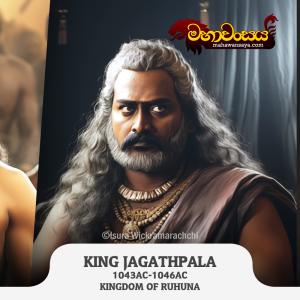
King Jagathpala
1043 AC-1046 AC
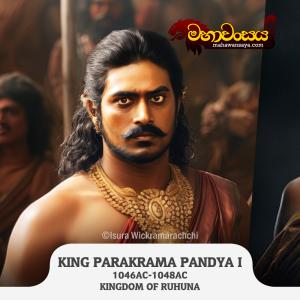
King Parakrama Pandu
1046 AC-1048 AC
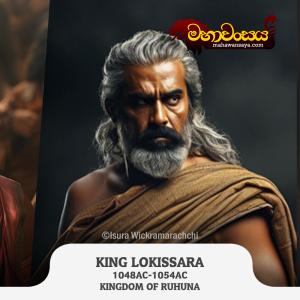
King Lokissara
1048 AC-1054 AC
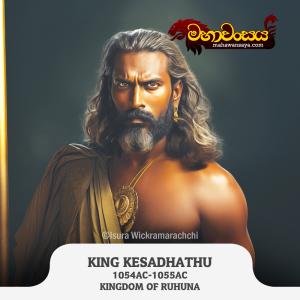
King Kesadhathu
1054 AC-1055 AC
King Vijayabahu I
1055 AC-1110 AC
King Jayabahu I
1110 AC-1111 AC
King Wickramabahu II
1111 AC-1132 AC
King Gajabahu II
1032 AC-1053 AC
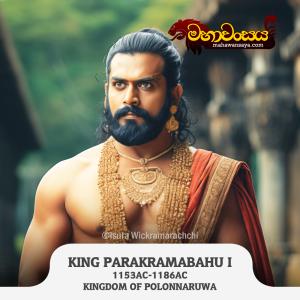
King Parakramabahu I
1053 AC-1086 AC
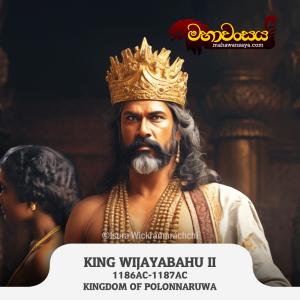
King Vijayabahu II
1186 AC-1187 AC
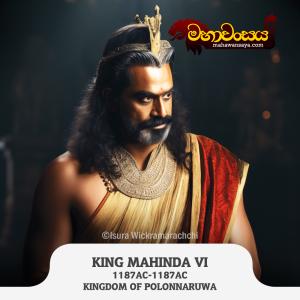
King Mahinda VI
1187 AC-1187 AC
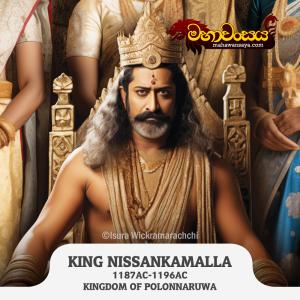
King Nissanka Malla
1187 AC-1196 AC
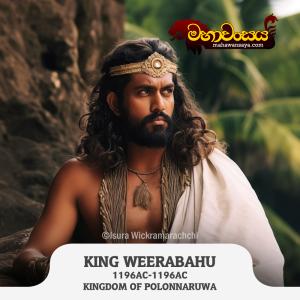
King Weerabahu I
1196 AC-1196 AC
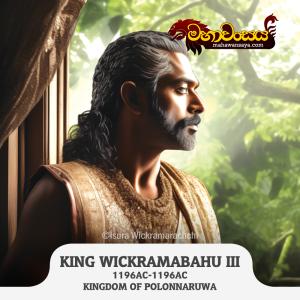
King Wickramabahu III
1196 AC-1196 AC
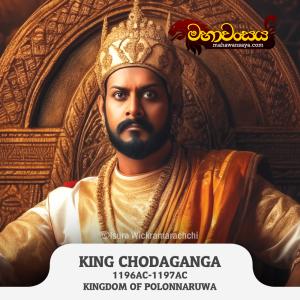
King Chodaganga
1196 AC-1197 AC
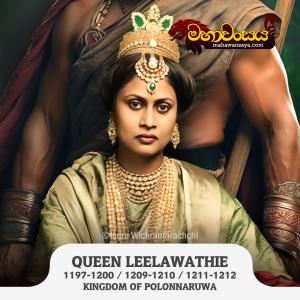
Queen Leelawathie
1197 AC-1200 AC
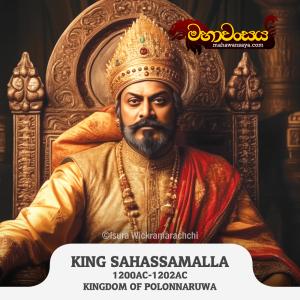
King Sahasamalla
1200 AC-1202 AC
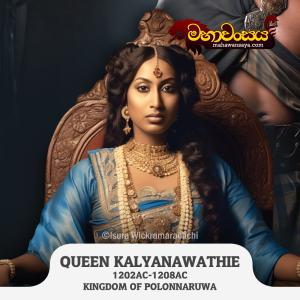
Queen Kalyanawathie
1202 AC-1208 AC
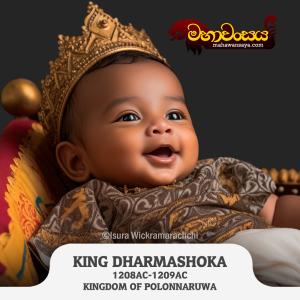
King Dharmasoka
1208 AC-1209 AC
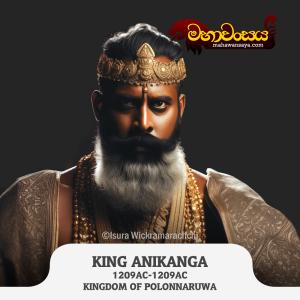
King Anikanga
1209 AC-1209 AC
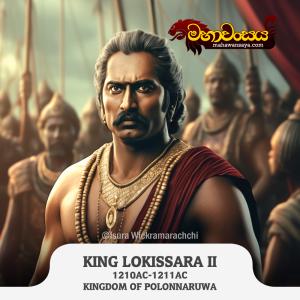
King Lokissara ii
1210 AC-1211 AC
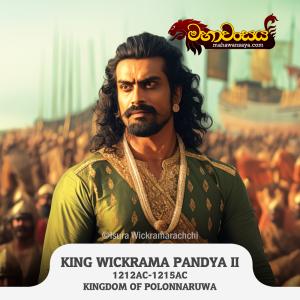
King Parakrama Pandu II
1212 AC-1215 AC
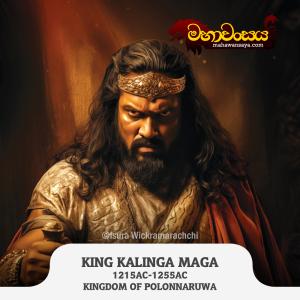
King Kalinga Magha
1215 AC-1255 AC
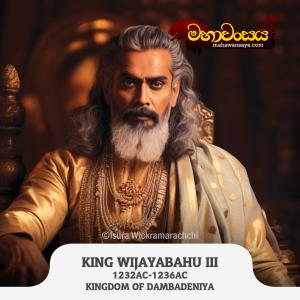
King Vijayabahu III
1232 AC-1236 AC
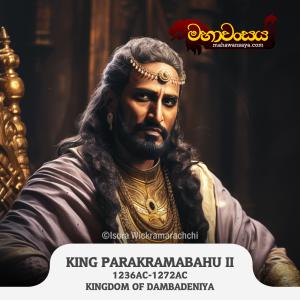
King Parakramabahu II
1236 AC-1272 AC
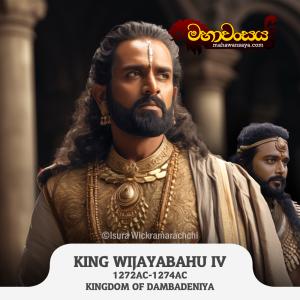
King Vijayabahu IV
1272 AC-1274 AC
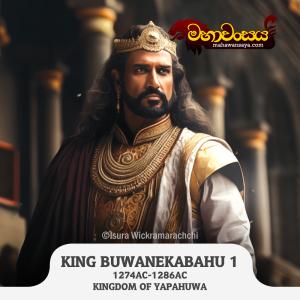
King Buvanekabahu I
1274 AC-1286 AC
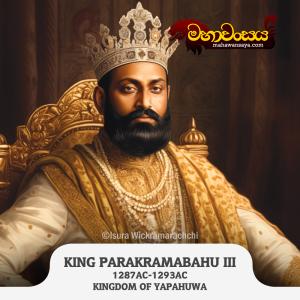
King Parakramabahu III
1287 AC-1293 AC
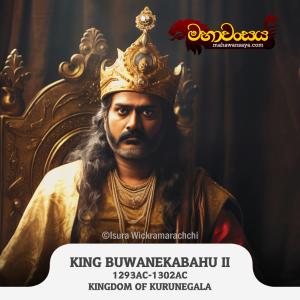
King Buvanekabahu II
1293 AC-1302 AC
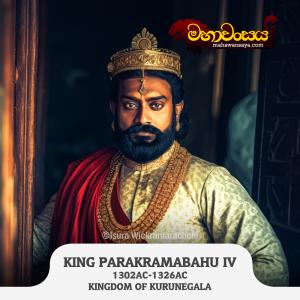
King Parakramabahu IV
1302 AC-1326 AC
-208.jpg)
King Buvanekabahu III (Vanni B
1326 AC-1335 AC
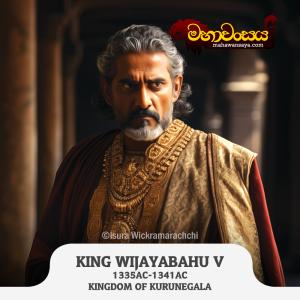
King Vijayabahu V
1335 AC-1341 AC
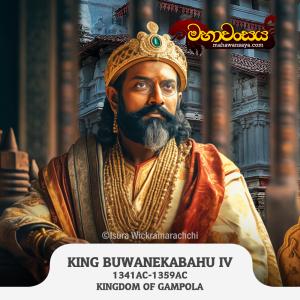
King Buvanekabahu IV
1341 AC-1359 AC
King Parakramabahu V
1344 AC-1359 AC
King Wickramabahu IV
1359 AC-1371 AC
King Buvanekabahu V
1371 AC-1407 AC
-544.jpg)
King Kumara Alakeshwara (Alake
1391 AC-1391 AC
King Weera Alakesvara
1397 AC-1411 AC
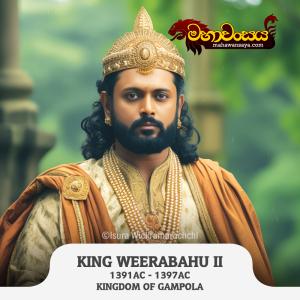
King Weerabahu II
1391 AC-1397 AC
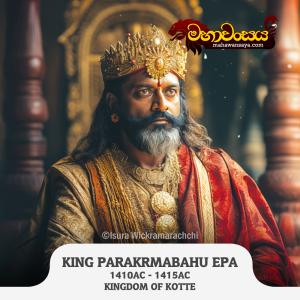
King Parakramabahu Epa
1410 AC-1415 AC
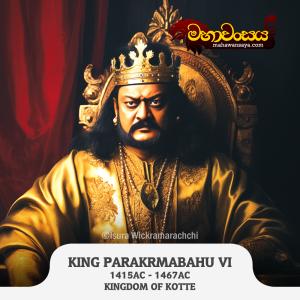
King Parakramabahu VI
1415 AC-1467 AC
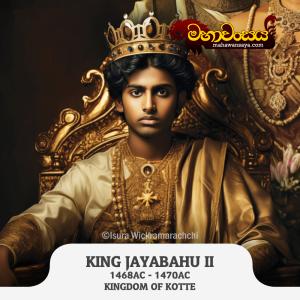
King Jayabahu II
1468 AC-1470 AC
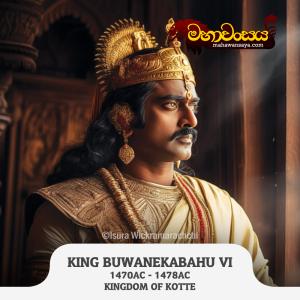
King Buvanekabahu VI
1470 AC-1478 AC
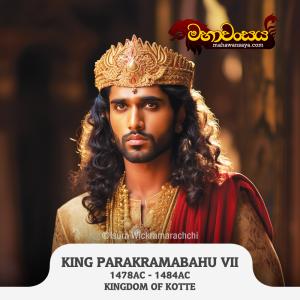
King Panditha Parakramabahu VI
1478 AC-1484 AC
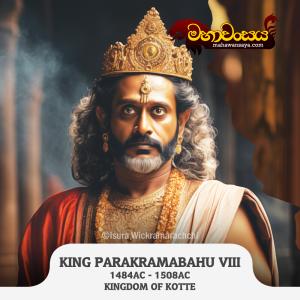
King Weera Parakramabahu VIII
1484 AC-1508 AC
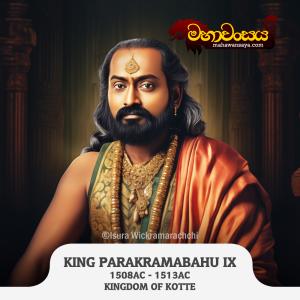
King Darma Parakramabahu IX
1508 AC-1513 AC
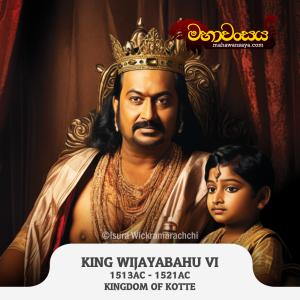
King Vijayabahu VI
1513 AC-1521 AC
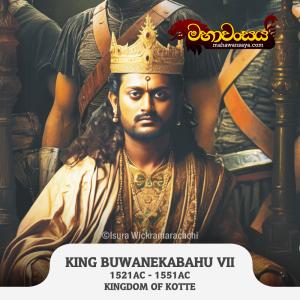
King Buvanekabahu VII
1521 AC-1551 AC
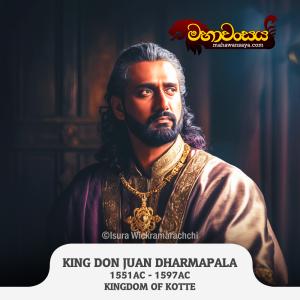
King Don Juwan Dharmapala
1551 AC-1597 AC
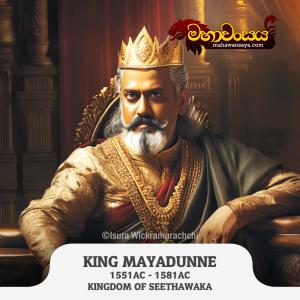
King Mayadunne
1551 AC-1581 AC
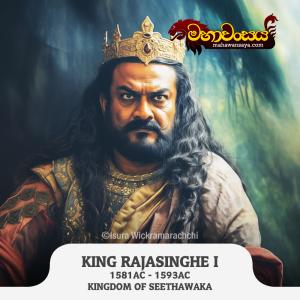
King Rajasinha I
1581 AC-1593 AC
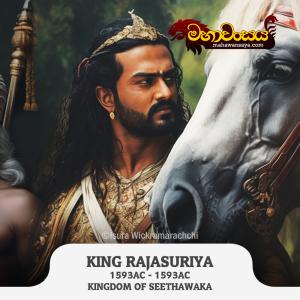
King Rajasooriya
1593 AC-1593 AC
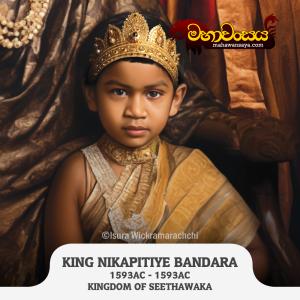
King Nikapitiye Bandara
1593 AC-1593 AC
King Wimaladharmasuriya I
1591 AC-1604 AC
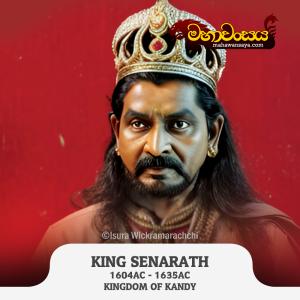
King Senarat
1604 AC-1635 AC
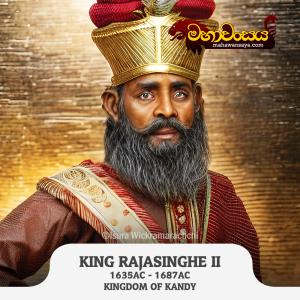
King Rajasinha II
1635 AC-1687 AC
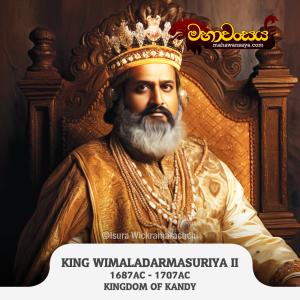
King Wimaladharmasuriya II
1687 AC-1707 AC
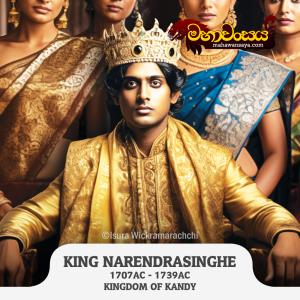
King Sri Weera Parakrama Naren
1707 AC-1739 AC
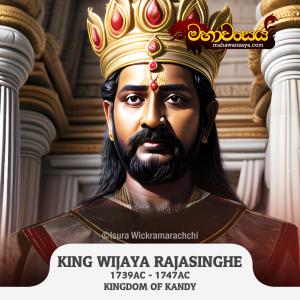
King Sri Wijaya Rajasingha
1739 AC-1747 AC
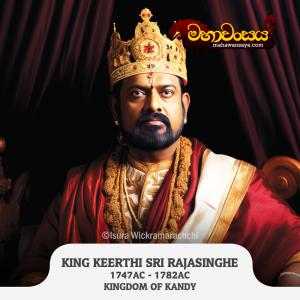
King Keerthi Sri Rajasingha
1747 AC-1782 AC
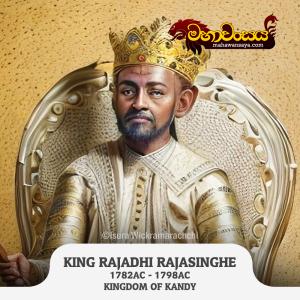
King Rajadhi Rajasinha
1782 AC-1798 AC
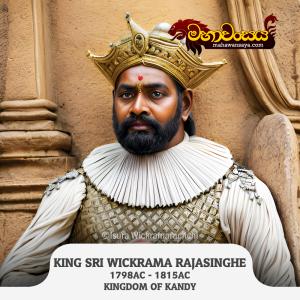
King Sri Wikrama Rajasinha
1798 AC-1815 AC

Pedro Lopes de Sousa
1594 AC-1594 AC
Joao da Silveira
1518 AC-1518 AC
Lopo de Brito
1518 AC-1522 AC
Fernao Gomes de Lemos
1522 AC-1524 AC
Joao Henriques
1551 AC-1552 AC
Diogo de Melo Coutinho
1552 AC-1552 AC
Duarte de Eca
1552 AC-1553 AC
Fernao Carvalho
1553 AC-1555 AC
Willem Jacobszoon Coster
1640 AC-1640 AC
Jan Thyszoon Payart
1640 AC-1646 AC
After the brief reign of King Mahanaga, the throne was succeeded by his nephew, Prince Aggabodhi. As he was the first ruler to bear this name, he is regarded as King Aggabodhi the First. In Sinhala records, he is referred to as Agbo Raja.
This king cannot have been the same Prince Abo, who served as King Mahanaga’s sub-king, because Aggabodhi was the son of King Bhayaseeva, making him the nephew (bhagineyya) of Mahanaga. The Mahavamsa uses that very term — bhagineyyo — to describe the relationship. In some manuscripts, however, the word matuleyyo (“uncle’s son”) appears, though that is likely a scribal error.
According to the Mahavamsa, King Mahanaga, ruling from Ruhuna, sent a messenger to his nephew (Abo) in Anuradhapura, requesting that he come there. The prince, having seen inauspicious omens on his journey, turned back and soon after died — as noted in an earlier account. Therefore, it may be inferred that the term bhagineyyo (“nephew”) used in the chronicle refers in fact to this Prince Aggabodhi. If not, it must be either a textual error or a confusion of names.
The Mahavamsa states further that King Mahanaga appointed the son of his uncle as Sub-King, and that this prince too was named Aggabodhi. Thus, it is evident that the same Prince Aggabodhi who had been sub-king ascended the throne after King Mahanaga’s death. No source records further details of his lineage, but it is clear that he was the son of Bhayaseeva.
The Mahavamsa contains a distinguished and poetic description of King Aggabodhi I, saying:
“In brilliance he was like the Sun;
In gentleness, like the full Moon;
In firmness, like a great mountain;
In depth, like the mighty ocean;
In stability, like the Earth;
In calmness, like the wind;
In wisdom, like the Teacher of the Gods;
In purity, like the sky;
In pleasure, like the King of Gods;
In wealth, like Kuvera;
In justice, like the sage Vasettha;
In valor, like the Lion King;
In royal virtue, like a Universal Monarch;
And in generosity, like King Vessantara.”
The author of the Mahavamsa guarantees that such a lofty, poetic praise is found for no other ruler in the history of the Sinhala kings. Yet, the historical record reveals no corresponding feats of valor to substantiate these poetic eulogies.
King Mahanaga’s brief three-year reign seems to have provided the foundation upon which Aggabodhi’s rule was built. However, there is evidence that Aggabodhi too had to face certain difficulties during the early part of his reign. The Mahavamsa states that in the first year of his kingship, he carried out a “cleansing of thorns” (kanthaka-shodhana). This clearly indicates that conspiracies against the king were active in various parts of the country.
With the Mauryan dynasty once again in power, the Lambakanna nobles, who had been spread throughout the land, appear to have initially opposed the new king. Nevertheless, Aggabodhi seems to have subdued them with ease.
King Aggabodhi’s first major act was to organize the system of government in a proper and efficient manner. He appointed one of his maternal cousins (mailanu) as Sub-King, his brother as Crown Prince, and other kinsmen to suitable royal positions. His brother-in-law was made King of the Malaya region (the hill country), while his daughter, Princess Datha, was married to a worthy noble. By thus arranging the royal administration and hierarchy, peace and good order appear to have been restored, leading to a prosperous and stable period in the kingdom.
The rulers of Sri Lanka governed in accordance with ancient custom. It was the sacred duty and responsibility of a newly crowned monarch to preserve the peace of the country, to promote its development, and to strengthen the Buddhist Order. Accordingly, King Aggabodhi I first turned his attention to religious affairs.
For guidance in these spiritual matters, he received advice from the Venerable Dathasiva Thera, who appears to have been a most venerable and learned monk. Following his direction, the king built the Giri Vihara and offered to it two dessis (fields) of land. He also constructed and endowed the Ambilapassa, Unnawalli, and Sumanapabbata Viharas. Among the monasteries mentioned in the chronicles, the founding of the Kurunda Vihara is particularly notable. The king donated a coconut grove to this monastery and assigned one hundred attendants for its maintenance.
This monastery can be identified with the present-day Kurundammalai (Kurundu Maha Vihara) in the Mullaitivu District. The king also restored the Lohamahapaya, repaired the sacred Bodhi precincts, and constructed oil wells for the offering of lamps.
He built a great pond at the Abhayagiri Vihara — which may be identified with either the present Kuttam Pokuna or Eth Pokuna — and the Nagasondi Tank at Sigiriya was also his creation. He instituted the annual Mahinda Perahera (procession in honor of Arahant Mahinda) and ordered that an image of Mahinda Thera be built and worshipped at the tank’s boundary.
During this period, a significant religious event occurred. A Thera named Jotipala defeated the Vaitulya heretics in doctrinal debate. During the reign of King Salamevan (Sirisangabo), the heretical Vaitulya sects had revived, emphasizing relics such as Keshadhatu (hair relics) and Dharmadhatu (relics of doctrine). By the time of Aggabodhi’s reign, they had grown strong again, confronting the orthodox Mahavihara monks in debate.
According to the Nikaya Sangraha, Jotipala Thera had come from India (Dambadiva). However, the same text does not state exactly during which king’s reign the debate occurred. After their defeat, one of the heretical leaders, Dathapabhuti, planned to attack Jotipala Thera. Suddenly, his hand became paralyzed, and he was unable to strike. The Mahavamsa says that, impressed by this event, the king became deeply devoted to Jotipala Thera and built for him the Nilageha Monastery. This also shows that certain influential officials at court had been sympathetic to the Vaitulya sect.
The reign of King Aggabodhi I was also an age of great poets. Like the celebrated Navaratna (Nine Gems) in the court of the Indian Emperor Vikramaditya Samudragupta, twelve great poets shone in the royal court of King Aggabodhi I. They composed works of poetry, though these have not survived. The Nikaya Sangraha records their names as follows:
Sakdamala, Asakdamala, Demiya, Babiri, Dalabiso, Prince Anuruddha, Prince Dalagotta, Prince Dalasala, Prince Kitsiri, Prince Puravadu, Suriya Bahu, and Kasupta Atapa.
Some of these poets were probably members of the royal family. Although their poetic compositions are no longer extant, fragments of their verses appear to have been quoted in later literary works.
The presence of twelve court poets signifies that the Sinhala royal court of this period had reached a high level of refinement and culture. It also suggests that the king extended great royal patronage to the literary and intellectual community. This, in turn, serves as strong evidence of the peace and prosperity prevailing in the country.
No evidence exists of foreign invasions or internal rebellions during this time. The political disturbances indicated in the Mahavamsa as having occurred during the ninth year of the reign — the “cutting of thorns” — appear to have been completely resolved by then.
Thus, the reign of King Aggabodhi I was a period of prosperity and peace. The king took interest in development works, religious reforms, and the promotion of literature and the arts. Upon the administrative foundations laid by King Mahanaga, King Aggabodhi I built a vast and enduring edifice of governance.
He reigned for thirty-four years, a long and fruitful period marked by numerous accomplishments. Yet, no inscriptions of his reign have thus far been discovered.