91
King Sangha Tissa II
Kingdom of Anuradhapura
618 AC - 618 AC
618 AC - 618 AC

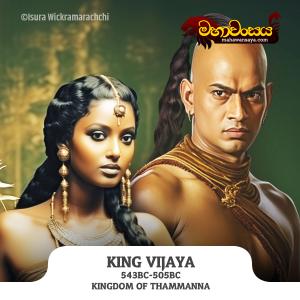
King Vijaya
543 BC-505 BC
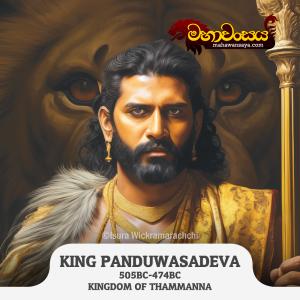
King Panduvasdeva
504 BC-474 BC
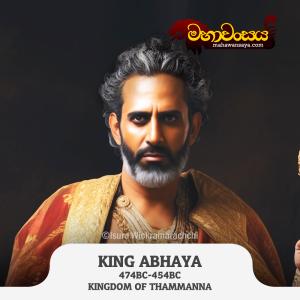
King Abhaya
474 BC-454 BC
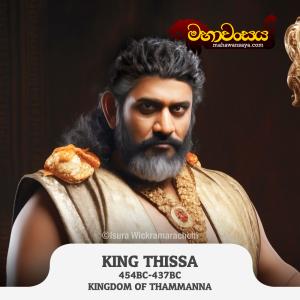
King Tissa
454 BC-437 BC
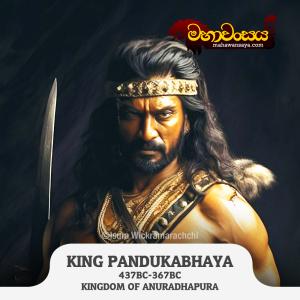
King Pandukabhaya
437 BC-367 BC
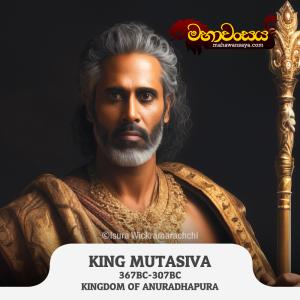
King Mutasiva
367 BC-307 BC
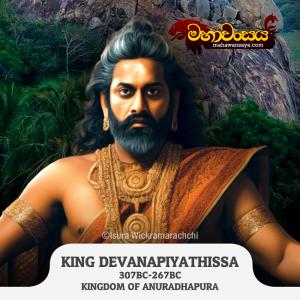
King Devanampiya Tissa
307 BC-267 BC
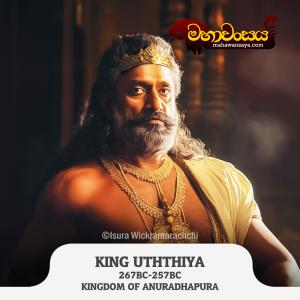
King Uttiya
267 BC-257 BC
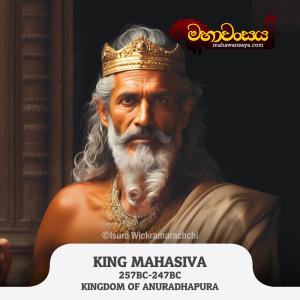
King Mahasiva
257 BC-247 BC
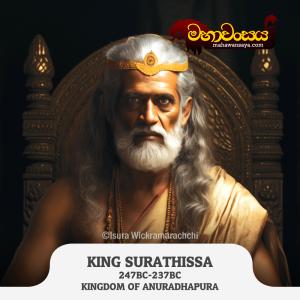
King Suratissa
247 BC-237 BC
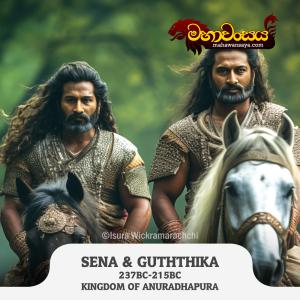
Sena and Guttika
237 BC-215 BC
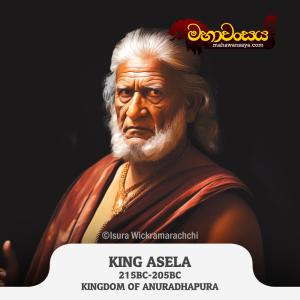
King Asela
215 BC-205 BC
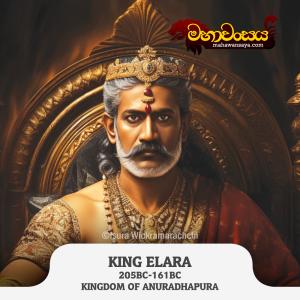
King Elara
205 BC-161 BC
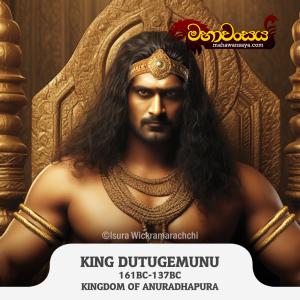
King Dutugemunu
161 BC-137 BC
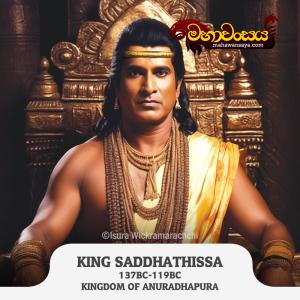
King Saddha Tissa
137 BC-119 BC
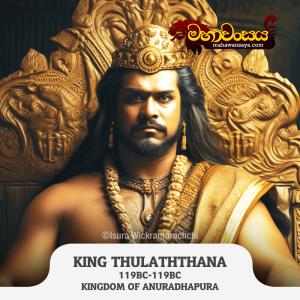
King Thulatthana
119 BC-119 BC
King Lajjithissa
119 BC-109 BC
King Khallata Naga
109 BC-103 BC
King Walagamba
89 BC-76 BC
King Pulahaththa
103 BC-100 BC
King Bhahiya
100 BC-98 BC
King Panayamara
98 BC-91 BC
King Piliyamara
91 BC-91 BC
King Dathiya
91 BC-89 BC
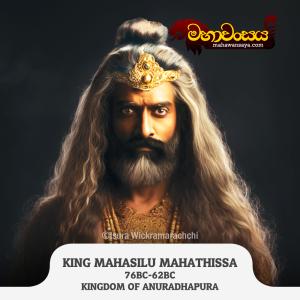
King Mahachulikamahathissa
76 BC-62 BC
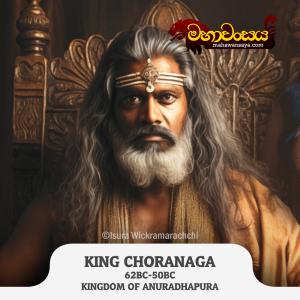
King Choranaga
62 BC-50 BC
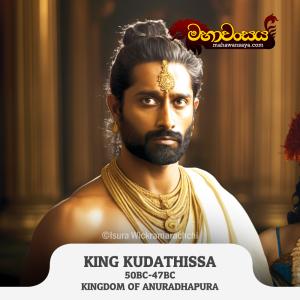
King Kuda Thissa
50 BC-47 BC
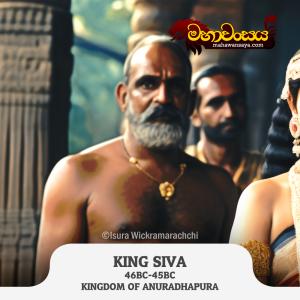
King Siva I
47 BC-45 BC
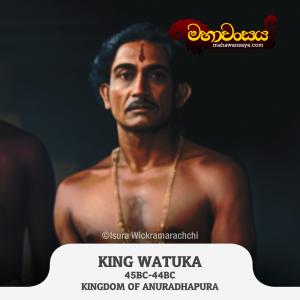
King Vatuka
45 BC-44 BC
King Darubhatika Tissa
44 BC-43 BC
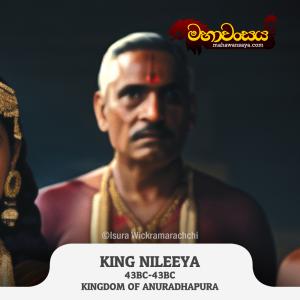
King Neeliya
43 BC-43 BC
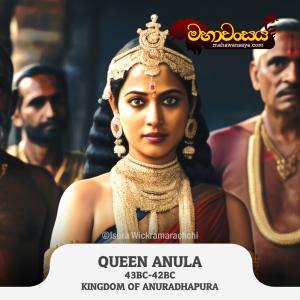
Queen Anula
43 BC-42 BC
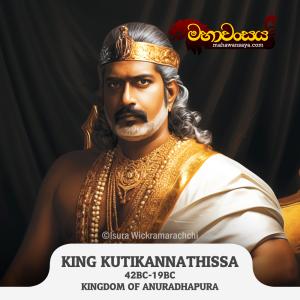
King Kutikanna Tissa
42 BC-19 BC
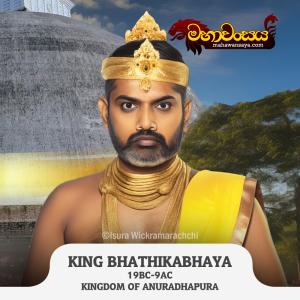
King Bhathikabhaya
19 BC-9 AC
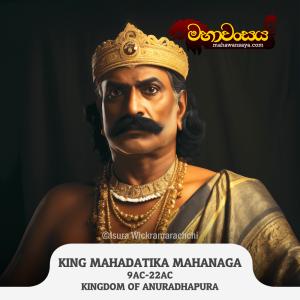
King Mahadatika Mahanaga
9 AC-22 AC
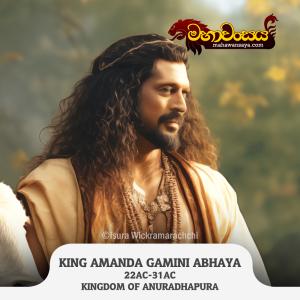
King Amandagamani Abhaya
22 AC-31 AC
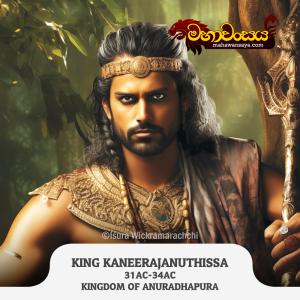
King Kanirajanu Tissa
31 AC-34 AC
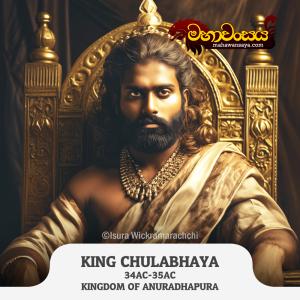
King Chulabhaya
34 AC-35 AC
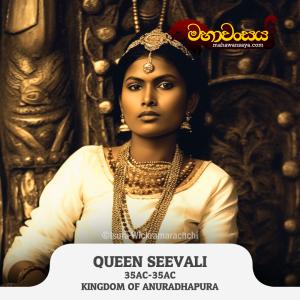
Queen Seevali
35 AC-35 AC
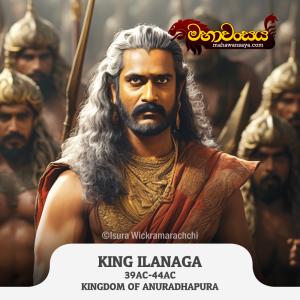
King Ilanaga
39 AC-44 AC
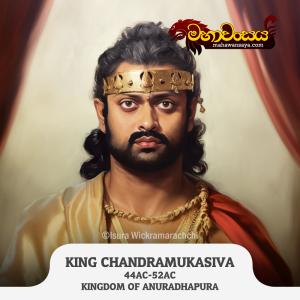
King Chandra Mukha Siva
44 AC-52 AC
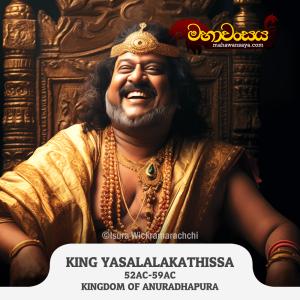
King Yassalalaka Thissa
52 AC-59 AC
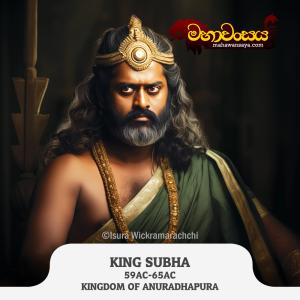
King Subha
59 AC-65 AC
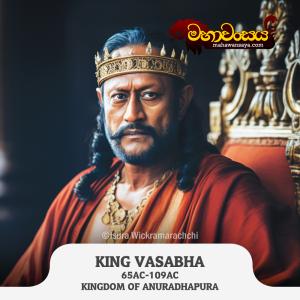
King Vasabha
65 AC-109 AC
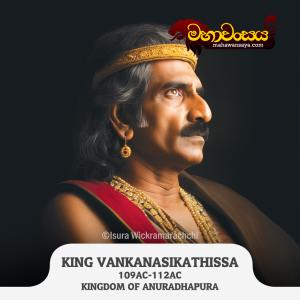
King Vankanasika Tissa
109 AC-112 AC
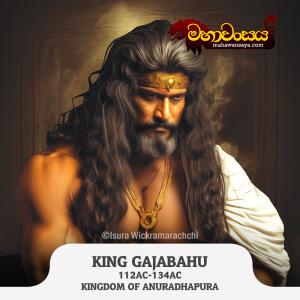
King Gajabahu I
112 AC-134 AC
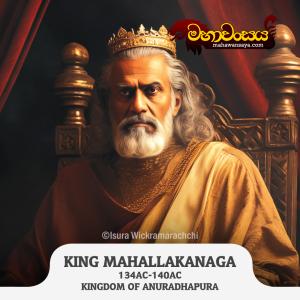
King Mahallaka Naga
134 AC-140 AC
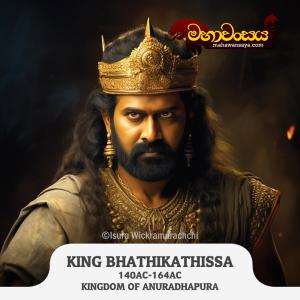
King Bhathika Thissa
140 AC-164 AC
King Kanitta Tissa
164 AC-192 AC
King Kujjanaga
192 AC-194 AC
King Kudda Naga
194 AC-195 AC
King Sirinaga I
195 AC-214 AC
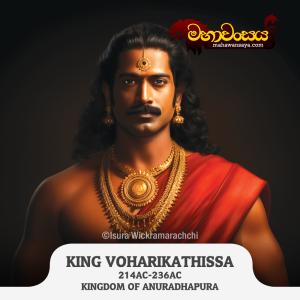
King Voharika Tissa
214 AC-236 AC
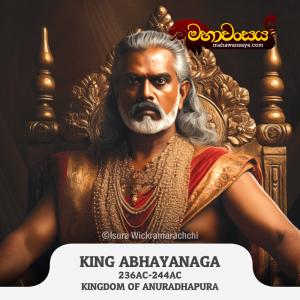
King Abhaya Naga
236 AC-244 AC
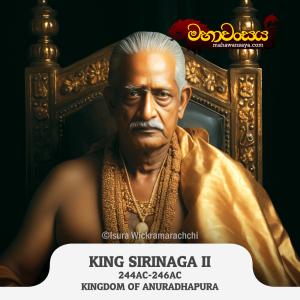
King Sirinaga II
244 AC-246 AC
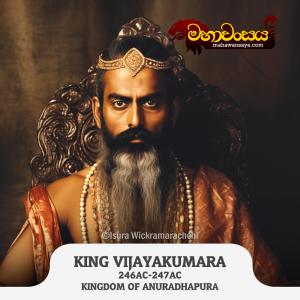
King Vijaya Kumara
246 AC-247 AC
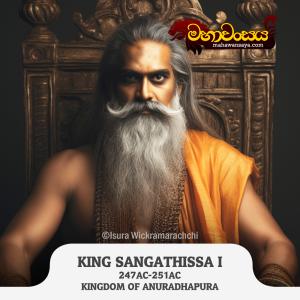
King Sangha Tissa I
247 AC-251 AC
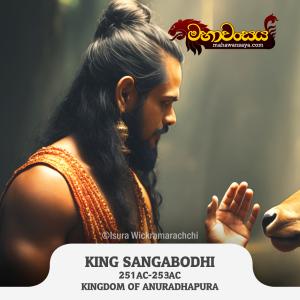
King Siri Sangha Bodhi I
251 AC-253 AC
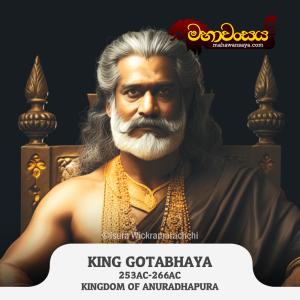
King Gotabhaya
253 AC-266 AC
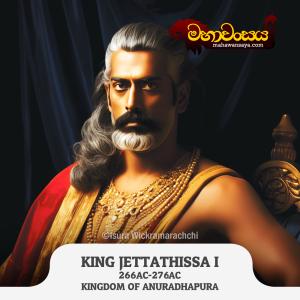
King Jetta Tissa I
266 AC-276 AC
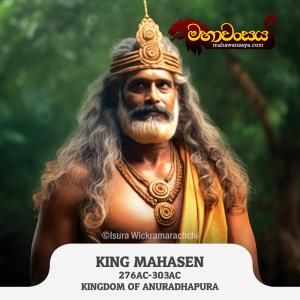
King Mahasen
276 AC-303 AC
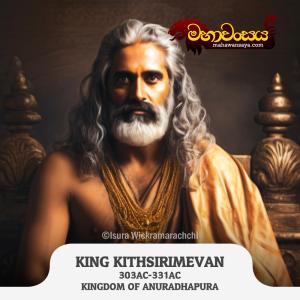
King Kithsirimewan
303 AC-331 AC
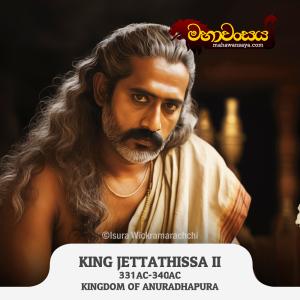
King Jetta Tissa II
331 AC-340 AC
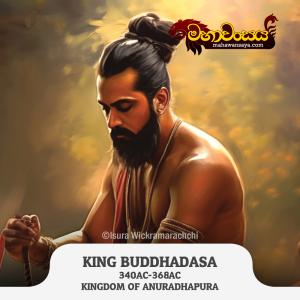
King Buddhadasa
340 AC-368 AC
King Upatissa I
368 AC-410 AC
King Mahanama
410 AC-432 AC
King Soththisena
432 AC-432 AC
King Jaththagahaka Janthu
432 AC-433 AC
King Miththasena
432 AC-433 AC
King Pandu
433 AC-438 AC
King Parinda
438 AC-441 AC
King Kuda Parinda
441 AC-456 AC
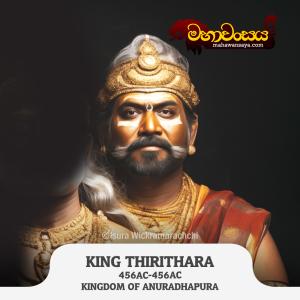
King Thirithara
456 AC-456 AC
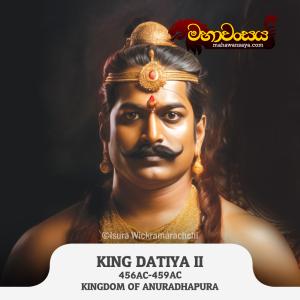
King Datiya II
456 AC-459 AC
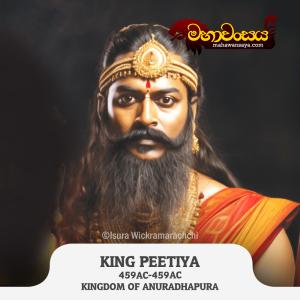
King Peetiya
459 AC-459 AC
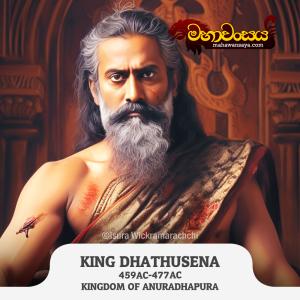
King Dhathusena
459 AC-477 AC
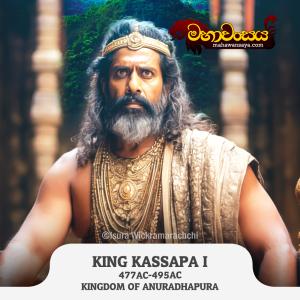
King Kassapa I
477 AC-495 AC
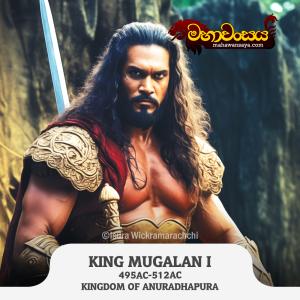
King Mugalan I
495 AC-512 AC
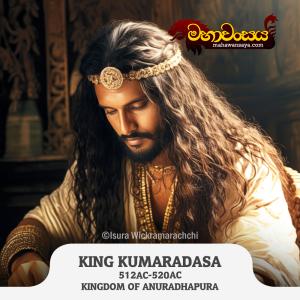
King Kumaradasa
512 AC-520 AC
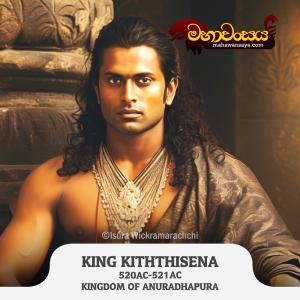
King Kiththisena
520 AC-521 AC
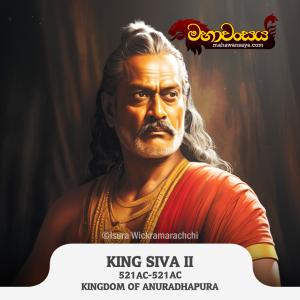
King Siva II
521 AC-521 AC
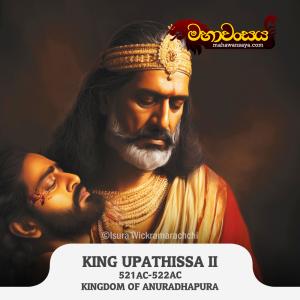
King Upatissa II
521 AC-522 AC
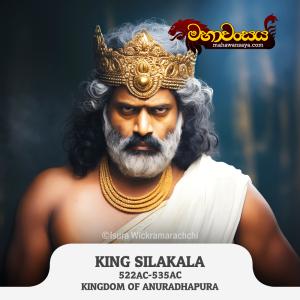
King Silakala
522 AC-535 AC
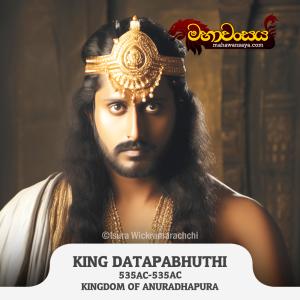
King Datappabhuthi
535 AC-535 AC
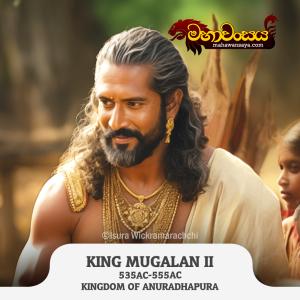
King Mugalan II
535 AC-555 AC
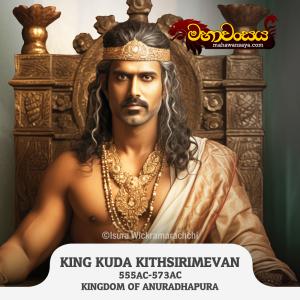
King Kiththisirimegha
555 AC-573 AC
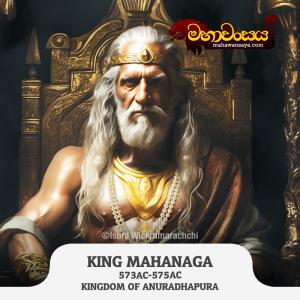
King Mahanaga
573 AC-575 AC
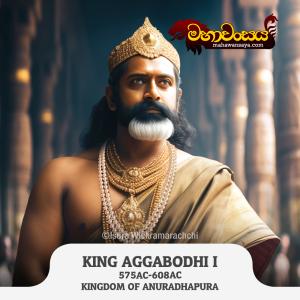
King Aggabodhi I
575 AC-608 AC
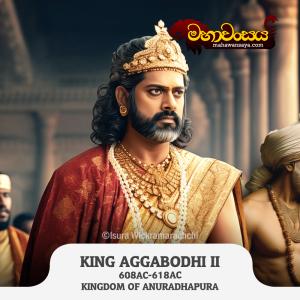
King Aggabodhi II
608 AC-618 AC
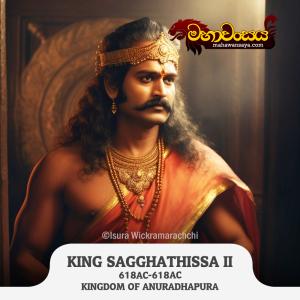
King Sangha Tissa II
618 AC-618 AC
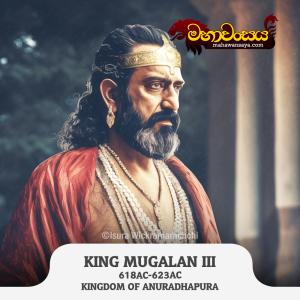
King Mugalan III
618 AC-623 AC
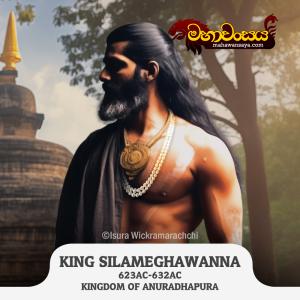
King Silameghavanna
623 AC-632 AC
King Aggabodhi III
633 AC-643 AC
King Jetta Tissa III
633 AC-633 AC
King Datopathissa i
643 AC-650 AC
King Kassapa II
650 AC-659 AC
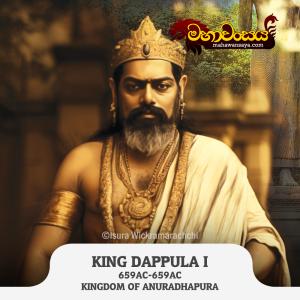
King Dappula I
659 AC-659 AC
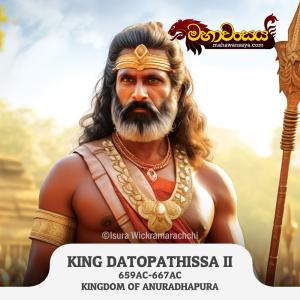
King Datopathissa II
659 AC-667 AC
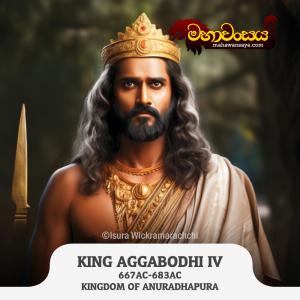
King Aggabodhi IV
667 AC-683 AC
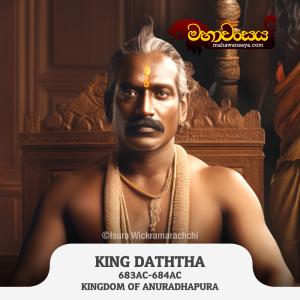
King Daththa
683 AC-684 AC
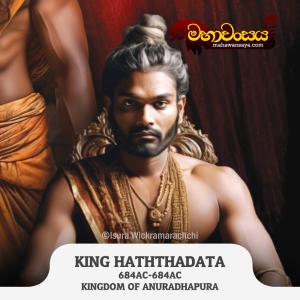
King Haththadata
684 AC-684 AC
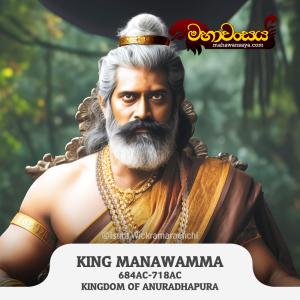
King Manavamma
684 AC-718 AC
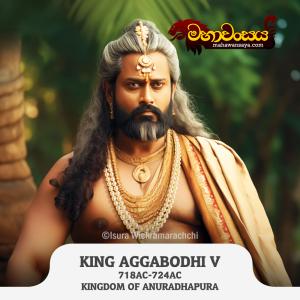
King Aggabodhi V
718 AC-724 AC
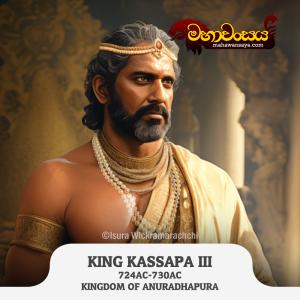
King Kassapa III
724 AC-730 AC
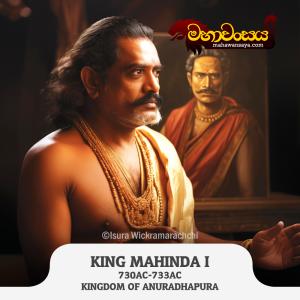
King Mahinda I
730 AC-733 AC
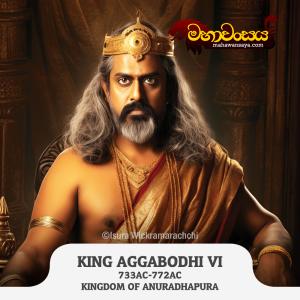
King Aggabodhi VI
733 AC-772 AC
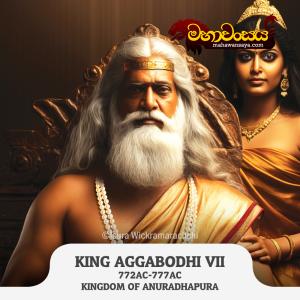
King Aggabodhi VII
772 AC-777 AC
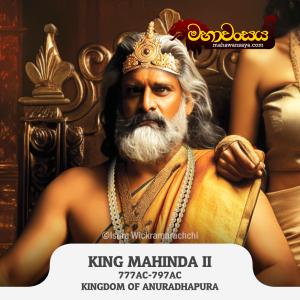
King Mahinda II
777 AC-797 AC
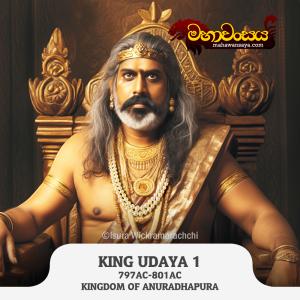
King Udaya I
797 AC-801 AC
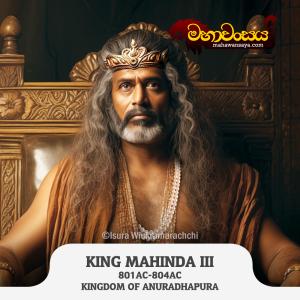
King Mahinda III
801 AC-804 AC
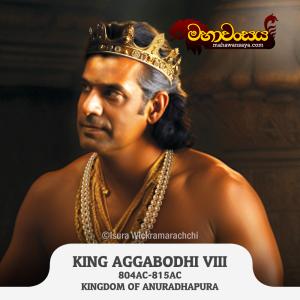
King Aggabodhi VIII
804 AC-815 AC
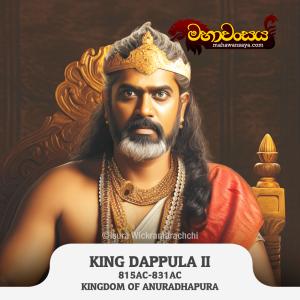
King Dappula II
815 AC-831 AC
King Aggabodhi IX
831 AC-833 AC
King Sena I
833 AC-853 AC
King Sena II
853 AC-887 AC
King Udaya II
887 AC-898 AC
King Kassapa IV
898 AC-914 AC
King Kassapa V
914 AC-923 AC
King Dappula III
923 AC-923 AC
King Dappula IV
923 AC-935 AC
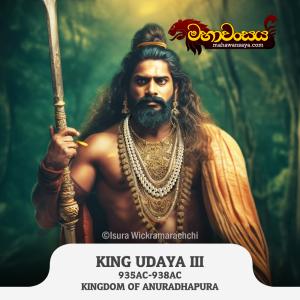
King Udaya III
935 AC-938 AC
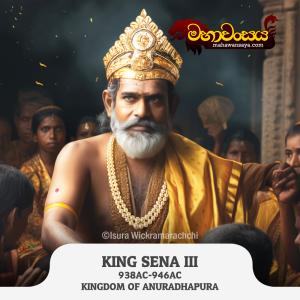
King Sena III
938 AC-946 AC
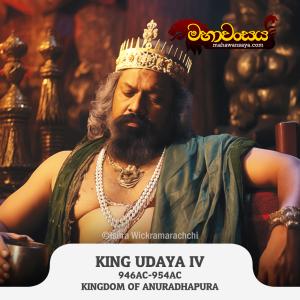
King Udaya IV
946 AC-954 AC
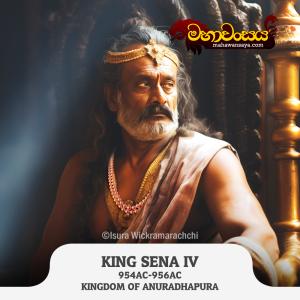
King Sena IV
954 AC-956 AC
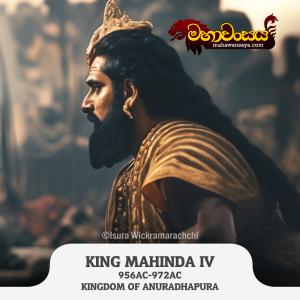
King Mahinda IV
956 AC-972 AC
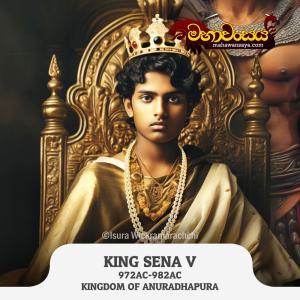
King Sena V
972 AC-982 AC
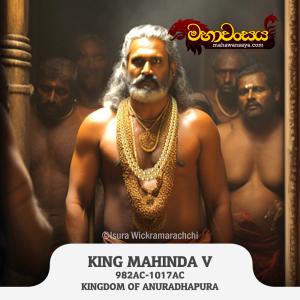
King Mahinda V
982 AC-1017 AC
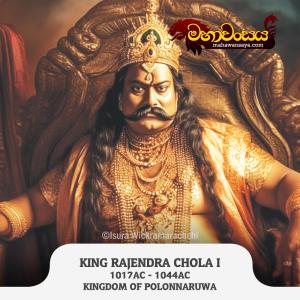
Rajendra Chola I
1017 AC-1044 AC
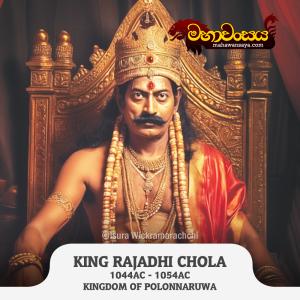
Rajadhiraja Chola
1044 AC-1054 AC
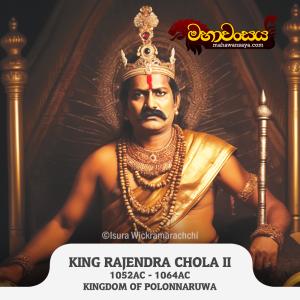
Rajendra Chola II
1052 AC-1064 AC
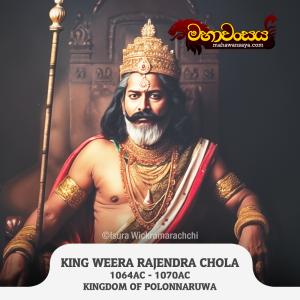
Virarajendra Chola
1064 AC-1070 AC
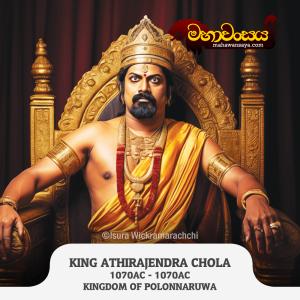
Athirajendra Chola
1070 AC-1070 AC
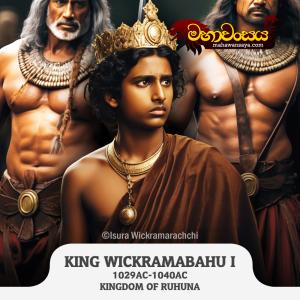
King Wickramabahu I
1029 AC-1040 AC
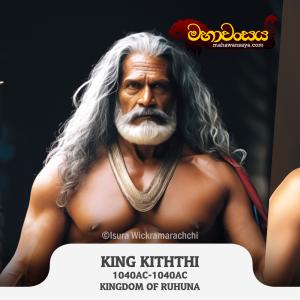
King General Keerthi
1040 AC-1040 AC
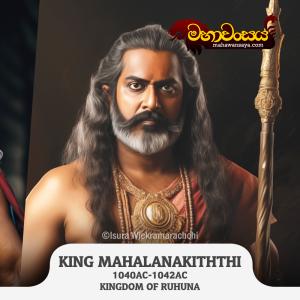
King Mahalana Kiththi
1040 AC-1042 AC
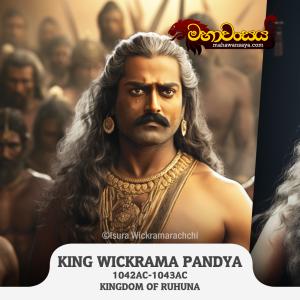
King Wickrama Pandu
1042 AC-1043 AC
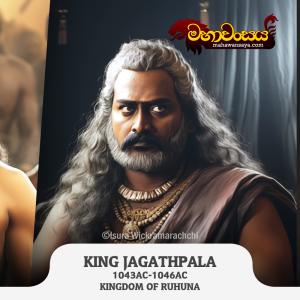
King Jagathpala
1043 AC-1046 AC
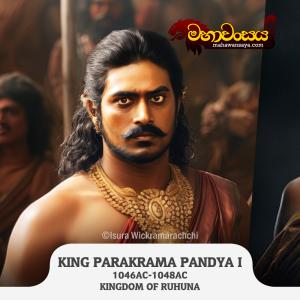
King Parakrama Pandu
1046 AC-1048 AC
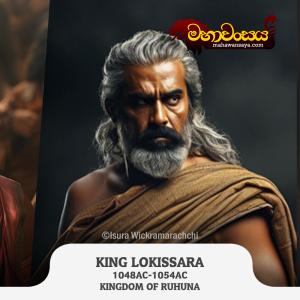
King Lokissara
1048 AC-1054 AC
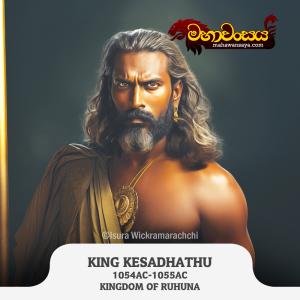
King Kesadhathu
1054 AC-1055 AC
King Vijayabahu I
1055 AC-1110 AC
King Jayabahu I
1110 AC-1111 AC
King Wickramabahu II
1111 AC-1132 AC
King Gajabahu II
1032 AC-1053 AC
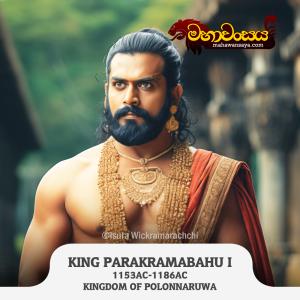
King Parakramabahu I
1053 AC-1086 AC
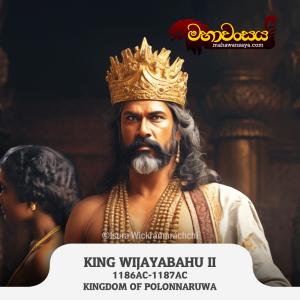
King Vijayabahu II
1186 AC-1187 AC
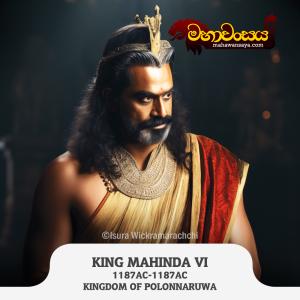
King Mahinda VI
1187 AC-1187 AC
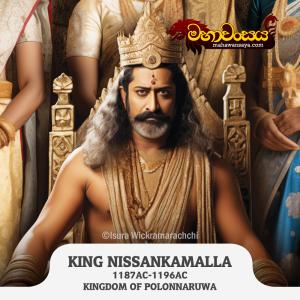
King Nissanka Malla
1187 AC-1196 AC
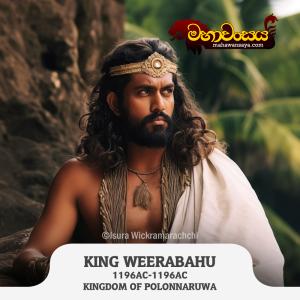
King Weerabahu I
1196 AC-1196 AC
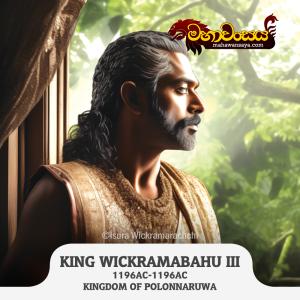
King Wickramabahu III
1196 AC-1196 AC
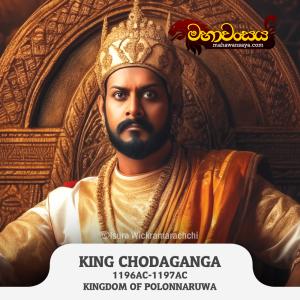
King Chodaganga
1196 AC-1197 AC
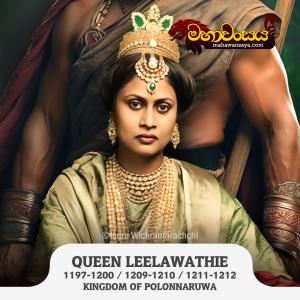
Queen Leelawathie
1197 AC-1200 AC
King Sahasamalla
1200 AC-1202 AC
Queen Kalyanawathie
1202 AC-1208 AC
King Dharmasoka
1208 AC-1209 AC
King Anikanga
1209 AC-1209 AC
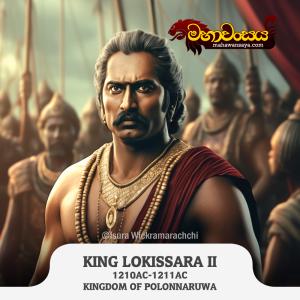
King Lokissara ii
1210 AC-1211 AC
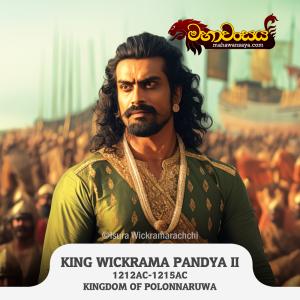
King Parakrama Pandu II
1212 AC-1215 AC
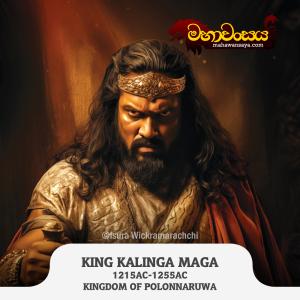
King Kalinga Magha
1215 AC-1255 AC
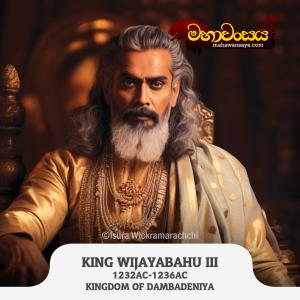
King Vijayabahu III
1232 AC-1236 AC
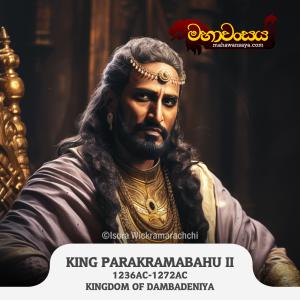
King Parakramabahu II
1236 AC-1272 AC
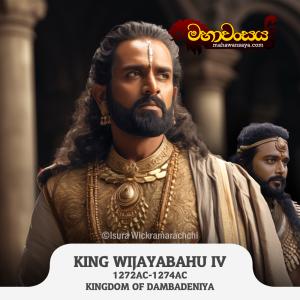
King Vijayabahu IV
1272 AC-1274 AC
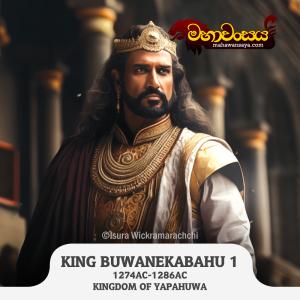
King Buvanekabahu I
1274 AC-1286 AC
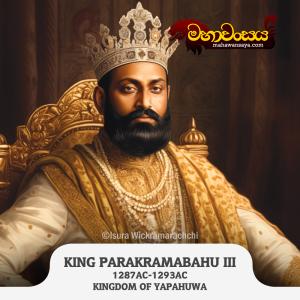
King Parakramabahu III
1287 AC-1293 AC
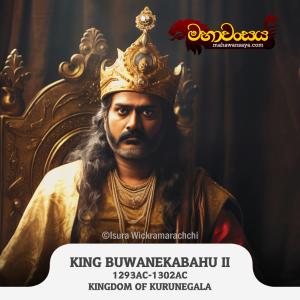
King Buvanekabahu II
1293 AC-1302 AC
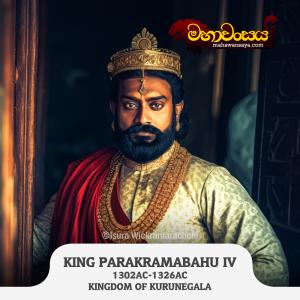
King Parakramabahu IV
1302 AC-1326 AC
-208.jpg)
King Buvanekabahu III (Vanni B
1326 AC-1335 AC
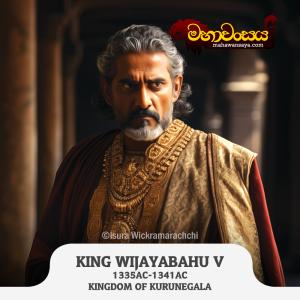
King Vijayabahu V
1335 AC-1341 AC
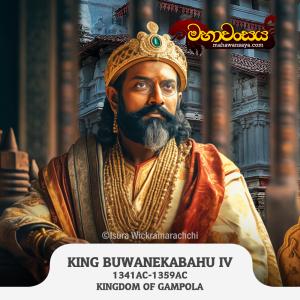
King Buvanekabahu IV
1341 AC-1359 AC
King Parakramabahu V
1344 AC-1359 AC
King Wickramabahu IV
1359 AC-1371 AC
King Buvanekabahu V
1371 AC-1407 AC
-544.jpg)
King Kumara Alakeshwara (Alake
1391 AC-1391 AC
King Weera Alakesvara
1397 AC-1411 AC
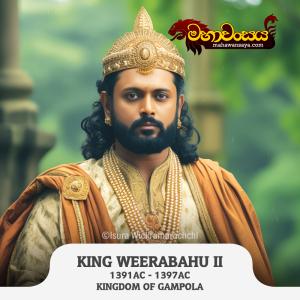
King Weerabahu II
1391 AC-1397 AC
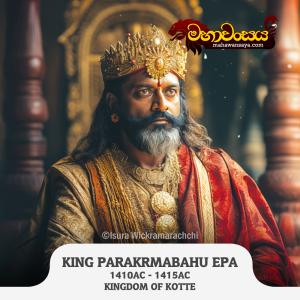
King Parakramabahu Epa
1410 AC-1415 AC
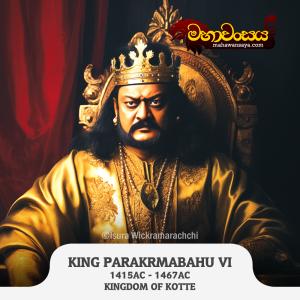
King Parakramabahu VI
1415 AC-1467 AC
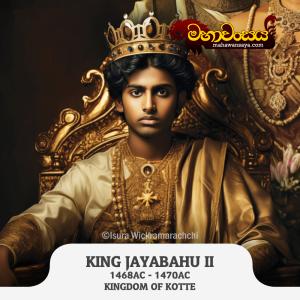
King Jayabahu II
1468 AC-1470 AC
King Buvanekabahu VI
1470 AC-1478 AC
King Panditha Parakramabahu VI
1478 AC-1484 AC
King Weera Parakramabahu VIII
1484 AC-1508 AC
King Darma Parakramabahu IX
1508 AC-1513 AC
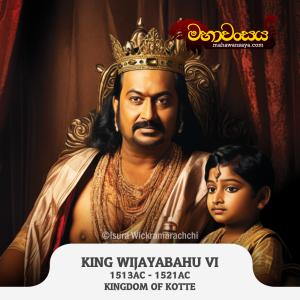
King Vijayabahu VI
1513 AC-1521 AC
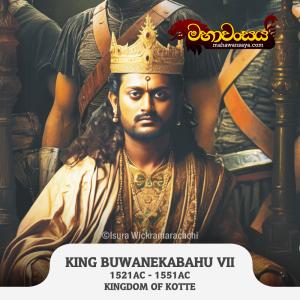
King Buvanekabahu VII
1521 AC-1551 AC
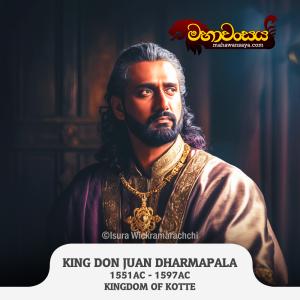
King Don Juwan Dharmapala
1551 AC-1597 AC
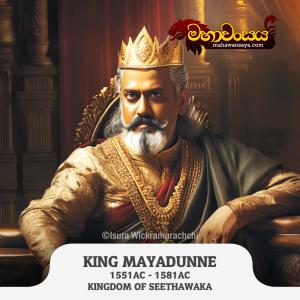
King Mayadunne
1551 AC-1581 AC
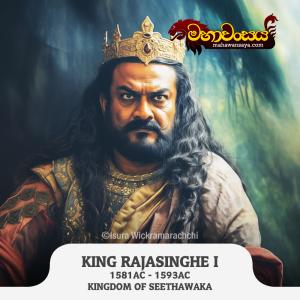
King Rajasinha I
1581 AC-1593 AC
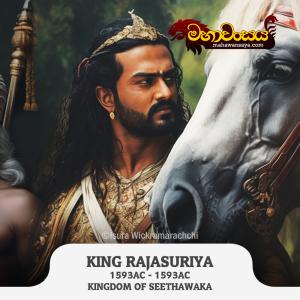
King Rajasooriya
1593 AC-1593 AC
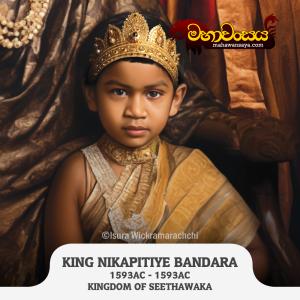
King Nikapitiye Bandara
1593 AC-1593 AC
King Wimaladharmasuriya I
1591 AC-1604 AC
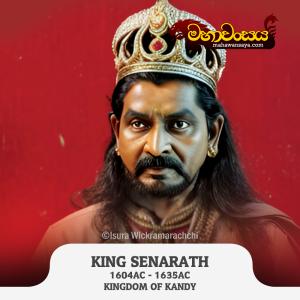
King Senarat
1604 AC-1635 AC
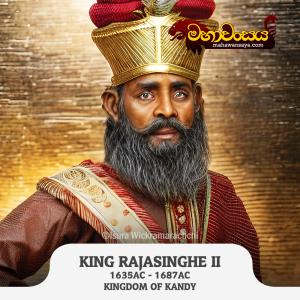
King Rajasinha II
1635 AC-1687 AC
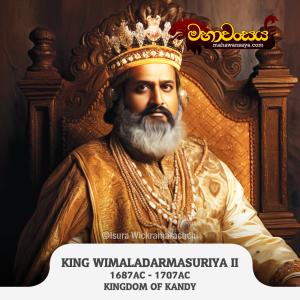
King Wimaladharmasuriya II
1687 AC-1707 AC
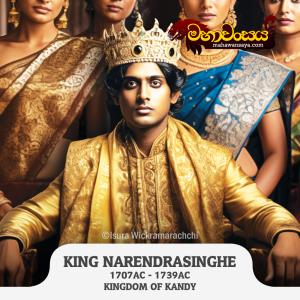
King Sri Weera Parakrama Naren
1707 AC-1739 AC
King Sri Wijaya Rajasingha
1739 AC-1747 AC
King Keerthi Sri Rajasingha
1747 AC-1782 AC
King Rajadhi Rajasinha
1782 AC-1798 AC
King Sri Wikrama Rajasinha
1798 AC-1815 AC

Pedro Lopes de Sousa
1594 AC-1594 AC
Joao da Silveira
1518 AC-1518 AC
Lopo de Brito
1518 AC-1522 AC
Fernao Gomes de Lemos
1522 AC-1524 AC
Joao Henriques
1551 AC-1552 AC
Diogo de Melo Coutinho
1552 AC-1552 AC
Duarte de Eca
1552 AC-1553 AC
Fernao Carvalho
1553 AC-1555 AC
Willem Jacobszoon Coster
1640 AC-1640 AC
Jan Thyszoon Payart
1640 AC-1646 AC
fter King Aggabodhi II, the throne was taken over by one named Asiggahaka Sanghatissa. Since there was another king previously bearing the same name, this ruler is referred to as Sanghatissa the Second. His rightful claim to the throne or his exact relationship to King Aggabodhi II is not clearly known. According to the Pujavaliya and Rajavaliya, he is said to have been a Malanu (palace official or attendant) of that king.
In the first chapter, it has been mentioned that King Aggabodhi II appointed a relative of his queen to the position of Asiggahaka (the sword-bearer). His name was given there as Samsabhadra. It is possible that this same person later became the above-mentioned Sanghatissa. However, there is no evidence that he possessed any direct hereditary right to the throne. King Sanghatissa, who was inclined toward justice, is said to have distributed official positions properly for the welfare of both the religion and the country, and to have protected the people, but there is no record of him performing any other remarkable deed. It also appears that he did not have sufficient time to accomplish much.
During this period, the rule over Ruhuna (the southern region) was held by a prince named Moggallana, who was a nephew of King Aggabodhi II. When he learned that Sanghatissa had ascended the throne, he opposed it. Having gathered an army, he marched against the king and established his camp at Mahagalla. Mahagalla is generally considered to be the present-day Nikaweratiya area in the Kurunegala District. It was located in the region corresponding to the ancient southern province. Later, it became a stronghold of the Solians (Cholas) as well.
King Sanghatissa sent an army against Prince Moggallana, but Moggallana easily repelled them and then set up his camp at a place called Ratti Vihara. After the battle at Mahagalla, Prince Moggallana advanced further, halted at Ratti Vihara, and reorganized his forces. The exact location of this place is still unidentified, but it is presumed to be the area now known as Ras Vehera, where a sacred Buddhist shrine stands. The army sent by King Sanghatissa was defeated by Moggallana in a battle at a place called Kadalinivata. However, Prince Moggallana did not retreat; he reorganized his troops and went to Rahera Mountain. In the Mahavamsa, this is recorded in two versions as Karehere and Karera, depending on the manuscript. Professor Senarath Paranavitana identifies this as Rahera, and in another context, he recognizes Rahera Mountain as the one where the Sessaruwa Great Buddha Statue now stands.
Although King Sanghatissa ordered his general to go to battle, the general claimed to be ill and took to his bed. The king himself then prepared to go forward for battle. However, the king had fallen into a most unfortunate state. It appears that he received little or no support even from within his own palace. The townspeople deserted him, and even food was no longer cooked in the royal household. The only food brought to the king came from the Mahapali alms hall. Overcome by great distress, King Sanghatissa, together with his son and a small group of followers, went to a place called Pacinatissa Pabbata. This could not have been the place below Nuwara Wewa on the Anuradhapura–Mihintale road, because the geographical details in the description of the battle do not match that location; it must have been a mountainous area. Meanwhile, Prince Moggallana’s army continued to advance.
The end of King Sanghatissa was drawing near. After the king had gone to war, the general who had feigned illness rose from his bed, took an army, and struck the king from behind. It is likely that Prince Moggallana had bribed him. His earlier claim of illness thus clearly appears to have been deceitful. The king’s army split—some joined the treacherous general, and others went over to Prince Moggallana’s side. The king was left alone.
At this time, another ominous event occurred. As the king’s royal elephant passed under a tree, a branch broke off and fell, striking the elephant’s back and breaking its seat. The enemy gave this saddle to the treacherous general. He climbed to the summit of a hill and raised the saddle high, and those remaining in the king’s army, thinking that the king was there, went to that spot. Surrounded by the two enemy forces, King Sanghatissa, now isolated, fled with his son and a loyal minister into the forest called Merumajjara.
King Sanghatissa had another son named Dethutissa, who fled to the country of Malaya and hid there. The prince and the minister who went into the Merumajjara forest went to a monastery called Veluvana, donned monk’s robes as a disguise, and departed toward Ruhuna. But at Minneriya, they were captured by the soldiers of Prince Moggallana, who were guarding the pass. Considering the battle zones and the path of the king’s flight, it is apparent that Prince Moggallana had advanced his army from the western side of Ruhuna, and that guards had been stationed along the well-known route crossing Kacchaka Titha (Kaccakatittha ferry). Thus, Prince Moggallana was able to secure control over the southern region and capture the fleeing king. It is evident that the ruler of Rohana (Ruhuna) possessed a keen understanding of military organization.
Prince Moggallana ordered his soldiers to kill the king and the prince but to bring the general alive. The soldiers took them to Sigiriya, where they killed them and sent their heads to King Moggallana. The conduct of the king’s general at this point is said to have been exemplary. Although the soldiers had been instructed to spare him and bring him alive, upon seeing the murder of his master, King Sanghatissa, the general refused to live and took his own life. Thus, all three—the king, the prince, and the general—were killed, and this was reported to Prince Moggallana. Thereafter, the obstacle that stood between Moggallana and the crown was removed. According to the Pujavaliya and the Rajavaliya, the reign of King Sanghatissa lasted only two months.