103
King Manavamma
Kingdom of Anuradhapura
684 AC - 718 AC
684 AC - 718 AC

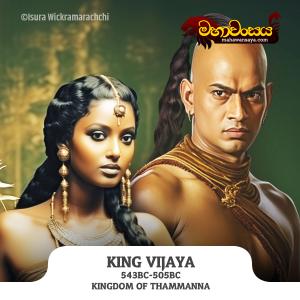
King Vijaya
543 BC-505 BC
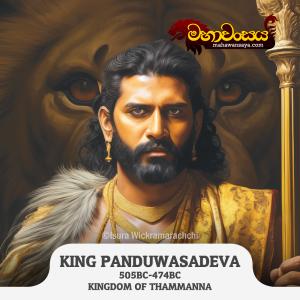
King Panduvasdeva
504 BC-474 BC
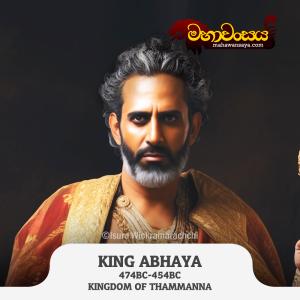
King Abhaya
474 BC-454 BC
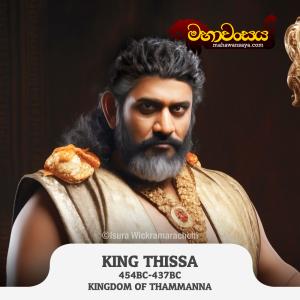
King Tissa
454 BC-437 BC
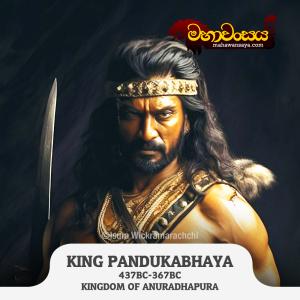
King Pandukabhaya
437 BC-367 BC
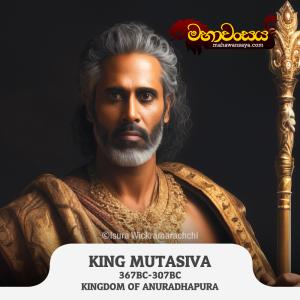
King Mutasiva
367 BC-307 BC
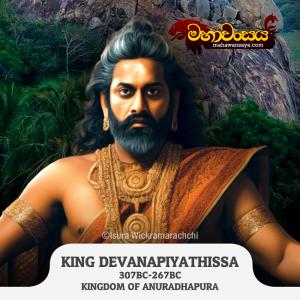
King Devanampiya Tissa
307 BC-267 BC
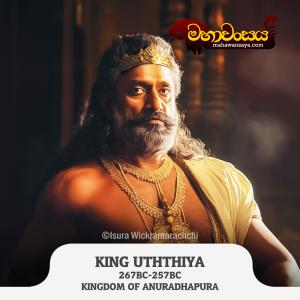
King Uttiya
267 BC-257 BC
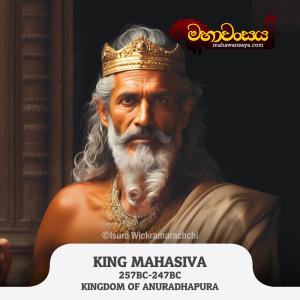
King Mahasiva
257 BC-247 BC
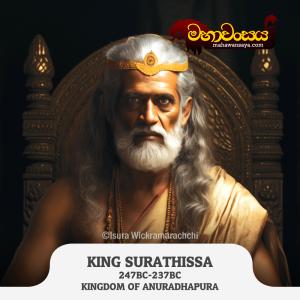
King Suratissa
247 BC-237 BC
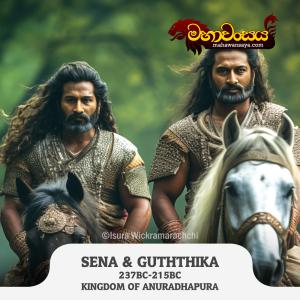
Sena and Guttika
237 BC-215 BC
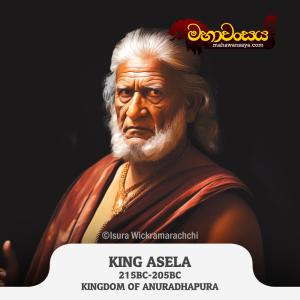
King Asela
215 BC-205 BC
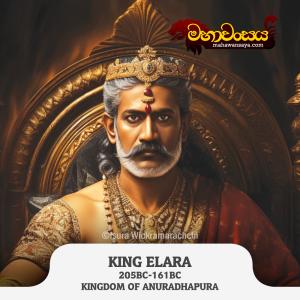
King Elara
205 BC-161 BC
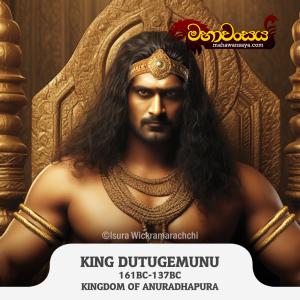
King Dutugemunu
161 BC-137 BC
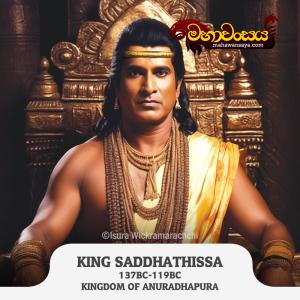
King Saddha Tissa
137 BC-119 BC
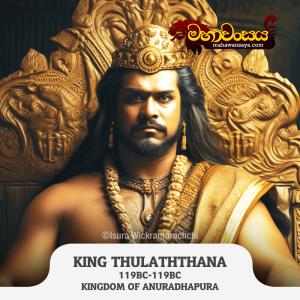
King Thulatthana
119 BC-119 BC
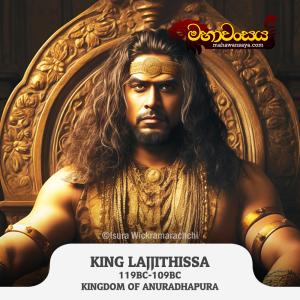
King Lajjithissa
119 BC-109 BC
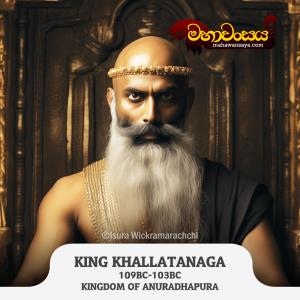
King Khallata Naga
109 BC-103 BC
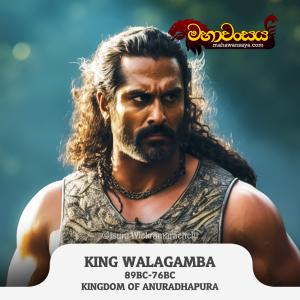
King Walagamba
89 BC-76 BC
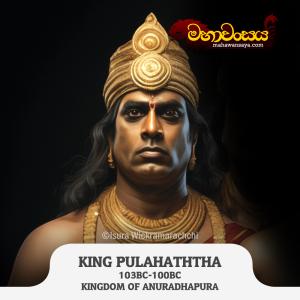
King Pulahaththa
103 BC-100 BC
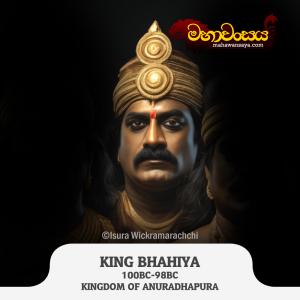
King Bhahiya
100 BC-98 BC
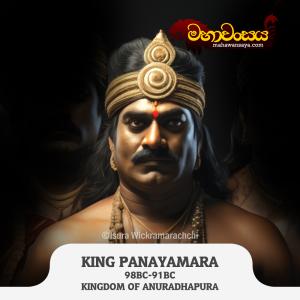
King Panayamara
98 BC-91 BC
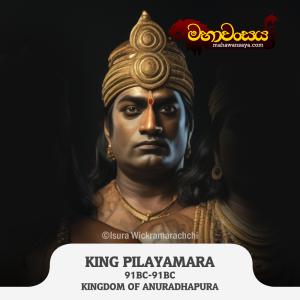
King Piliyamara
91 BC-91 BC
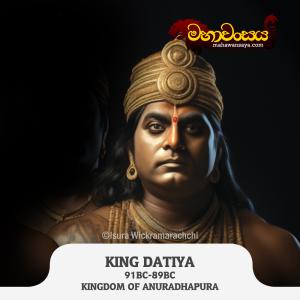
King Dathiya
91 BC-89 BC
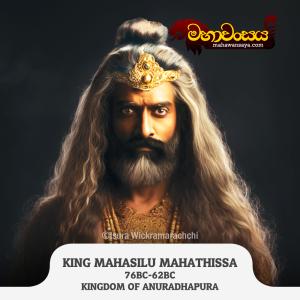
King Mahachulikamahathissa
76 BC-62 BC
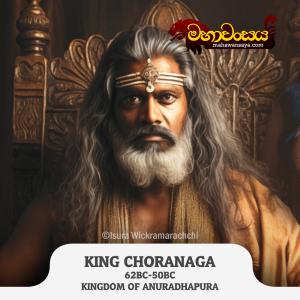
King Choranaga
62 BC-50 BC
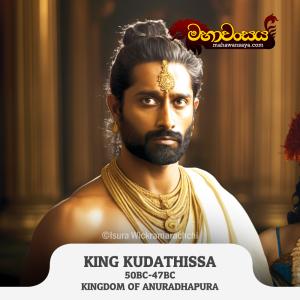
King Kuda Thissa
50 BC-47 BC
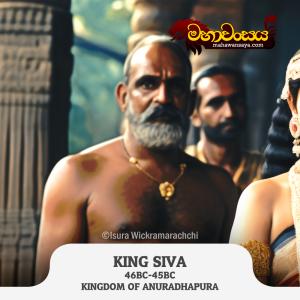
King Siva I
47 BC-45 BC
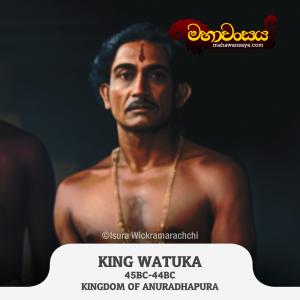
King Vatuka
45 BC-44 BC
King Darubhatika Tissa
44 BC-43 BC
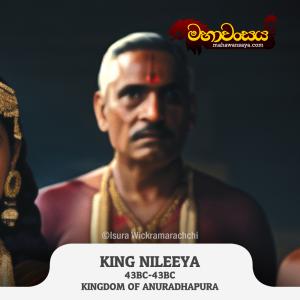
King Neeliya
43 BC-43 BC
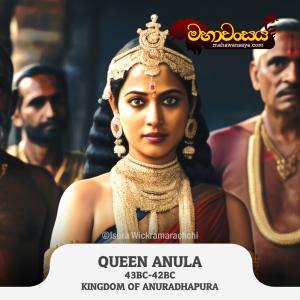
Queen Anula
43 BC-42 BC
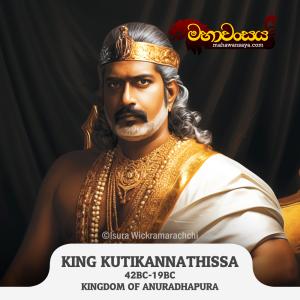
King Kutikanna Tissa
42 BC-19 BC
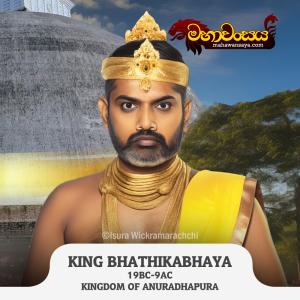
King Bhathikabhaya
19 BC-9 AC
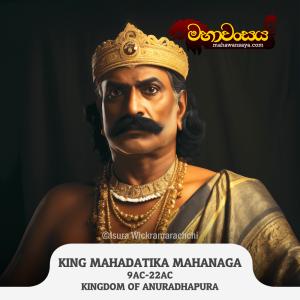
King Mahadatika Mahanaga
9 AC-22 AC
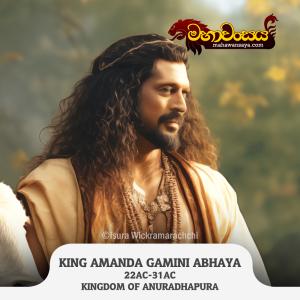
King Amandagamani Abhaya
22 AC-31 AC
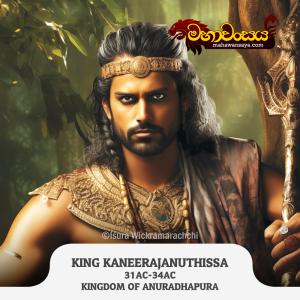
King Kanirajanu Tissa
31 AC-34 AC
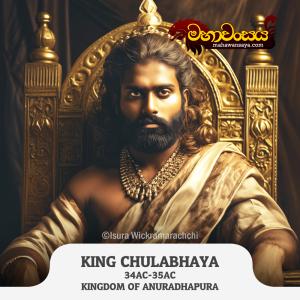
King Chulabhaya
34 AC-35 AC
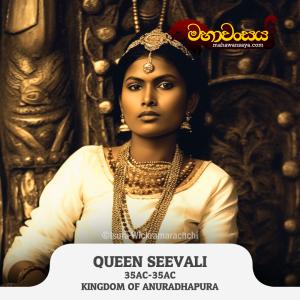
Queen Seevali
35 AC-35 AC
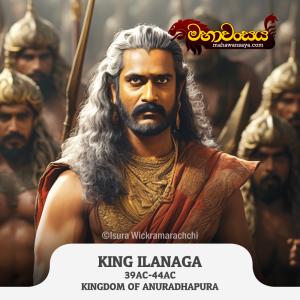
King Ilanaga
39 AC-44 AC
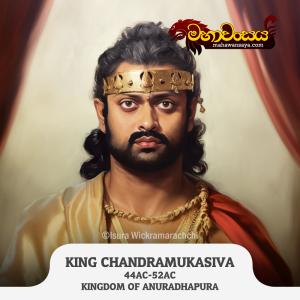
King Chandra Mukha Siva
44 AC-52 AC
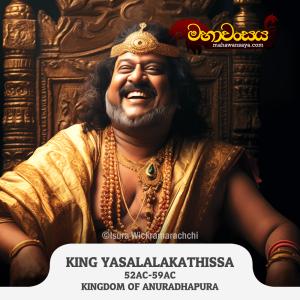
King Yassalalaka Thissa
52 AC-59 AC
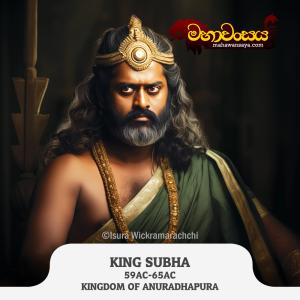
King Subha
59 AC-65 AC
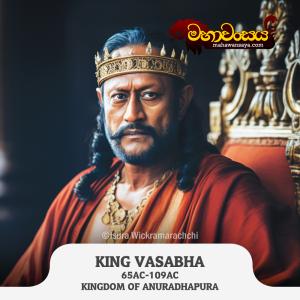
King Vasabha
65 AC-109 AC
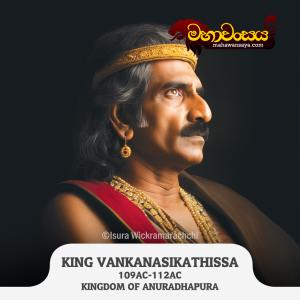
King Vankanasika Tissa
109 AC-112 AC
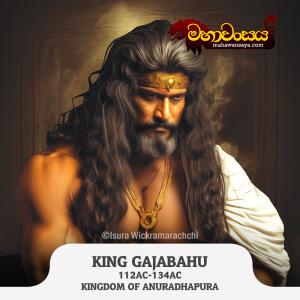
King Gajabahu I
112 AC-134 AC
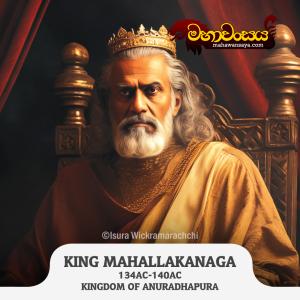
King Mahallaka Naga
134 AC-140 AC
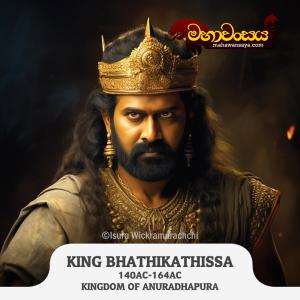
King Bhathika Thissa
140 AC-164 AC
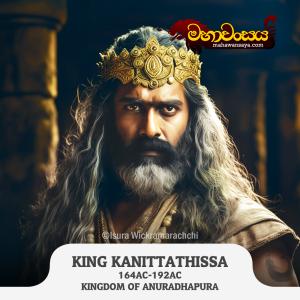
King Kanitta Tissa
164 AC-192 AC
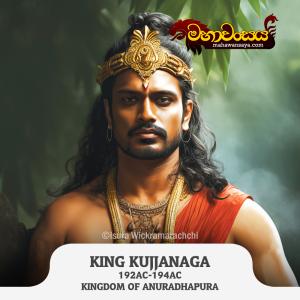
King Kujjanaga
192 AC-194 AC
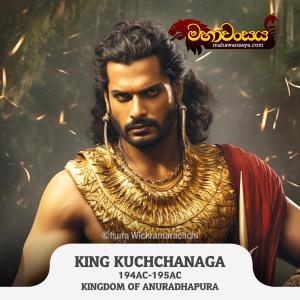
King Kudda Naga
194 AC-195 AC
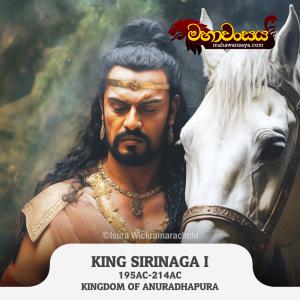
King Sirinaga I
195 AC-214 AC
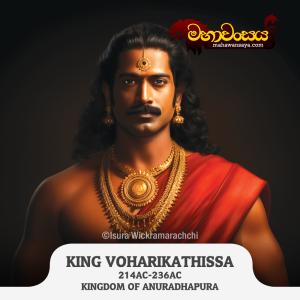
King Voharika Tissa
214 AC-236 AC
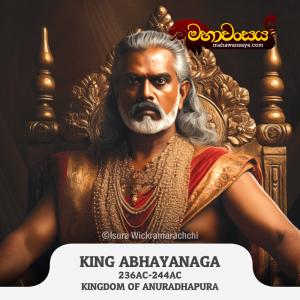
King Abhaya Naga
236 AC-244 AC
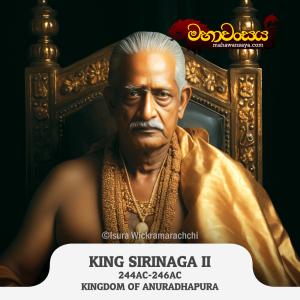
King Sirinaga II
244 AC-246 AC
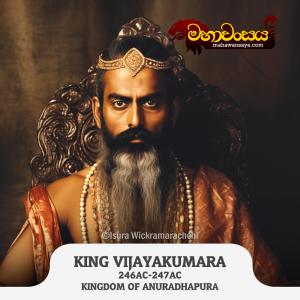
King Vijaya Kumara
246 AC-247 AC
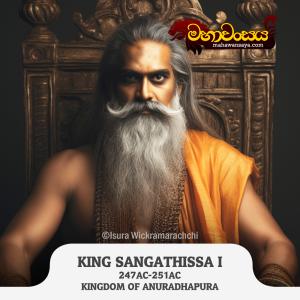
King Sangha Tissa I
247 AC-251 AC
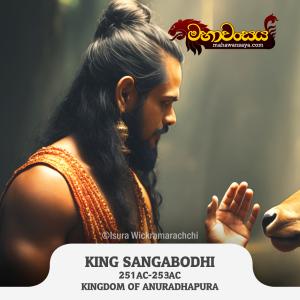
King Siri Sangha Bodhi I
251 AC-253 AC
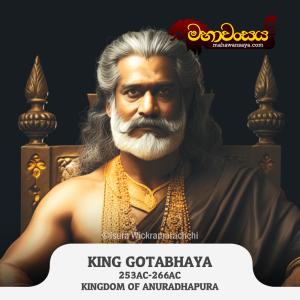
King Gotabhaya
253 AC-266 AC
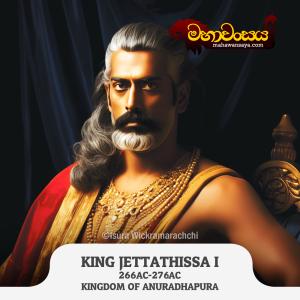
King Jetta Tissa I
266 AC-276 AC
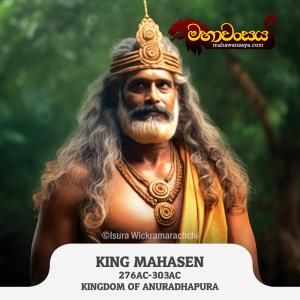
King Mahasen
276 AC-303 AC
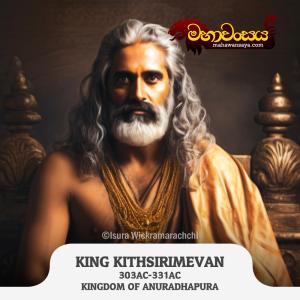
King Kithsirimewan
303 AC-331 AC
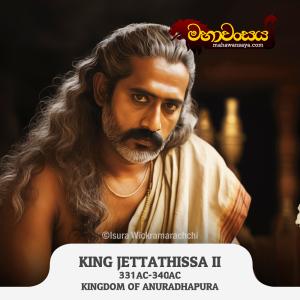
King Jetta Tissa II
331 AC-340 AC
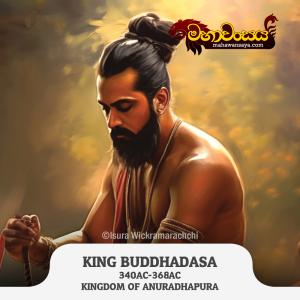
King Buddhadasa
340 AC-368 AC
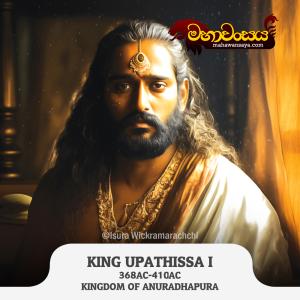
King Upatissa I
368 AC-410 AC
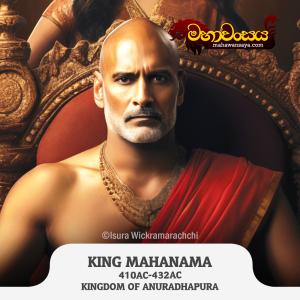
King Mahanama
410 AC-432 AC
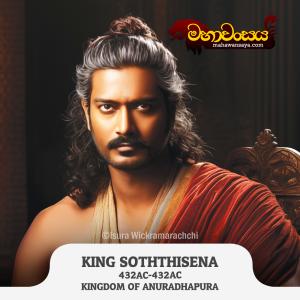
King Soththisena
432 AC-432 AC
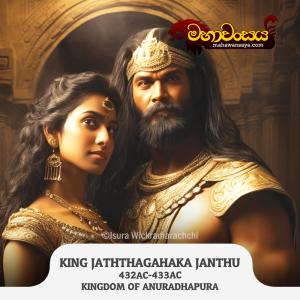
King Jaththagahaka Janthu
432 AC-433 AC
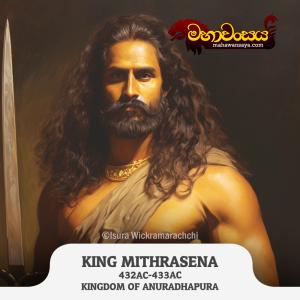
King Miththasena
432 AC-433 AC
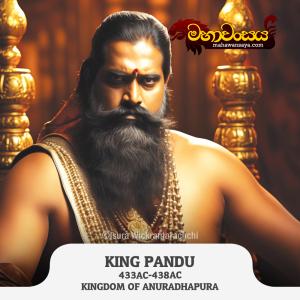
King Pandu
433 AC-438 AC
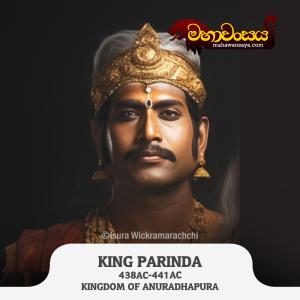
King Parinda
438 AC-441 AC
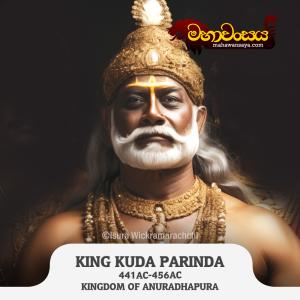
King Kuda Parinda
441 AC-456 AC
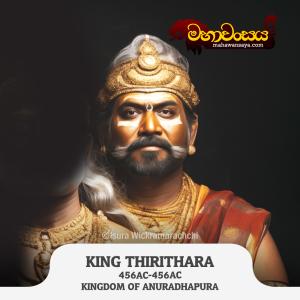
King Thirithara
456 AC-456 AC
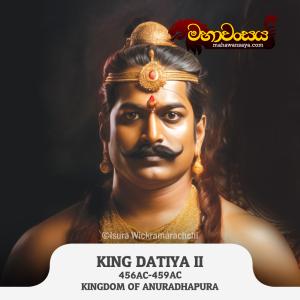
King Datiya II
456 AC-459 AC
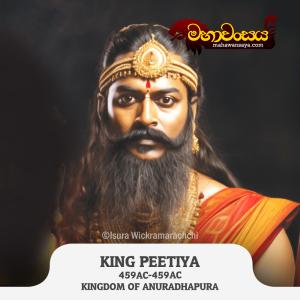
King Peetiya
459 AC-459 AC
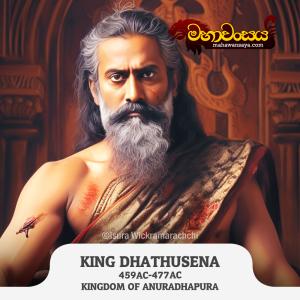
King Dhathusena
459 AC-477 AC
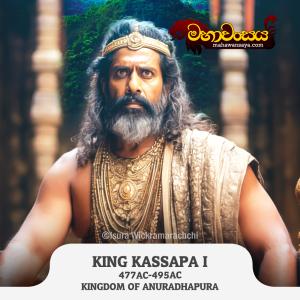
King Kassapa I
477 AC-495 AC
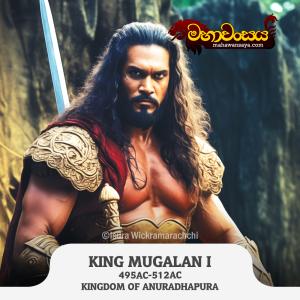
King Mugalan I
495 AC-512 AC
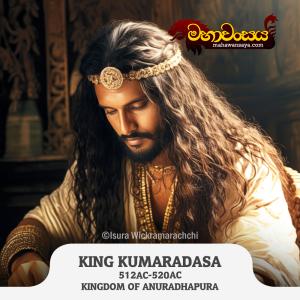
King Kumaradasa
512 AC-520 AC
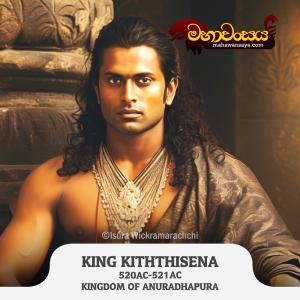
King Kiththisena
520 AC-521 AC
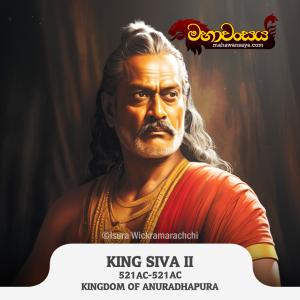
King Siva II
521 AC-521 AC
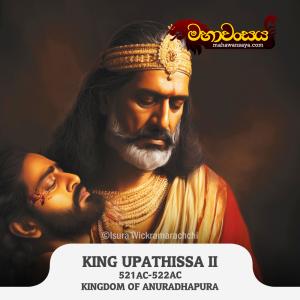
King Upatissa II
521 AC-522 AC
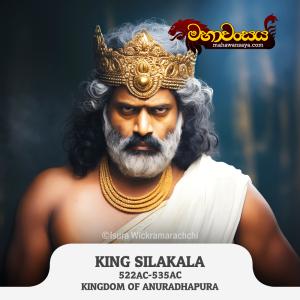
King Silakala
522 AC-535 AC
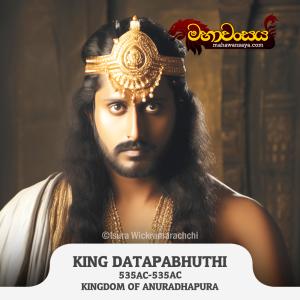
King Datappabhuthi
535 AC-535 AC
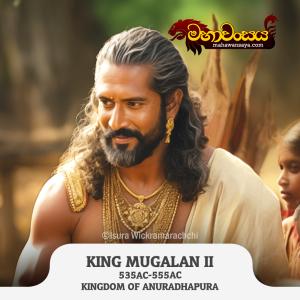
King Mugalan II
535 AC-555 AC
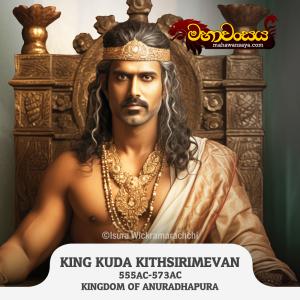
King Kiththisirimegha
555 AC-573 AC
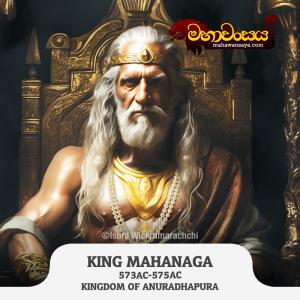
King Mahanaga
573 AC-575 AC
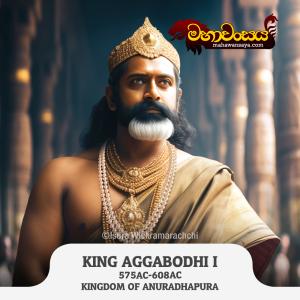
King Aggabodhi I
575 AC-608 AC
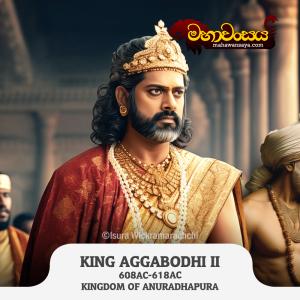
King Aggabodhi II
608 AC-618 AC
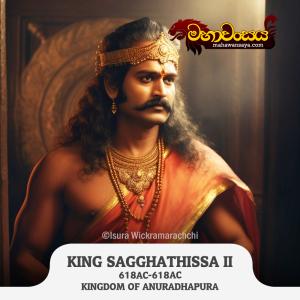
King Sangha Tissa II
618 AC-618 AC
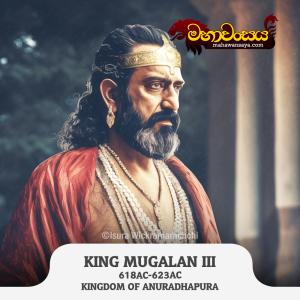
King Mugalan III
618 AC-623 AC
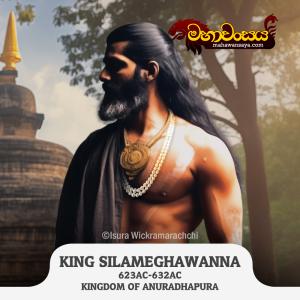
King Silameghavanna
623 AC-632 AC
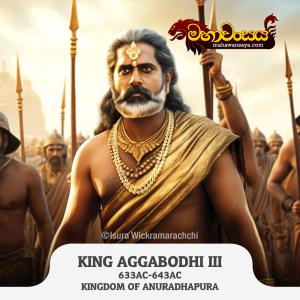
King Aggabodhi III
633 AC-643 AC
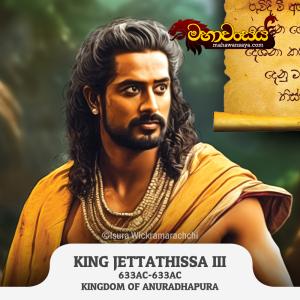
King Jetta Tissa III
633 AC-633 AC
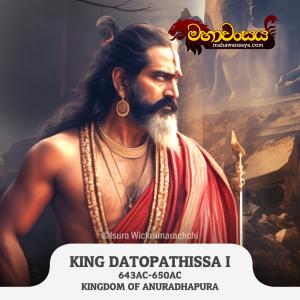
King Datopathissa i
643 AC-650 AC
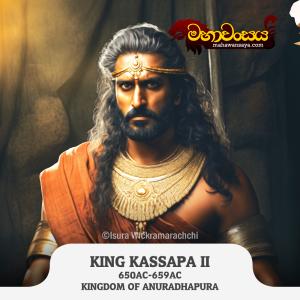
King Kassapa II
650 AC-659 AC
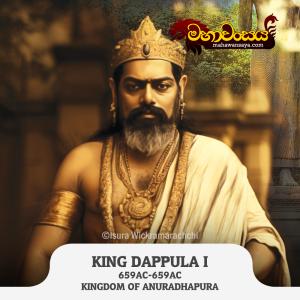
King Dappula I
659 AC-659 AC
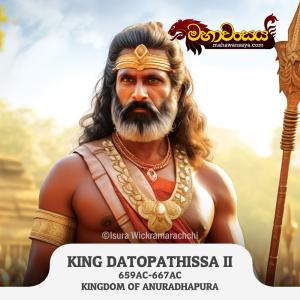
King Datopathissa II
659 AC-667 AC
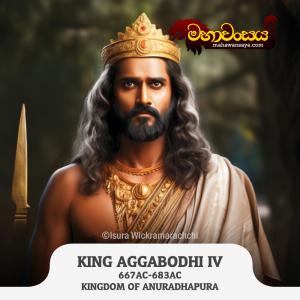
King Aggabodhi IV
667 AC-683 AC
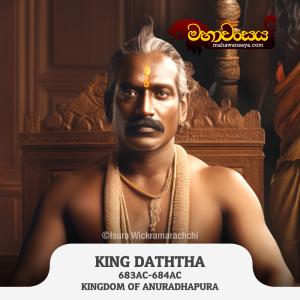
King Daththa
683 AC-684 AC
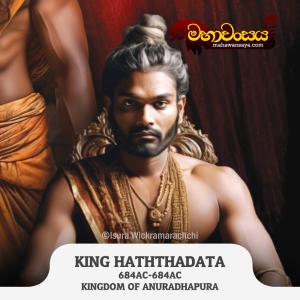
King Haththadata
684 AC-684 AC
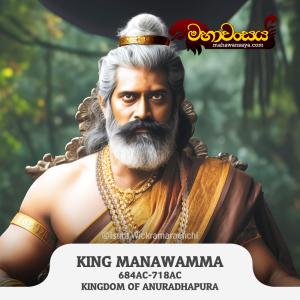
King Manavamma
684 AC-718 AC
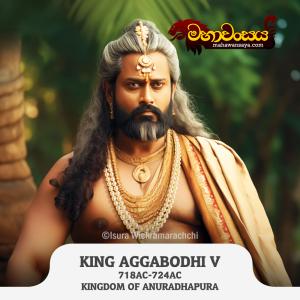
King Aggabodhi V
718 AC-724 AC
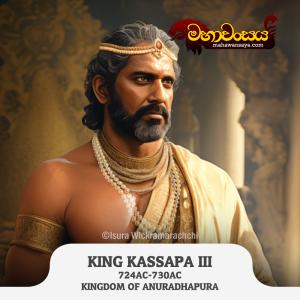
King Kassapa III
724 AC-730 AC
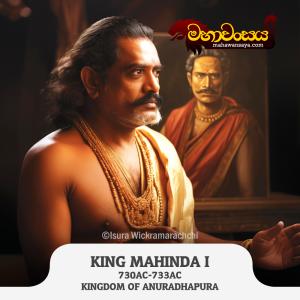
King Mahinda I
730 AC-733 AC
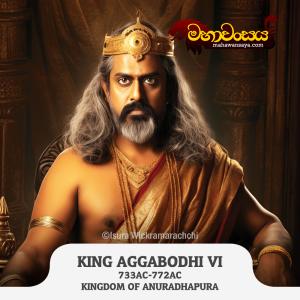
King Aggabodhi VI
733 AC-772 AC
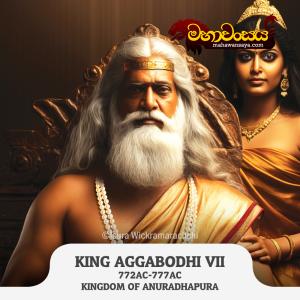
King Aggabodhi VII
772 AC-777 AC
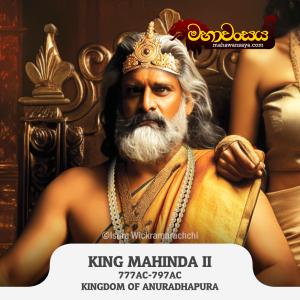
King Mahinda II
777 AC-797 AC
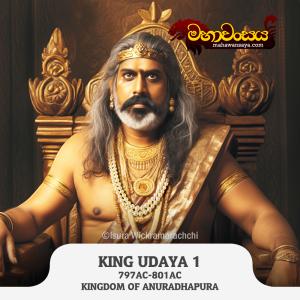
King Udaya I
797 AC-801 AC
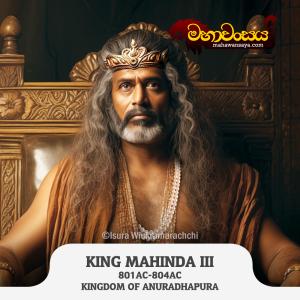
King Mahinda III
801 AC-804 AC
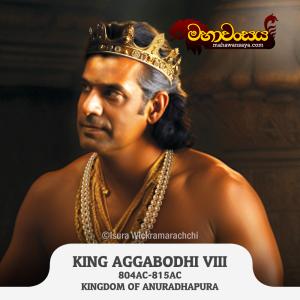
King Aggabodhi VIII
804 AC-815 AC
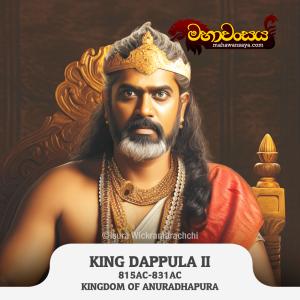
King Dappula II
815 AC-831 AC
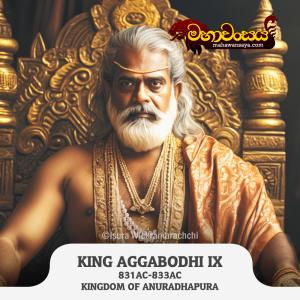
King Aggabodhi IX
831 AC-833 AC
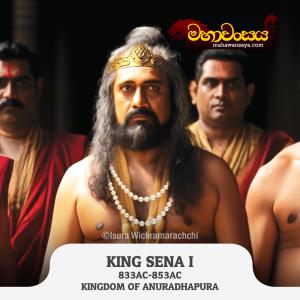
King Sena I
833 AC-853 AC
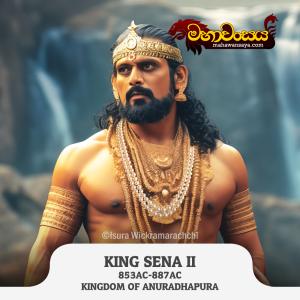
King Sena II
853 AC-887 AC
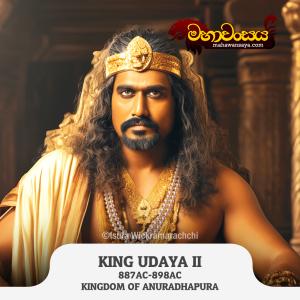
King Udaya II
887 AC-898 AC
King Kassapa IV
898 AC-914 AC
King Kassapa V
914 AC-923 AC
King Dappula III
923 AC-923 AC
King Dappula IV
923 AC-935 AC
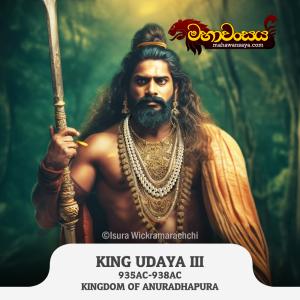
King Udaya III
935 AC-938 AC
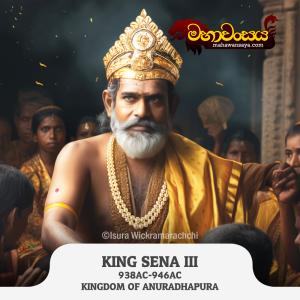
King Sena III
938 AC-946 AC
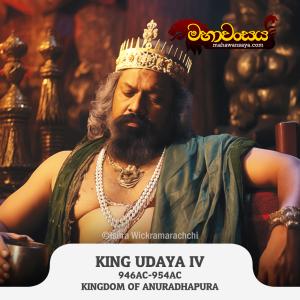
King Udaya IV
946 AC-954 AC
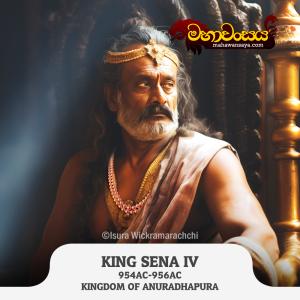
King Sena IV
954 AC-956 AC
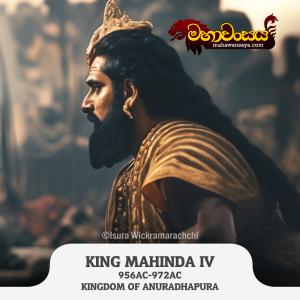
King Mahinda IV
956 AC-972 AC
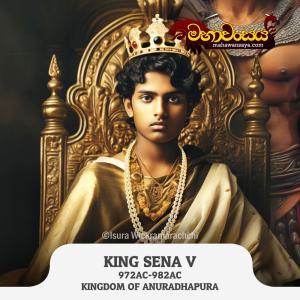
King Sena V
972 AC-982 AC
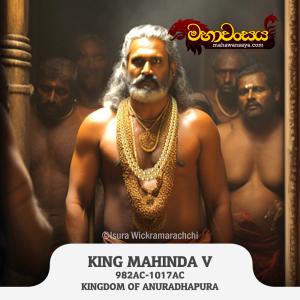
King Mahinda V
982 AC-1017 AC
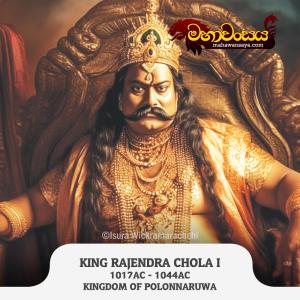
Rajendra Chola I
1017 AC-1044 AC
Rajadhiraja Chola
1044 AC-1054 AC
Rajendra Chola II
1052 AC-1064 AC
Virarajendra Chola
1064 AC-1070 AC
Athirajendra Chola
1070 AC-1070 AC
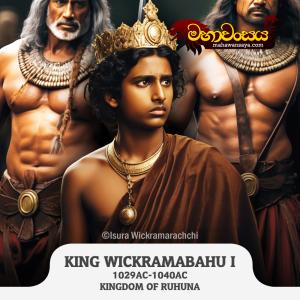
King Wickramabahu I
1029 AC-1040 AC
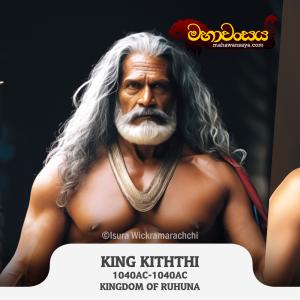
King General Keerthi
1040 AC-1040 AC
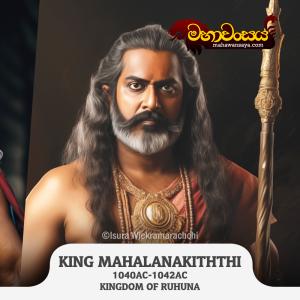
King Mahalana Kiththi
1040 AC-1042 AC
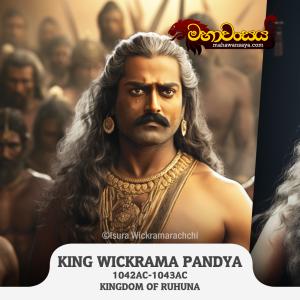
King Wickrama Pandu
1042 AC-1043 AC
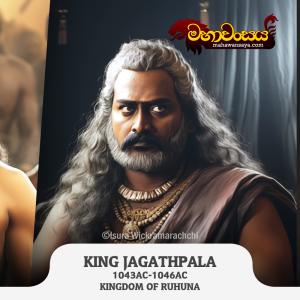
King Jagathpala
1043 AC-1046 AC
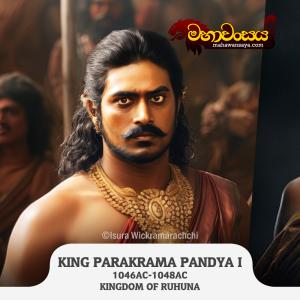
King Parakrama Pandu
1046 AC-1048 AC
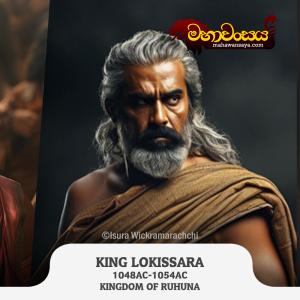
King Lokissara
1048 AC-1054 AC
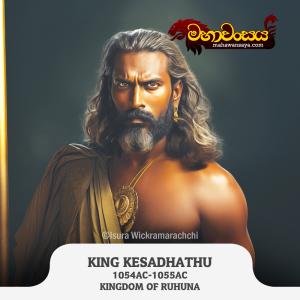
King Kesadhathu
1054 AC-1055 AC
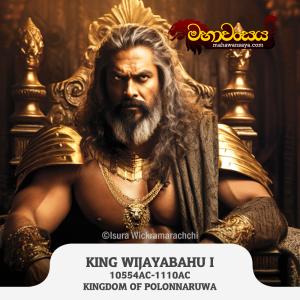
King Vijayabahu I
1055 AC-1110 AC
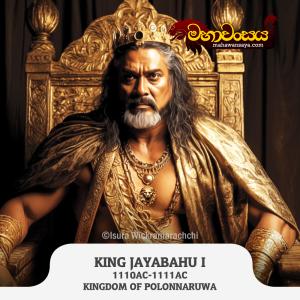
King Jayabahu I
1110 AC-1111 AC
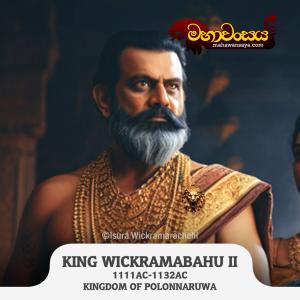
King Wickramabahu II
1111 AC-1132 AC
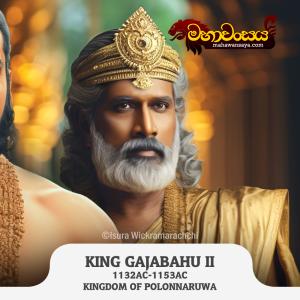
King Gajabahu II
1032 AC-1053 AC
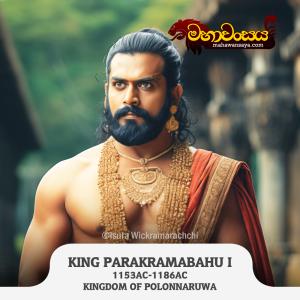
King Parakramabahu I
1053 AC-1086 AC
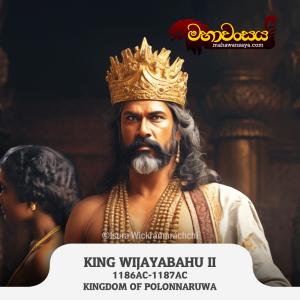
King Vijayabahu II
1186 AC-1187 AC
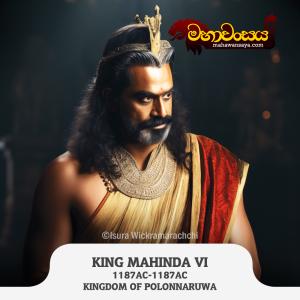
King Mahinda VI
1187 AC-1187 AC
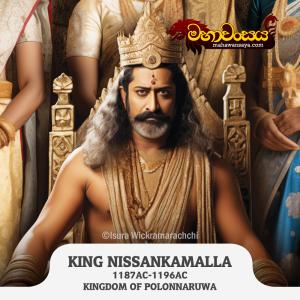
King Nissanka Malla
1187 AC-1196 AC
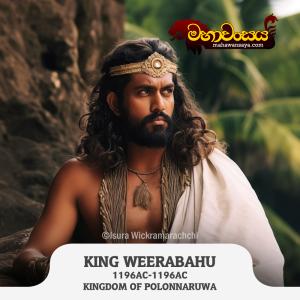
King Weerabahu I
1196 AC-1196 AC
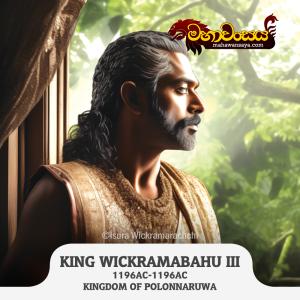
King Wickramabahu III
1196 AC-1196 AC
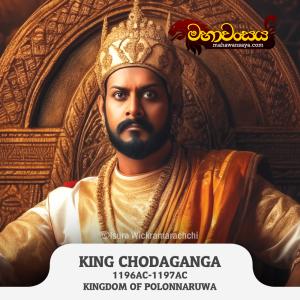
King Chodaganga
1196 AC-1197 AC
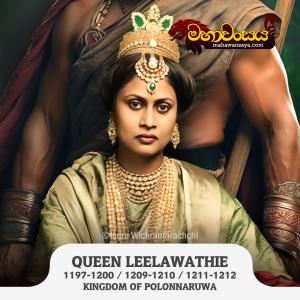
Queen Leelawathie
1197 AC-1200 AC
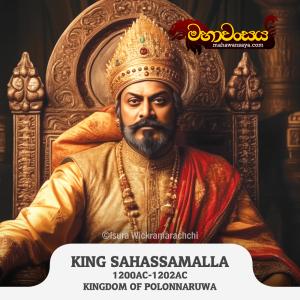
King Sahasamalla
1200 AC-1202 AC
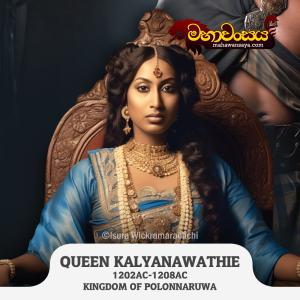
Queen Kalyanawathie
1202 AC-1208 AC
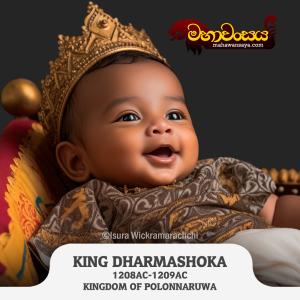
King Dharmasoka
1208 AC-1209 AC
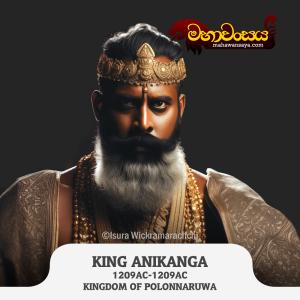
King Anikanga
1209 AC-1209 AC
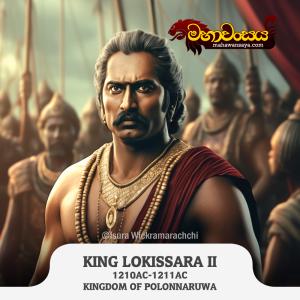
King Lokissara ii
1210 AC-1211 AC
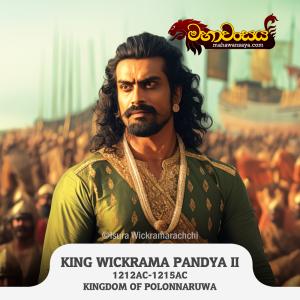
King Parakrama Pandu II
1212 AC-1215 AC
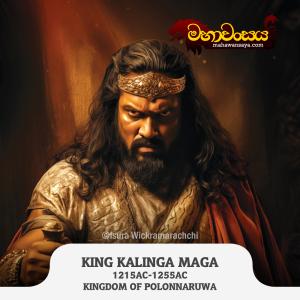
King Kalinga Magha
1215 AC-1255 AC
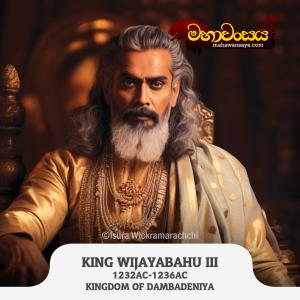
King Vijayabahu III
1232 AC-1236 AC
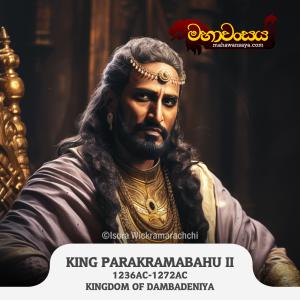
King Parakramabahu II
1236 AC-1272 AC
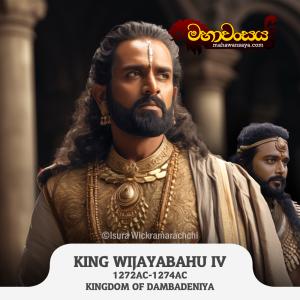
King Vijayabahu IV
1272 AC-1274 AC
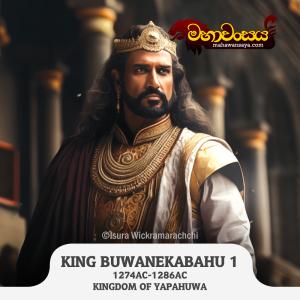
King Buvanekabahu I
1274 AC-1286 AC
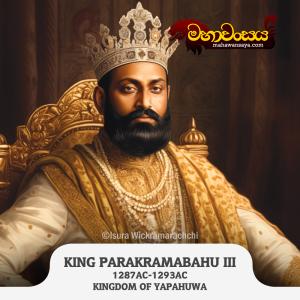
King Parakramabahu III
1287 AC-1293 AC
King Buvanekabahu II
1293 AC-1302 AC
King Parakramabahu IV
1302 AC-1326 AC
-208.jpg)
King Buvanekabahu III (Vanni B
1326 AC-1335 AC
King Vijayabahu V
1335 AC-1341 AC
King Buvanekabahu IV
1341 AC-1359 AC
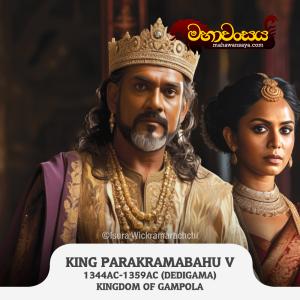
King Parakramabahu V
1344 AC-1359 AC
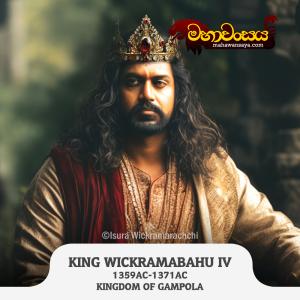
King Wickramabahu IV
1359 AC-1371 AC
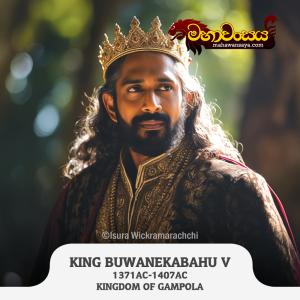
King Buvanekabahu V
1371 AC-1407 AC
-544.jpg)
King Kumara Alakeshwara (Alake
1391 AC-1391 AC
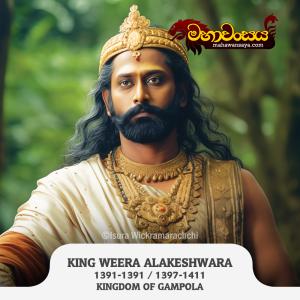
King Weera Alakesvara
1397 AC-1411 AC
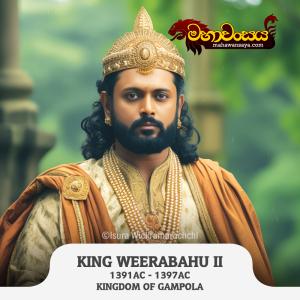
King Weerabahu II
1391 AC-1397 AC
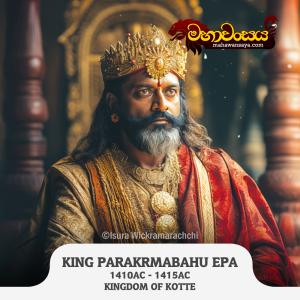
King Parakramabahu Epa
1410 AC-1415 AC
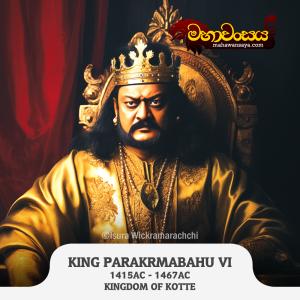
King Parakramabahu VI
1415 AC-1467 AC
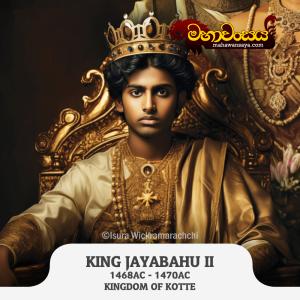
King Jayabahu II
1468 AC-1470 AC
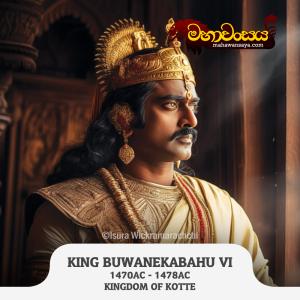
King Buvanekabahu VI
1470 AC-1478 AC
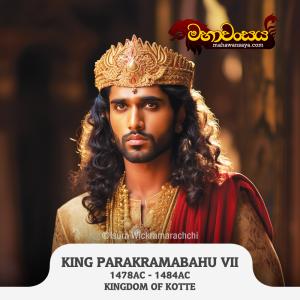
King Panditha Parakramabahu VI
1478 AC-1484 AC
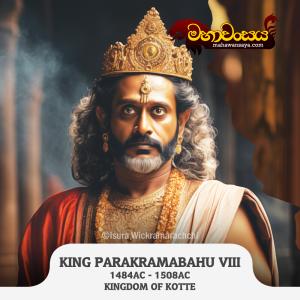
King Weera Parakramabahu VIII
1484 AC-1508 AC
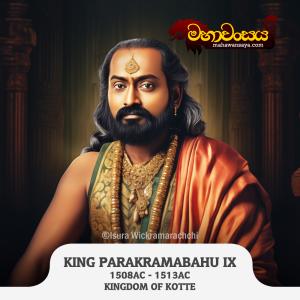
King Darma Parakramabahu IX
1508 AC-1513 AC
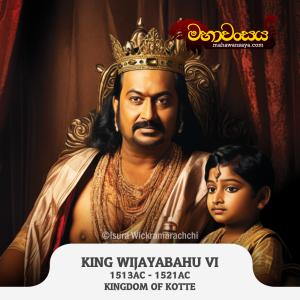
King Vijayabahu VI
1513 AC-1521 AC
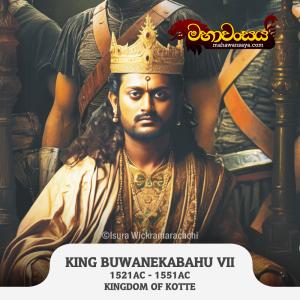
King Buvanekabahu VII
1521 AC-1551 AC
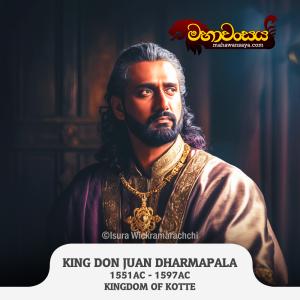
King Don Juwan Dharmapala
1551 AC-1597 AC
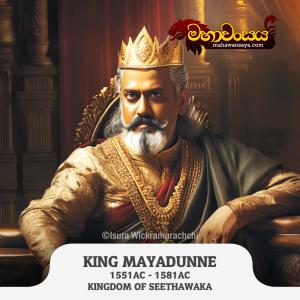
King Mayadunne
1551 AC-1581 AC
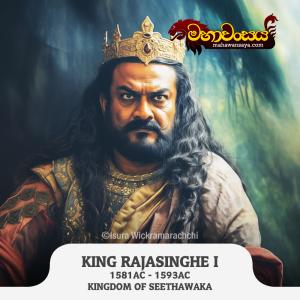
King Rajasinha I
1581 AC-1593 AC
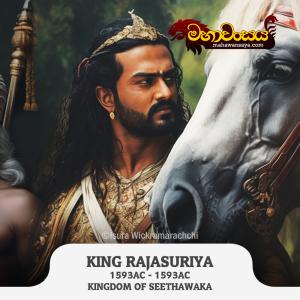
King Rajasooriya
1593 AC-1593 AC
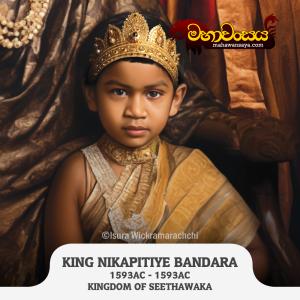
King Nikapitiye Bandara
1593 AC-1593 AC
King Wimaladharmasuriya I
1591 AC-1604 AC
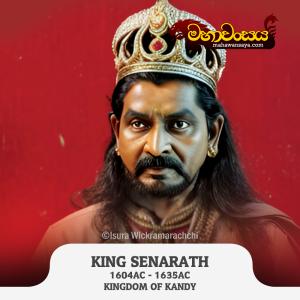
King Senarat
1604 AC-1635 AC
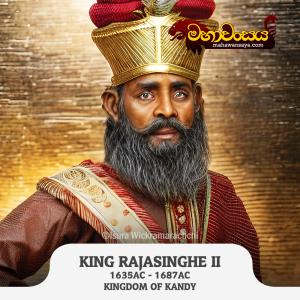
King Rajasinha II
1635 AC-1687 AC
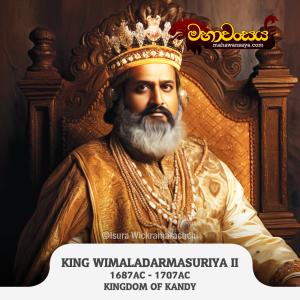
King Wimaladharmasuriya II
1687 AC-1707 AC
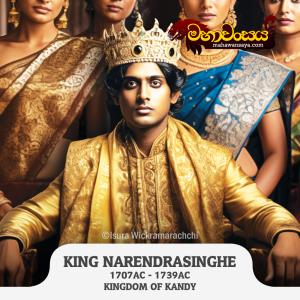
King Sri Weera Parakrama Naren
1707 AC-1739 AC
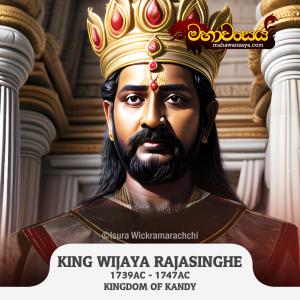
King Sri Wijaya Rajasingha
1739 AC-1747 AC
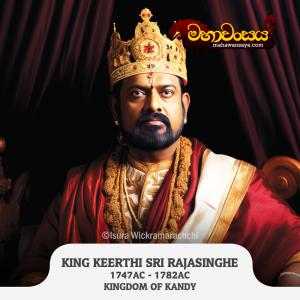
King Keerthi Sri Rajasingha
1747 AC-1782 AC
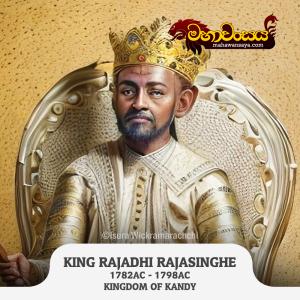
King Rajadhi Rajasinha
1782 AC-1798 AC
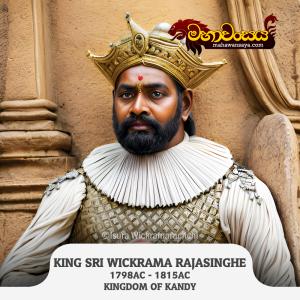
King Sri Wikrama Rajasinha
1798 AC-1815 AC

Pedro Lopes de Sousa
1594 AC-1594 AC
Joao da Silveira
1518 AC-1518 AC
Lopo de Brito
1518 AC-1522 AC
Fernao Gomes de Lemos
1522 AC-1524 AC
Joao Henriques
1551 AC-1552 AC
Diogo de Melo Coutinho
1552 AC-1552 AC
Duarte de Eca
1552 AC-1553 AC
Fernao Carvalho
1553 AC-1555 AC
Willem Jacobszoon Coster
1640 AC-1640 AC
Jan Thyszoon Payart
1640 AC-1646 AC
After a long period of instability among the royal lineages, a period of peace finally began following a power struggle. It appears that this new era commenced after Prince Manavamma, who defeated King Hunannaru Hatthadāṭha, ascended to the throne. It is clear from the Mahāvaṃsa that this prince was the son of a king who destroyed Thūpārāma, namely the second King Kaśyapa. He had a son named Māṇa, who took refuge with a princess named Sanghā, the daughter of King Malaya. In the Mahāvaṃsa copy seen by Mr. Geiger, the princess’s name is recorded as Sanghamāna. These events took place during the reign of the second King Kaśyapa, between 653–662 CE.
After King Kaśyapa’s death, the second Dāṭhōpatiṣṣa who ascended the throne became a supporter of Buddhism, though he did not consent to the succession of King Kaśyapa’s descendants.
Considering possible opposition from Dāṭhōpatiṣṣa, Prince Manavamma secretly resided in the northern region with his wife. Dāṭhōpatiṣṣa learned of this, and presumably attempted to capture the prince. On learning this, Manavamma fled to India. The Mahāvaṃsa states that Manavamma went into exile in Kaduveṭṭi country and served King Nārasiha. After forming a good relationship with this king, Manavamma returned to the island, bringing his wife and receiving support from King Nārasiha, residing in Dambadiva. The Mahāvaṃsa recounts a remarkable incident demonstrating the trust between the two.
One day, while the king was touring the city with Prince Manavamma, he was offered a coconut to drink. The king drank a little and gave the remainder to someone behind him, who turned out to be Prince Manavamma. When the prince drank it, he noticed the leftover coconut and drank it himself. The king did not consider this a wrongdoing. This act of drinking after the king, a gesture of humility and courtesy, made the two men extremely close friends.
The Mahāvaṃsa refers to King Nārasiha, and it is important to identify him. During this period, in southern India, the Pallava and Chalukya kingdoms were expanding. The Pallavas ruled Kanchipuram, the Vālukyas ruled Badami, and the Pāṇḍyas ruled Madurai, all striving to establish imperial authority. King Nārasiha is considered the first Nārasiha-varman of the Pallava lineage. The Mahāvaṃsa refers to Pallava territory as Kaduveṭṭi country, and traditional texts initially called the Pallavas Kāṭava. Later Dravidian literature refers to them as Kaduveṭṭikal, clearly identifying them as Pallavas. The Pallavas, originating from northern India, migrated southward to establish settlements. Initially, they used the Prakrit language, later becoming proficient in Sanskrit. Their first ruler was Siṃhavishṇu, who ended the Kalabhra rule and by the sixth century consolidated Pallava power with Kanchipuram as the capital.
After him, the throne passed to the first Nārasiha-varman prince. Prince Manavamma formed a friendship with this king, evident from their political cooperation. The Mahāvaṃsa records that Vallabha Rāya, a Vālukya king and second Pulakeśi, challenged King Nārasiha, and Prince Manavamma supported the Pallava king. After Nārasiha’s victory, he entered the city with Prince Manavamma and consolidated his ally. King Nārasiha arranged a force for Manavamma to help him secure the throne of Lanka. At this time, the island was ruled by Hatthadāṭha, the second Dāṭhōpatiṣṣa. As Prince Manavamma advanced with his army, King Dāṭhōpatiṣṣa fled, unable to confront him. The prince’s task was to assume the throne and defeat the enemy, but the enemy surrendered. Meanwhile, a rumor spread among the army that Manavamma suffered a severe illness. The Mahāvaṃsa’s verse on this has been interpreted differently in some accounts.
The army brought by Prince Manavamma is described as Tamil, following the Mahāvaṃsa’s convention of labeling all invaders as Tamil. The text states that the Tamil army departed after hearing of their leader’s severe illness—interpreted by some as referring to King Nārasiha, though it could also refer to Manavamma himself. Regardless, the Mahāvaṃsa makes it clear that this army was not defeated by enemies, and the throne was temporarily vacated. Having no other option, Prince Manavamma again fled to Dambadiva. His youth in India was spent during the reigns of the second Dāṭhōpatiṣṣa, fourth Aggabodhi, and Datta kings.
After Hatthadāṭha was overthrown, Prince Manavamma returned with an army, which was large. It appears that even from Dambadiva, he made alliances with some local powers and established considerable strength. Experienced in strategy, he advanced northward, gradually taking control of the country. The official in charge, Pottakuttha Senaviya, along with King Hunannaru Hatthadāṭha, confronted Manavamma, but the prince skillfully directed his forces and defeated both the army and the king. Hatthadāṭha, unable to resist, fled and died under the prince’s army. Pottakuttha fled to the Merukandara region, where his friend, a local leader, was present. This leader, loyal to Manavamma, poisoned himself along with his friend, eliminating potential threats. Consequently, Prince Manavamma secured the island and ascended the throne.
The Mahāvaṃsa provides incomplete details about Manavamma’s achievements. Some parts appear lost or missing, evident from the fact that the current Mahāvaṃsa text is preserved in four separate recensions, supporting this suspicion. Manavamma spent years overcoming foreign exile and internal strife, reestablishing a stable royal line that governed the country for several decades. His reign lasted approximately 35 years.
The Mahāvaṃsa mentions that during his reign, Manavamma engaged in pious deeds, including works at Kappagama and Seperniya, building residences at Thūpārāma for Paṃśukūlika monks, and other religious activities. Beyond these, no further details are recorded, though it is reasonable to assume that many administrative and developmental activities occurred during his long reign.
Peace was well maintained, with no internal unrest or foreign invasions recorded. The administration was well-organized, and Manavamma, having been familiar with the Pallava royal court, adapted to Pallava customs, including the use of Sanskrit, influencing Sinhala arts and architecture. It is believed that structures like Nalanda Gedige were associated with religious activities of Pallava officials. The Mahāvaṃsa also notes Pallava influences on script design, visible in Sinhala lettering and sculpture.
In summary, following about two centuries of instability, Prince Manavamma established a new royal lineage, bringing peace, stability, and administrative order. This period marked the beginning of the Anuradhapura era, a crucial epoch in the island’s history, and no inscriptions from his reign have survived. His rule lasted 35 years.