109
King Mahinda II
Kingdom of Anuradhapura
777 AC - 797 AC
777 AC - 797 AC

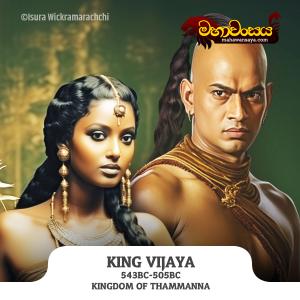
King Vijaya
543 BC-505 BC
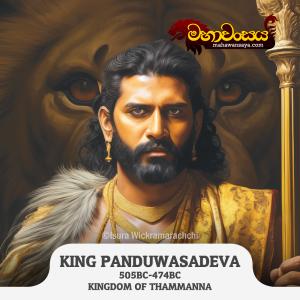
King Panduvasdeva
504 BC-474 BC
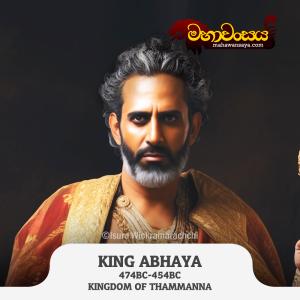
King Abhaya
474 BC-454 BC
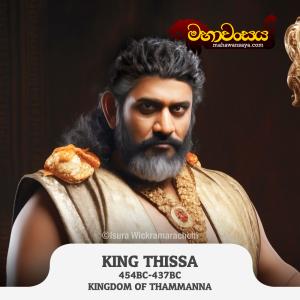
King Tissa
454 BC-437 BC
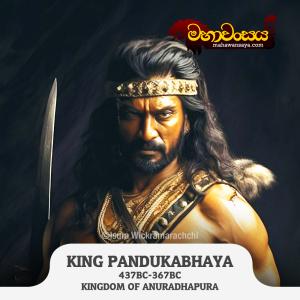
King Pandukabhaya
437 BC-367 BC
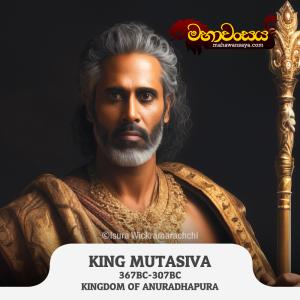
King Mutasiva
367 BC-307 BC
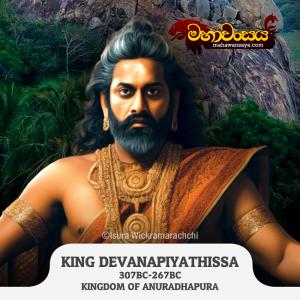
King Devanampiya Tissa
307 BC-267 BC
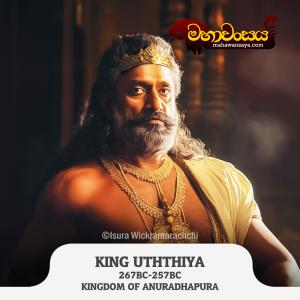
King Uttiya
267 BC-257 BC
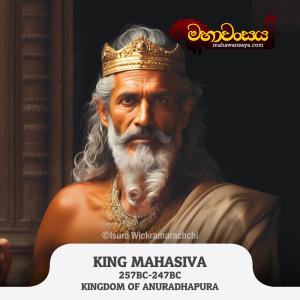
King Mahasiva
257 BC-247 BC
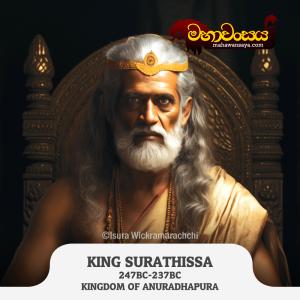
King Suratissa
247 BC-237 BC
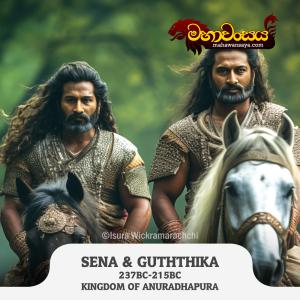
Sena and Guttika
237 BC-215 BC
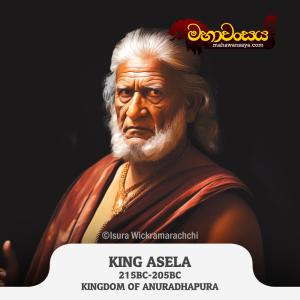
King Asela
215 BC-205 BC
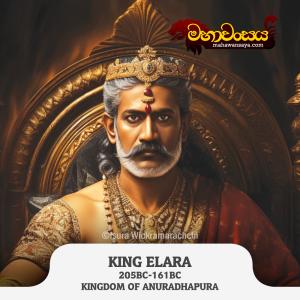
King Elara
205 BC-161 BC
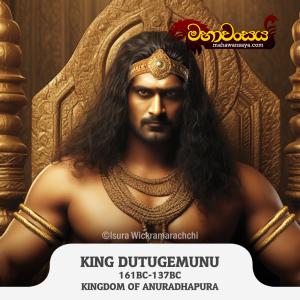
King Dutugemunu
161 BC-137 BC
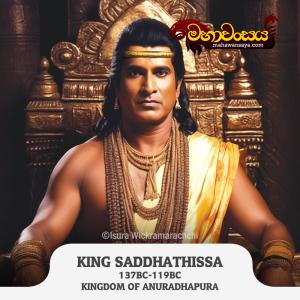
King Saddha Tissa
137 BC-119 BC
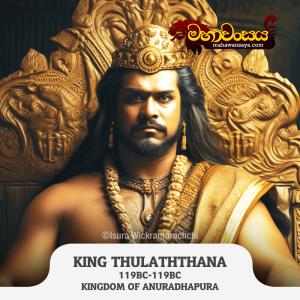
King Thulatthana
119 BC-119 BC
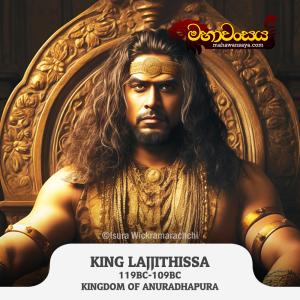
King Lajjithissa
119 BC-109 BC
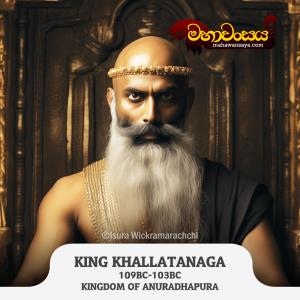
King Khallata Naga
109 BC-103 BC
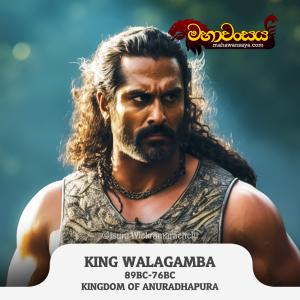
King Walagamba
89 BC-76 BC
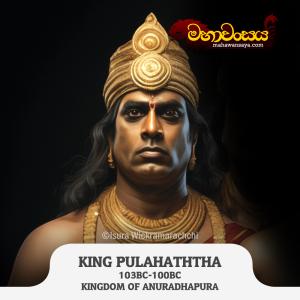
King Pulahaththa
103 BC-100 BC
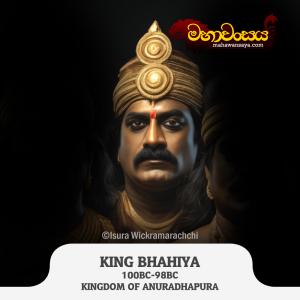
King Bhahiya
100 BC-98 BC
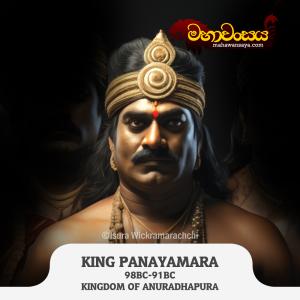
King Panayamara
98 BC-91 BC
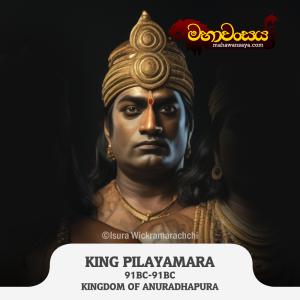
King Piliyamara
91 BC-91 BC
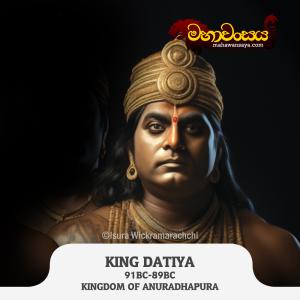
King Dathiya
91 BC-89 BC
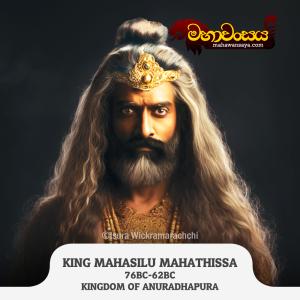
King Mahachulikamahathissa
76 BC-62 BC
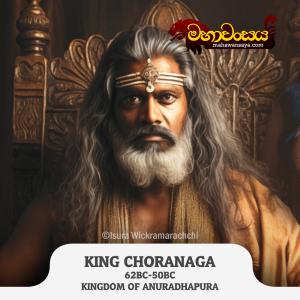
King Choranaga
62 BC-50 BC
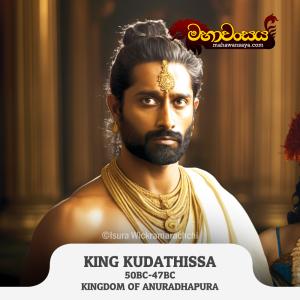
King Kuda Thissa
50 BC-47 BC
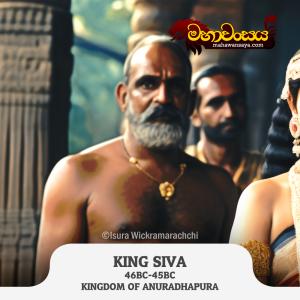
King Siva I
47 BC-45 BC
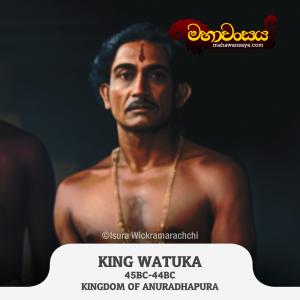
King Vatuka
45 BC-44 BC
King Darubhatika Tissa
44 BC-43 BC
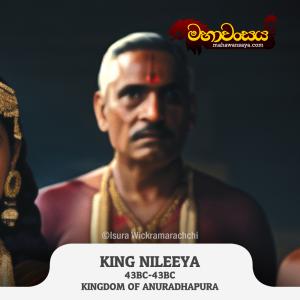
King Neeliya
43 BC-43 BC
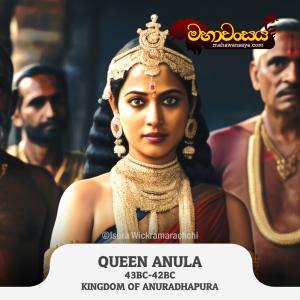
Queen Anula
43 BC-42 BC
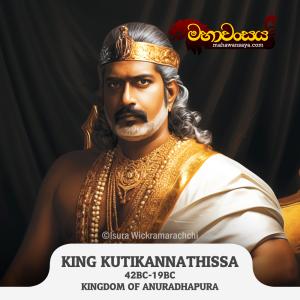
King Kutikanna Tissa
42 BC-19 BC
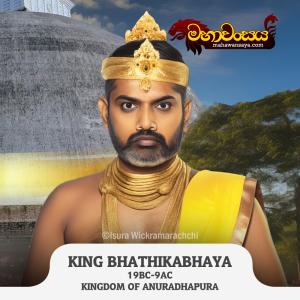
King Bhathikabhaya
19 BC-9 AC
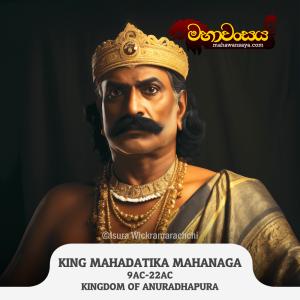
King Mahadatika Mahanaga
9 AC-22 AC
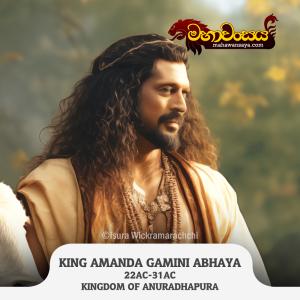
King Amandagamani Abhaya
22 AC-31 AC
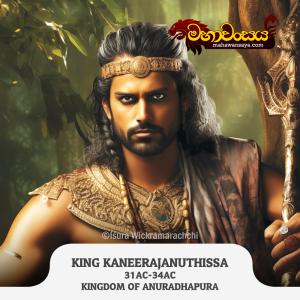
King Kanirajanu Tissa
31 AC-34 AC
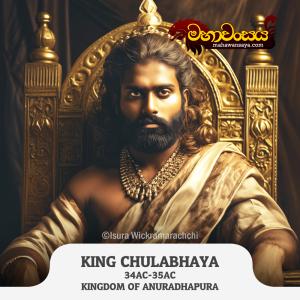
King Chulabhaya
34 AC-35 AC
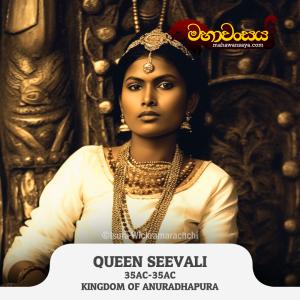
Queen Seevali
35 AC-35 AC
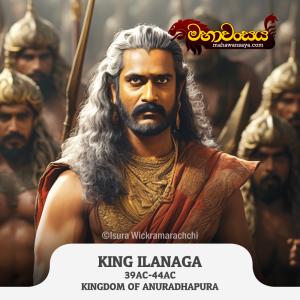
King Ilanaga
39 AC-44 AC
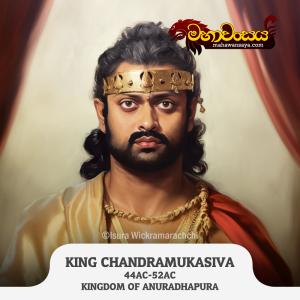
King Chandra Mukha Siva
44 AC-52 AC
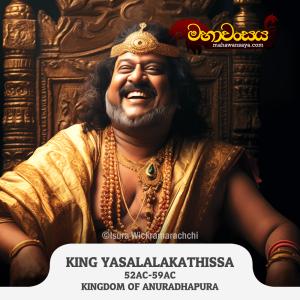
King Yassalalaka Thissa
52 AC-59 AC
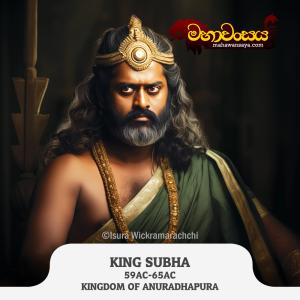
King Subha
59 AC-65 AC
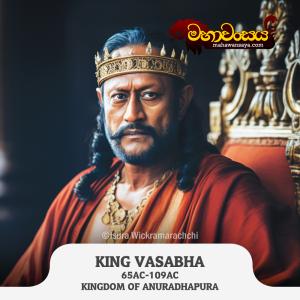
King Vasabha
65 AC-109 AC
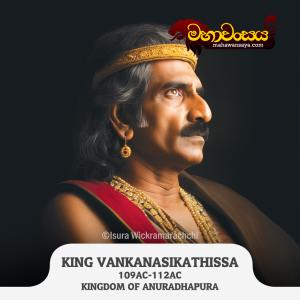
King Vankanasika Tissa
109 AC-112 AC
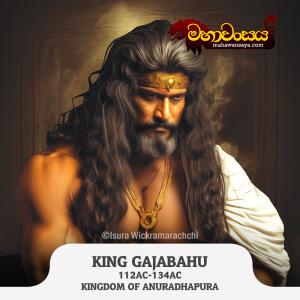
King Gajabahu I
112 AC-134 AC
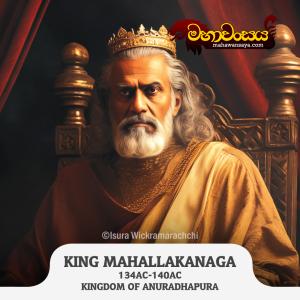
King Mahallaka Naga
134 AC-140 AC
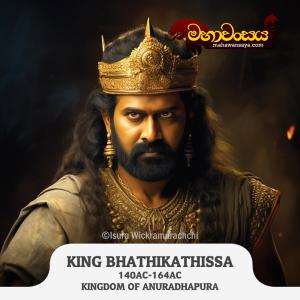
King Bhathika Thissa
140 AC-164 AC
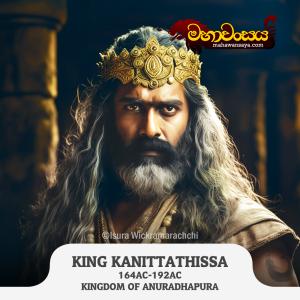
King Kanitta Tissa
164 AC-192 AC
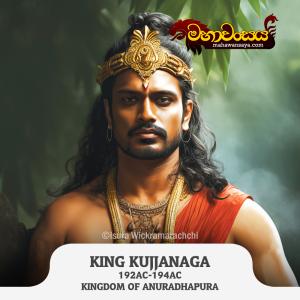
King Kujjanaga
192 AC-194 AC
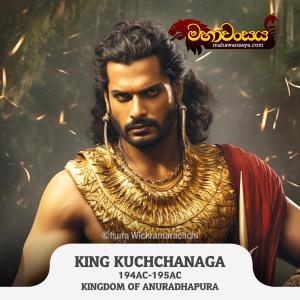
King Kudda Naga
194 AC-195 AC
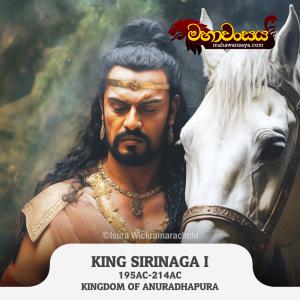
King Sirinaga I
195 AC-214 AC
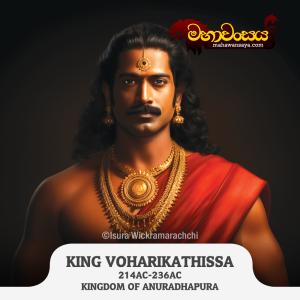
King Voharika Tissa
214 AC-236 AC
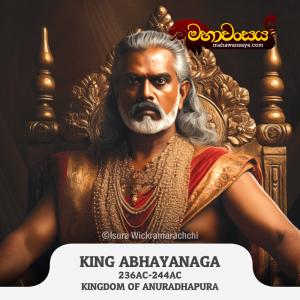
King Abhaya Naga
236 AC-244 AC
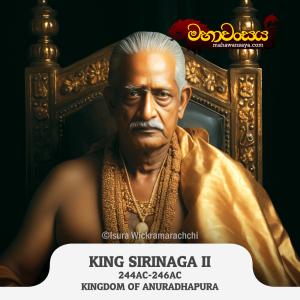
King Sirinaga II
244 AC-246 AC
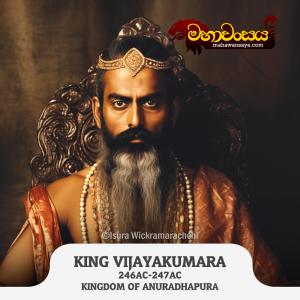
King Vijaya Kumara
246 AC-247 AC
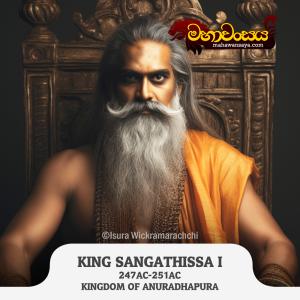
King Sangha Tissa I
247 AC-251 AC
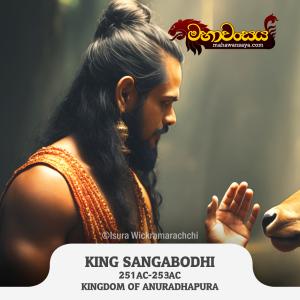
King Siri Sangha Bodhi I
251 AC-253 AC
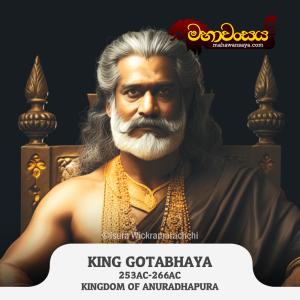
King Gotabhaya
253 AC-266 AC
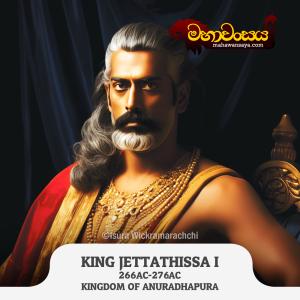
King Jetta Tissa I
266 AC-276 AC
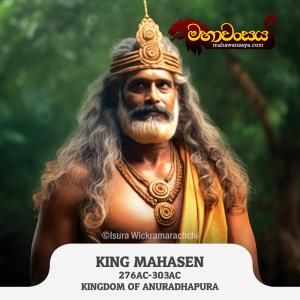
King Mahasen
276 AC-303 AC
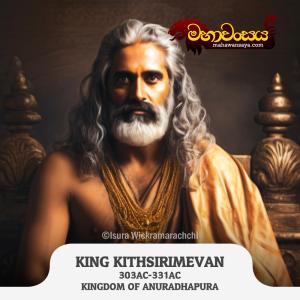
King Kithsirimewan
303 AC-331 AC
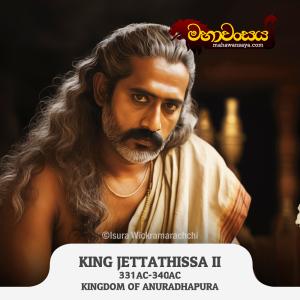
King Jetta Tissa II
331 AC-340 AC
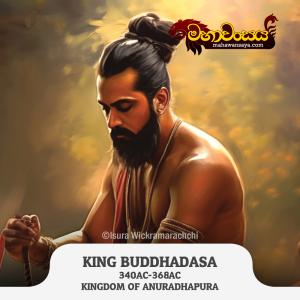
King Buddhadasa
340 AC-368 AC
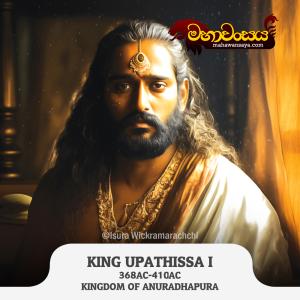
King Upatissa I
368 AC-410 AC
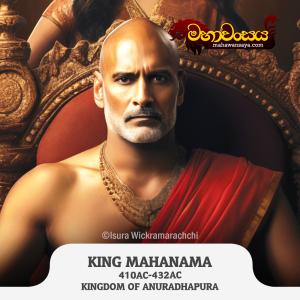
King Mahanama
410 AC-432 AC
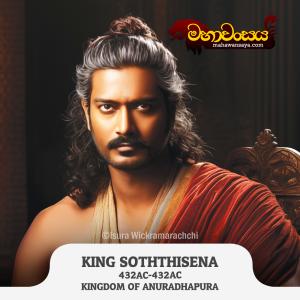
King Soththisena
432 AC-432 AC
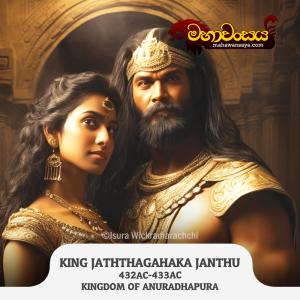
King Jaththagahaka Janthu
432 AC-433 AC
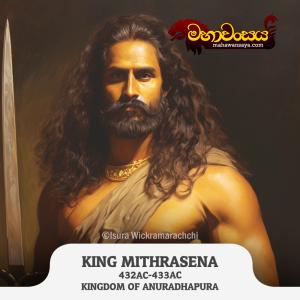
King Miththasena
432 AC-433 AC
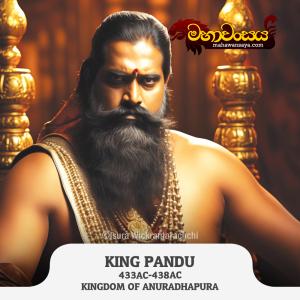
King Pandu
433 AC-438 AC
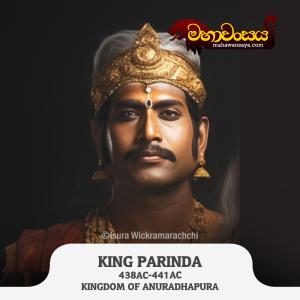
King Parinda
438 AC-441 AC
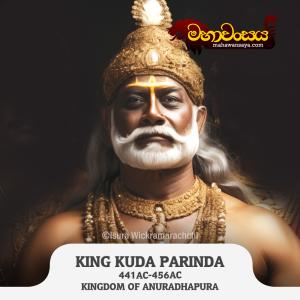
King Kuda Parinda
441 AC-456 AC
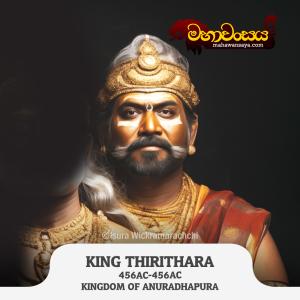
King Thirithara
456 AC-456 AC
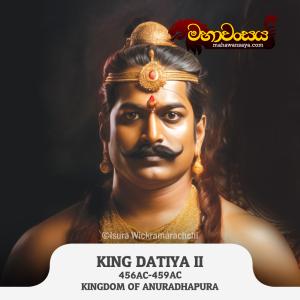
King Datiya II
456 AC-459 AC
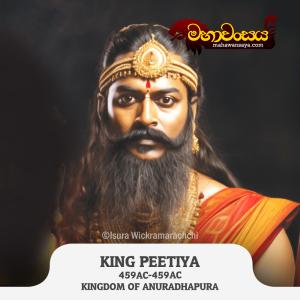
King Peetiya
459 AC-459 AC
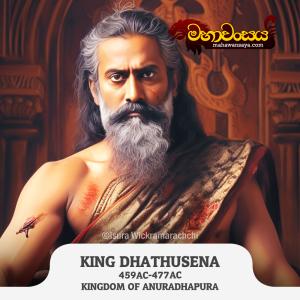
King Dhathusena
459 AC-477 AC
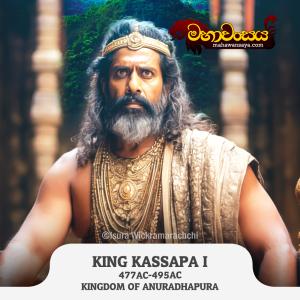
King Kassapa I
477 AC-495 AC
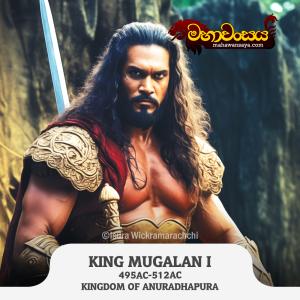
King Mugalan I
495 AC-512 AC
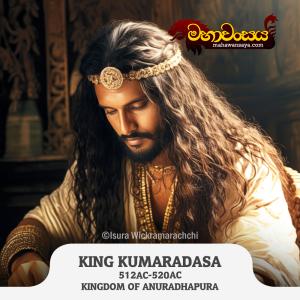
King Kumaradasa
512 AC-520 AC
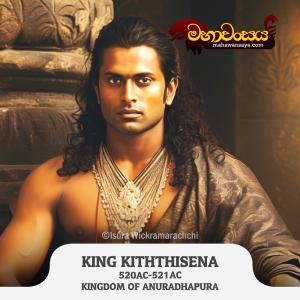
King Kiththisena
520 AC-521 AC
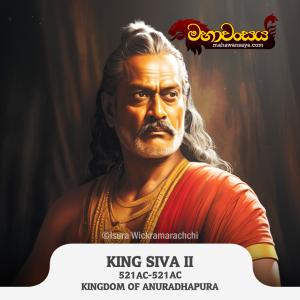
King Siva II
521 AC-521 AC
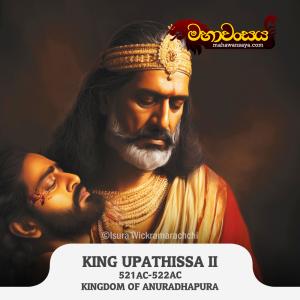
King Upatissa II
521 AC-522 AC
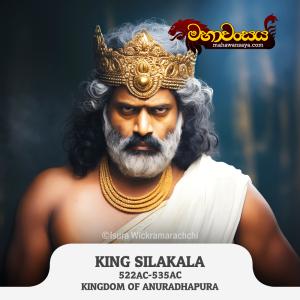
King Silakala
522 AC-535 AC
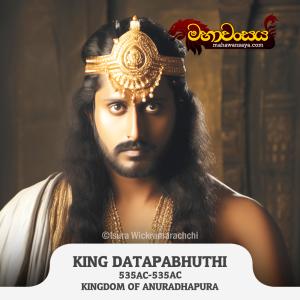
King Datappabhuthi
535 AC-535 AC
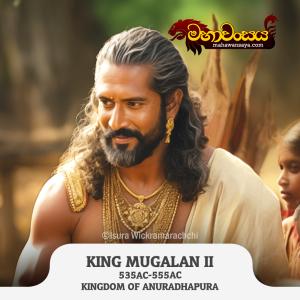
King Mugalan II
535 AC-555 AC
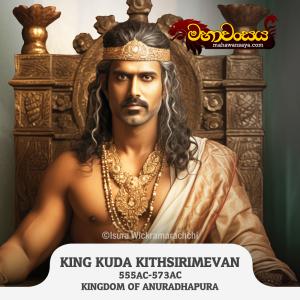
King Kiththisirimegha
555 AC-573 AC
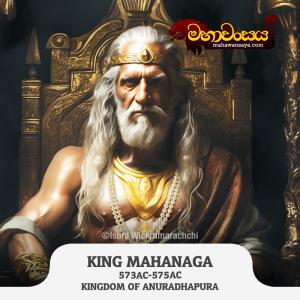
King Mahanaga
573 AC-575 AC
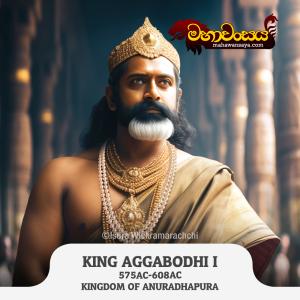
King Aggabodhi I
575 AC-608 AC
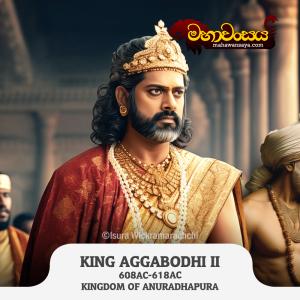
King Aggabodhi II
608 AC-618 AC
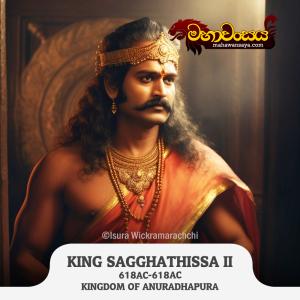
King Sangha Tissa II
618 AC-618 AC
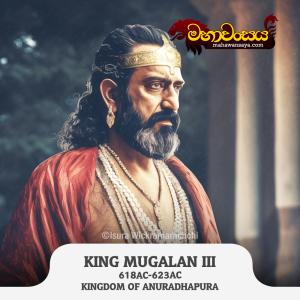
King Mugalan III
618 AC-623 AC
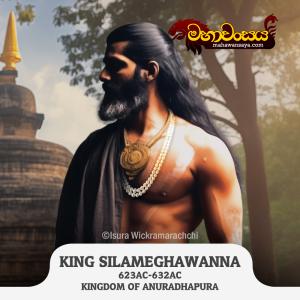
King Silameghavanna
623 AC-632 AC
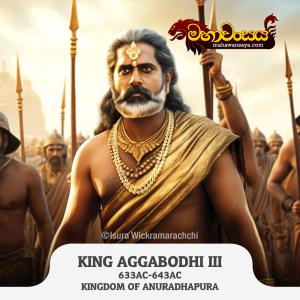
King Aggabodhi III
633 AC-643 AC
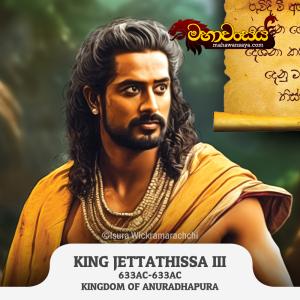
King Jetta Tissa III
633 AC-633 AC
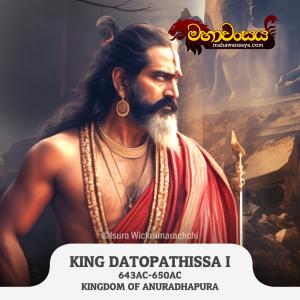
King Datopathissa i
643 AC-650 AC
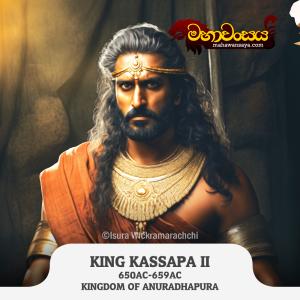
King Kassapa II
650 AC-659 AC
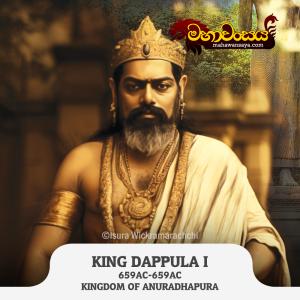
King Dappula I
659 AC-659 AC
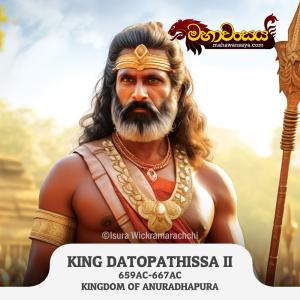
King Datopathissa II
659 AC-667 AC
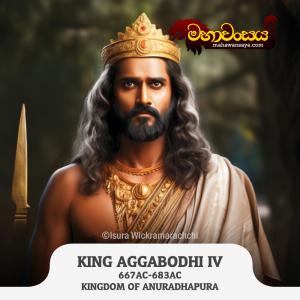
King Aggabodhi IV
667 AC-683 AC
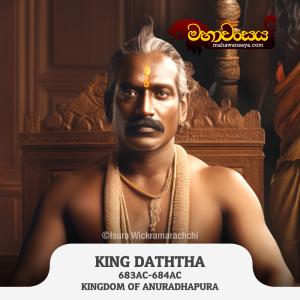
King Daththa
683 AC-684 AC
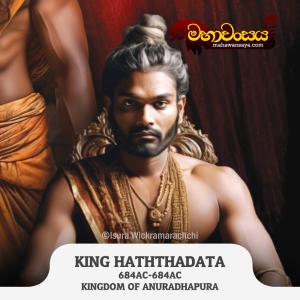
King Haththadata
684 AC-684 AC
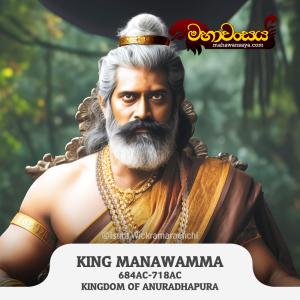
King Manavamma
684 AC-718 AC
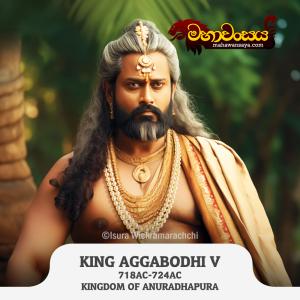
King Aggabodhi V
718 AC-724 AC
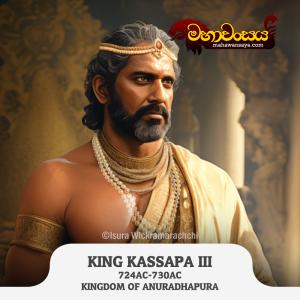
King Kassapa III
724 AC-730 AC
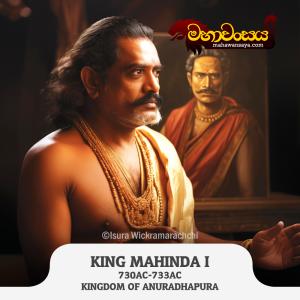
King Mahinda I
730 AC-733 AC
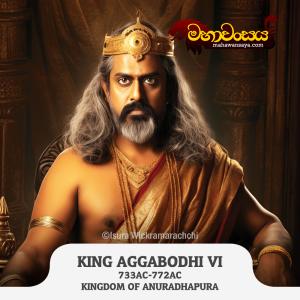
King Aggabodhi VI
733 AC-772 AC
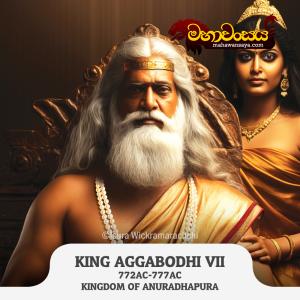
King Aggabodhi VII
772 AC-777 AC
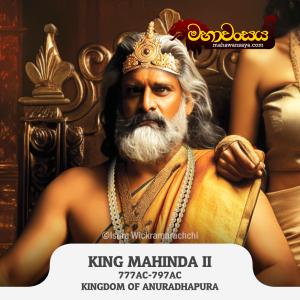
King Mahinda II
777 AC-797 AC
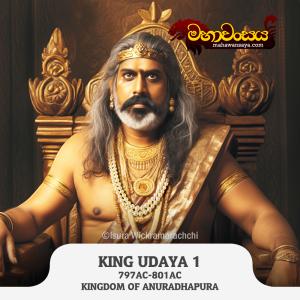
King Udaya I
797 AC-801 AC
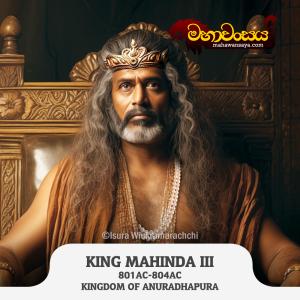
King Mahinda III
801 AC-804 AC
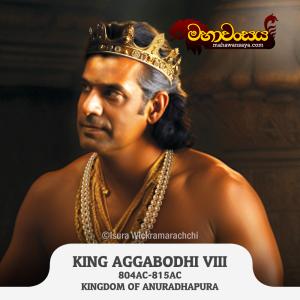
King Aggabodhi VIII
804 AC-815 AC
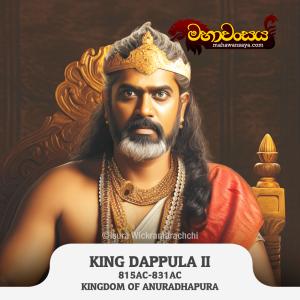
King Dappula II
815 AC-831 AC
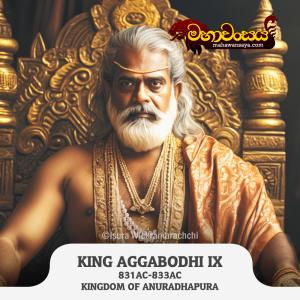
King Aggabodhi IX
831 AC-833 AC
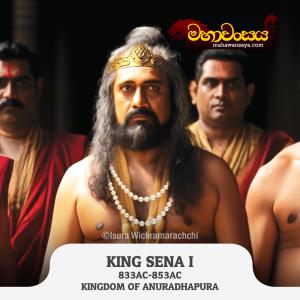
King Sena I
833 AC-853 AC
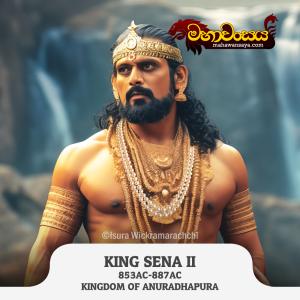
King Sena II
853 AC-887 AC
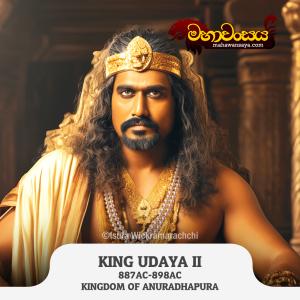
King Udaya II
887 AC-898 AC
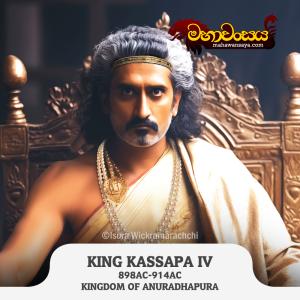
King Kassapa IV
898 AC-914 AC
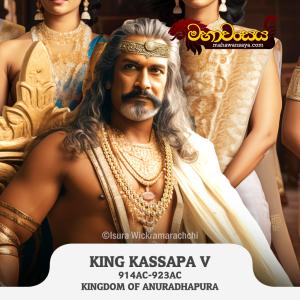
King Kassapa V
914 AC-923 AC
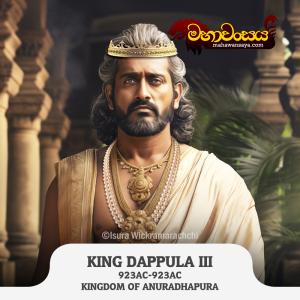
King Dappula III
923 AC-923 AC
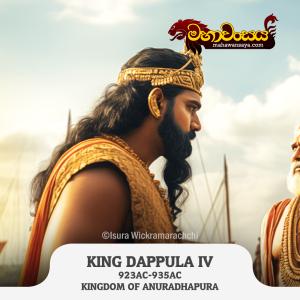
King Dappula IV
923 AC-935 AC
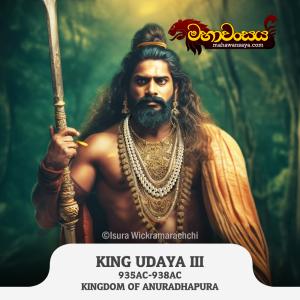
King Udaya III
935 AC-938 AC
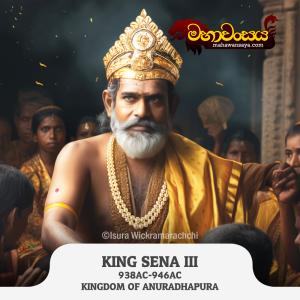
King Sena III
938 AC-946 AC
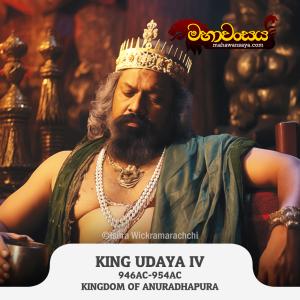
King Udaya IV
946 AC-954 AC
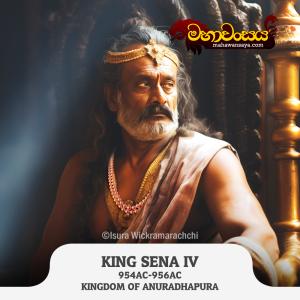
King Sena IV
954 AC-956 AC
King Mahinda IV
956 AC-972 AC
King Sena V
972 AC-982 AC
King Mahinda V
982 AC-1017 AC
Rajendra Chola I
1017 AC-1044 AC
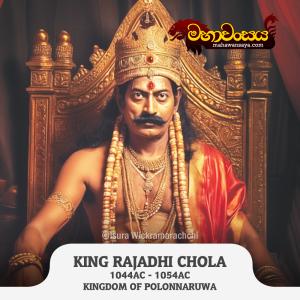
Rajadhiraja Chola
1044 AC-1054 AC
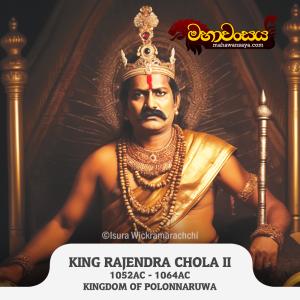
Rajendra Chola II
1052 AC-1064 AC
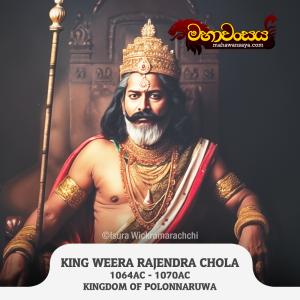
Virarajendra Chola
1064 AC-1070 AC
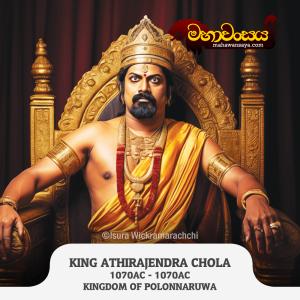
Athirajendra Chola
1070 AC-1070 AC
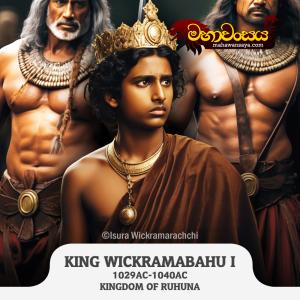
King Wickramabahu I
1029 AC-1040 AC
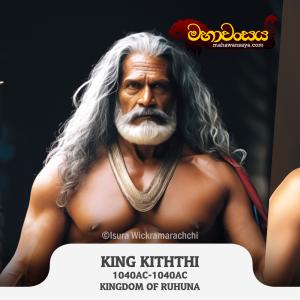
King General Keerthi
1040 AC-1040 AC
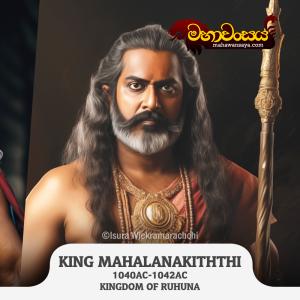
King Mahalana Kiththi
1040 AC-1042 AC
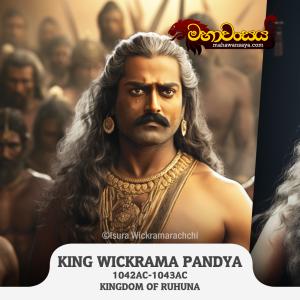
King Wickrama Pandu
1042 AC-1043 AC
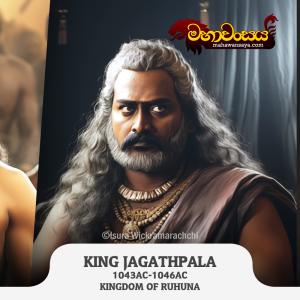
King Jagathpala
1043 AC-1046 AC
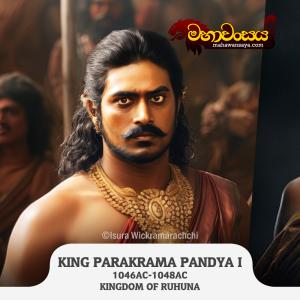
King Parakrama Pandu
1046 AC-1048 AC
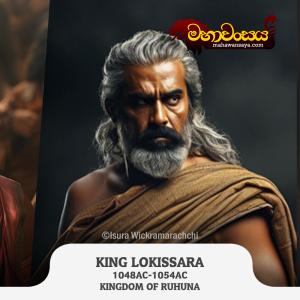
King Lokissara
1048 AC-1054 AC
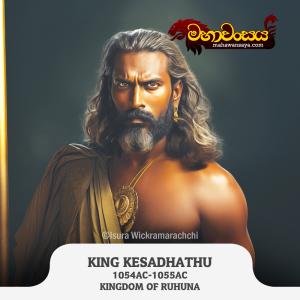
King Kesadhathu
1054 AC-1055 AC
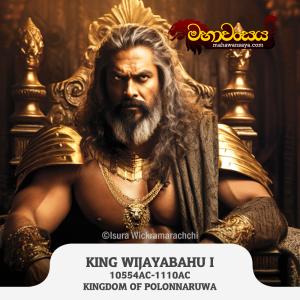
King Vijayabahu I
1055 AC-1110 AC
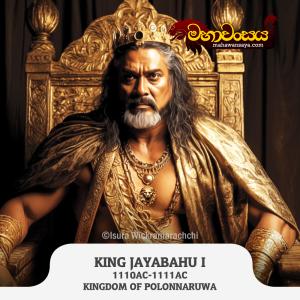
King Jayabahu I
1110 AC-1111 AC
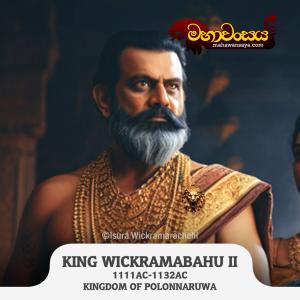
King Wickramabahu II
1111 AC-1132 AC
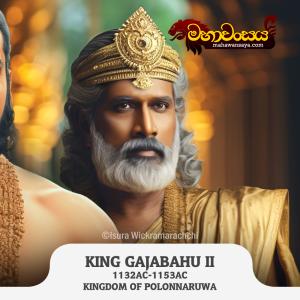
King Gajabahu II
1032 AC-1053 AC
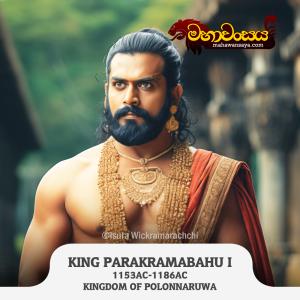
King Parakramabahu I
1053 AC-1086 AC
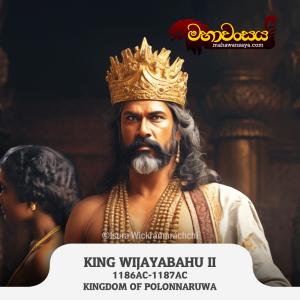
King Vijayabahu II
1186 AC-1187 AC
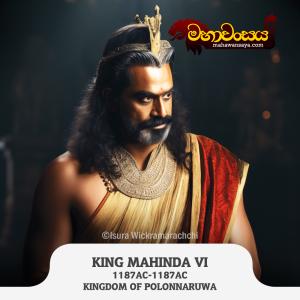
King Mahinda VI
1187 AC-1187 AC
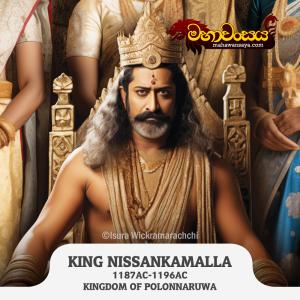
King Nissanka Malla
1187 AC-1196 AC
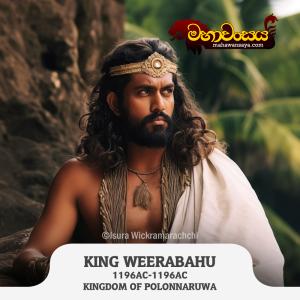
King Weerabahu I
1196 AC-1196 AC
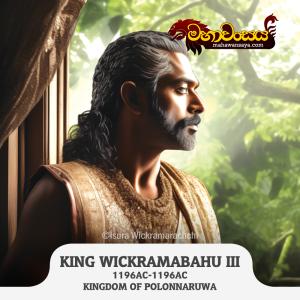
King Wickramabahu III
1196 AC-1196 AC
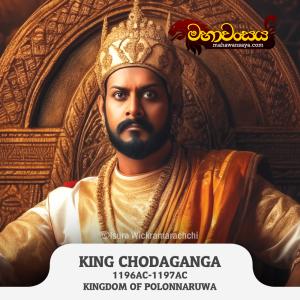
King Chodaganga
1196 AC-1197 AC
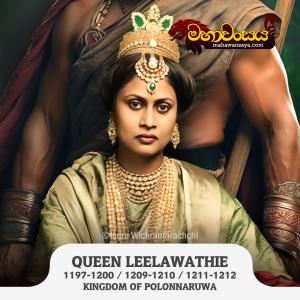
Queen Leelawathie
1197 AC-1200 AC
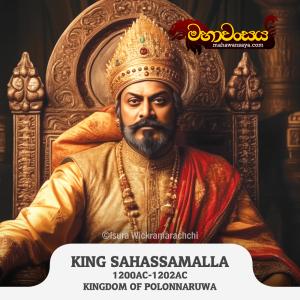
King Sahasamalla
1200 AC-1202 AC
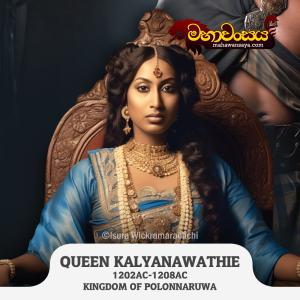
Queen Kalyanawathie
1202 AC-1208 AC
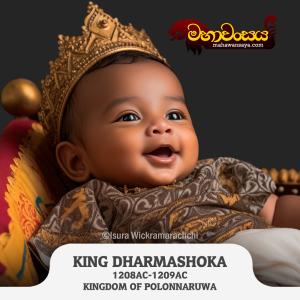
King Dharmasoka
1208 AC-1209 AC
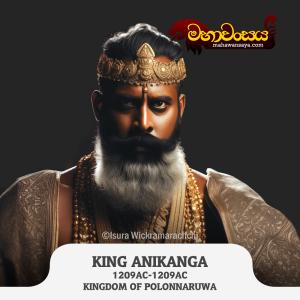
King Anikanga
1209 AC-1209 AC
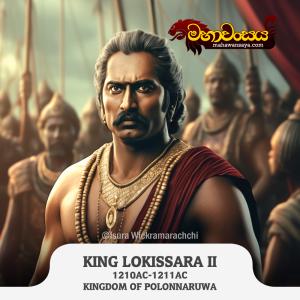
King Lokissara ii
1210 AC-1211 AC
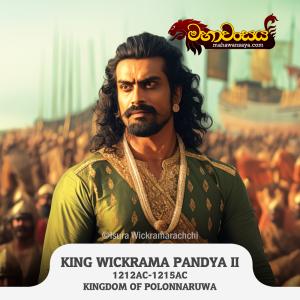
King Parakrama Pandu II
1212 AC-1215 AC
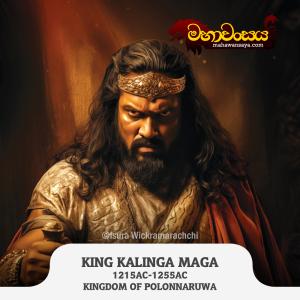
King Kalinga Magha
1215 AC-1255 AC
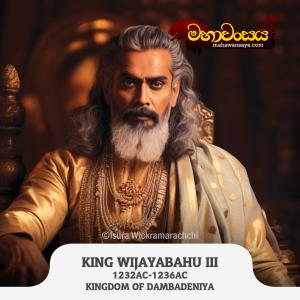
King Vijayabahu III
1232 AC-1236 AC
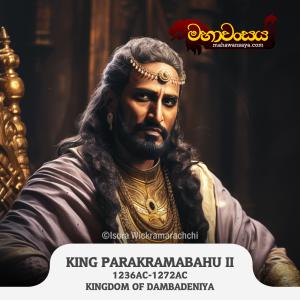
King Parakramabahu II
1236 AC-1272 AC
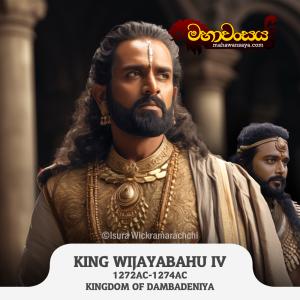
King Vijayabahu IV
1272 AC-1274 AC
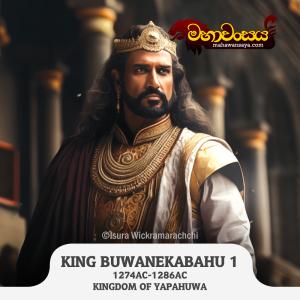
King Buvanekabahu I
1274 AC-1286 AC
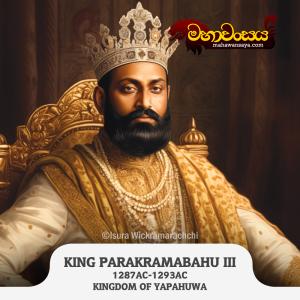
King Parakramabahu III
1287 AC-1293 AC
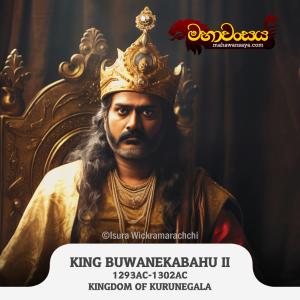
King Buvanekabahu II
1293 AC-1302 AC
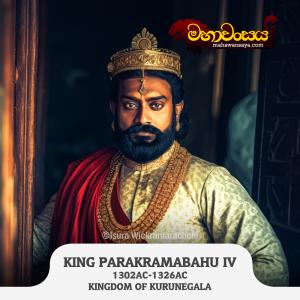
King Parakramabahu IV
1302 AC-1326 AC
-208.jpg)
King Buvanekabahu III (Vanni B
1326 AC-1335 AC
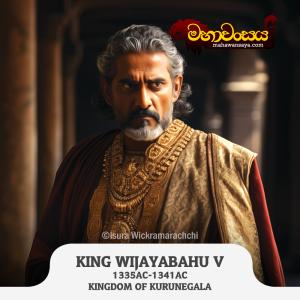
King Vijayabahu V
1335 AC-1341 AC
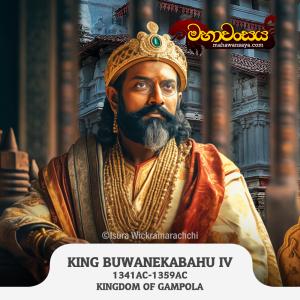
King Buvanekabahu IV
1341 AC-1359 AC
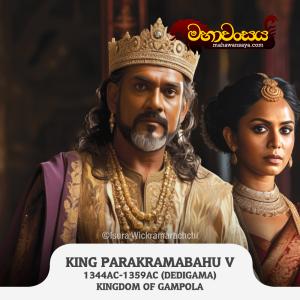
King Parakramabahu V
1344 AC-1359 AC
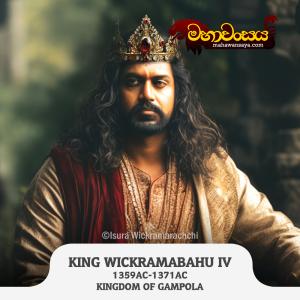
King Wickramabahu IV
1359 AC-1371 AC
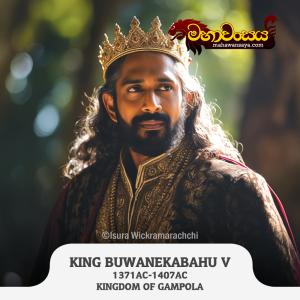
King Buvanekabahu V
1371 AC-1407 AC
-544.jpg)
King Kumara Alakeshwara (Alake
1391 AC-1391 AC
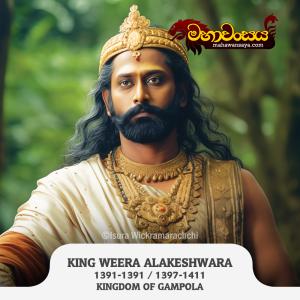
King Weera Alakesvara
1397 AC-1411 AC
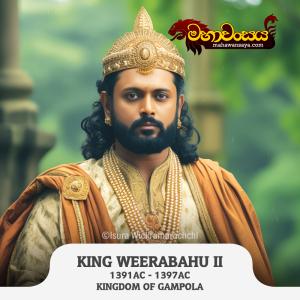
King Weerabahu II
1391 AC-1397 AC
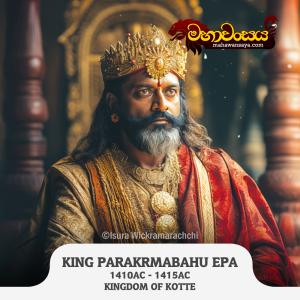
King Parakramabahu Epa
1410 AC-1415 AC
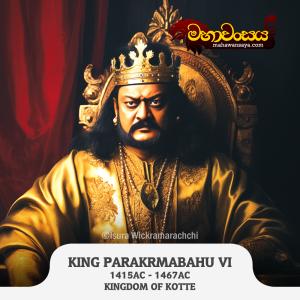
King Parakramabahu VI
1415 AC-1467 AC
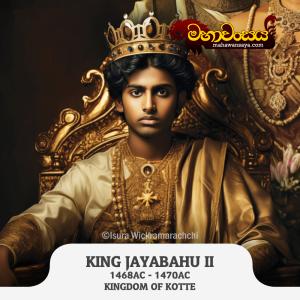
King Jayabahu II
1468 AC-1470 AC
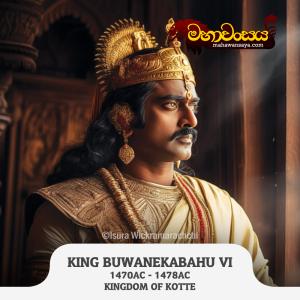
King Buvanekabahu VI
1470 AC-1478 AC
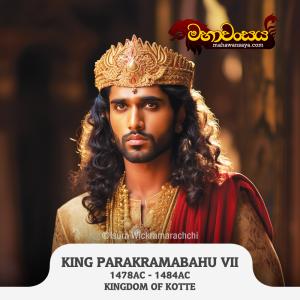
King Panditha Parakramabahu VI
1478 AC-1484 AC
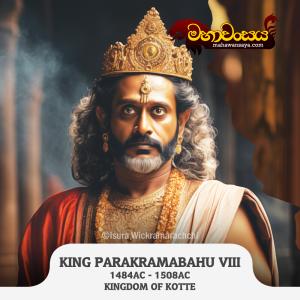
King Weera Parakramabahu VIII
1484 AC-1508 AC
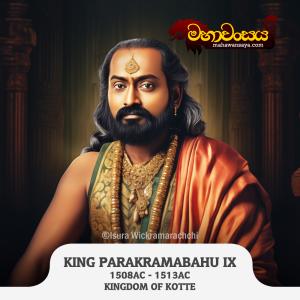
King Darma Parakramabahu IX
1508 AC-1513 AC
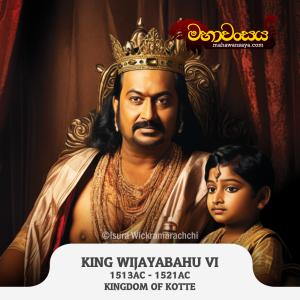
King Vijayabahu VI
1513 AC-1521 AC
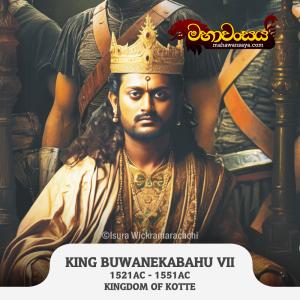
King Buvanekabahu VII
1521 AC-1551 AC
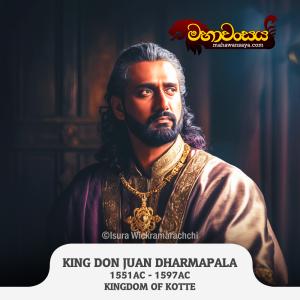
King Don Juwan Dharmapala
1551 AC-1597 AC
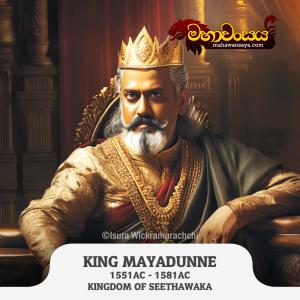
King Mayadunne
1551 AC-1581 AC
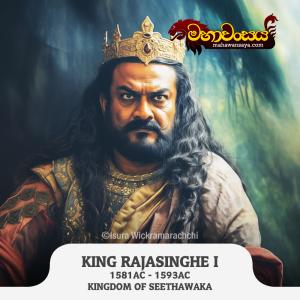
King Rajasinha I
1581 AC-1593 AC
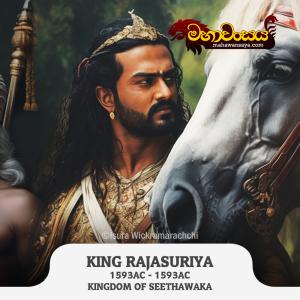
King Rajasooriya
1593 AC-1593 AC
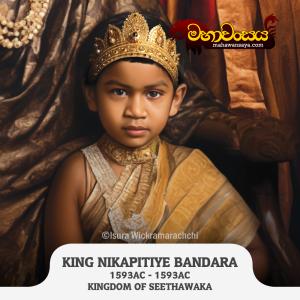
King Nikapitiye Bandara
1593 AC-1593 AC
King Wimaladharmasuriya I
1591 AC-1604 AC
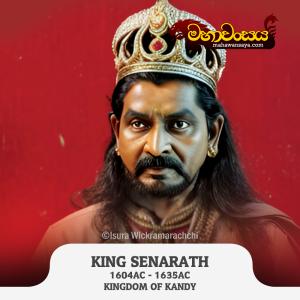
King Senarat
1604 AC-1635 AC
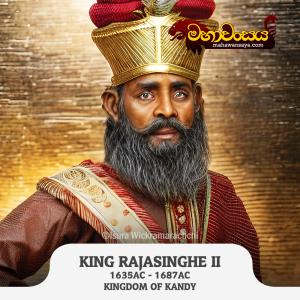
King Rajasinha II
1635 AC-1687 AC
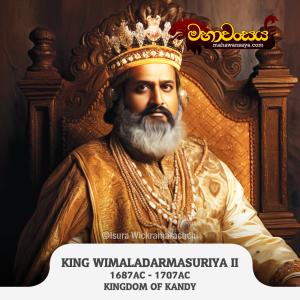
King Wimaladharmasuriya II
1687 AC-1707 AC
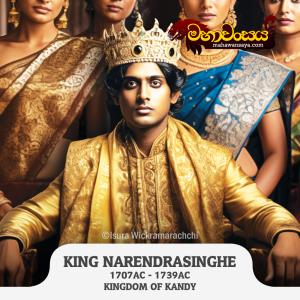
King Sri Weera Parakrama Naren
1707 AC-1739 AC
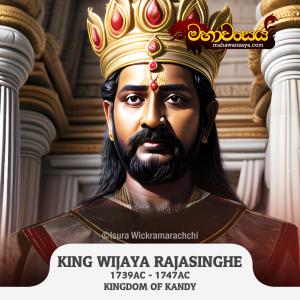
King Sri Wijaya Rajasingha
1739 AC-1747 AC
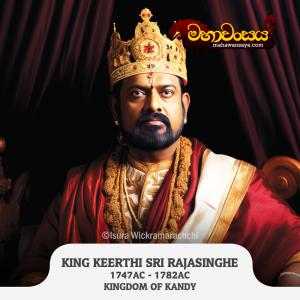
King Keerthi Sri Rajasingha
1747 AC-1782 AC
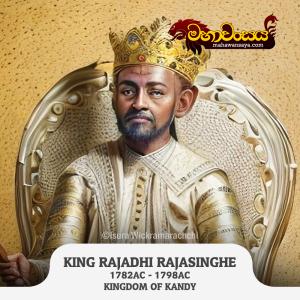
King Rajadhi Rajasinha
1782 AC-1798 AC
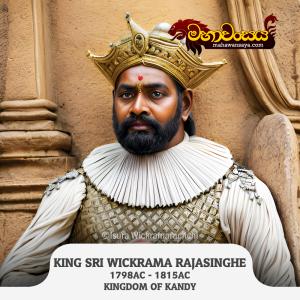
King Sri Wikrama Rajasinha
1798 AC-1815 AC

Pedro Lopes de Sousa
1594 AC-1594 AC
Joao da Silveira
1518 AC-1518 AC
Lopo de Brito
1518 AC-1522 AC
Fernao Gomes de Lemos
1522 AC-1524 AC
Joao Henriques
1551 AC-1552 AC
Diogo de Melo Coutinho
1552 AC-1552 AC
Duarte de Eca
1552 AC-1553 AC
Fernao Carvalho
1553 AC-1555 AC
Willem Jacobszoon Coster
1640 AC-1640 AC
Jan Thyszoon Payart
1640 AC-1646 AC
The seventh King Aggabodhi had a son named Mahinda. He acted as sub-king, but since he died prematurely, the position of sub-king remained vacant. Traditionally, this meant that there was no member of the royal family to inherit the throne. However, there was a heir to fill that gap. He was Prince Mihindu, the son of Salamevan Aggabo, or the sixth King Aggabodhi. During this time, the seventh King Aggabodhi called him, appointed him to the position of commander, and entrusted him with the administration of the kingdom. However, he did not accept the position. After King Aggabodhi, the throne was succeeded by this Prince Mahinda.
The Mahāvaṃsa states the following regarding this. The sixth King Aggabodhi asked astrologers to examine the birth stars of Prince Mahinda. They declared the prince to be suitable for the kingdom. The king instructed them to record this secretly and not reveal it to anyone, and he safely raised the prince in hiding. When the prince came of age, he was granted the position of commander. During the conflict between the sixth and seventh King Aggabodhi, the administration of the kingdom was entrusted to Prince Mahinda. However, after his father’s death, he refused to take the position of commander under the seventh King Aggabodhi. He acted as the governor of Mahathiththa (Mannar) instead. Mahathiththa was a key stronghold for commercial and military activities and needed to be well-protected. Occasionally, it seems he also administered the northern regions from there.
However, Professor Senarath Paranavithana states that all this happened because Prince Mahinda did not have a legitimate claim to the throne. The second King Mahinda who later ascended the throne is the same prince, referred to in the chronicles as Salamevan Mihindu.
The Mahāvaṃsa details how Prince Mihindu ascended the throne. When the seventh King Aggabodhi died, Prince Mihindu was in the Mahathiththa (Mannar) region, which was the principal western port of Lanka. The official in charge of this port is recorded in inscriptions as a person of great authority. As noted earlier, attacks from southern Bharata to the Anuradhapura kingdom passed through this port. Likewise, foreign trade relations were conducted via this port. Therefore, the king’s trusted official had to pay constant attention to this region. Prince Mahinda’s presence there was likely for this purpose. Meanwhile, the fifth King Aggabodhi died. On learning this, Prince Mahinda immediately went to the capital, fearing that a power vacuum might emerge.
He found that the northern governors had stopped payments and created disorder. Prince Mahinda sent a military force to subdue them. Professor Paranavithana suggests that no one feared that Prince Mahinda would seize the throne, since he had no claim to the kingdom, and therefore he could act with authority without threat. Consequently, he was not an anointed son of Salamevan Aggabodhi, but there is no evidence to claim otherwise.
At that time, the king’s final acts had concluded according to ritual precedents. Prince Mahinda assumed that the widowed queen, his mother, would act after the king’s death. Seeing the queen, he comforted her, saying that she should not grieve for the king but assume responsibility for the administration, and she remained silent. Her inner thoughts are revealed later, as she secretly proposed to kill the prince to place another queen in power. However, fortunately, Prince Mahinda discovered this plan, spread the information to his supporters, and restrained her, securing the situation peacefully.
Professor Paranavithana interprets this differently. According to him, Prince Mahinda tried to marry the queen to legitimize his position. He sought to confirm his authority, but there is no evidence in the Mahāvaṃsa to support this. Legally, Prince Mahinda had a claim to the throne, and since it was impossible to kill or displace him, the queen submitted to him, as later described in the Mahāvaṃsa.
After ascending the throne, Prince Mahinda could not maintain control peacefully. Dappula, a powerful leader with no direct relation to the throne but influential in the southern region of Kala Wewa, caused disorder. The Mahāvaṃsa notes that Dappula was a servant of Salamevan Aggabodhi (the sixth king). Prince Mahinda did not immediately attack, as he had to organize his army and proceed carefully to Sanggama, which corresponds to present-day Kurunegala district, part of the ancient southern region. Therefore, it is clear that the initial challenge to Mahinda’s authority came from Dappula, the southern prince.
Prince Mahinda, acting as commander, took the widowed queen and moved against the enemy, resulting in a major battle. Dappula was defeated and retreated to Achchiselaya (Valasgala). Mahinda could not pursue him because the northern governors had seized the capital, but he returned to Anuradhapura, defeated the enemies, and secured the city. The northern governors occasionally caused trouble for the king, sometimes instigated by the queen or Dappula’s faction.
Dappula later regrouped and reorganized his army. During this period, two loyalists from Rohana joined him. They brought a large army at night and surrounded the city. Prince Mahinda, with careful planning and consultation with his counselors, attacked and defeated them, capturing the two loyalists without killing them. In this way, the king eliminated all threats from the eastern and northern regions, protecting the queen and the child heir. After the child was born, the queen’s resistance ceased.
Prince Mahinda had to face numerous challenges during his early reign. The Mahāvaṃsa notes that the queen, his minor mother, had initially opposed him, but he handled all threats skillfully and patiently, eventually securing her submission without bloodshed. This indicates that Prince Mahinda’s strategies and intentions were successful. After granting the position of sub-king to the queen’s son, there were still troubles from the southern region, where two regional governors feared losing their inheritance.
Dappula, after being defeated in battle, refused to accept his defeat several times. Two regional governors from the eastern region also submitted again. The Mahāvaṃsa notes that these individuals were brothers of Dappula, and therefore sons of the sister of Salamevan Aggabodhi. Three brothers entered into an agreement and established forts near the Mahaweli River. This agreement may have been related to the succession to the throne. The king secured the city and established a fort in Mahummaragama. A battle took place in Kovilara, the exact location of which is unknown today. During this battle, the two eastern brothers died, and Dappula fled to Rohana. Through all these conflicts, King Mahinda eliminated all enemies across the kingdom.
Dappula continued to attempt rebellion from Rohana. He reorganized the army without misleading the local population. Knowing this, the king realized that such rebellion would harm the kingdom’s development and oppress the people. Therefore, a royal assembly was convened, attended by monks, high officials, legal scholars, and experts, at Thūparāma. The king explained the necessary measures, and all agreed. King Mahinda entrusted the kingdom to the monks and the people and led his army to Rohana, reaching Maraparvata, corresponding to present-day Maragalkanda in Monaragala district. On the way, the Rohana people saw the destruction he caused and submitted to him.
Despite Dappula being a formidable enemy, King Mahinda did not intend to destroy him, considering the future carefully. However, he deemed it necessary to punish the wrongdoers. The northern boundary of the kingdom was extended to Gal Oya for this purpose. Traditionally, the Mahaweli River marked the boundary of the Rohana region, but Mahinda established the boundary at Gal Oya, punishing Dappula accordingly. The Mahāvaṃsa refers to this river as Gālhaganga, though some manuscripts mention Kanha Ganga (Black River). In any case, the river remained part of the Rohana boundary, and extending it to Gal Oya was intended as a punishment. Historically, the Gal Oya valley was a major granary for both Rohana and the kingdom. Wars during King Dutugemunu’s time were often conducted near this fertile region.
King Mahinda also changed the administrative boundaries of Rohana, as confirmed by inscriptions. Three inscriptions from Rajagala (present-day Ampara region) belong to his reign, according to Professor Senarath Paranavithana. One mentions a ritual performed by official Veerankura at Ariththara Vihara under the orders of the official Sen. Ariththara Vihara was located on Rajagala lands, identified as the Girikumubhi Vihara built by King Lajjitissa. This site, used by many kings for religious offerings, was an important ceremonial platform in the Gal Oya valley.
Thus, the second King Mahinda eliminated all enemies across the island. After establishing peace, he focused on religious matters. He had the Dāma Vihara, Tembilithota in Polonnaruwa, and Abhayagiriya Mahālekhaka repaired, commissioned a Buddha statue in Ratna Prasada, Anuradhapura, and conducted a ritual for the Hemasali monks. Cows and horses were distributed for cultivation, with horses given to Tamil people when cows were unavailable. Although battles occurred, the kingdom experienced prosperous development. He repaired the irrigation tanks, provided ten thousand baskets of paddy as cattle fodder, and ensured proper collection of revenues across the island.
The Mahāvaṃsa praises King Mahinda’s worthiness and ability to govern. Astrologers had declared him suitable from birth, and his reign was marked by tolerance, patience, and adherence to dharma. The account of his conflicts with Dappula demonstrates his strategic foresight, and he ruled for twenty years.