117
King Udaya II
Kingdom of Anuradhapura
887 AC - 898 AC
887 AC - 898 AC

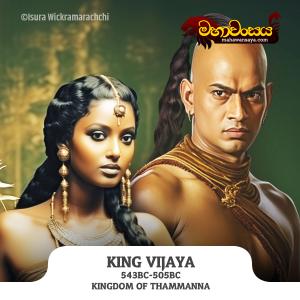
King Vijaya
543 BC-505 BC
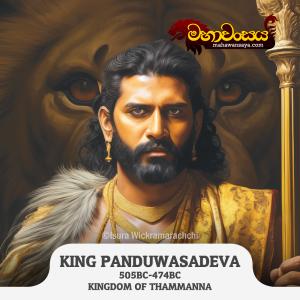
King Panduvasdeva
504 BC-474 BC
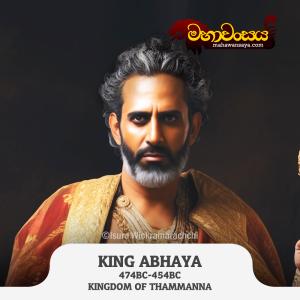
King Abhaya
474 BC-454 BC
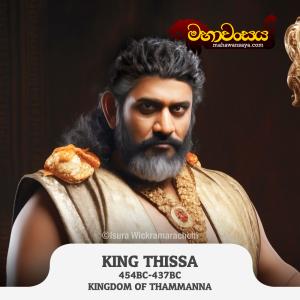
King Tissa
454 BC-437 BC
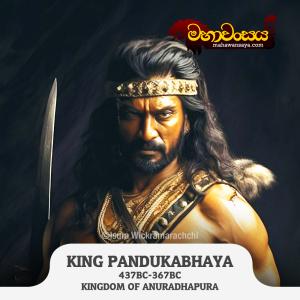
King Pandukabhaya
437 BC-367 BC
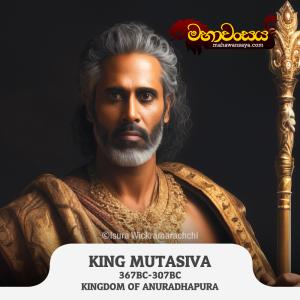
King Mutasiva
367 BC-307 BC
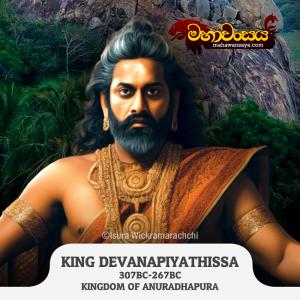
King Devanampiya Tissa
307 BC-267 BC
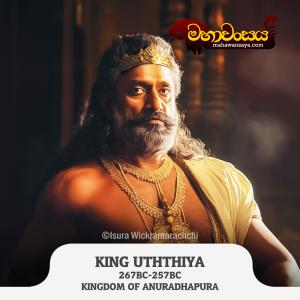
King Uttiya
267 BC-257 BC
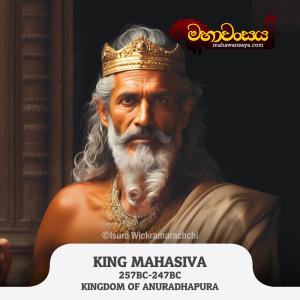
King Mahasiva
257 BC-247 BC
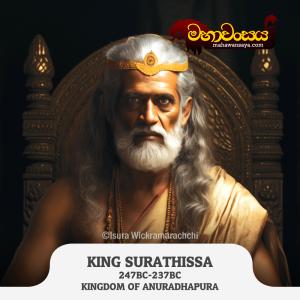
King Suratissa
247 BC-237 BC
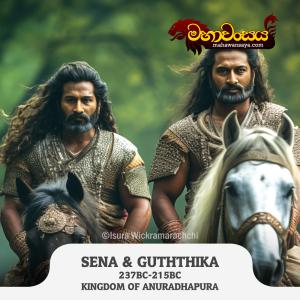
Sena and Guttika
237 BC-215 BC
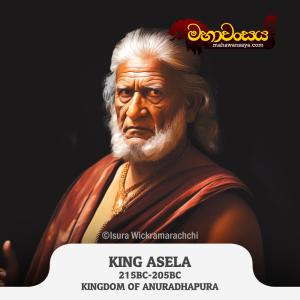
King Asela
215 BC-205 BC
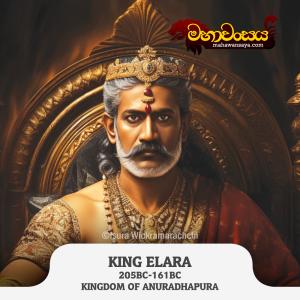
King Elara
205 BC-161 BC
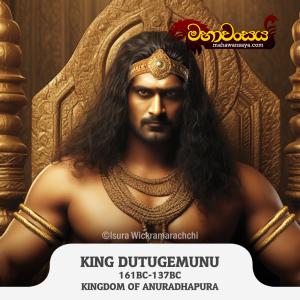
King Dutugemunu
161 BC-137 BC
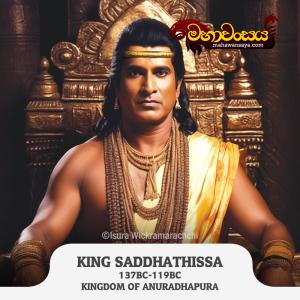
King Saddha Tissa
137 BC-119 BC
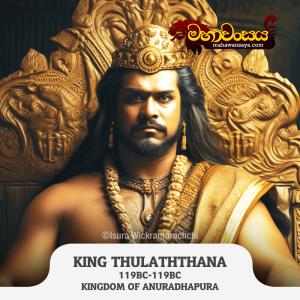
King Thulatthana
119 BC-119 BC
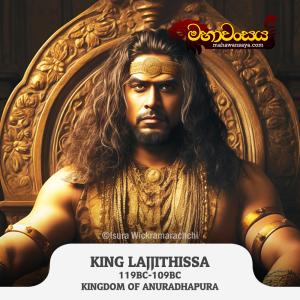
King Lajjithissa
119 BC-109 BC
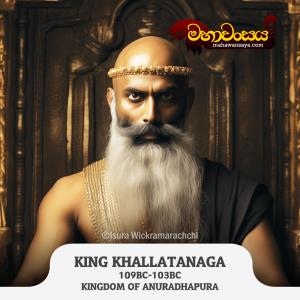
King Khallata Naga
109 BC-103 BC
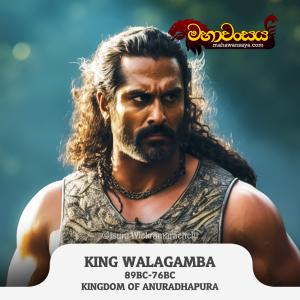
King Walagamba
89 BC-76 BC
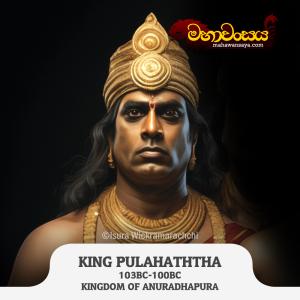
King Pulahaththa
103 BC-100 BC
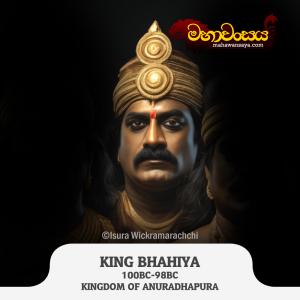
King Bhahiya
100 BC-98 BC
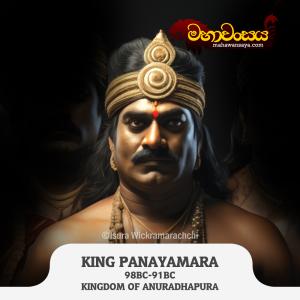
King Panayamara
98 BC-91 BC
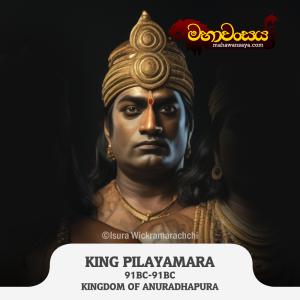
King Piliyamara
91 BC-91 BC
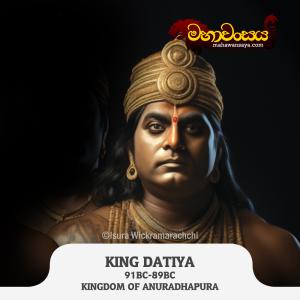
King Dathiya
91 BC-89 BC
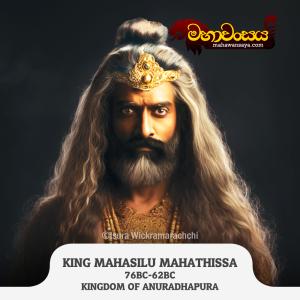
King Mahachulikamahathissa
76 BC-62 BC
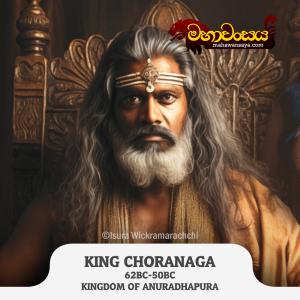
King Choranaga
62 BC-50 BC
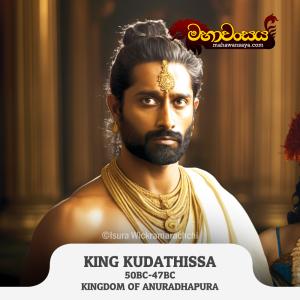
King Kuda Thissa
50 BC-47 BC
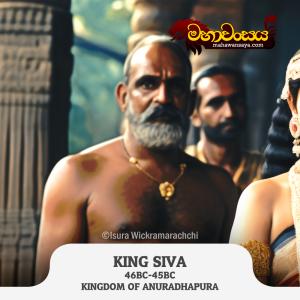
King Siva I
47 BC-45 BC
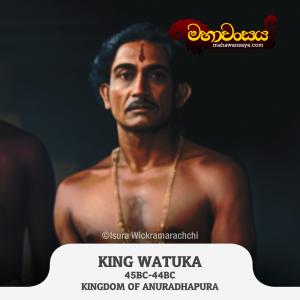
King Vatuka
45 BC-44 BC
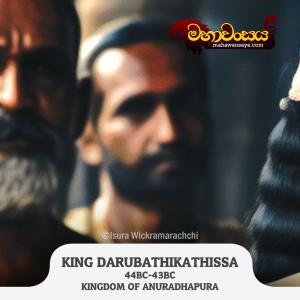
King Darubhatika Tissa
44 BC-43 BC
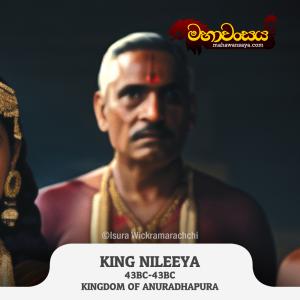
King Neeliya
43 BC-43 BC
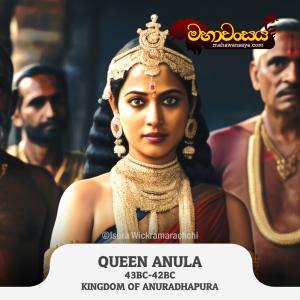
Queen Anula
43 BC-42 BC
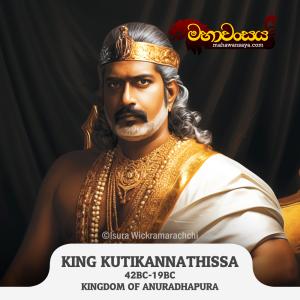
King Kutikanna Tissa
42 BC-19 BC
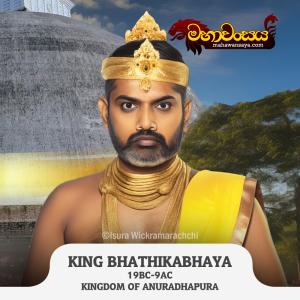
King Bhathikabhaya
19 BC-9 AC
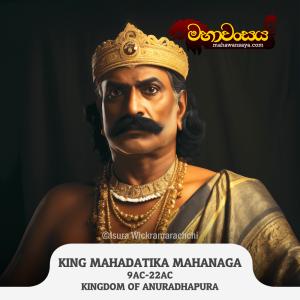
King Mahadatika Mahanaga
9 AC-22 AC
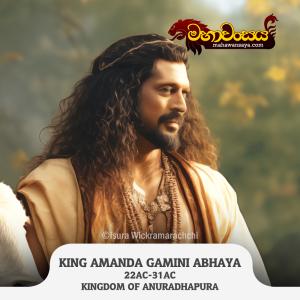
King Amandagamani Abhaya
22 AC-31 AC
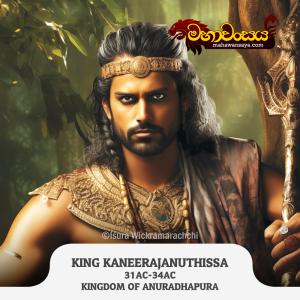
King Kanirajanu Tissa
31 AC-34 AC
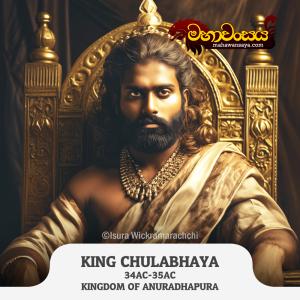
King Chulabhaya
34 AC-35 AC
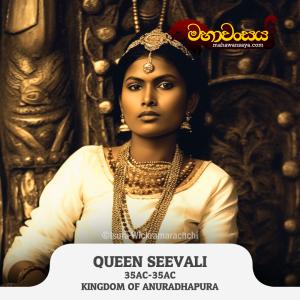
Queen Seevali
35 AC-35 AC
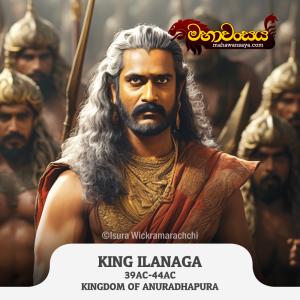
King Ilanaga
39 AC-44 AC
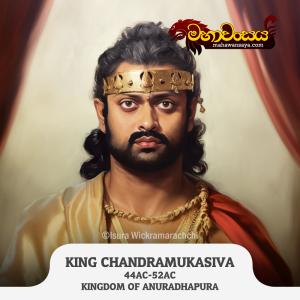
King Chandra Mukha Siva
44 AC-52 AC
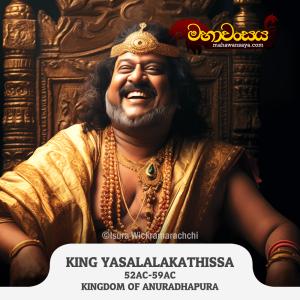
King Yassalalaka Thissa
52 AC-59 AC
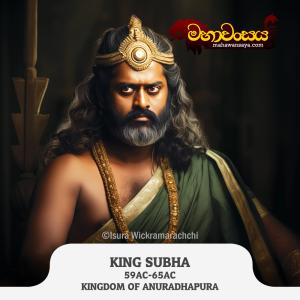
King Subha
59 AC-65 AC
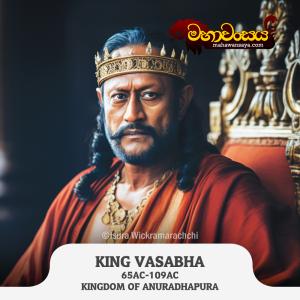
King Vasabha
65 AC-109 AC
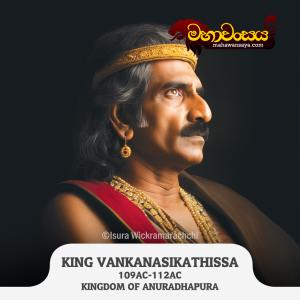
King Vankanasika Tissa
109 AC-112 AC
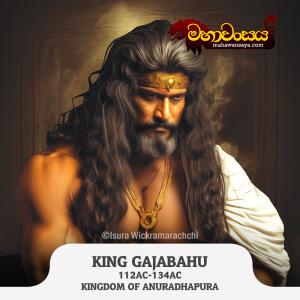
King Gajabahu I
112 AC-134 AC
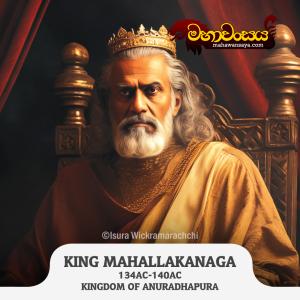
King Mahallaka Naga
134 AC-140 AC
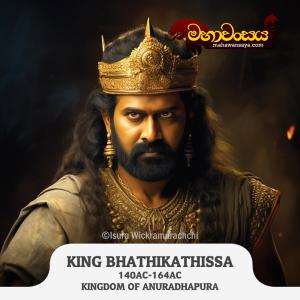
King Bhathika Thissa
140 AC-164 AC
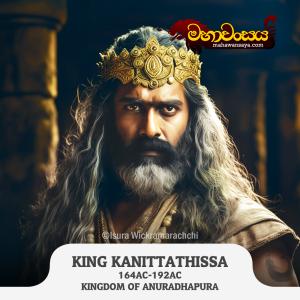
King Kanitta Tissa
164 AC-192 AC
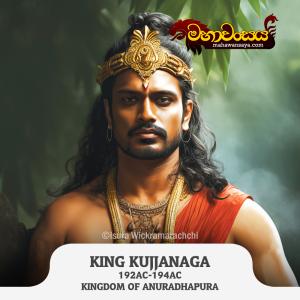
King Kujjanaga
192 AC-194 AC
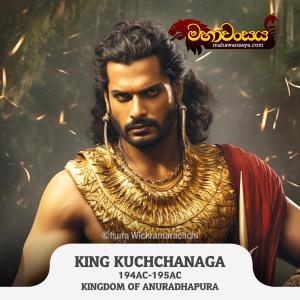
King Kudda Naga
194 AC-195 AC
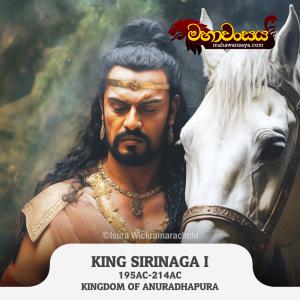
King Sirinaga I
195 AC-214 AC
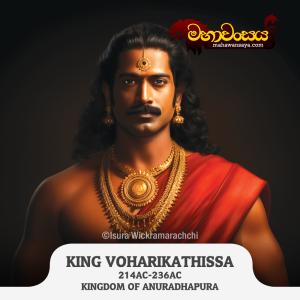
King Voharika Tissa
214 AC-236 AC
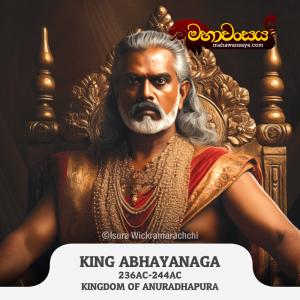
King Abhaya Naga
236 AC-244 AC
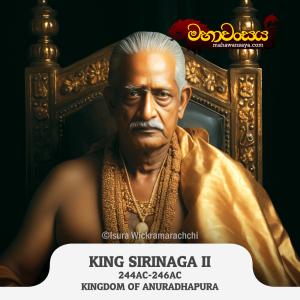
King Sirinaga II
244 AC-246 AC
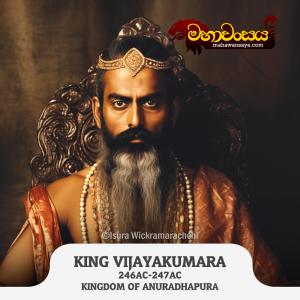
King Vijaya Kumara
246 AC-247 AC
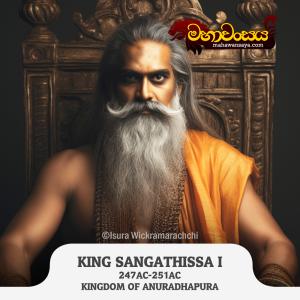
King Sangha Tissa I
247 AC-251 AC
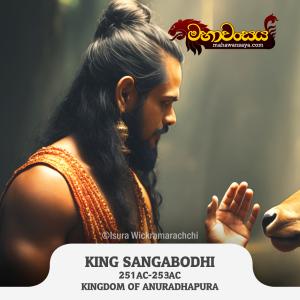
King Siri Sangha Bodhi I
251 AC-253 AC
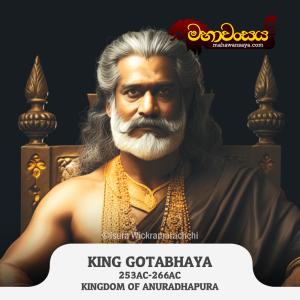
King Gotabhaya
253 AC-266 AC
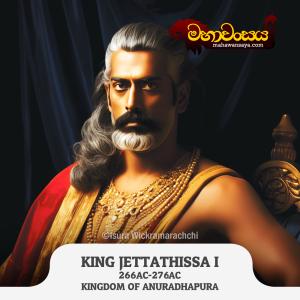
King Jetta Tissa I
266 AC-276 AC
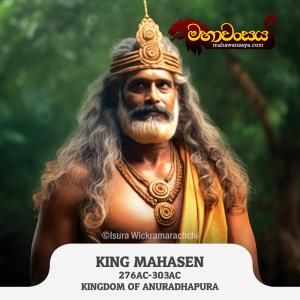
King Mahasen
276 AC-303 AC
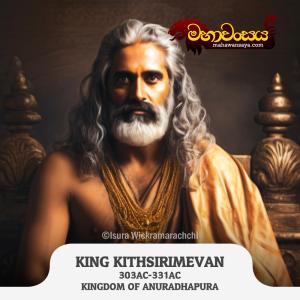
King Kithsirimewan
303 AC-331 AC
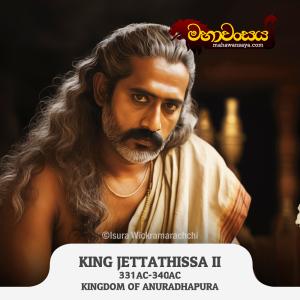
King Jetta Tissa II
331 AC-340 AC
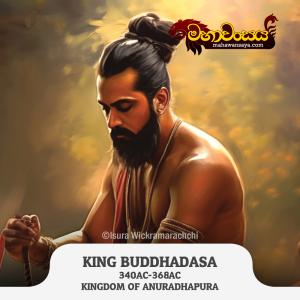
King Buddhadasa
340 AC-368 AC
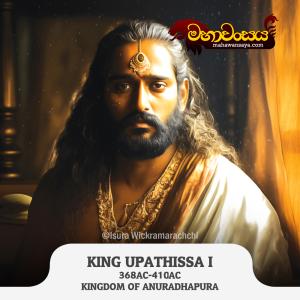
King Upatissa I
368 AC-410 AC
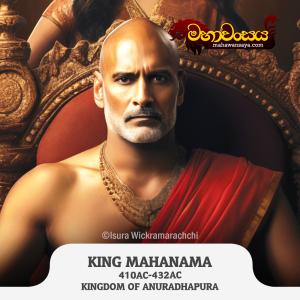
King Mahanama
410 AC-432 AC
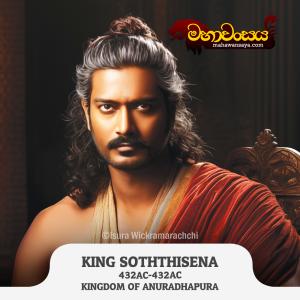
King Soththisena
432 AC-432 AC
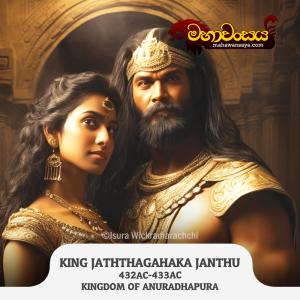
King Jaththagahaka Janthu
432 AC-433 AC
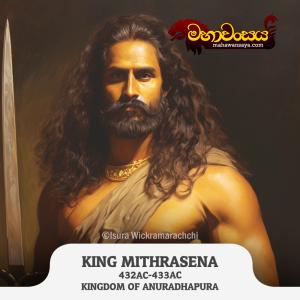
King Miththasena
432 AC-433 AC
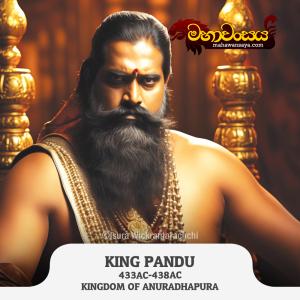
King Pandu
433 AC-438 AC
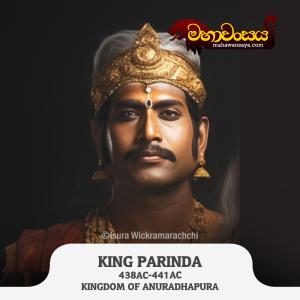
King Parinda
438 AC-441 AC
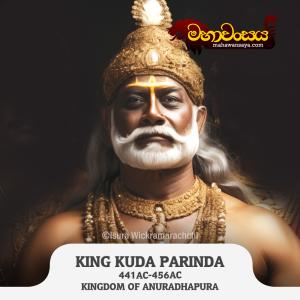
King Kuda Parinda
441 AC-456 AC
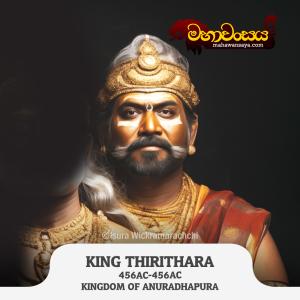
King Thirithara
456 AC-456 AC
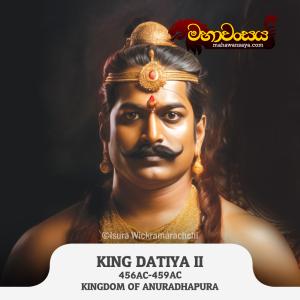
King Datiya II
456 AC-459 AC
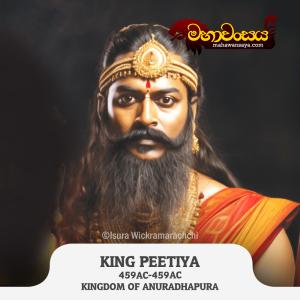
King Peetiya
459 AC-459 AC
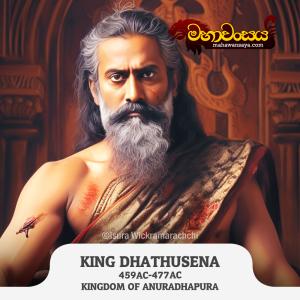
King Dhathusena
459 AC-477 AC
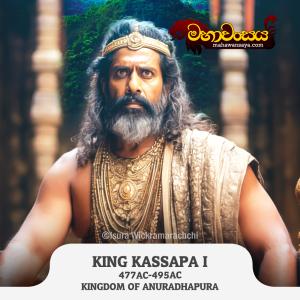
King Kassapa I
477 AC-495 AC
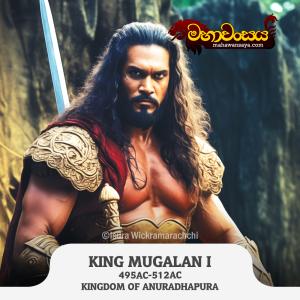
King Mugalan I
495 AC-512 AC
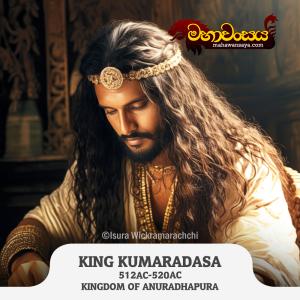
King Kumaradasa
512 AC-520 AC
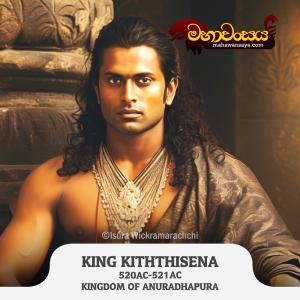
King Kiththisena
520 AC-521 AC
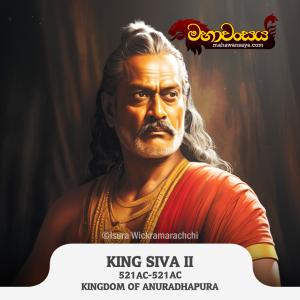
King Siva II
521 AC-521 AC
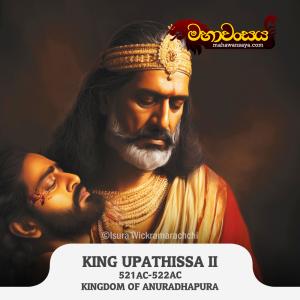
King Upatissa II
521 AC-522 AC
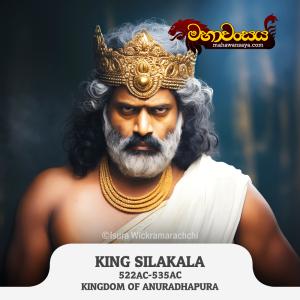
King Silakala
522 AC-535 AC
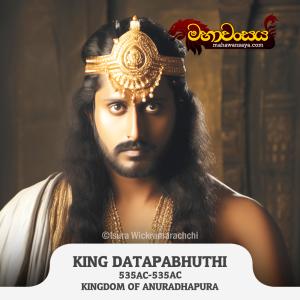
King Datappabhuthi
535 AC-535 AC
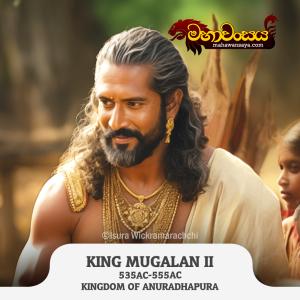
King Mugalan II
535 AC-555 AC
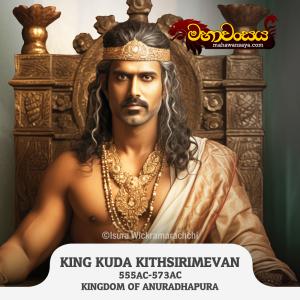
King Kiththisirimegha
555 AC-573 AC
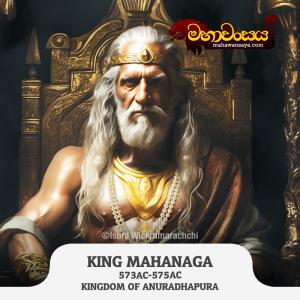
King Mahanaga
573 AC-575 AC
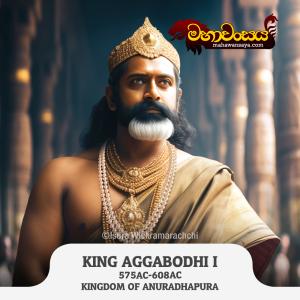
King Aggabodhi I
575 AC-608 AC
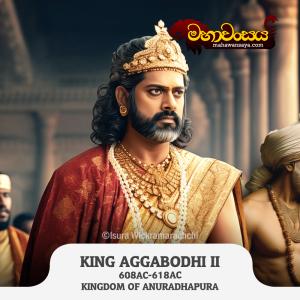
King Aggabodhi II
608 AC-618 AC
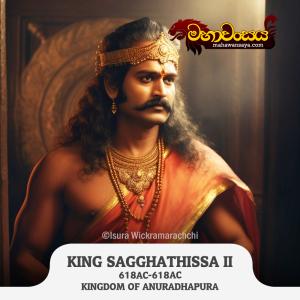
King Sangha Tissa II
618 AC-618 AC
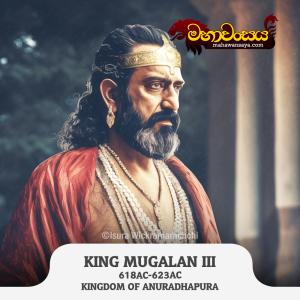
King Mugalan III
618 AC-623 AC
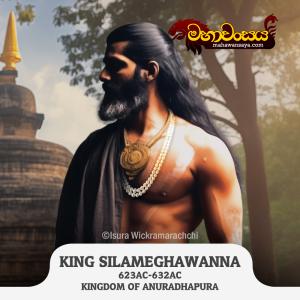
King Silameghavanna
623 AC-632 AC
King Aggabodhi III
633 AC-643 AC
King Jetta Tissa III
633 AC-633 AC
King Datopathissa i
643 AC-650 AC
King Kassapa II
650 AC-659 AC
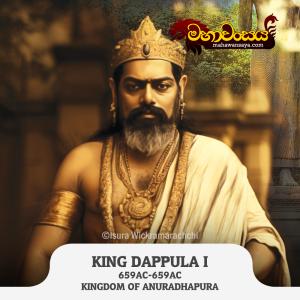
King Dappula I
659 AC-659 AC
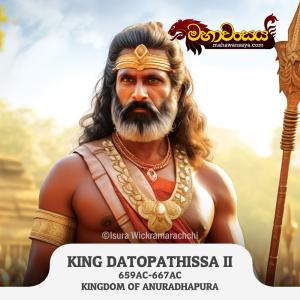
King Datopathissa II
659 AC-667 AC
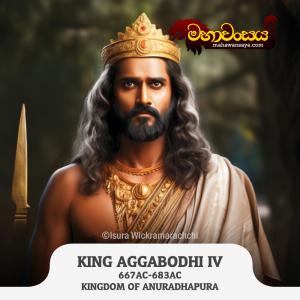
King Aggabodhi IV
667 AC-683 AC
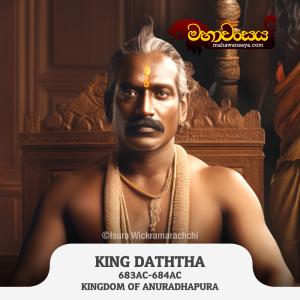
King Daththa
683 AC-684 AC
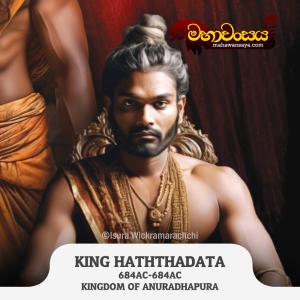
King Haththadata
684 AC-684 AC
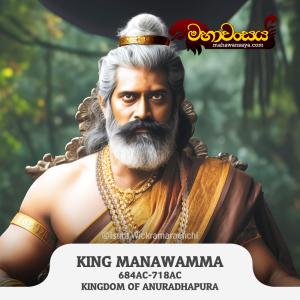
King Manavamma
684 AC-718 AC
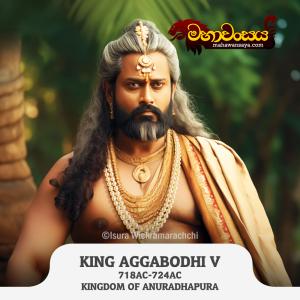
King Aggabodhi V
718 AC-724 AC
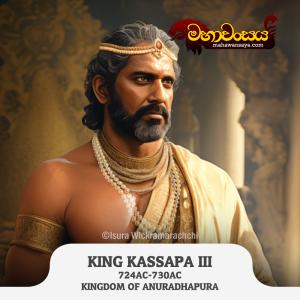
King Kassapa III
724 AC-730 AC
King Mahinda I
730 AC-733 AC
King Aggabodhi VI
733 AC-772 AC
King Aggabodhi VII
772 AC-777 AC
King Mahinda II
777 AC-797 AC
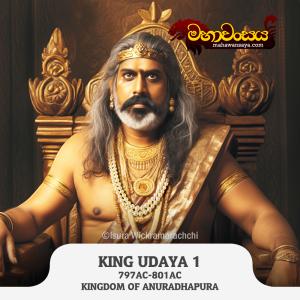
King Udaya I
797 AC-801 AC
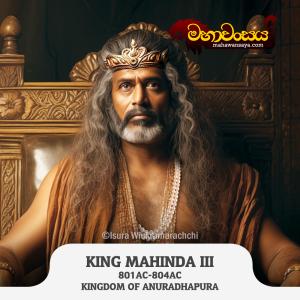
King Mahinda III
801 AC-804 AC
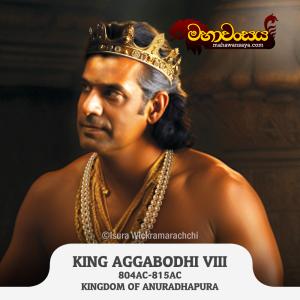
King Aggabodhi VIII
804 AC-815 AC
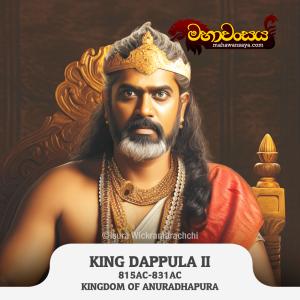
King Dappula II
815 AC-831 AC
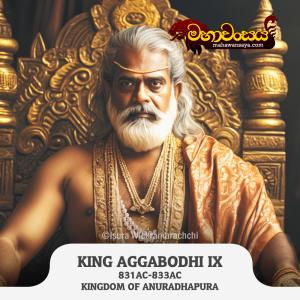
King Aggabodhi IX
831 AC-833 AC
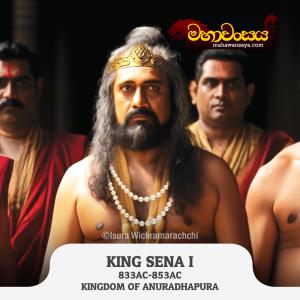
King Sena I
833 AC-853 AC
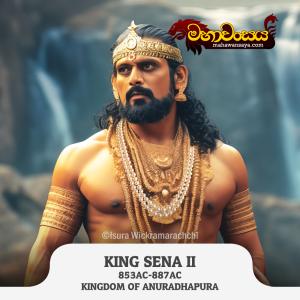
King Sena II
853 AC-887 AC
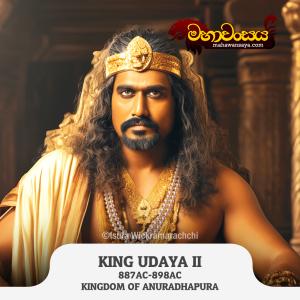
King Udaya II
887 AC-898 AC
King Kassapa IV
898 AC-914 AC
King Kassapa V
914 AC-923 AC
King Dappula III
923 AC-923 AC
King Dappula IV
923 AC-935 AC
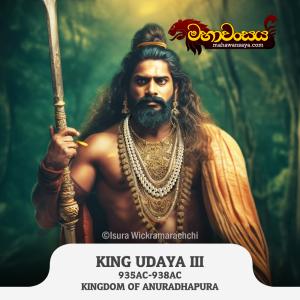
King Udaya III
935 AC-938 AC
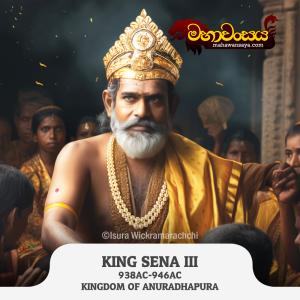
King Sena III
938 AC-946 AC
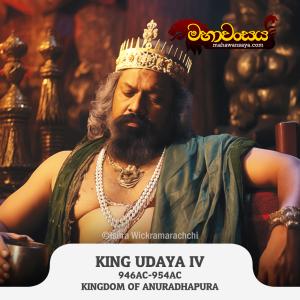
King Udaya IV
946 AC-954 AC
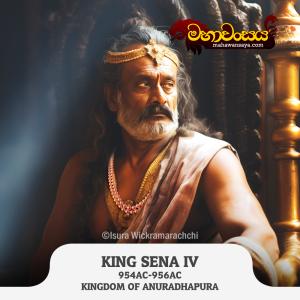
King Sena IV
954 AC-956 AC
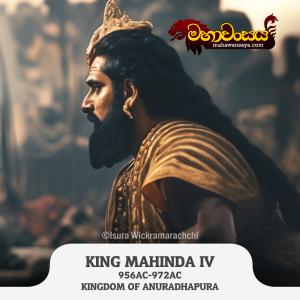
King Mahinda IV
956 AC-972 AC
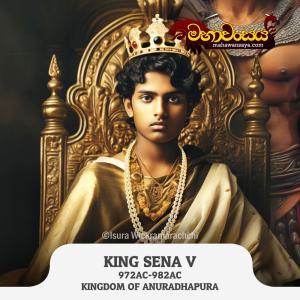
King Sena V
972 AC-982 AC
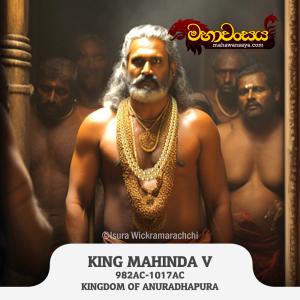
King Mahinda V
982 AC-1017 AC
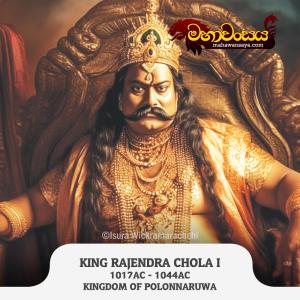
Rajendra Chola I
1017 AC-1044 AC
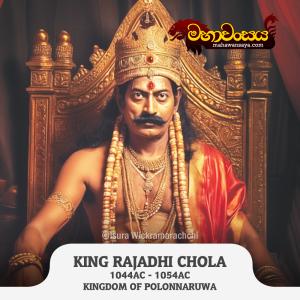
Rajadhiraja Chola
1044 AC-1054 AC
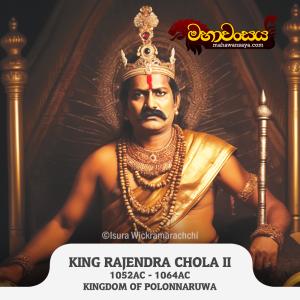
Rajendra Chola II
1052 AC-1064 AC
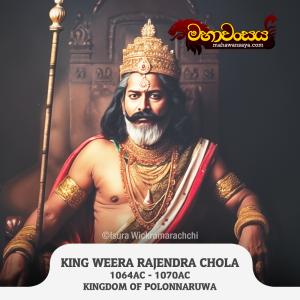
Virarajendra Chola
1064 AC-1070 AC
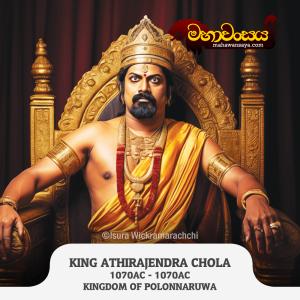
Athirajendra Chola
1070 AC-1070 AC
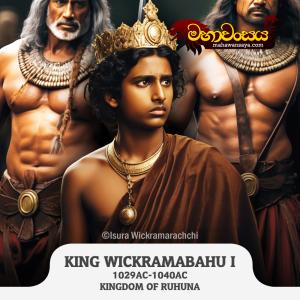
King Wickramabahu I
1029 AC-1040 AC
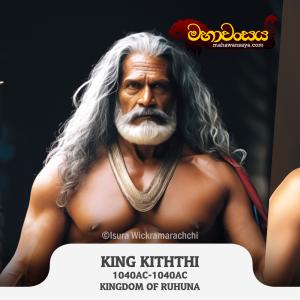
King General Keerthi
1040 AC-1040 AC
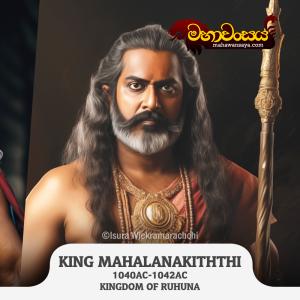
King Mahalana Kiththi
1040 AC-1042 AC
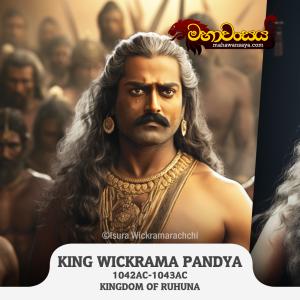
King Wickrama Pandu
1042 AC-1043 AC
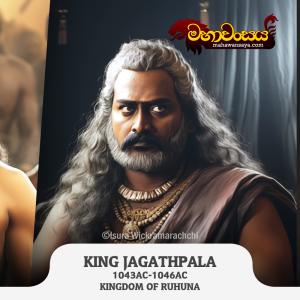
King Jagathpala
1043 AC-1046 AC
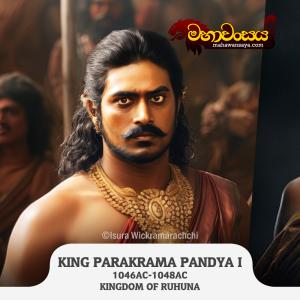
King Parakrama Pandu
1046 AC-1048 AC
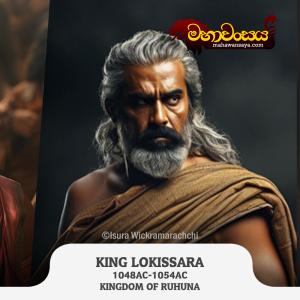
King Lokissara
1048 AC-1054 AC
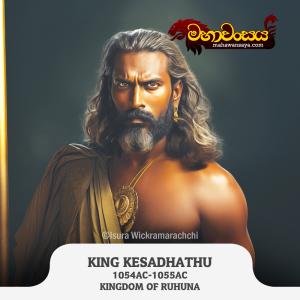
King Kesadhathu
1054 AC-1055 AC
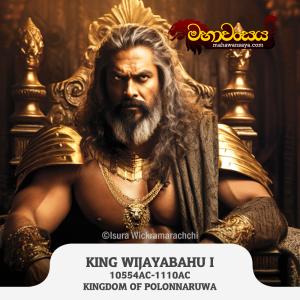
King Vijayabahu I
1055 AC-1110 AC
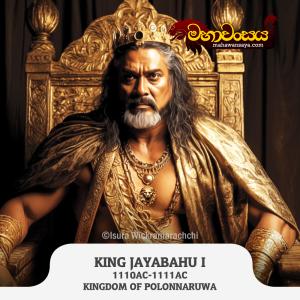
King Jayabahu I
1110 AC-1111 AC
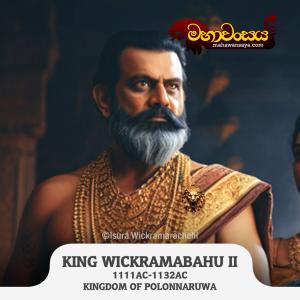
King Wickramabahu II
1111 AC-1132 AC
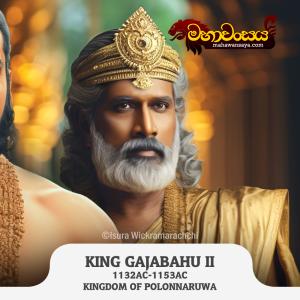
King Gajabahu II
1032 AC-1053 AC
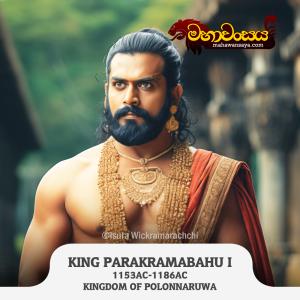
King Parakramabahu I
1053 AC-1086 AC
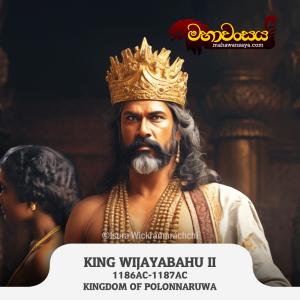
King Vijayabahu II
1186 AC-1187 AC
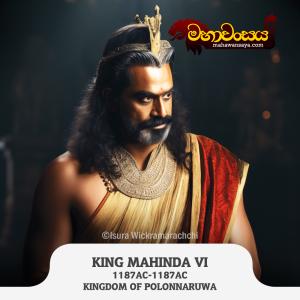
King Mahinda VI
1187 AC-1187 AC
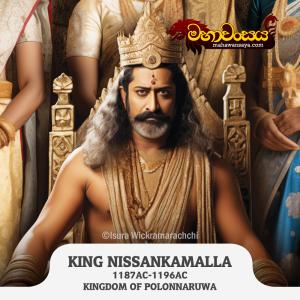
King Nissanka Malla
1187 AC-1196 AC
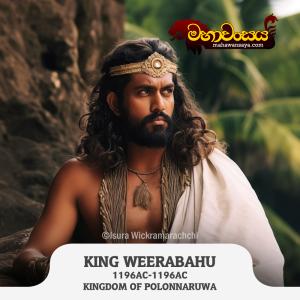
King Weerabahu I
1196 AC-1196 AC
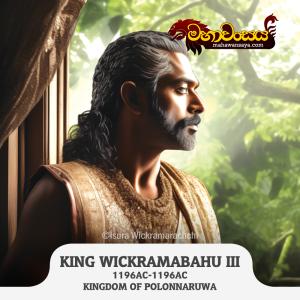
King Wickramabahu III
1196 AC-1196 AC
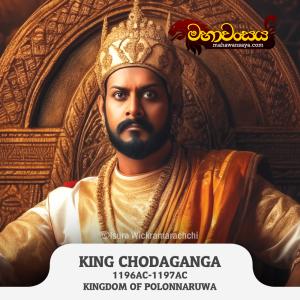
King Chodaganga
1196 AC-1197 AC
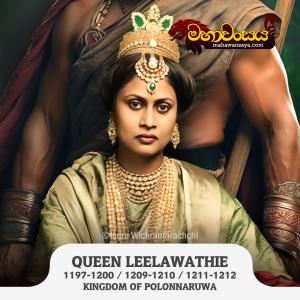
Queen Leelawathie
1197 AC-1200 AC
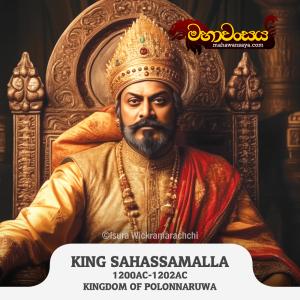
King Sahasamalla
1200 AC-1202 AC
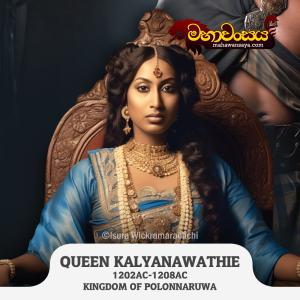
Queen Kalyanawathie
1202 AC-1208 AC
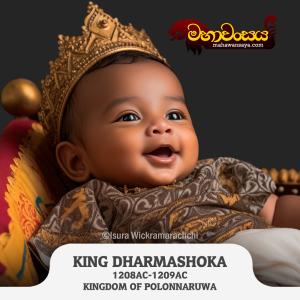
King Dharmasoka
1208 AC-1209 AC
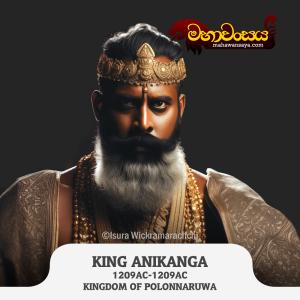
King Anikanga
1209 AC-1209 AC
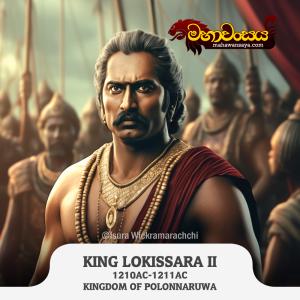
King Lokissara ii
1210 AC-1211 AC
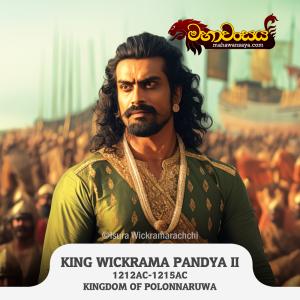
King Parakrama Pandu II
1212 AC-1215 AC
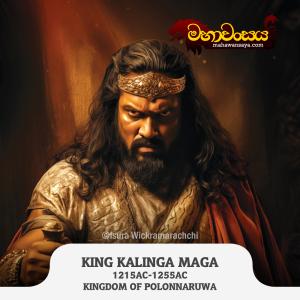
King Kalinga Magha
1215 AC-1255 AC
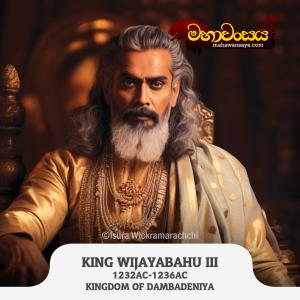
King Vijayabahu III
1232 AC-1236 AC
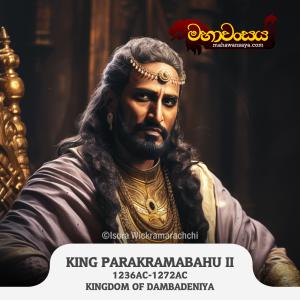
King Parakramabahu II
1236 AC-1272 AC
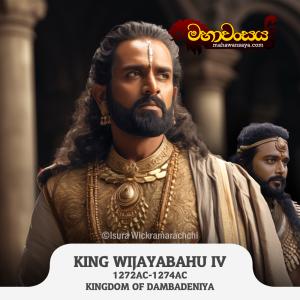
King Vijayabahu IV
1272 AC-1274 AC
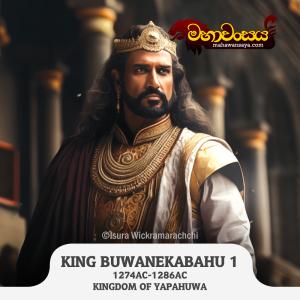
King Buvanekabahu I
1274 AC-1286 AC
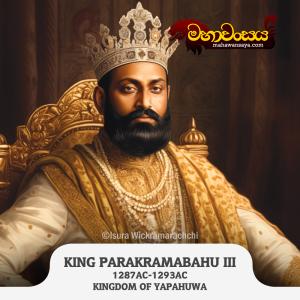
King Parakramabahu III
1287 AC-1293 AC
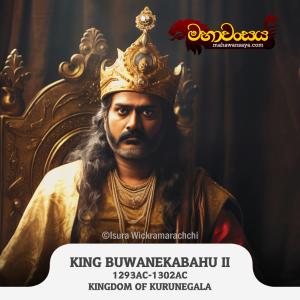
King Buvanekabahu II
1293 AC-1302 AC
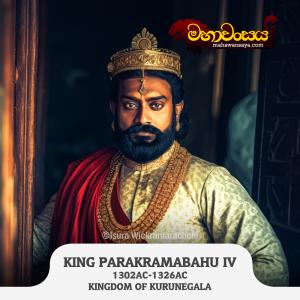
King Parakramabahu IV
1302 AC-1326 AC
-208.jpg)
King Buvanekabahu III (Vanni B
1326 AC-1335 AC
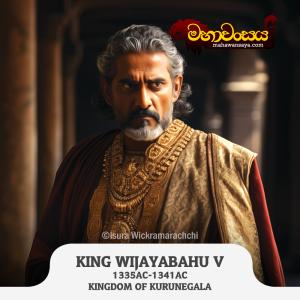
King Vijayabahu V
1335 AC-1341 AC
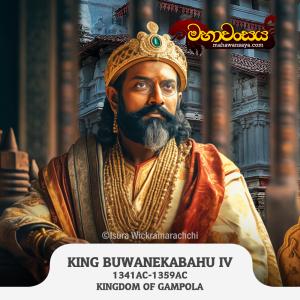
King Buvanekabahu IV
1341 AC-1359 AC
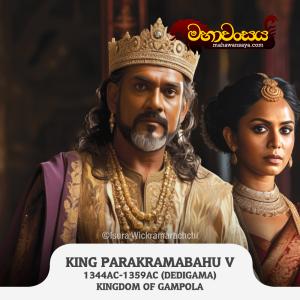
King Parakramabahu V
1344 AC-1359 AC
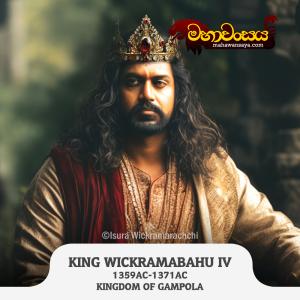
King Wickramabahu IV
1359 AC-1371 AC
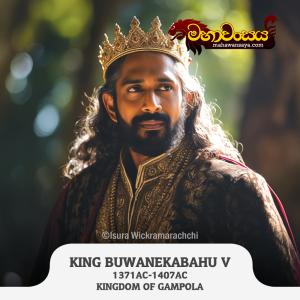
King Buvanekabahu V
1371 AC-1407 AC
-544.jpg)
King Kumara Alakeshwara (Alake
1391 AC-1391 AC
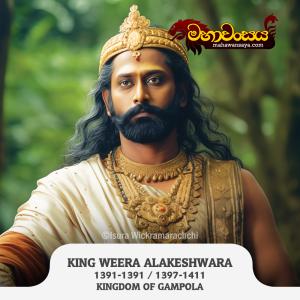
King Weera Alakesvara
1397 AC-1411 AC
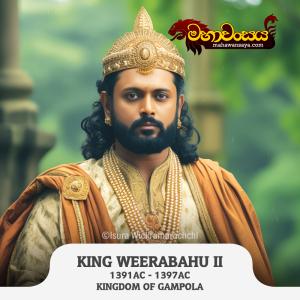
King Weerabahu II
1391 AC-1397 AC
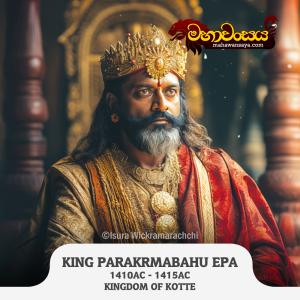
King Parakramabahu Epa
1410 AC-1415 AC
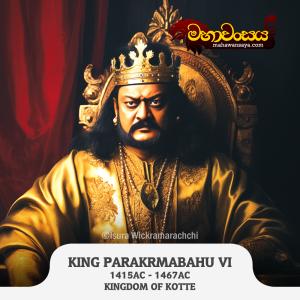
King Parakramabahu VI
1415 AC-1467 AC
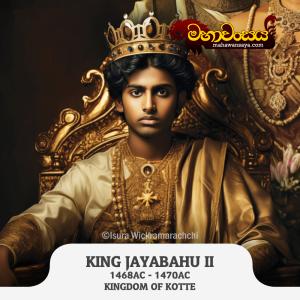
King Jayabahu II
1468 AC-1470 AC
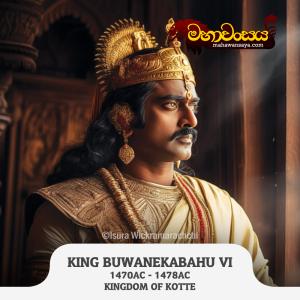
King Buvanekabahu VI
1470 AC-1478 AC
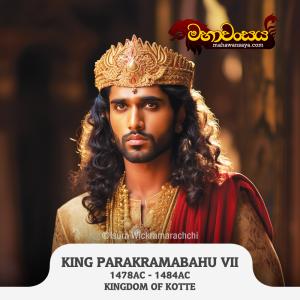
King Panditha Parakramabahu VI
1478 AC-1484 AC
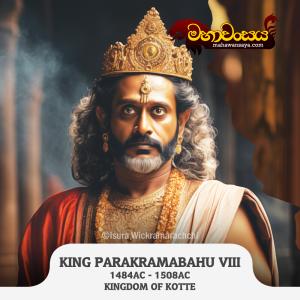
King Weera Parakramabahu VIII
1484 AC-1508 AC
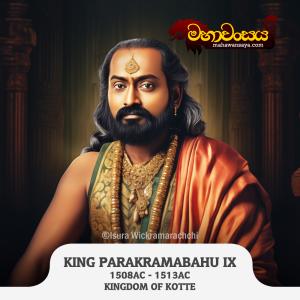
King Darma Parakramabahu IX
1508 AC-1513 AC
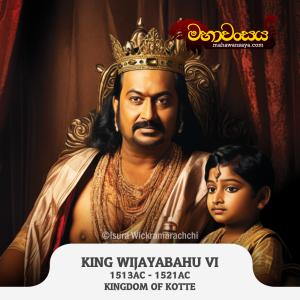
King Vijayabahu VI
1513 AC-1521 AC
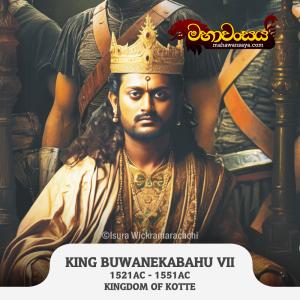
King Buvanekabahu VII
1521 AC-1551 AC
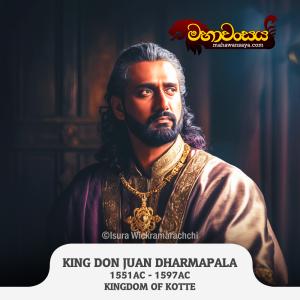
King Don Juwan Dharmapala
1551 AC-1597 AC
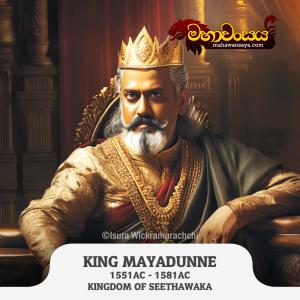
King Mayadunne
1551 AC-1581 AC
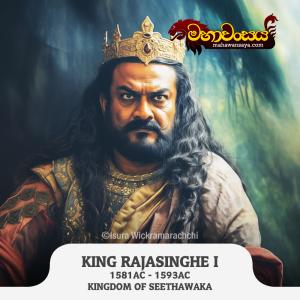
King Rajasinha I
1581 AC-1593 AC
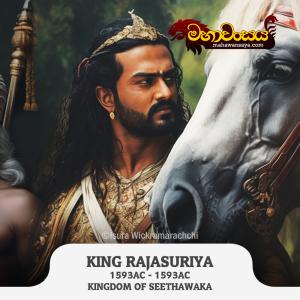
King Rajasooriya
1593 AC-1593 AC
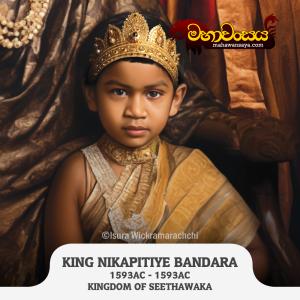
King Nikapitiye Bandara
1593 AC-1593 AC
King Wimaladharmasuriya I
1591 AC-1604 AC
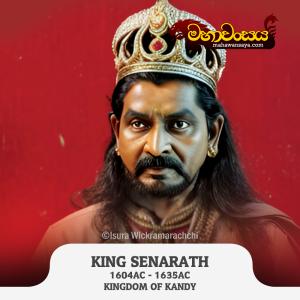
King Senarat
1604 AC-1635 AC
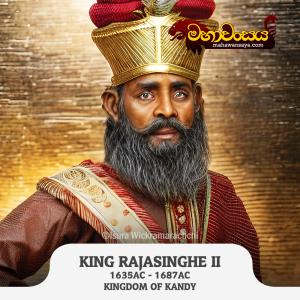
King Rajasinha II
1635 AC-1687 AC
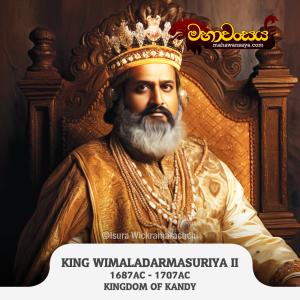
King Wimaladharmasuriya II
1687 AC-1707 AC
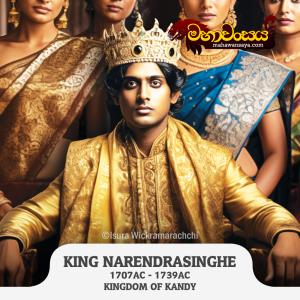
King Sri Weera Parakrama Naren
1707 AC-1739 AC
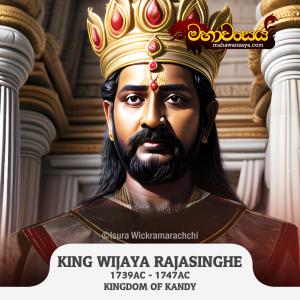
King Sri Wijaya Rajasingha
1739 AC-1747 AC
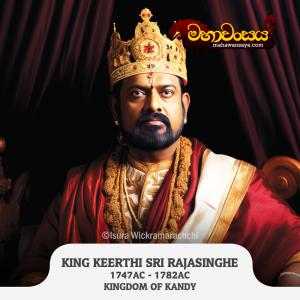
King Keerthi Sri Rajasingha
1747 AC-1782 AC
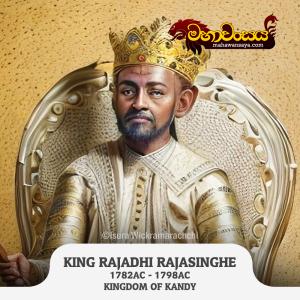
King Rajadhi Rajasinha
1782 AC-1798 AC
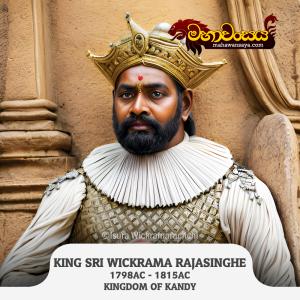
King Sri Wikrama Rajasinha
1798 AC-1815 AC

Pedro Lopes de Sousa
1594 AC-1594 AC
Joao da Silveira
1518 AC-1518 AC
Lopo de Brito
1518 AC-1522 AC
Fernao Gomes de Lemos
1522 AC-1524 AC
Joao Henriques
1551 AC-1552 AC
Diogo de Melo Coutinho
1552 AC-1552 AC
Duarte de Eca
1552 AC-1553 AC
Fernao Carvalho
1553 AC-1555 AC
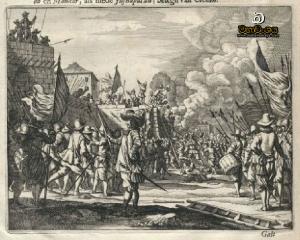
Willem Jacobszoon Coster
1640 AC-1640 AC
Jan Thyszoon Payart
1640 AC-1646 AC
After the death of the second Sena king, the throne was taken by Prince Udaya. He was the one known by that name and was also the younger brother of King Sena. He conferred the title of Mahadhipadha on Kashyapa Kumara, the son of his brother, making him the crown prince, and gave Senā, the daughter of Upārāja (the fourth Kashyapa), in marriage to Kashyapa Kumara. This Kashyapa Kumara was the son of the second Sena king. From the marital connections, the relationships within the royal family can be confirmed. Nothing significant seems to have happened during King Udaya's reign. The only notable incident was that Kittu Agbo Kumara revolted against the king and fled to Rohana.
Before ascending the throne, Mahinda Adhipadha’s son had died. His mother was Kitti Kumari, who had come from Ruhuna and was the sister of the princes Kashyapa, Sena, and Udaya.
The Mahavamsa does not mention why Kittu Agbo opposed the king. He went to Ruhuna, where he killed his own followers and caused destruction in the region. It is unclear which of the three people were killed. Mr. Geiger states that it was likely the eldest, Kashyapa Kumara. He was the son of Kittu Agbo, who had been sent by the first Sena king to govern Ruhuna to resolve the initial disturbances there. Kittu Agbo Kumara, who caused the destruction, sought to become ruler of Rohana. However, the local people, angered by the destruction he caused, did not support him.
King Udaya was greatly angered by the dispute and decided what needed to be done. He called Crown Prince Kashyapa, declared him to be the rightful ruler of Ruhuna, and sent him with an army to subdue the region. He was accompanied by young Prince Mihindu, the son of the crown prince, and Vajiragga Senaviya to assist in conquering Ruhuna. Since the sons of Kittagge Bodhi Kumara, who previously ruled Ruhuna, were friends of Prince Mahinda, he had claims to rule the region.
The Mahavamsa describes this event poetically: the young prince, a great hero, advanced toward Guththahala with the army. The prince gradually reached Guththahala, a strategic post on the route from Magama to Anuradhapura. King Dutugemunu stayed here with his army. After arriving with Vajiragga Senaviya and the army, Prince Mahinda was joined by the local people and the Mandalikas who had suffered under Kittagge Bodhi Kumara’s misrule. Seeing no option under these circumstances, Kittagge Bodhi Kumara took his possessions and fled to Malaya.
According to the Mahavamsa, he stayed in the mountain region, now sometimes referred to as Kandapalle Korale. The site is mentioned in the Sellipiya near the valley below Mahawalatenna as Girimandula. The clever Kittagge Bodhi Kumara fled to this area. It is unclear whether he prepared to confront Prince Mihindu or intended to escape. It is also unclear whether he took control from Magama or from the later famous area of Manawulu.
Records indicate that he hid while moving through areas such as Ganhab. Searching for him, Prince Mahinda’s soldiers eventually captured him. By that time, his supporters had abandoned him. The army brought him from Butthala to Prince Mahinda. The prince mocked him, questioning whether he had experienced Ruhuna, as noted in the Mahavamsa. Such a situation was not expected by Kittu Agbo Kumara. However, fate had arranged it this way. Prince Mahinda handed Kittu Agbo and Vajiragga Senaviya over to the king, and then took them to Anuradhapura to deliver to the king. The king punished him.
Prince Mahinda, with his army, attempted to restore the devastated Rohana. This is a rare instance of regional history recorded in the Mahavamsa. An eight-verse strophe describes the deeds of Prince Mahinda and his father in Rohana. He restored the lands and trees damaged by the people’s neglect, cleared the four-sided area for the Sangha, and removed wicked officials and thieves, returning the administration to proper order. He eradicated enemies and thieves and brought the people to prosperity, distributing them like a well-laid canopy.
The account of Prince Mahinda mentioned above is included in the Mahavamsa. It may have been presented to illustrate both the damage caused to Rohana by Kittu Agbo Kumara and the skillful governance of Prince Mahinda. Another important note is that he diverted a branch of the Mahānadi river to build a tank. The exact river referred to as Mahānadi is unclear. Among the rivers of Rohana, the Valave Ganga seems a likely candidate. It is sometimes called the Vane River. Since irrigation has historically relied on the Valave Ganga, it is possible that this tank construction was part of that. Further, this structure could correspond to the ancient dam at Tam Katiye on the Valave Ganga. From there, a canal extended fourteen leagues to Pandukolambawatha, supplying water. This tank is currently known as Panadikulam, though it has not yet been properly identified.
From the above, it is clear that King Udaya oversaw the Rohana dispute and gave instructions to Prince Mahinda for development and restoration. The Mahavamsa records some of King Udaya’s administrative acts, including the giving of tributes. It notes that the 300,000 gold coins given to the bhikkhus as alms exceeded expectations. The king’s ability to spend such wealth indicates that the entire country recognized his authority.
The Mahavamsa further notes that the king provided food not only to his people but also to animals. He expanded the bund of the dam at Kolomba and enlarged the Meyetti tank bund. This canal began at the left bank of Malwathu Oya and supplied water to the Akattimurippu tank in the Mannar region. Meyettivapi is currently identified as the Mahavilachchiya tank. Eighteen inscriptions belonging to the king have been found, mentioning his name as Abāsalamēwan Mapurmukā. Some inscriptions describe grants of land or monasteries.
Additionally, several measures for the maintenance of hospitals are recorded. An inscription found near Malwathu Oya mentions a grant to the physician Mahaveda in Keligama. Another at Lahasugama, belonging to the Mahaveda hall at Sisorwathubima, mentions a grant. Similarly, a Tam inscription at Medirigiri, belonging to the Mahaveda hall in Sandagiriya near Anuradhapura, records grants. From these, it is evident that the second King Udaya paid special attention to the health and well-being of his people. In this way, the eleventh year of King Udaya’s reign was marked by prosperity.