124
King Udaya IV
Kingdom of Anuradhapura
946 AC - 954 AC
946 AC - 954 AC

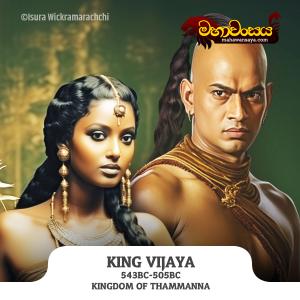
King Vijaya
543 BC-505 BC
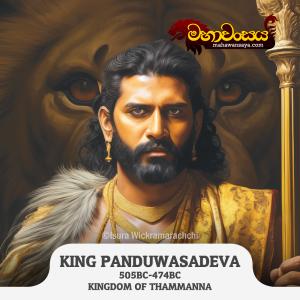
King Panduvasdeva
504 BC-474 BC
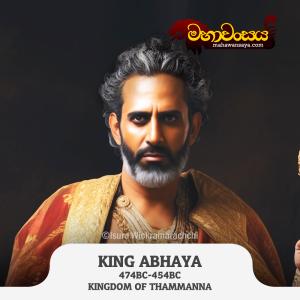
King Abhaya
474 BC-454 BC
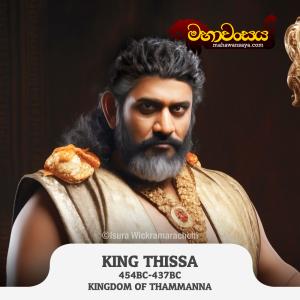
King Tissa
454 BC-437 BC
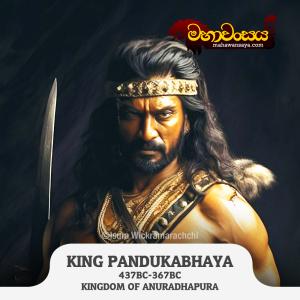
King Pandukabhaya
437 BC-367 BC
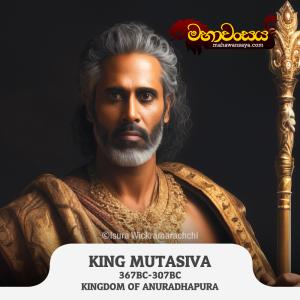
King Mutasiva
367 BC-307 BC
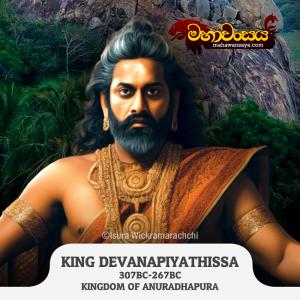
King Devanampiya Tissa
307 BC-267 BC
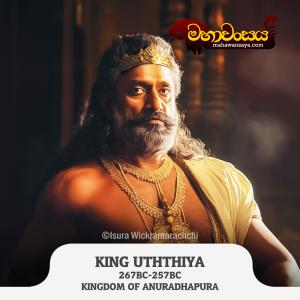
King Uttiya
267 BC-257 BC
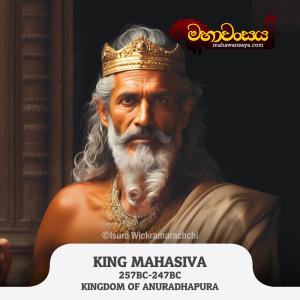
King Mahasiva
257 BC-247 BC
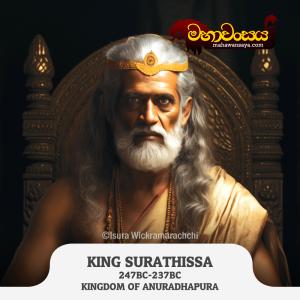
King Suratissa
247 BC-237 BC
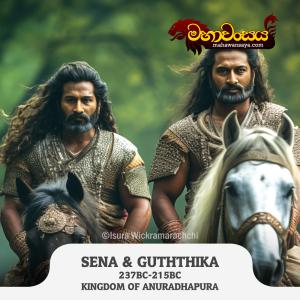
Sena and Guttika
237 BC-215 BC
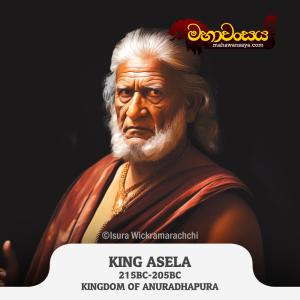
King Asela
215 BC-205 BC
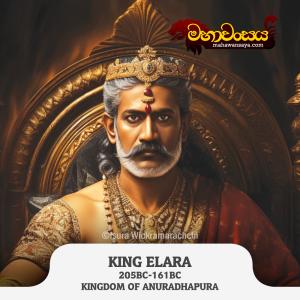
King Elara
205 BC-161 BC
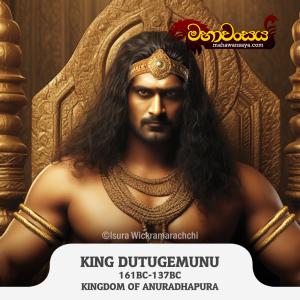
King Dutugemunu
161 BC-137 BC
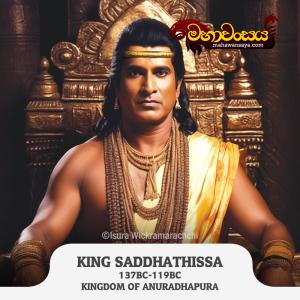
King Saddha Tissa
137 BC-119 BC
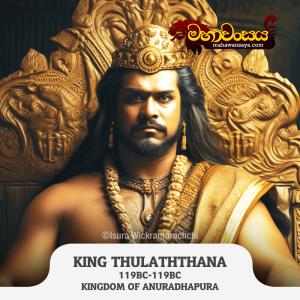
King Thulatthana
119 BC-119 BC
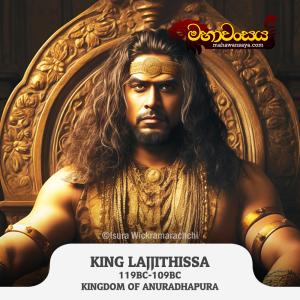
King Lajjithissa
119 BC-109 BC
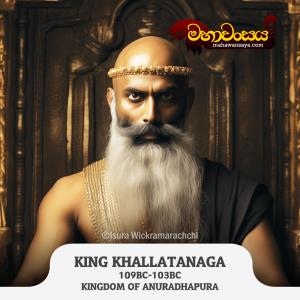
King Khallata Naga
109 BC-103 BC
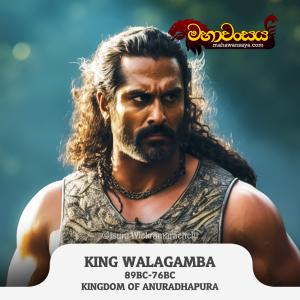
King Walagamba
89 BC-76 BC
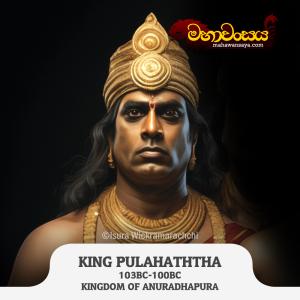
King Pulahaththa
103 BC-100 BC
King Bhahiya
100 BC-98 BC
King Panayamara
98 BC-91 BC
King Piliyamara
91 BC-91 BC
King Dathiya
91 BC-89 BC
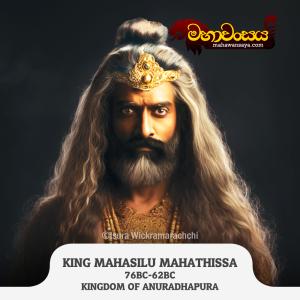
King Mahachulikamahathissa
76 BC-62 BC
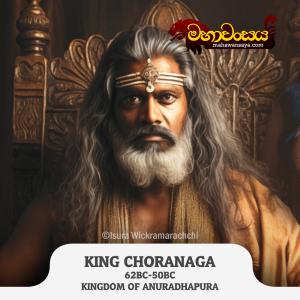
King Choranaga
62 BC-50 BC
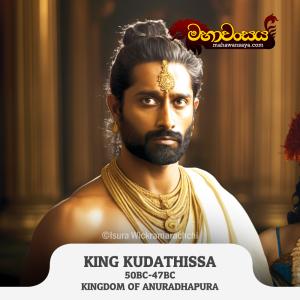
King Kuda Thissa
50 BC-47 BC
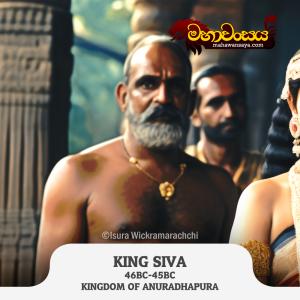
King Siva I
47 BC-45 BC
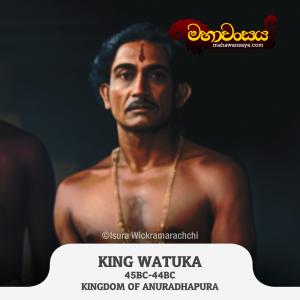
King Vatuka
45 BC-44 BC
King Darubhatika Tissa
44 BC-43 BC
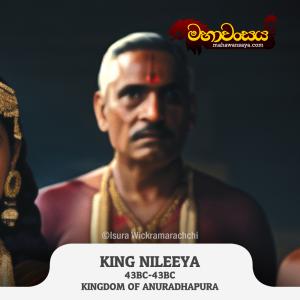
King Neeliya
43 BC-43 BC
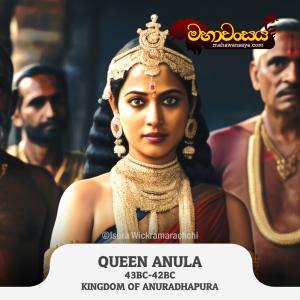
Queen Anula
43 BC-42 BC
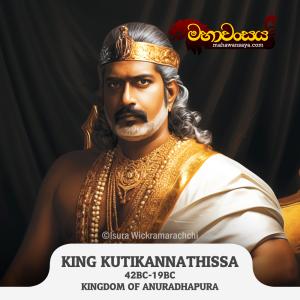
King Kutikanna Tissa
42 BC-19 BC
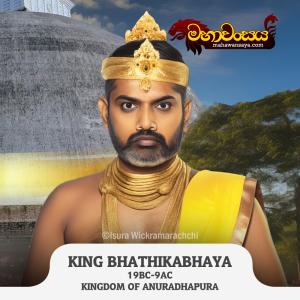
King Bhathikabhaya
19 BC-9 AC
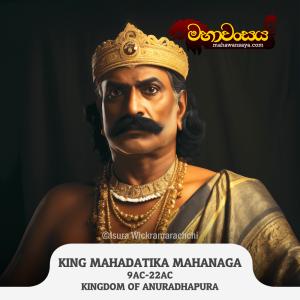
King Mahadatika Mahanaga
9 AC-22 AC
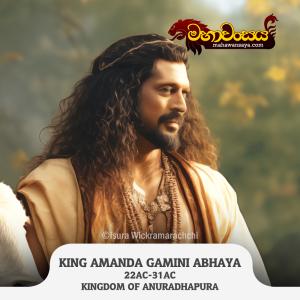
King Amandagamani Abhaya
22 AC-31 AC
King Kanirajanu Tissa
31 AC-34 AC
King Chulabhaya
34 AC-35 AC
Queen Seevali
35 AC-35 AC
King Ilanaga
39 AC-44 AC
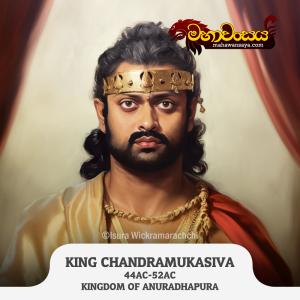
King Chandra Mukha Siva
44 AC-52 AC
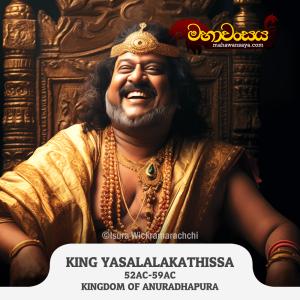
King Yassalalaka Thissa
52 AC-59 AC
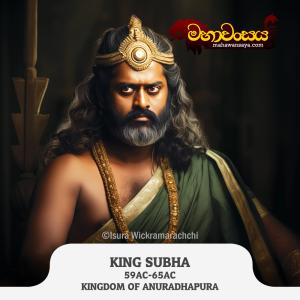
King Subha
59 AC-65 AC
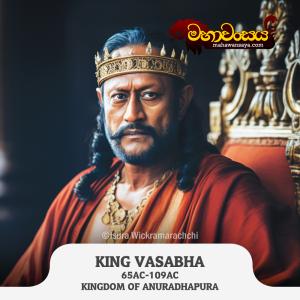
King Vasabha
65 AC-109 AC
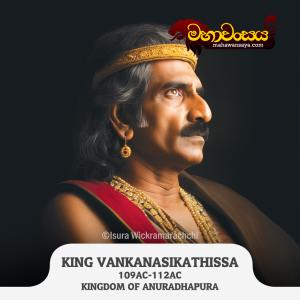
King Vankanasika Tissa
109 AC-112 AC
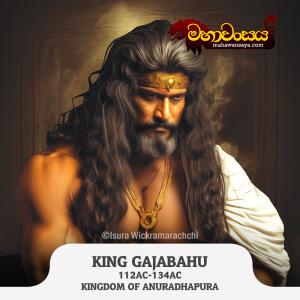
King Gajabahu I
112 AC-134 AC
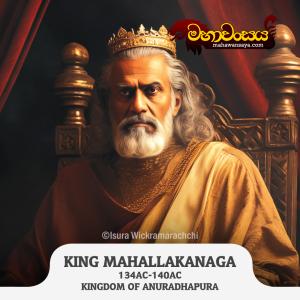
King Mahallaka Naga
134 AC-140 AC
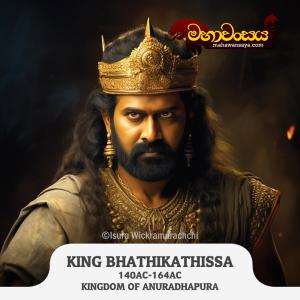
King Bhathika Thissa
140 AC-164 AC
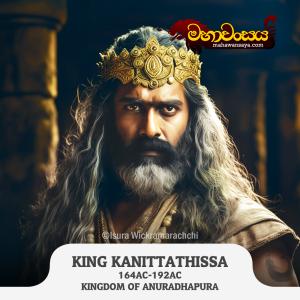
King Kanitta Tissa
164 AC-192 AC
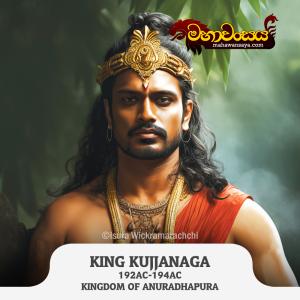
King Kujjanaga
192 AC-194 AC
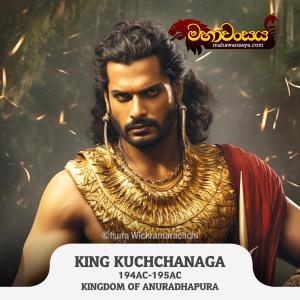
King Kudda Naga
194 AC-195 AC
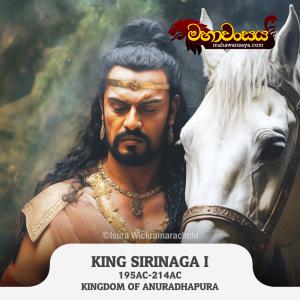
King Sirinaga I
195 AC-214 AC
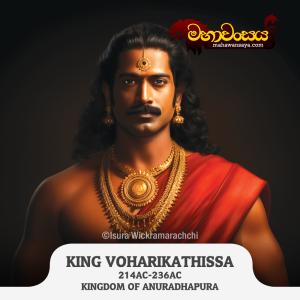
King Voharika Tissa
214 AC-236 AC
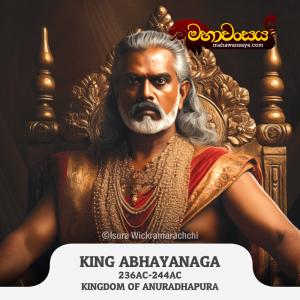
King Abhaya Naga
236 AC-244 AC
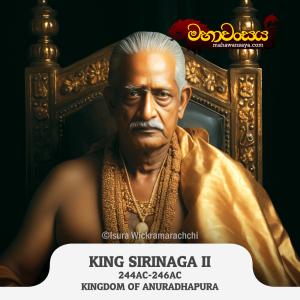
King Sirinaga II
244 AC-246 AC
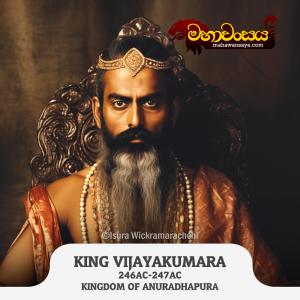
King Vijaya Kumara
246 AC-247 AC
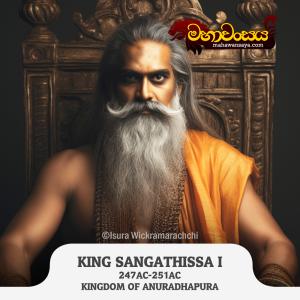
King Sangha Tissa I
247 AC-251 AC
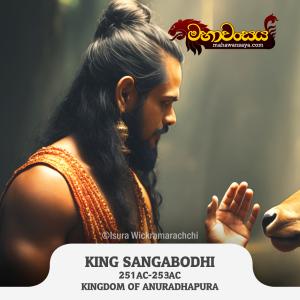
King Siri Sangha Bodhi I
251 AC-253 AC
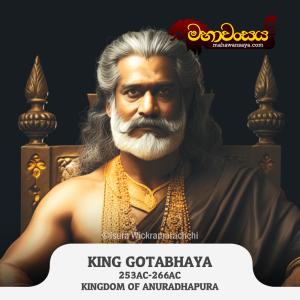
King Gotabhaya
253 AC-266 AC
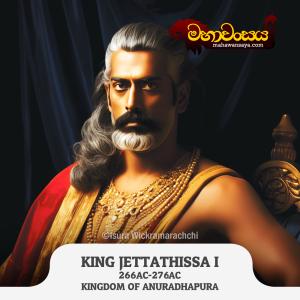
King Jetta Tissa I
266 AC-276 AC
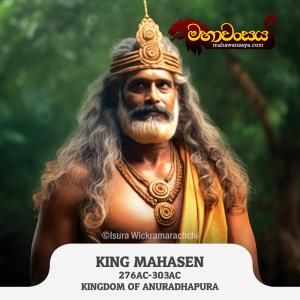
King Mahasen
276 AC-303 AC
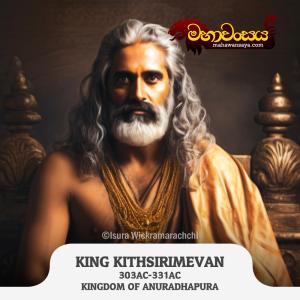
King Kithsirimewan
303 AC-331 AC
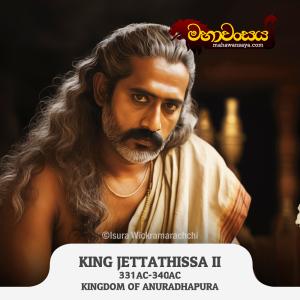
King Jetta Tissa II
331 AC-340 AC
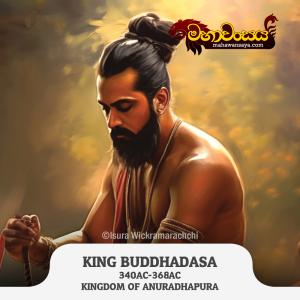
King Buddhadasa
340 AC-368 AC
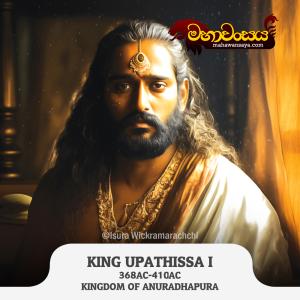
King Upatissa I
368 AC-410 AC
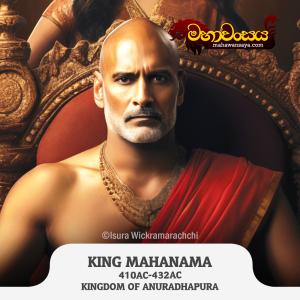
King Mahanama
410 AC-432 AC
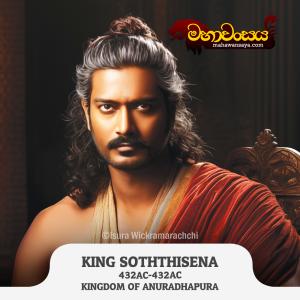
King Soththisena
432 AC-432 AC
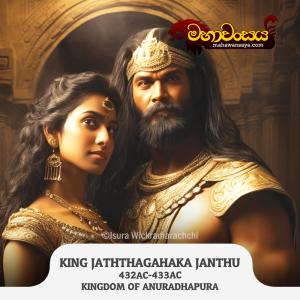
King Jaththagahaka Janthu
432 AC-433 AC
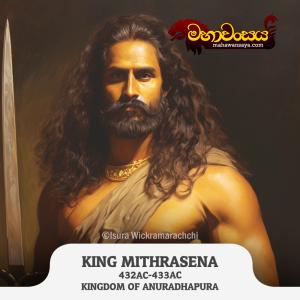
King Miththasena
432 AC-433 AC
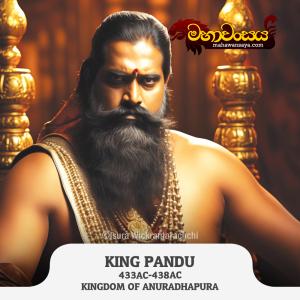
King Pandu
433 AC-438 AC
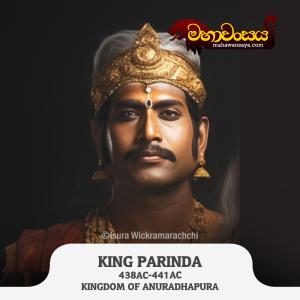
King Parinda
438 AC-441 AC
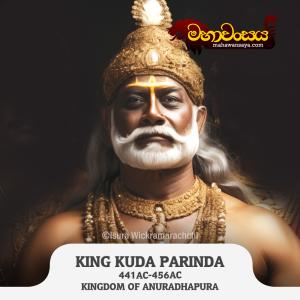
King Kuda Parinda
441 AC-456 AC
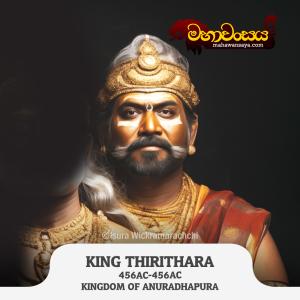
King Thirithara
456 AC-456 AC
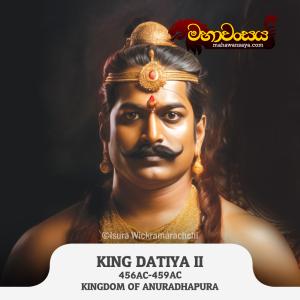
King Datiya II
456 AC-459 AC
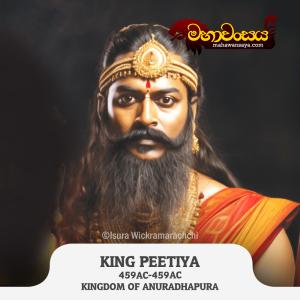
King Peetiya
459 AC-459 AC
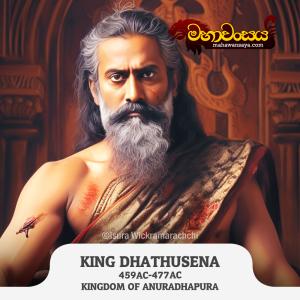
King Dhathusena
459 AC-477 AC
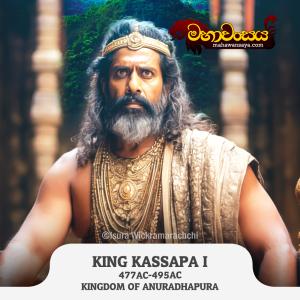
King Kassapa I
477 AC-495 AC
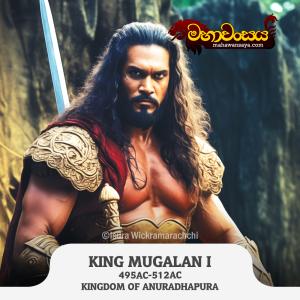
King Mugalan I
495 AC-512 AC
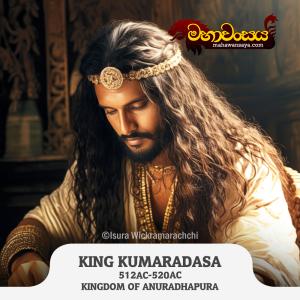
King Kumaradasa
512 AC-520 AC
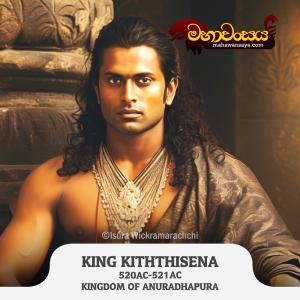
King Kiththisena
520 AC-521 AC
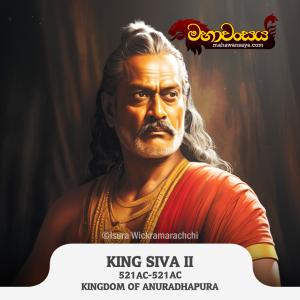
King Siva II
521 AC-521 AC
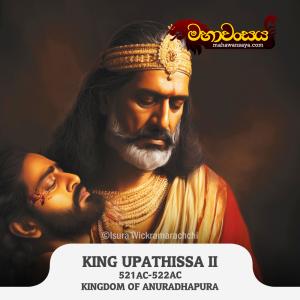
King Upatissa II
521 AC-522 AC
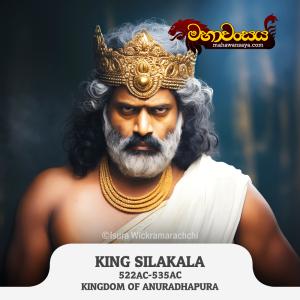
King Silakala
522 AC-535 AC
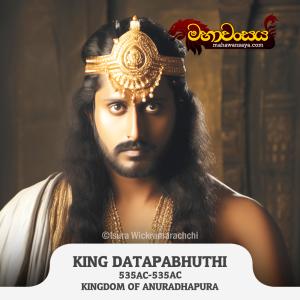
King Datappabhuthi
535 AC-535 AC
King Mugalan II
535 AC-555 AC
King Kiththisirimegha
555 AC-573 AC
King Mahanaga
573 AC-575 AC
King Aggabodhi I
575 AC-608 AC
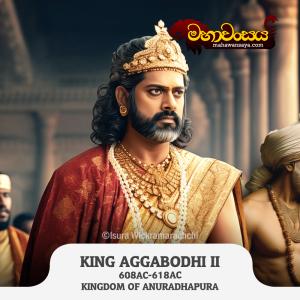
King Aggabodhi II
608 AC-618 AC
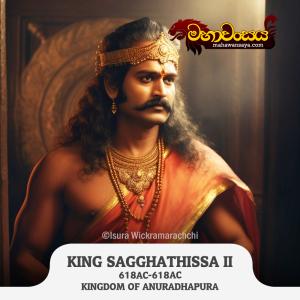
King Sangha Tissa II
618 AC-618 AC
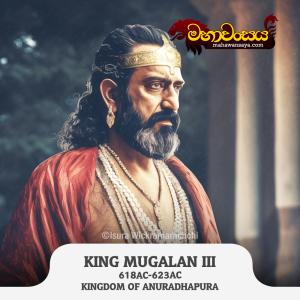
King Mugalan III
618 AC-623 AC
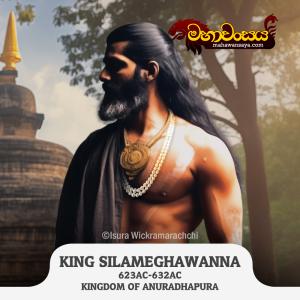
King Silameghavanna
623 AC-632 AC
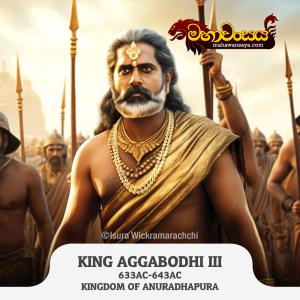
King Aggabodhi III
633 AC-643 AC
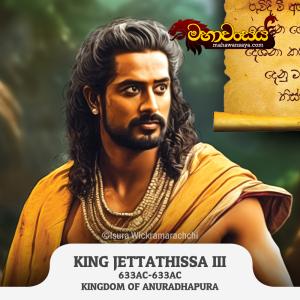
King Jetta Tissa III
633 AC-633 AC
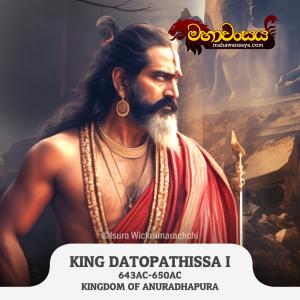
King Datopathissa i
643 AC-650 AC
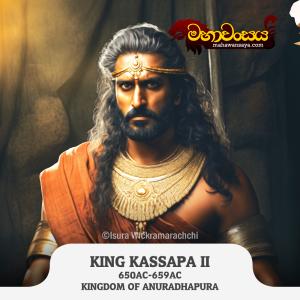
King Kassapa II
650 AC-659 AC
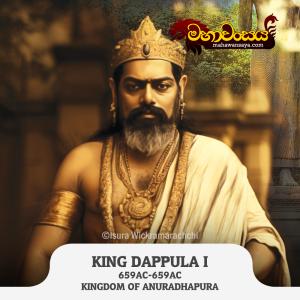
King Dappula I
659 AC-659 AC
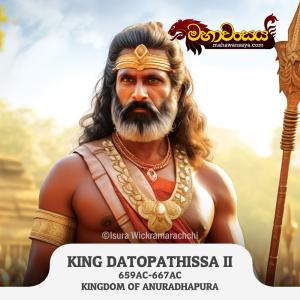
King Datopathissa II
659 AC-667 AC
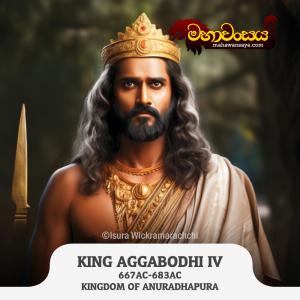
King Aggabodhi IV
667 AC-683 AC
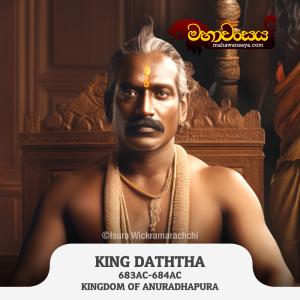
King Daththa
683 AC-684 AC
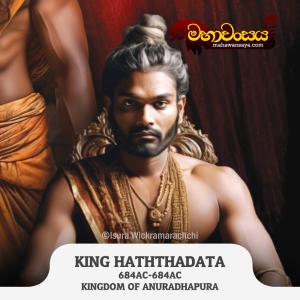
King Haththadata
684 AC-684 AC
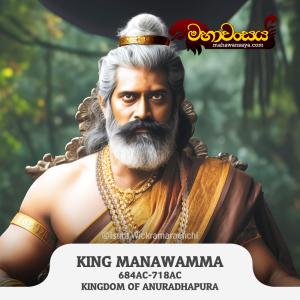
King Manavamma
684 AC-718 AC
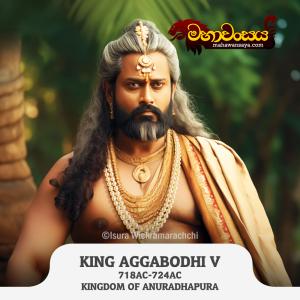
King Aggabodhi V
718 AC-724 AC
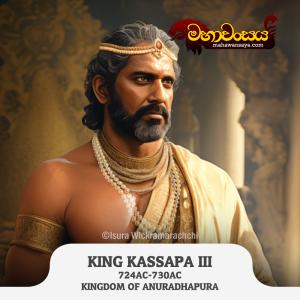
King Kassapa III
724 AC-730 AC
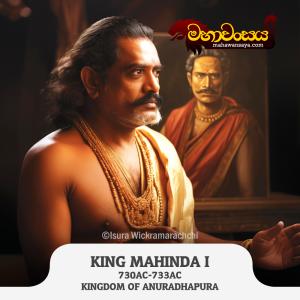
King Mahinda I
730 AC-733 AC
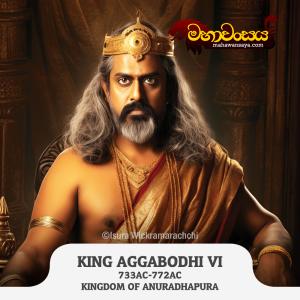
King Aggabodhi VI
733 AC-772 AC
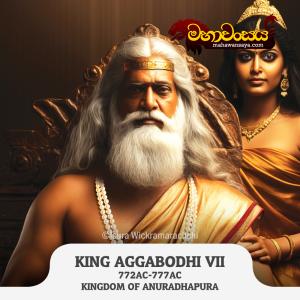
King Aggabodhi VII
772 AC-777 AC
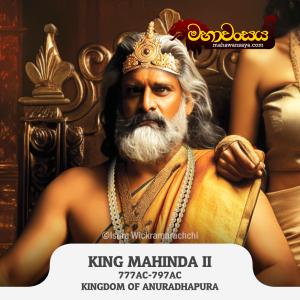
King Mahinda II
777 AC-797 AC
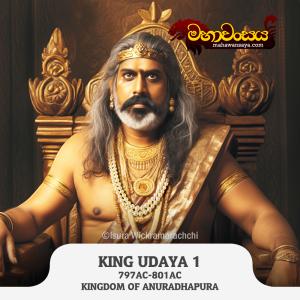
King Udaya I
797 AC-801 AC
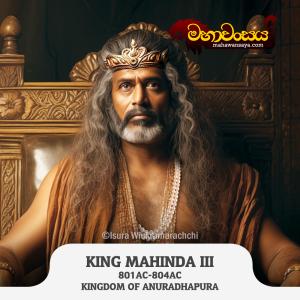
King Mahinda III
801 AC-804 AC
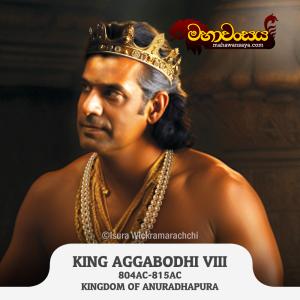
King Aggabodhi VIII
804 AC-815 AC
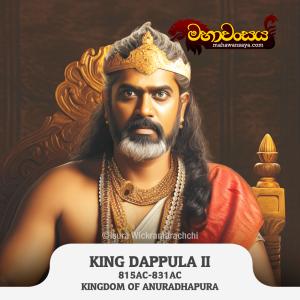
King Dappula II
815 AC-831 AC
King Aggabodhi IX
831 AC-833 AC
King Sena I
833 AC-853 AC
King Sena II
853 AC-887 AC
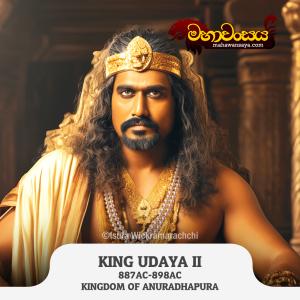
King Udaya II
887 AC-898 AC
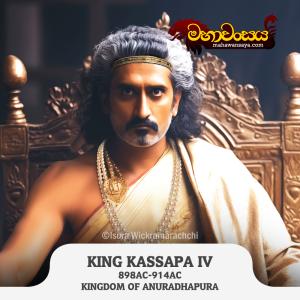
King Kassapa IV
898 AC-914 AC
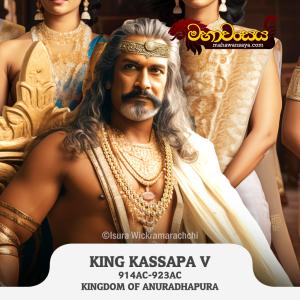
King Kassapa V
914 AC-923 AC
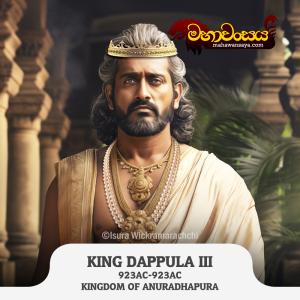
King Dappula III
923 AC-923 AC
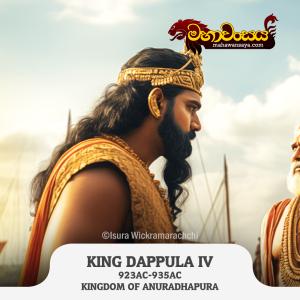
King Dappula IV
923 AC-935 AC
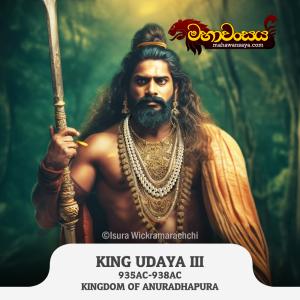
King Udaya III
935 AC-938 AC
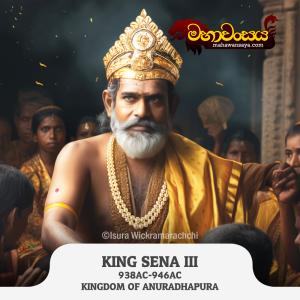
King Sena III
938 AC-946 AC
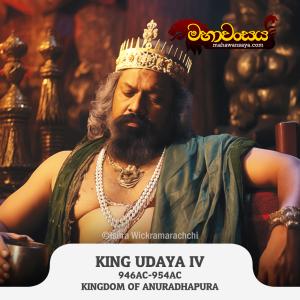
King Udaya IV
946 AC-954 AC
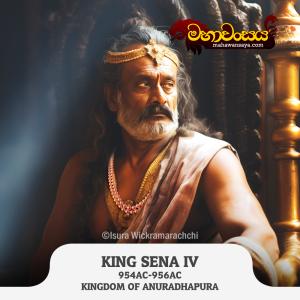
King Sena IV
954 AC-956 AC
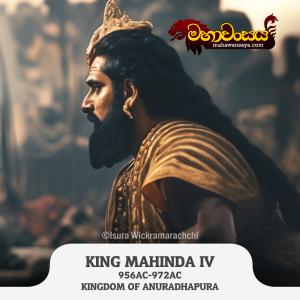
King Mahinda IV
956 AC-972 AC
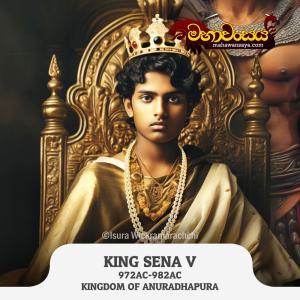
King Sena V
972 AC-982 AC
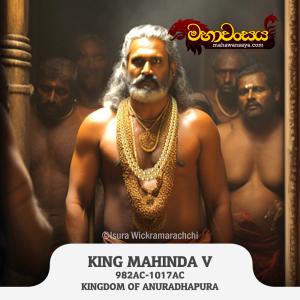
King Mahinda V
982 AC-1017 AC
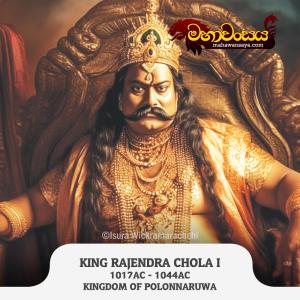
Rajendra Chola I
1017 AC-1044 AC
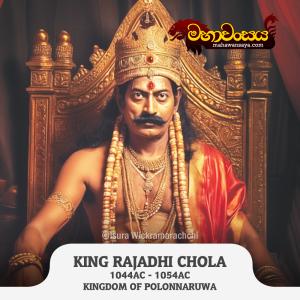
Rajadhiraja Chola
1044 AC-1054 AC
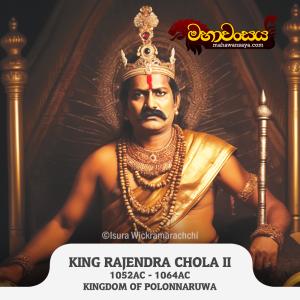
Rajendra Chola II
1052 AC-1064 AC
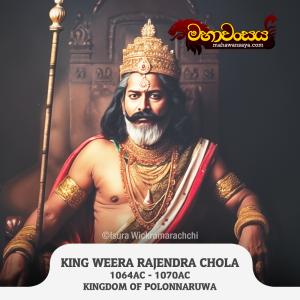
Virarajendra Chola
1064 AC-1070 AC
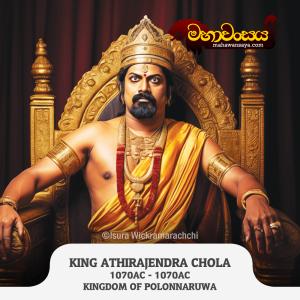
Athirajendra Chola
1070 AC-1070 AC
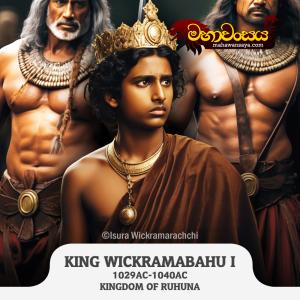
King Wickramabahu I
1029 AC-1040 AC
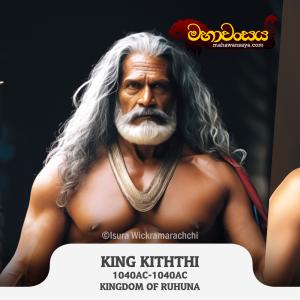
King General Keerthi
1040 AC-1040 AC
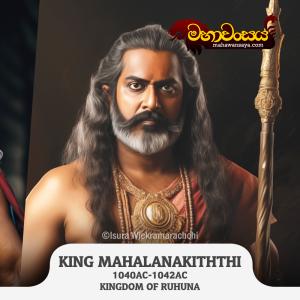
King Mahalana Kiththi
1040 AC-1042 AC
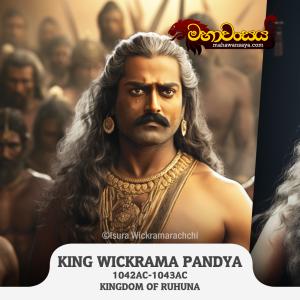
King Wickrama Pandu
1042 AC-1043 AC
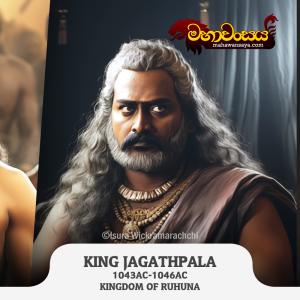
King Jagathpala
1043 AC-1046 AC
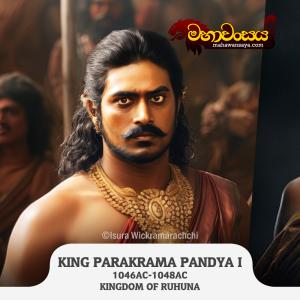
King Parakrama Pandu
1046 AC-1048 AC
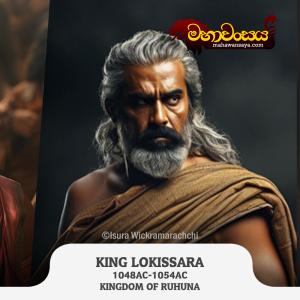
King Lokissara
1048 AC-1054 AC
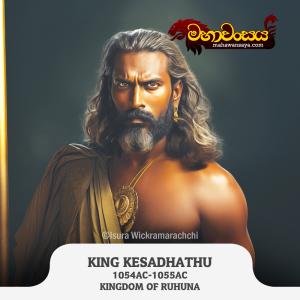
King Kesadhathu
1054 AC-1055 AC
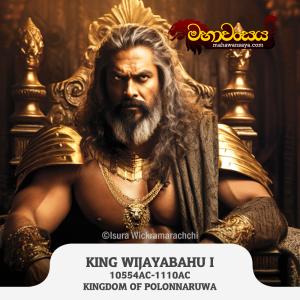
King Vijayabahu I
1055 AC-1110 AC
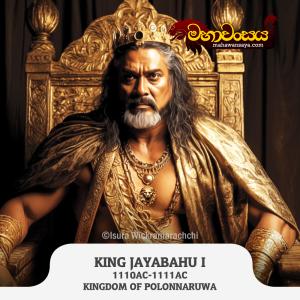
King Jayabahu I
1110 AC-1111 AC
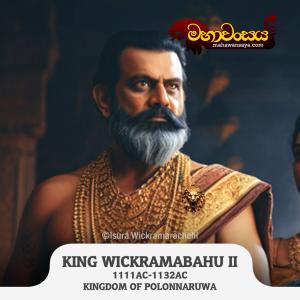
King Wickramabahu II
1111 AC-1132 AC
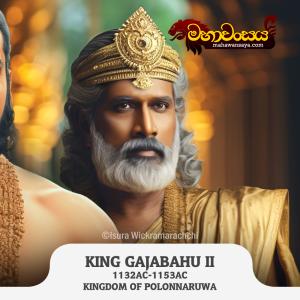
King Gajabahu II
1032 AC-1053 AC
King Parakramabahu I
1053 AC-1086 AC
King Vijayabahu II
1186 AC-1187 AC
King Mahinda VI
1187 AC-1187 AC
King Nissanka Malla
1187 AC-1196 AC
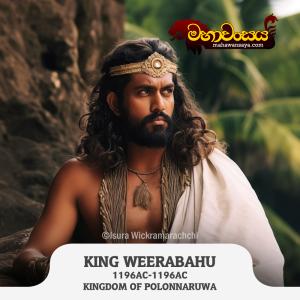
King Weerabahu I
1196 AC-1196 AC
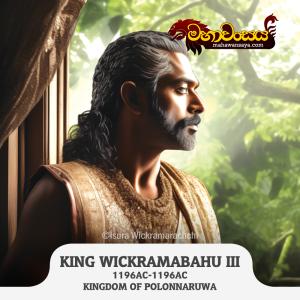
King Wickramabahu III
1196 AC-1196 AC
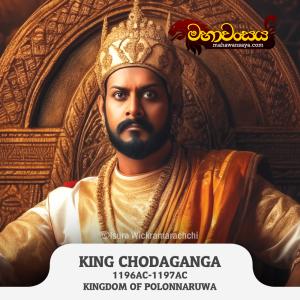
King Chodaganga
1196 AC-1197 AC
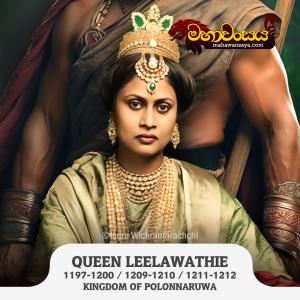
Queen Leelawathie
1197 AC-1200 AC
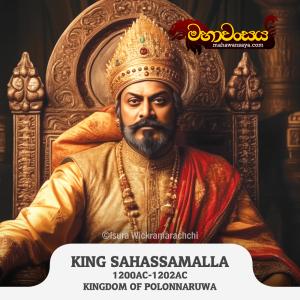
King Sahasamalla
1200 AC-1202 AC
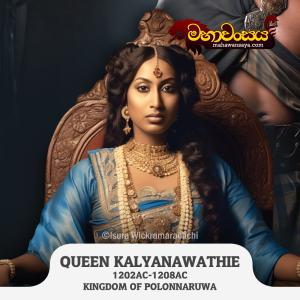
Queen Kalyanawathie
1202 AC-1208 AC
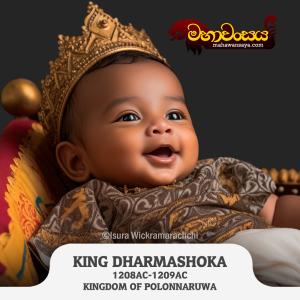
King Dharmasoka
1208 AC-1209 AC
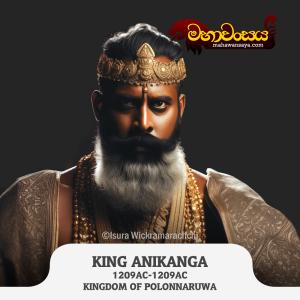
King Anikanga
1209 AC-1209 AC
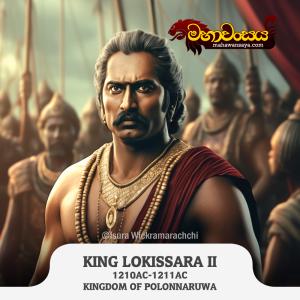
King Lokissara ii
1210 AC-1211 AC
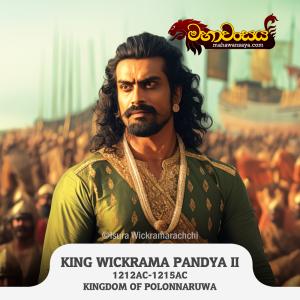
King Parakrama Pandu II
1212 AC-1215 AC
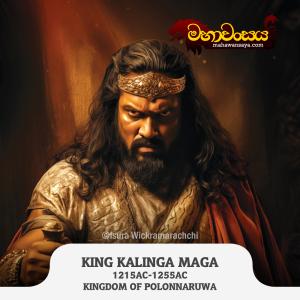
King Kalinga Magha
1215 AC-1255 AC
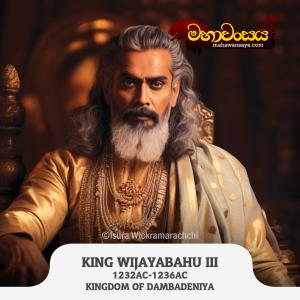
King Vijayabahu III
1232 AC-1236 AC
King Parakramabahu II
1236 AC-1272 AC
King Vijayabahu IV
1272 AC-1274 AC
King Buvanekabahu I
1274 AC-1286 AC
King Parakramabahu III
1287 AC-1293 AC
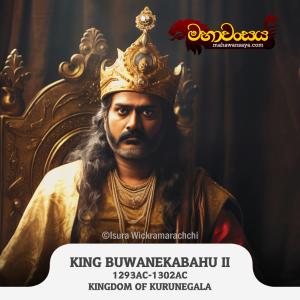
King Buvanekabahu II
1293 AC-1302 AC
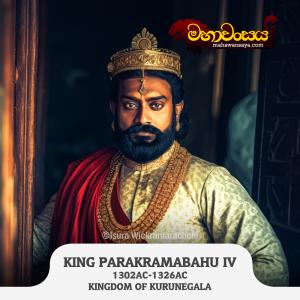
King Parakramabahu IV
1302 AC-1326 AC
-208.jpg)
King Buvanekabahu III (Vanni B
1326 AC-1335 AC
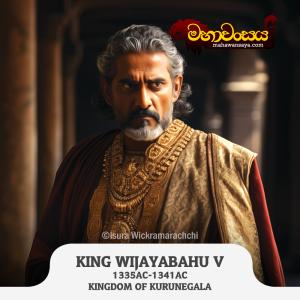
King Vijayabahu V
1335 AC-1341 AC
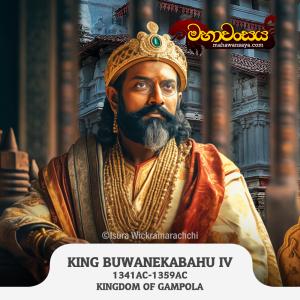
King Buvanekabahu IV
1341 AC-1359 AC
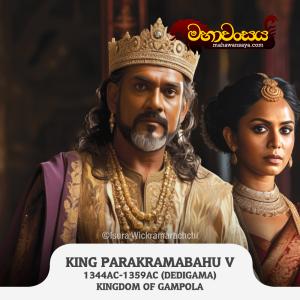
King Parakramabahu V
1344 AC-1359 AC
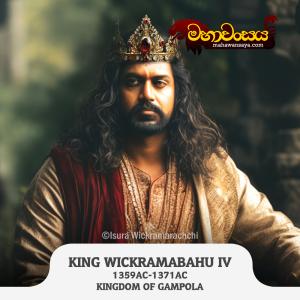
King Wickramabahu IV
1359 AC-1371 AC
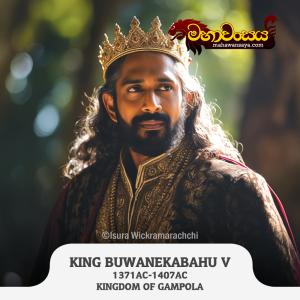
King Buvanekabahu V
1371 AC-1407 AC
-544.jpg)
King Kumara Alakeshwara (Alake
1391 AC-1391 AC
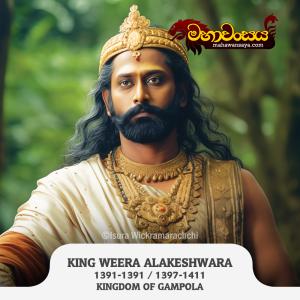
King Weera Alakesvara
1397 AC-1411 AC
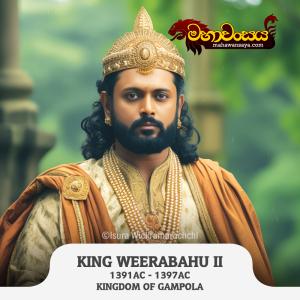
King Weerabahu II
1391 AC-1397 AC
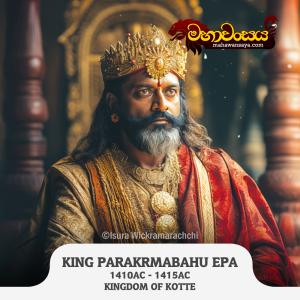
King Parakramabahu Epa
1410 AC-1415 AC
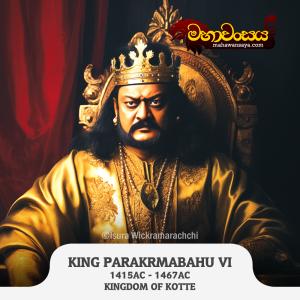
King Parakramabahu VI
1415 AC-1467 AC
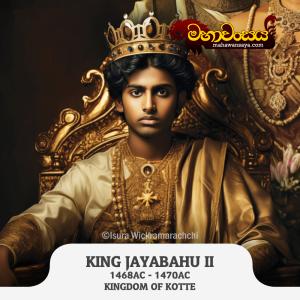
King Jayabahu II
1468 AC-1470 AC
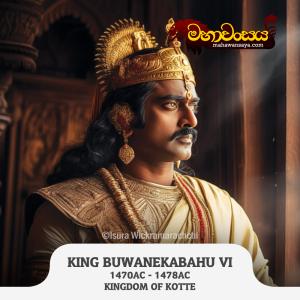
King Buvanekabahu VI
1470 AC-1478 AC
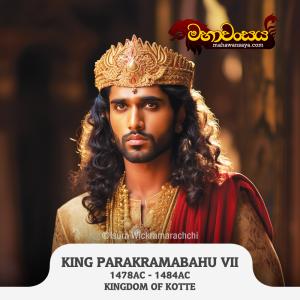
King Panditha Parakramabahu VI
1478 AC-1484 AC
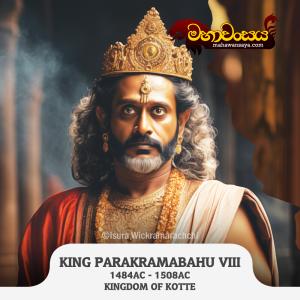
King Weera Parakramabahu VIII
1484 AC-1508 AC
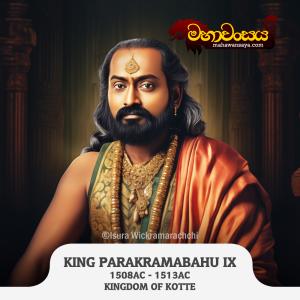
King Darma Parakramabahu IX
1508 AC-1513 AC
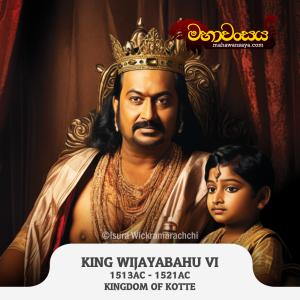
King Vijayabahu VI
1513 AC-1521 AC
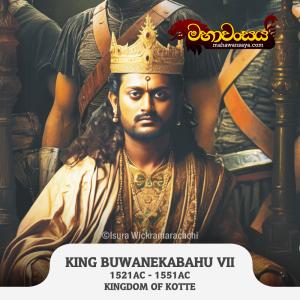
King Buvanekabahu VII
1521 AC-1551 AC
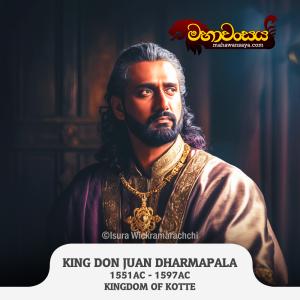
King Don Juwan Dharmapala
1551 AC-1597 AC
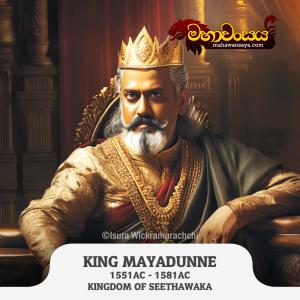
King Mayadunne
1551 AC-1581 AC
King Rajasinha I
1581 AC-1593 AC
King Rajasooriya
1593 AC-1593 AC
King Nikapitiye Bandara
1593 AC-1593 AC
King Wimaladharmasuriya I
1591 AC-1604 AC
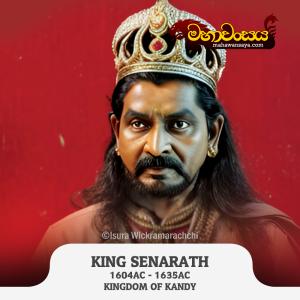
King Senarat
1604 AC-1635 AC
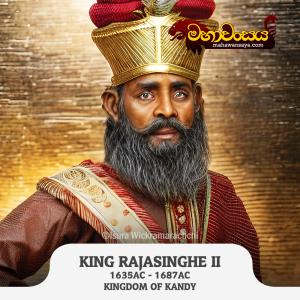
King Rajasinha II
1635 AC-1687 AC
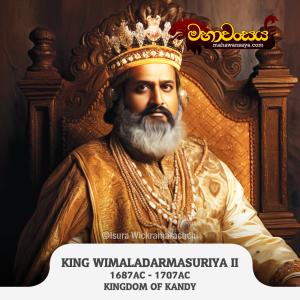
King Wimaladharmasuriya II
1687 AC-1707 AC
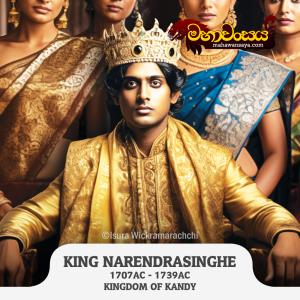
King Sri Weera Parakrama Naren
1707 AC-1739 AC
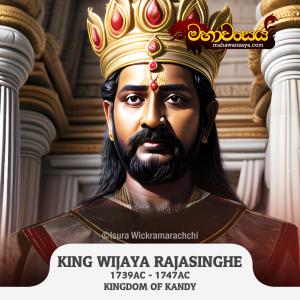
King Sri Wijaya Rajasingha
1739 AC-1747 AC
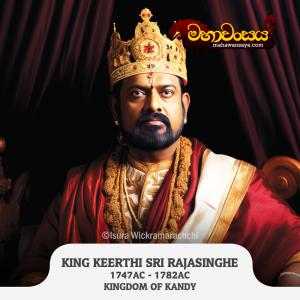
King Keerthi Sri Rajasingha
1747 AC-1782 AC
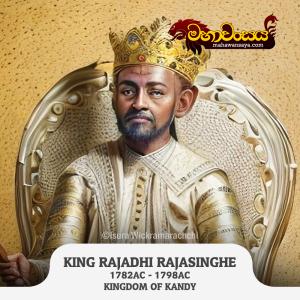
King Rajadhi Rajasinha
1782 AC-1798 AC
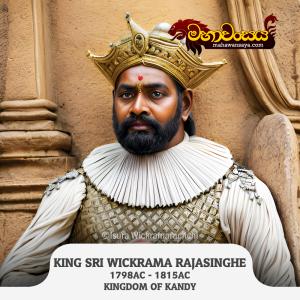
King Sri Wikrama Rajasinha
1798 AC-1815 AC

Pedro Lopes de Sousa
1594 AC-1594 AC
Joao da Silveira
1518 AC-1518 AC
Lopo de Brito
1518 AC-1522 AC
Fernao Gomes de Lemos
1522 AC-1524 AC
Joao Henriques
1551 AC-1552 AC
Diogo de Melo Coutinho
1552 AC-1552 AC
Duarte de Eca
1552 AC-1553 AC
Fernao Carvalho
1553 AC-1555 AC
Willem Jacobszoon Coster
1640 AC-1640 AC
Jan Thyszoon Payart
1640 AC-1646 AC
The throne after the third Sena King was ascended by the prince named Udaya. He served as the crown prince of King Sena and is also known by that name as the fourth king. The crown prince of this king was a prince named Sena. Although no mention is made of a vizier, the Mahavamsa notes an inner palace official named Vidura. Neither the chronicle nor any other Sinhala documents mention who the third Udaya King was. As initially observed, it seems that the Mahavamsa was not interested in clarifying the succession of several other kings who ascended the throne during this period. However, for historians, the gaps can be filled through inscriptions. According to earlier recollections, an inscription from a village called Welmilla in the Kalutara District mentions a prince named Udama Mahaya (Udaya Mahadhipa), son of a king named Sirisangabodhi Kasub. This king is identified as the fourth Kasub King. He was also the brother of King Sena II. Udama Mahaya refers to the fourth Udaya King.
It appears that King Udaya was the first crown prince to wear the robes in Anuradhapura and took control of the southern region. During that period, it is evident that the Welmilla region of Pahabunu was under his administration. A significant event during his reign was the invasion of the country by the Cholas. As described in the first paragraph, when the Cholas invaded the Pandya country, King Rajasingha, the ruler there, could not face war and brought royal goods to this island. This occurred during the reign of the fourth Dappula King. Although Rajasingha sought assistance from the king of this country to fight for his independence, he could not obtain it and left the royal goods here for the Pandya country.
Initially, the first Pandya King attacked the Pandya country. It appears that he was able to completely subjugate that land during these battles. Afterwards, he needed to establish peace in the country before receiving his coronation in the Pandya land. However, at that time, the necessary royal goods were available only in Lanka, so they had to be obtained first.
The Mahavamsa states that the fourth Udaya King was a lazy and indulgent drinker. In Sri Lankan history, this is the first recorded instance of alcohol entering the royal palace. This vice, which brings ruin to both an individual and society, had not previously existed in the royal palace. During the battle of King Dutugemunu, liquor was poured into the Kadolathu tank. Even though the rival Suranimala Rabi was present for the competition, no one else drank. Although one may doubt whether alcohol was used widely in society, evidence is scant. One story mentions a livelihood worker named Pandaranga who spent a night with a jug of Rabi and went to the lake in the morning to catch fish. Several other occasions regarding Rabi are also recorded in inscriptions. However, the entry of alcohol into the royal palace led to the ruin of the country.
As seen above, the condition of the country caused by King Udaya’s drinking was known to the Chola ruler. He planned to take advantage of the situation as a ruler. The perfect opportunity left to him was the royal goods left by Rajasingha, the Pandya king. To receive his coronation, the Pandya king sent a message to the king of this island to deliver these goods. The fourth Udaya King, intoxicated by drink, sat idly on the throne. He forgot to respond to the request of the Chola king. Taking advantage of this, the Pandya king invaded Lanka. This was the first Chola invasion of this era.
When the army sent by the Pandya arrived in Lanka, the king’s commander was away in a remote region suppressing a rebellion in the outlying province. King Udaya immediately called him and sent him forward to face the enemy. However, the commander died in the battle. There was nothing the king could do. The king fled to Ruhuna with the royal goods and valuables. Although the Chola army captured the king, they could not enter Ruhuna and returned empty-handed. However, it is evident that they subjugated the royal territory. This raises the question: if so, why did the Chola army leave without staying?
In fact, by that time, the Chola king was not in a position to invade and occupy a country. Due to political conflicts in India, the empire he had built began to collapse. A powerful invader from northern India, the third Krishna Rashtrakuta, attacked the Chola empire. In the battle of Takkolam, the Pandya crown prince also died. This required the Pandya king to employ his full strength to face the enemy. As a result, he could not allocate forces for battle in Lanka, and the army he sent retreated.
The Mahavamsa states: “In Ekanli, the Lankaendra, who was noble and strong, the leader named Viduragga was appointed commander. He brought the items destroyed by the Chola king’s outpost (Pachchantam).” It is unclear what this Pachchantam refers to—whether a location in India or a region in Lanka. Earlier, it was noted that a certain monastery had been disturbed during the Chola invasion. The commander Senaviya, who came immediately to suppress the rebellion and went to battle with the Cholas, died. In this context, it is doubtful whether the newly appointed Viduragga Senaviya had sufficient strength under a weak king to invade India. Accordingly, it can be considered that Pachchantam refers to the northern region where the invading Chola groups were stationed. It was under the Chola king but was immediately liberated by the Sinhalese.
After the royal territory was freed from the Cholas, King Udaya returned from Ruhuna once again. The Mahavamsa also records some of his religious activities. He showed consideration to the Dipavasi Pansukulika monks. A floating golden canopy was made over the image at Mahavihara. The construction of the Mani-Prasad commissioned by the Chola king was started.
Inscriptions from this king’s period are rare. Professor Senarat Paranavitana states that the Hopitigama inscription mentioned in the first paragraph belongs to his era. According to him, it was erected during the journey back to the capital after fleeing to Ruhuna in fear of the Cholas and restoring order. There is no evidence in the sources that any developmental work took place in the country during the reign of the fourth Udaya King, who opened the door to a Chola invasion. His reign lasted eight years.