126
King Mahinda IV
Kingdom of Anuradhapura
956 AC - 972 AC
956 AC - 972 AC

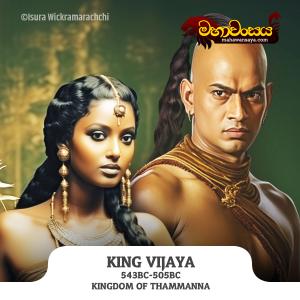
King Vijaya
543 BC-505 BC
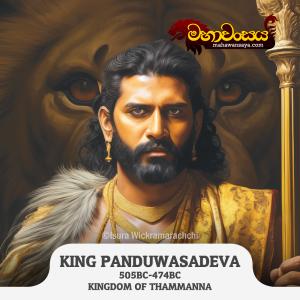
King Panduvasdeva
504 BC-474 BC
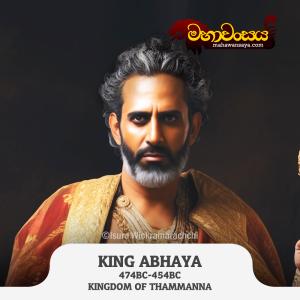
King Abhaya
474 BC-454 BC
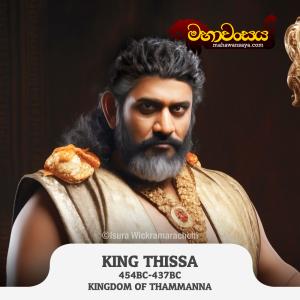
King Tissa
454 BC-437 BC
King Pandukabhaya
437 BC-367 BC
King Ganathissa
407 BC-367 BC
King Mutasiva
367 BC-307 BC
King Devanampiya Tissa
307 BC-267 BC
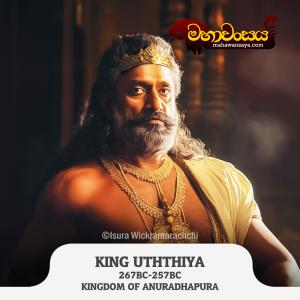
King Uttiya
267 BC-257 BC
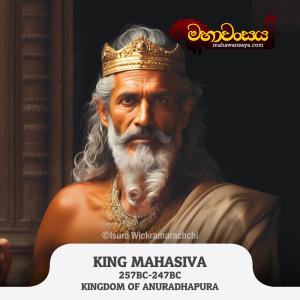
King Mahasiva
257 BC-247 BC
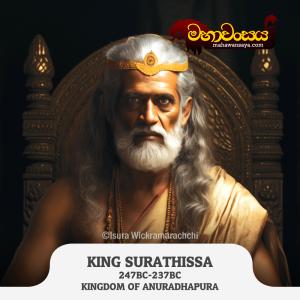
King Suratissa
247 BC-237 BC
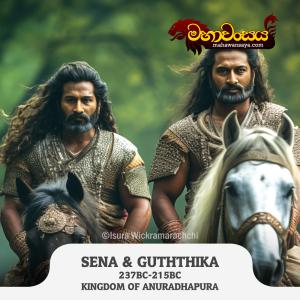
Sena and Guttika
237 BC-215 BC
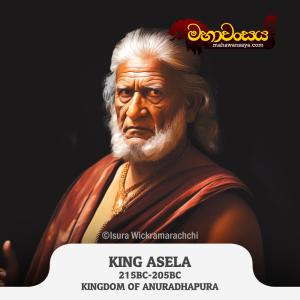
King Asela
215 BC-205 BC
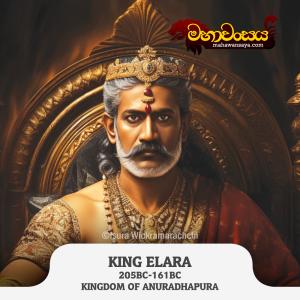
King Elara
205 BC-161 BC
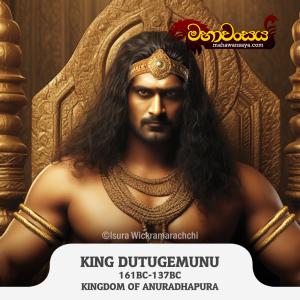
King Dutugemunu
161 BC-137 BC
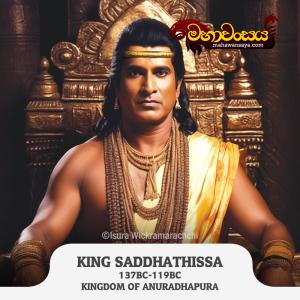
King Saddha Tissa
137 BC-119 BC
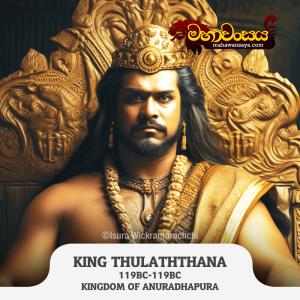
King Thulatthana
119 BC-119 BC
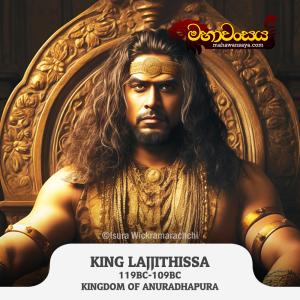
King Lajjithissa
119 BC-109 BC
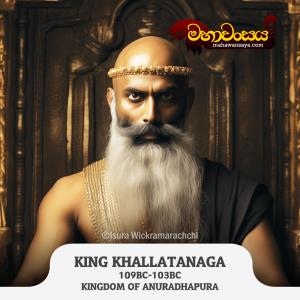
King Khallata Naga
109 BC-103 BC
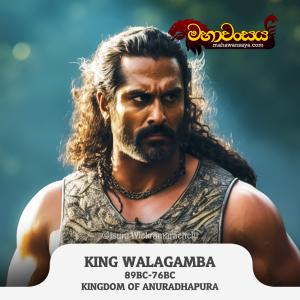
King Walagamba
89 BC-76 BC
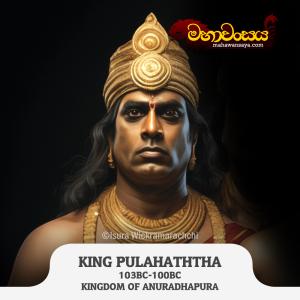
King Pulahaththa
103 BC-100 BC
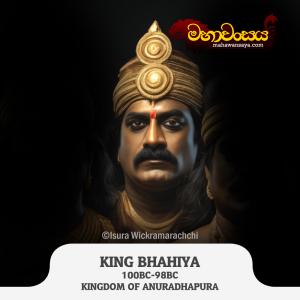
King Bhahiya
100 BC-98 BC
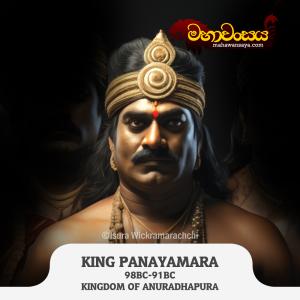
King Panayamara
98 BC-91 BC
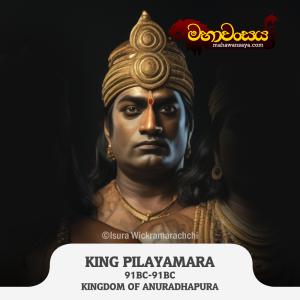
King Piliyamara
91 BC-91 BC
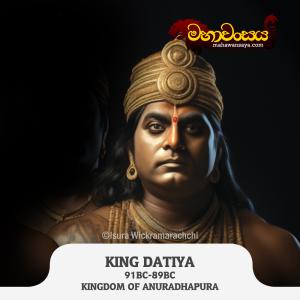
King Dathiya
91 BC-89 BC
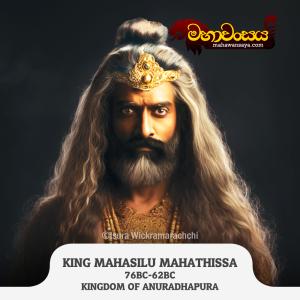
King Mahachulikamahathissa
76 BC-62 BC
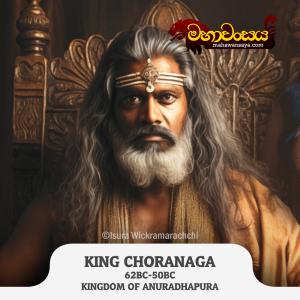
King Choranaga
62 BC-50 BC
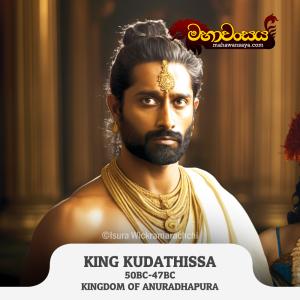
King Kuda Thissa
50 BC-47 BC
King Siva I
47 BC-45 BC
King Vatuka
45 BC-44 BC
King Darubhatika Tissa
44 BC-43 BC
King Neeliya
43 BC-43 BC
Queen Anula
43 BC-42 BC
King Kutikanna Tissa
42 BC-19 BC
King Bhathikabhaya
19 BC-9 AC
King Mahadatika Mahanaga
9 AC-22 AC
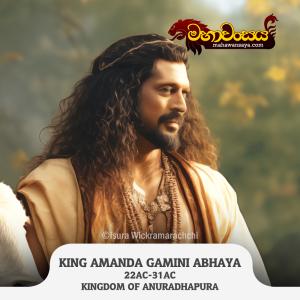
King Amandagamani Abhaya
22 AC-31 AC
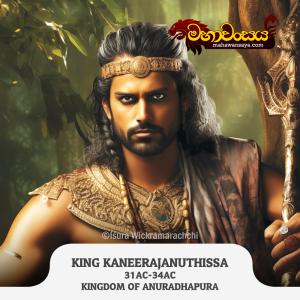
King Kanirajanu Tissa
31 AC-34 AC
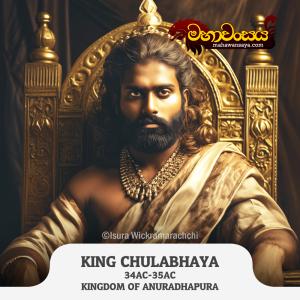
King Chulabhaya
34 AC-35 AC
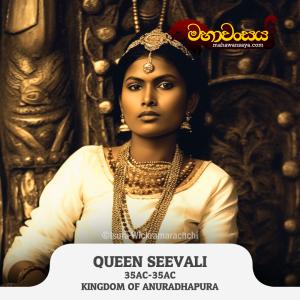
Queen Seevali
35 AC-35 AC
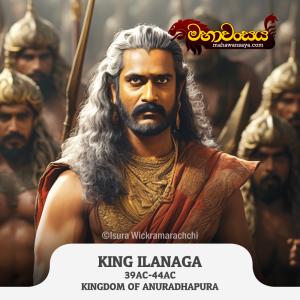
King Ilanaga
39 AC-44 AC
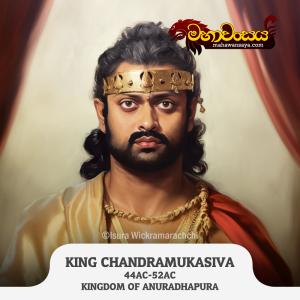
King Chandra Mukha Siva
44 AC-52 AC
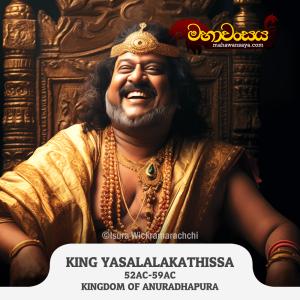
King Yassalalaka Thissa
52 AC-59 AC
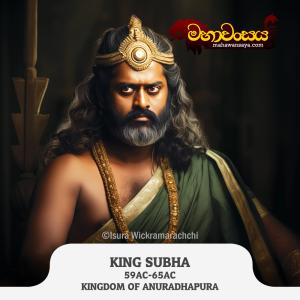
King Subha
59 AC-65 AC
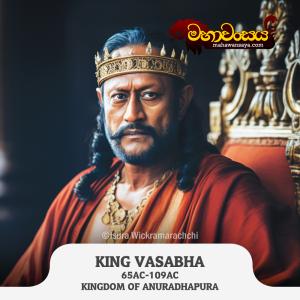
King Vasabha
65 AC-109 AC
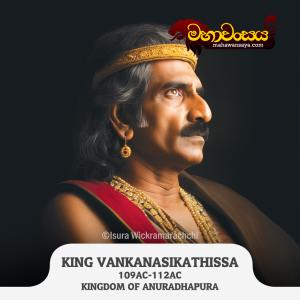
King Vankanasika Tissa
109 AC-112 AC
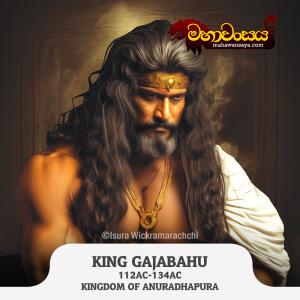
King Gajabahu I
112 AC-134 AC
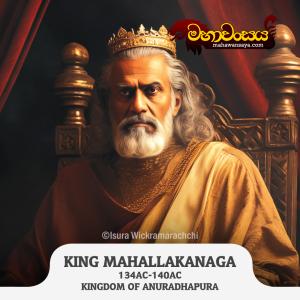
King Mahallaka Naga
134 AC-140 AC
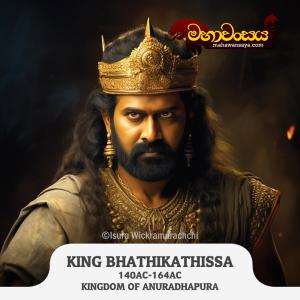
King Bhathika Thissa
140 AC-164 AC
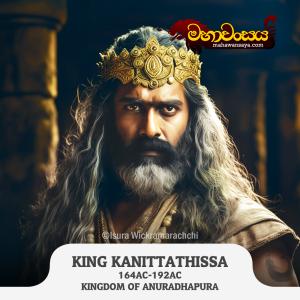
King Kanitta Tissa
164 AC-192 AC
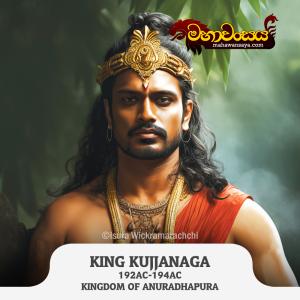
King Kujjanaga
192 AC-194 AC
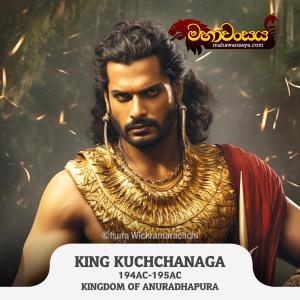
King Kudda Naga
194 AC-195 AC
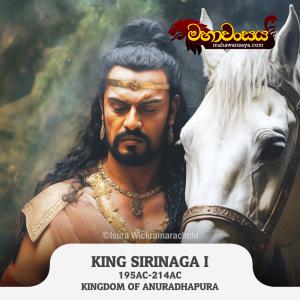
King Sirinaga I
195 AC-214 AC
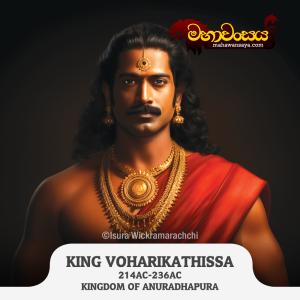
King Voharika Tissa
214 AC-236 AC
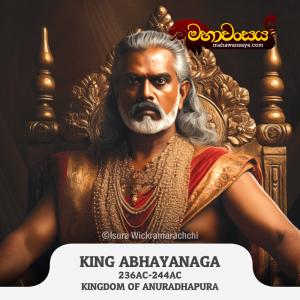
King Abhaya Naga
236 AC-244 AC
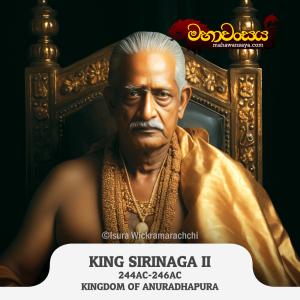
King Sirinaga II
244 AC-246 AC
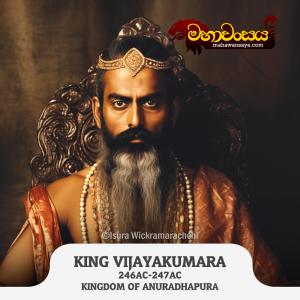
King Vijaya Kumara
246 AC-247 AC
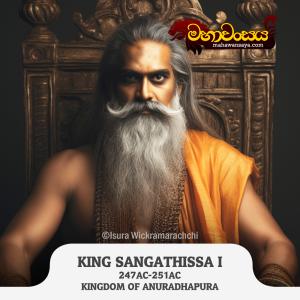
King Sangha Tissa I
247 AC-251 AC
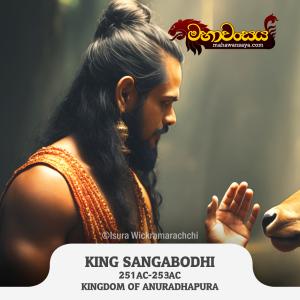
King Siri Sangha Bodhi I
251 AC-253 AC
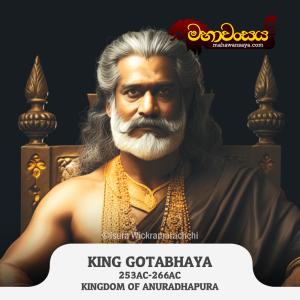
King Gotabhaya
253 AC-266 AC
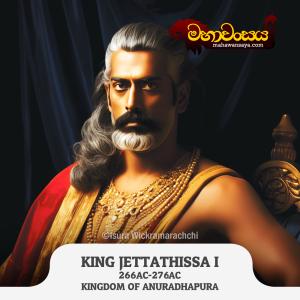
King Jetta Tissa I
266 AC-276 AC
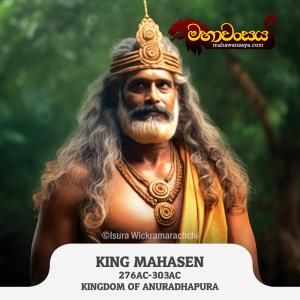
King Mahasen
276 AC-303 AC
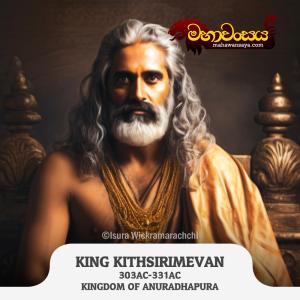
King Kithsirimewan
303 AC-331 AC
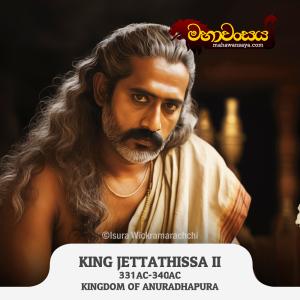
King Jetta Tissa II
331 AC-340 AC
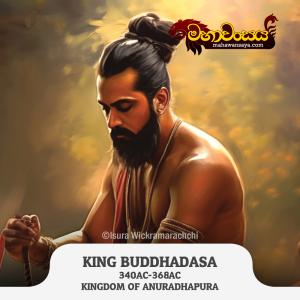
King Buddhadasa
340 AC-368 AC
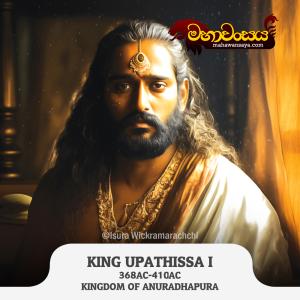
King Upatissa I
368 AC-410 AC
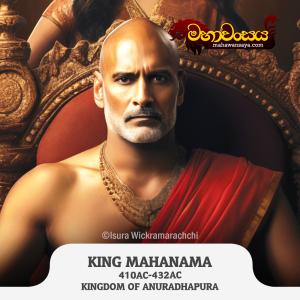
King Mahanama
410 AC-432 AC
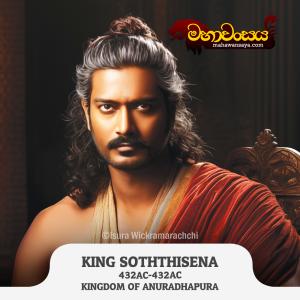
King Soththisena
432 AC-432 AC
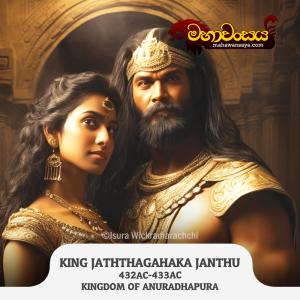
King Jaththagahaka Janthu
432 AC-433 AC
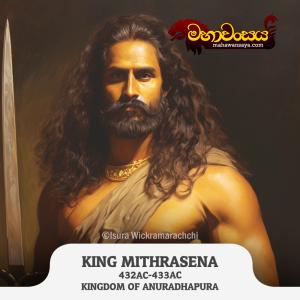
King Miththasena
432 AC-433 AC
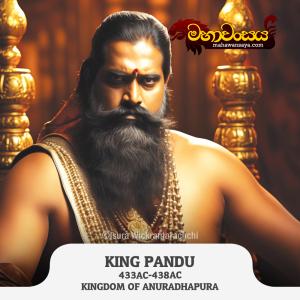
King Pandu
433 AC-438 AC
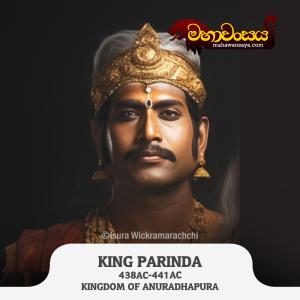
King Parinda
438 AC-441 AC
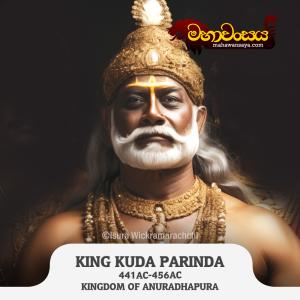
King Kuda Parinda
441 AC-456 AC
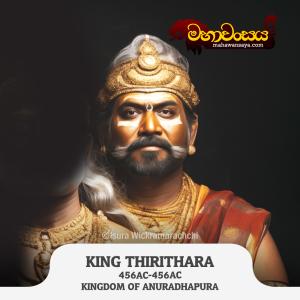
King Thirithara
456 AC-456 AC
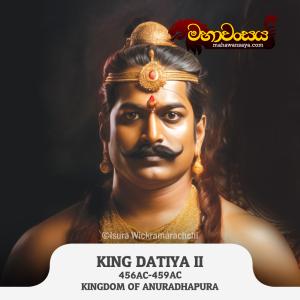
King Datiya II
456 AC-459 AC
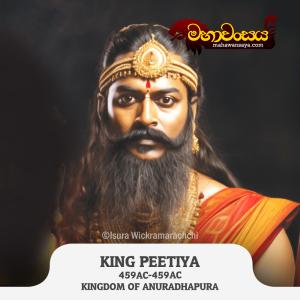
King Peetiya
459 AC-459 AC
King Dhathusena
459 AC-477 AC
King Kassapa I
477 AC-495 AC
King Mugalan I
495 AC-512 AC
King Kumaradasa
512 AC-520 AC
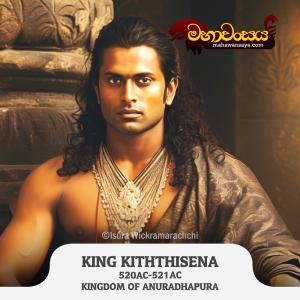
King Kiththisena
520 AC-521 AC
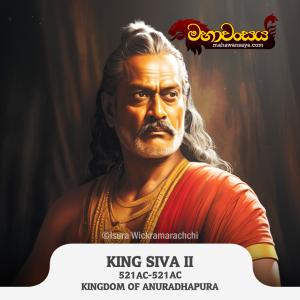
King Siva II
521 AC-521 AC
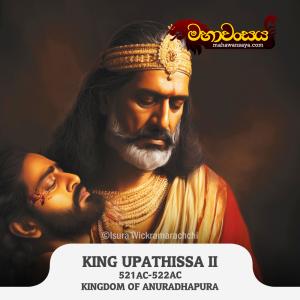
King Upatissa II
521 AC-522 AC
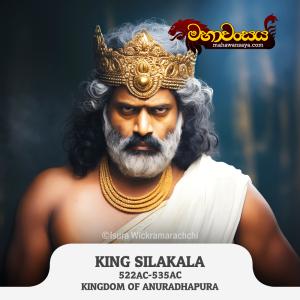
King Silakala
522 AC-535 AC
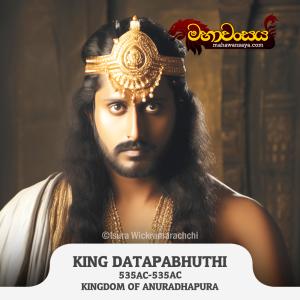
King Datappabhuthi
535 AC-535 AC
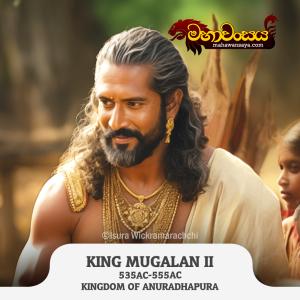
King Mugalan II
535 AC-555 AC
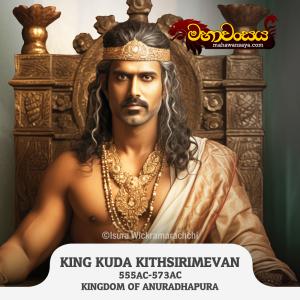
King Kiththisirimegha
555 AC-573 AC
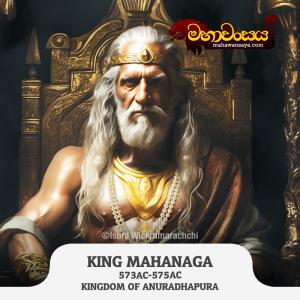
King Mahanaga
573 AC-575 AC
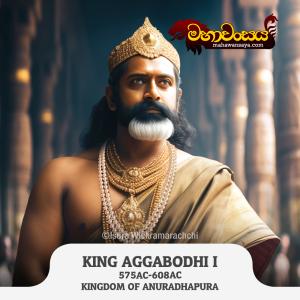
King Aggabodhi I
575 AC-608 AC
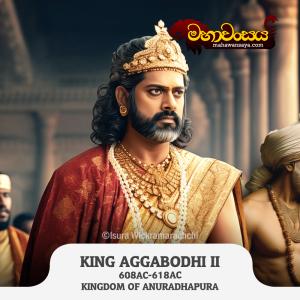
King Aggabodhi II
608 AC-618 AC
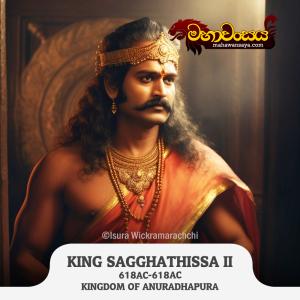
King Sangha Tissa II
618 AC-618 AC
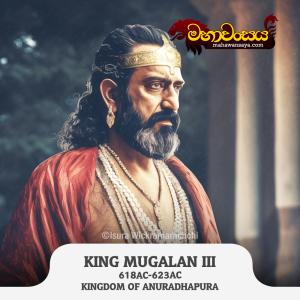
King Mugalan III
618 AC-623 AC
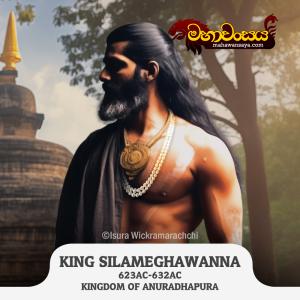
King Silameghavanna
623 AC-632 AC
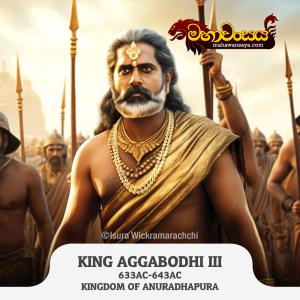
King Aggabodhi III
633 AC-643 AC
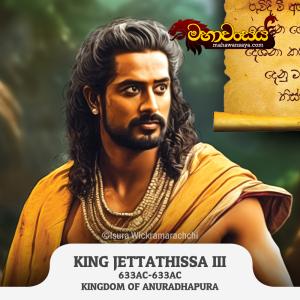
King Jetta Tissa III
633 AC-633 AC
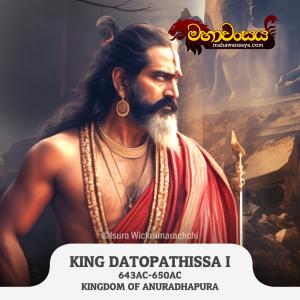
King Datopathissa i
643 AC-650 AC
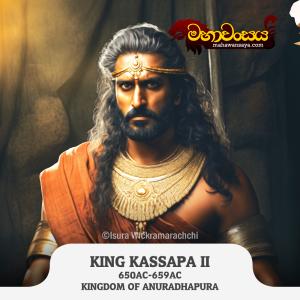
King Kassapa II
650 AC-659 AC
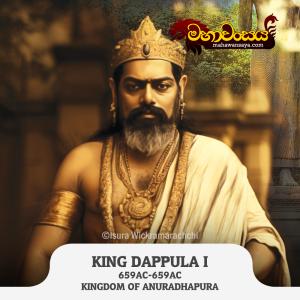
King Dappula I
659 AC-659 AC
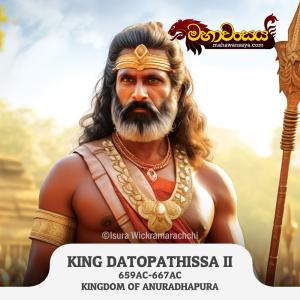
King Datopathissa II
659 AC-667 AC
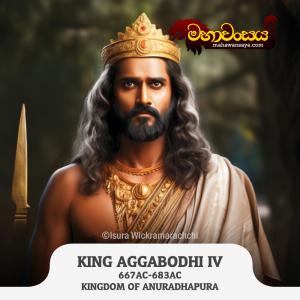
King Aggabodhi IV
667 AC-683 AC
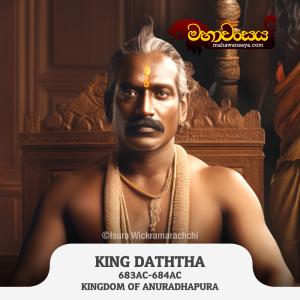
King Daththa
683 AC-684 AC
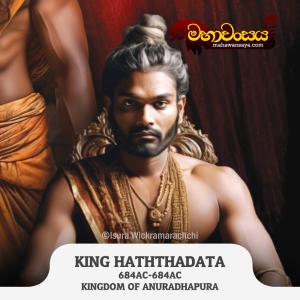
King Haththadata
684 AC-684 AC
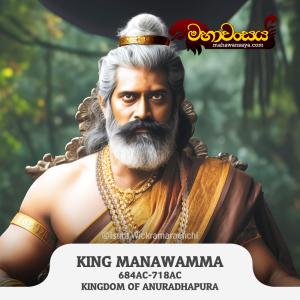
King Manavamma
684 AC-718 AC
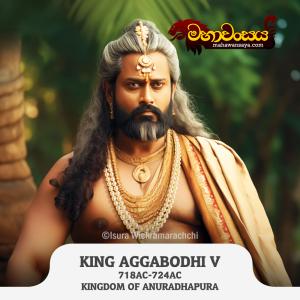
King Aggabodhi V
718 AC-724 AC
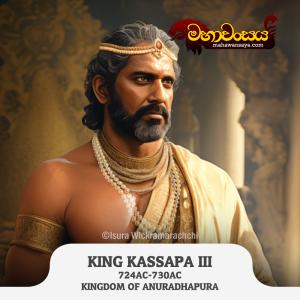
King Kassapa III
724 AC-730 AC
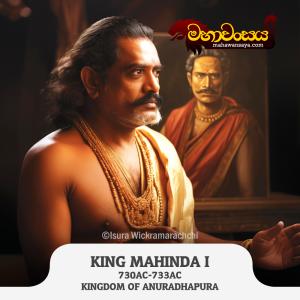
King Mahinda I
730 AC-733 AC
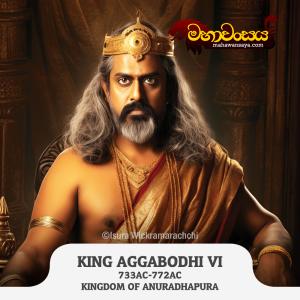
King Aggabodhi VI
733 AC-772 AC
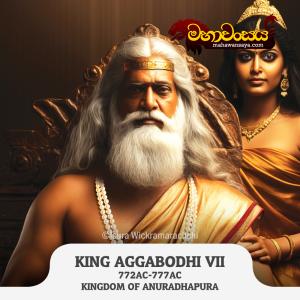
King Aggabodhi VII
772 AC-777 AC
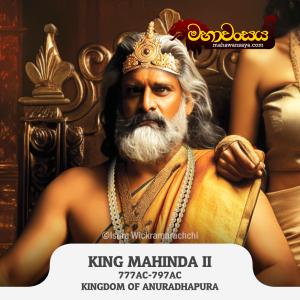
King Mahinda II
777 AC-797 AC
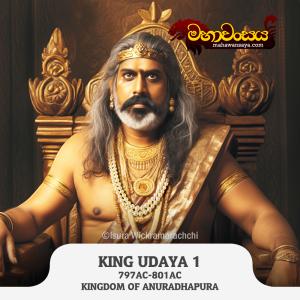
King Udaya I
797 AC-801 AC
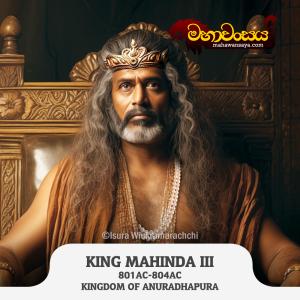
King Mahinda III
801 AC-804 AC
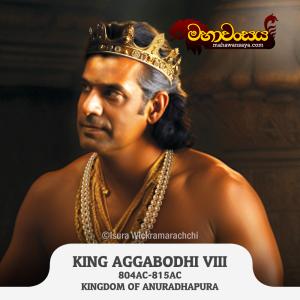
King Aggabodhi VIII
804 AC-815 AC
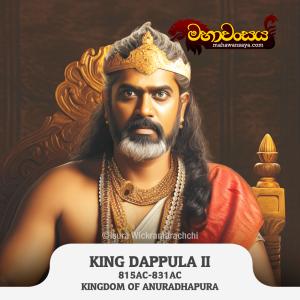
King Dappula II
815 AC-831 AC
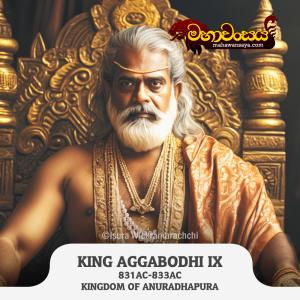
King Aggabodhi IX
831 AC-833 AC
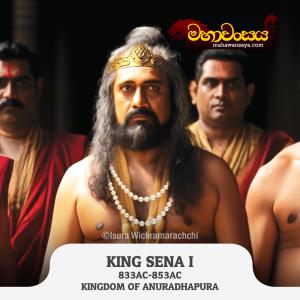
King Sena I
833 AC-853 AC
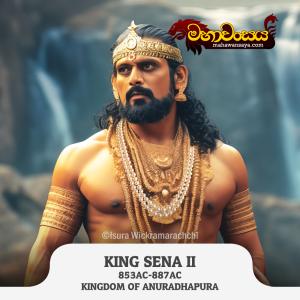
King Sena II
853 AC-887 AC
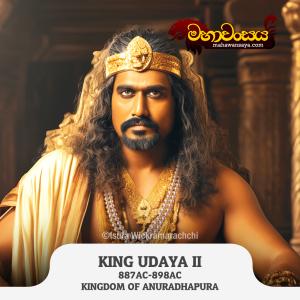
King Udaya II
887 AC-898 AC
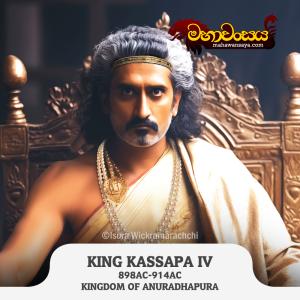
King Kassapa IV
898 AC-914 AC
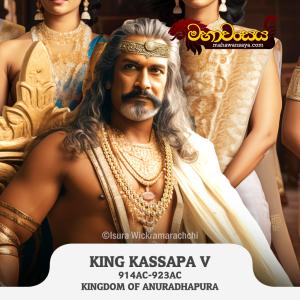
King Kassapa V
914 AC-923 AC
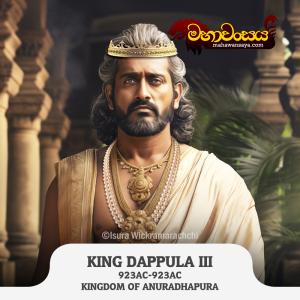
King Dappula III
923 AC-923 AC
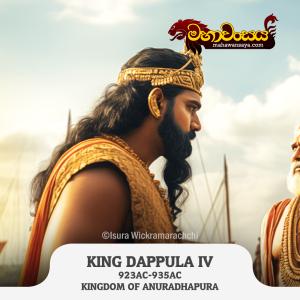
King Dappula IV
923 AC-935 AC
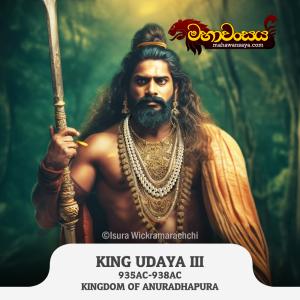
King Udaya III
935 AC-938 AC
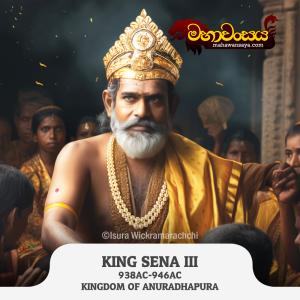
King Sena III
938 AC-946 AC
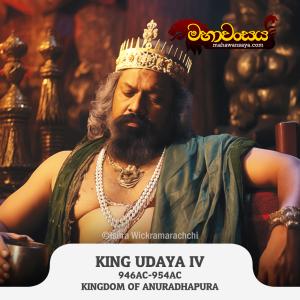
King Udaya IV
946 AC-954 AC
King Sena IV
954 AC-956 AC
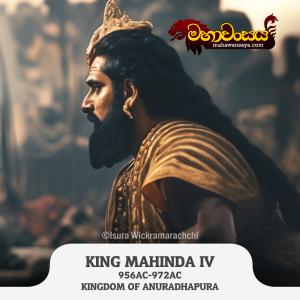
King Mahinda IV
956 AC-972 AC
King Sena V
972 AC-982 AC
King Mahinda V
982 AC-1017 AC
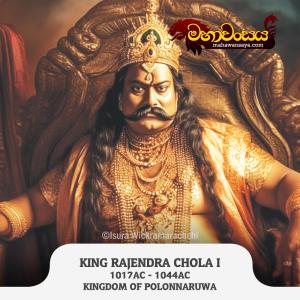
Rajendra Chola I
1017 AC-1044 AC
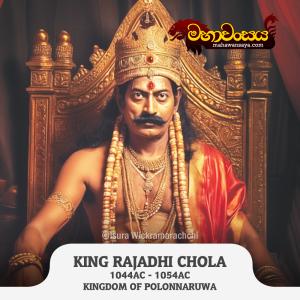
Rajadhiraja Chola
1044 AC-1054 AC
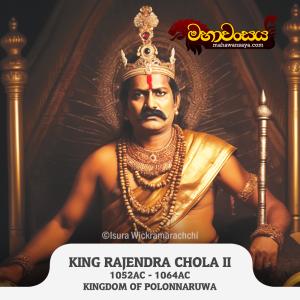
Rajendra Chola II
1052 AC-1064 AC
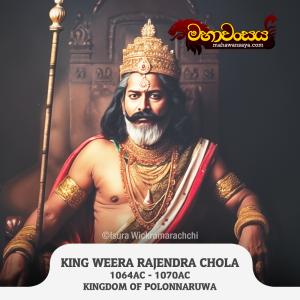
Virarajendra Chola
1064 AC-1070 AC
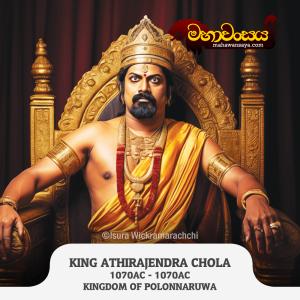
Athirajendra Chola
1070 AC-1070 AC
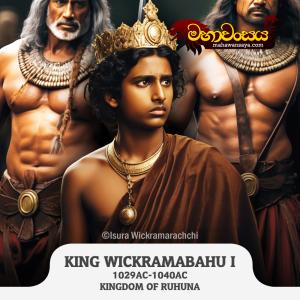
King Wickramabahu I
1029 AC-1040 AC
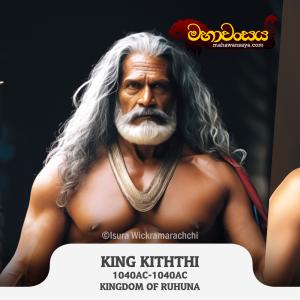
King General Keerthi
1040 AC-1040 AC
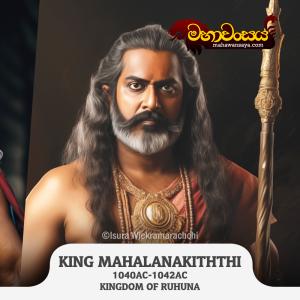
King Mahalana Kiththi
1040 AC-1042 AC
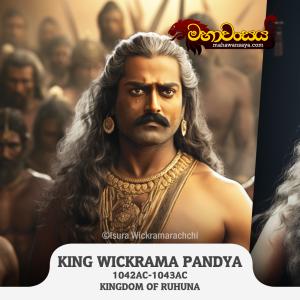
King Wickrama Pandu
1042 AC-1043 AC
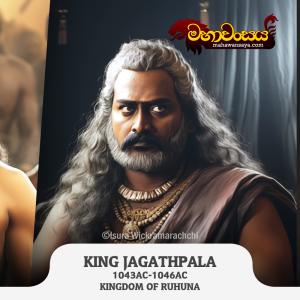
King Jagathpala
1043 AC-1046 AC
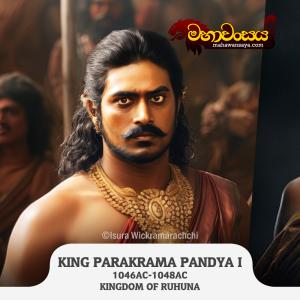
King Parakrama Pandu
1046 AC-1048 AC
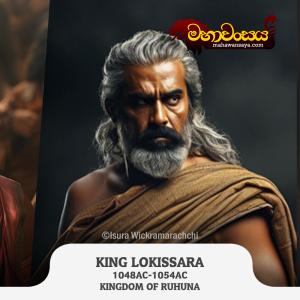
King Lokissara
1048 AC-1054 AC
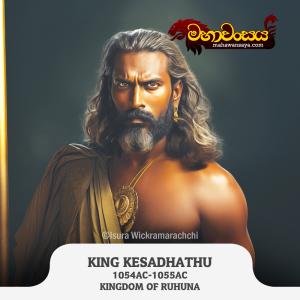
King Kesadhathu
1054 AC-1055 AC
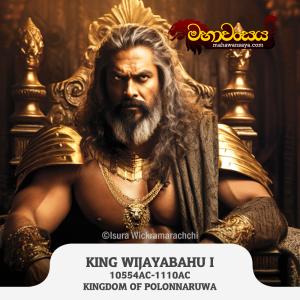
King Vijayabahu I
1055 AC-1110 AC
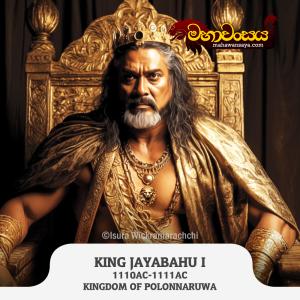
King Jayabahu I
1110 AC-1111 AC
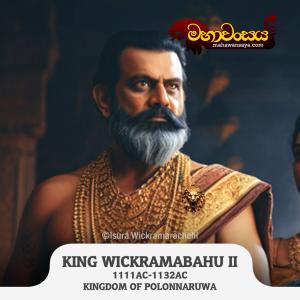
King Wickramabahu II
1111 AC-1132 AC
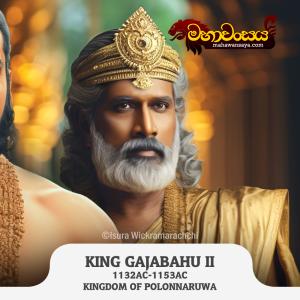
King Gajabahu II
1032 AC-1053 AC
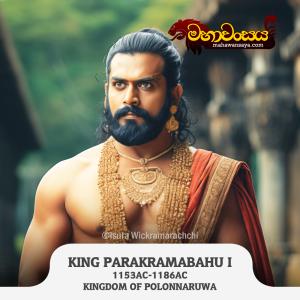
King Parakramabahu I
1053 AC-1086 AC
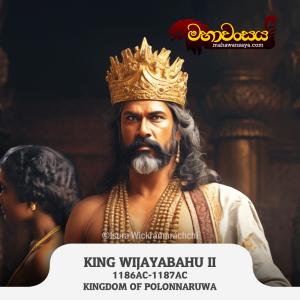
King Vijayabahu II
1186 AC-1187 AC
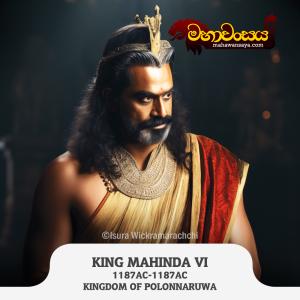
King Mahinda VI
1187 AC-1187 AC
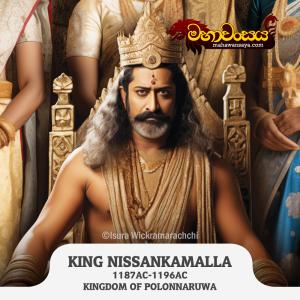
King Nissanka Malla
1187 AC-1196 AC
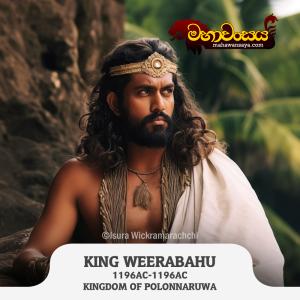
King Weerabahu I
1196 AC-1196 AC
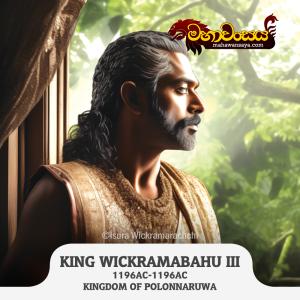
King Wickramabahu III
1196 AC-1196 AC
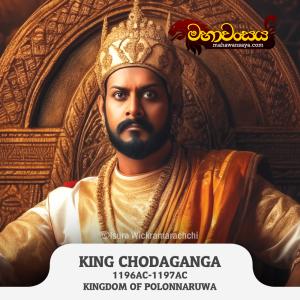
King Chodaganga
1196 AC-1197 AC
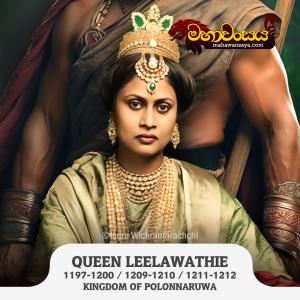
Queen Leelawathie
1197 AC-1200 AC
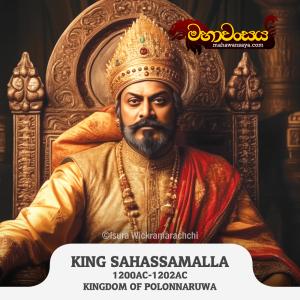
King Sahasamalla
1200 AC-1202 AC
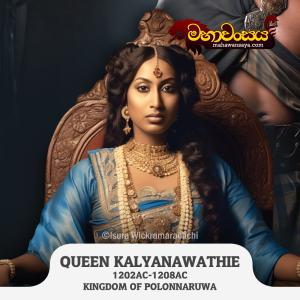
Queen Kalyanawathie
1202 AC-1208 AC
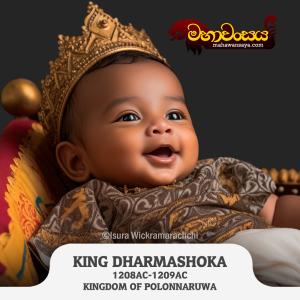
King Dharmasoka
1208 AC-1209 AC
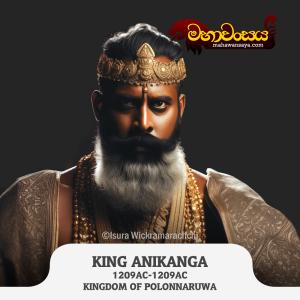
King Anikanga
1209 AC-1209 AC
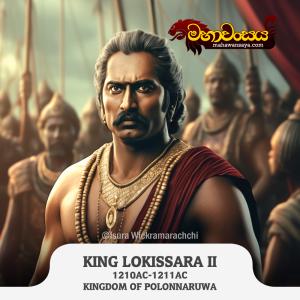
King Lokissara ii
1210 AC-1211 AC
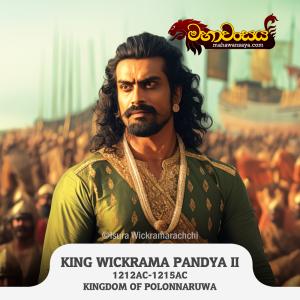
King Parakrama Pandu II
1212 AC-1215 AC
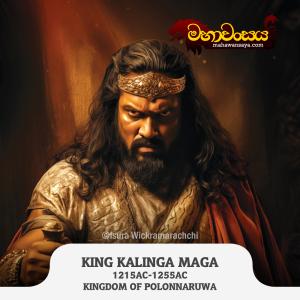
King Kalinga Magha
1215 AC-1255 AC
King Vijayabahu III
1232 AC-1236 AC
King Parakramabahu II
1236 AC-1272 AC
King Vijayabahu IV
1272 AC-1274 AC
King Buvanekabahu I
1274 AC-1286 AC
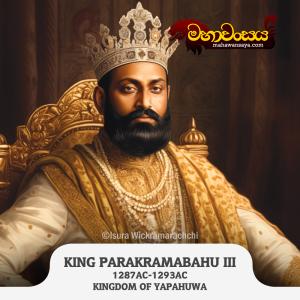
King Parakramabahu III
1287 AC-1293 AC
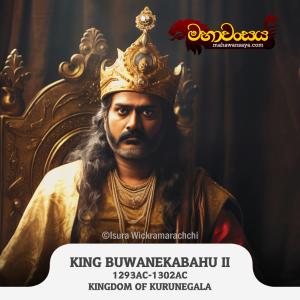
King Buvanekabahu II
1293 AC-1302 AC
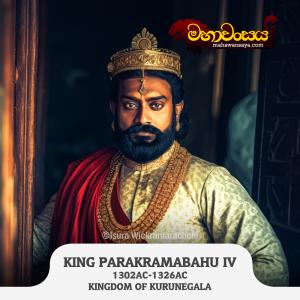
King Parakramabahu IV
1302 AC-1326 AC
-208.jpg)
King Buvanekabahu III (Vanni B
1326 AC-1335 AC
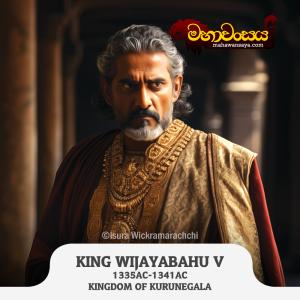
King Vijayabahu V
1335 AC-1341 AC
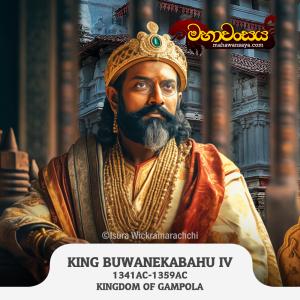
King Buvanekabahu IV
1341 AC-1359 AC
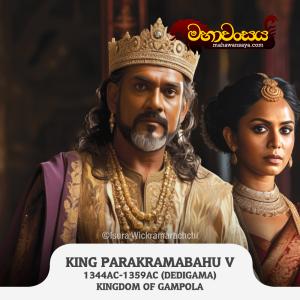
King Parakramabahu V
1344 AC-1359 AC
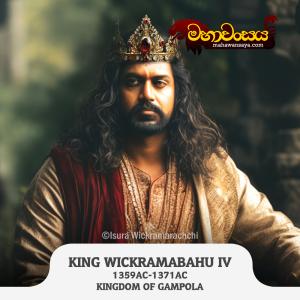
King Wickramabahu IV
1359 AC-1371 AC
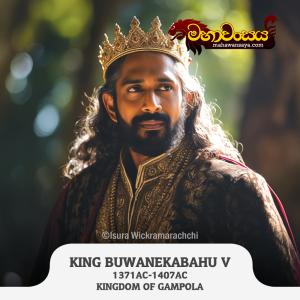
King Buvanekabahu V
1371 AC-1407 AC
-544.jpg)
King Kumara Alakeshwara (Alake
1391 AC-1391 AC
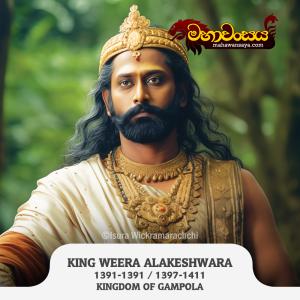
King Weera Alakesvara
1397 AC-1411 AC
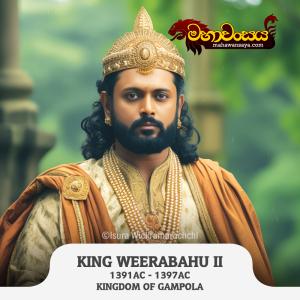
King Weerabahu II
1391 AC-1397 AC
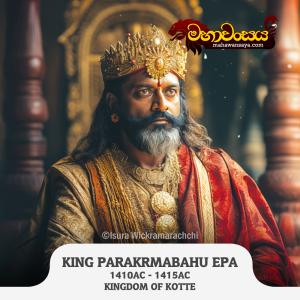
King Parakramabahu Epa
1410 AC-1415 AC
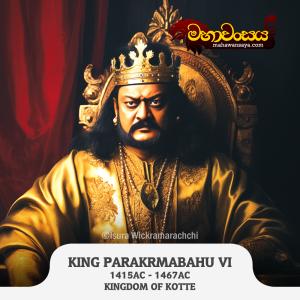
King Parakramabahu VI
1415 AC-1467 AC
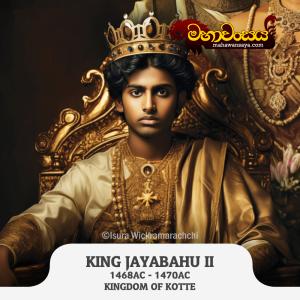
King Jayabahu II
1468 AC-1470 AC
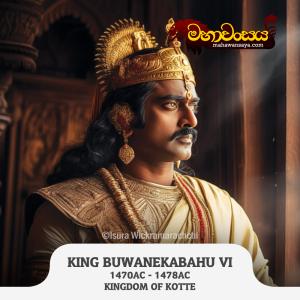
King Buvanekabahu VI
1470 AC-1478 AC
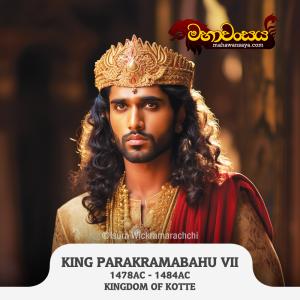
King Panditha Parakramabahu VI
1478 AC-1484 AC
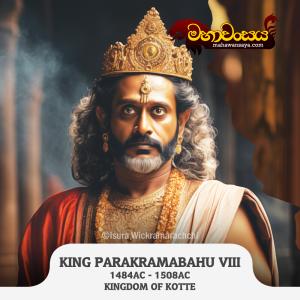
King Weera Parakramabahu VIII
1484 AC-1508 AC
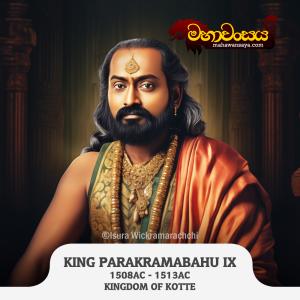
King Darma Parakramabahu IX
1508 AC-1513 AC
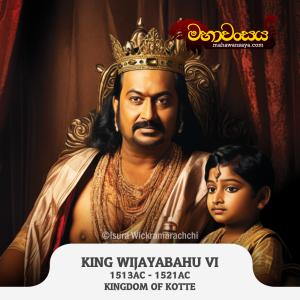
King Vijayabahu VI
1513 AC-1521 AC
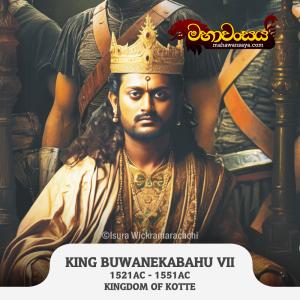
King Buvanekabahu VII
1521 AC-1551 AC
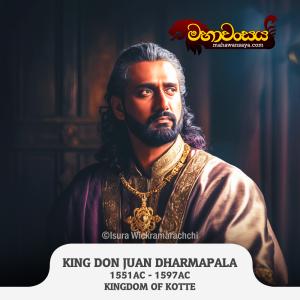
King Don Juwan Dharmapala
1551 AC-1597 AC
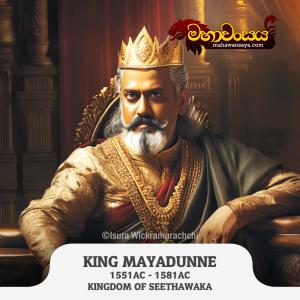
King Mayadunne
1551 AC-1581 AC
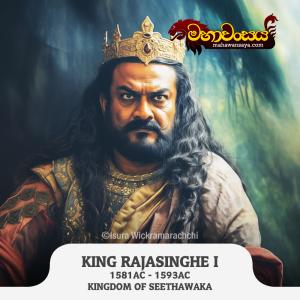
King Rajasinha I
1581 AC-1593 AC
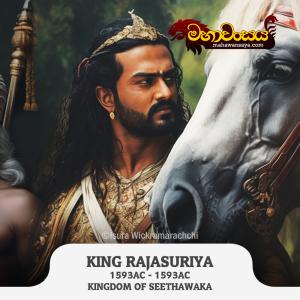
King Rajasooriya
1593 AC-1593 AC
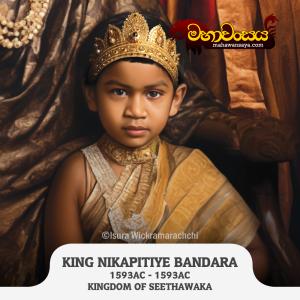
King Nikapitiye Bandara
1593 AC-1593 AC
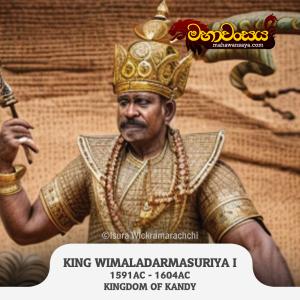
King Wimaladharmasuriya I
1591 AC-1604 AC
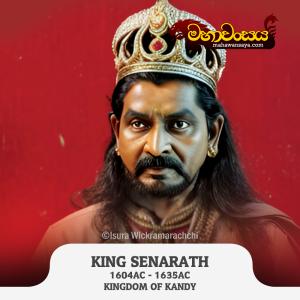
King Senarat
1604 AC-1635 AC
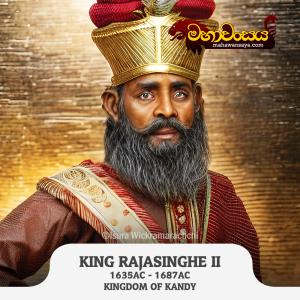
King Rajasinha II
1635 AC-1687 AC
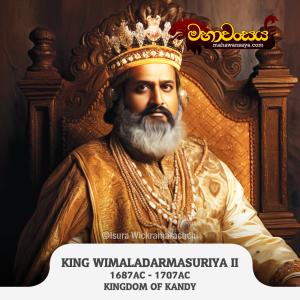
King Wimaladharmasuriya II
1687 AC-1707 AC
King Sri Weera Parakrama Naren
1707 AC-1739 AC
King Sri Wijaya Rajasingha
1739 AC-1747 AC
King Keerthi Sri Rajasingha
1747 AC-1782 AC
King Rajadhi Rajasinha
1782 AC-1798 AC
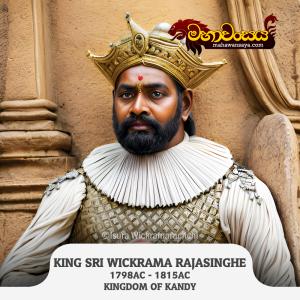
King Sri Wikrama Rajasinha
1798 AC-1815 AC

Pedro Lopes de Sousa
1594 AC-1594 AC
Joao da Silveira
1518 AC-1518 AC
Lopo de Brito
1518 AC-1522 AC
Fernao Gomes de Lemos
1522 AC-1524 AC
Joao Henriques
1551 AC-1552 AC
Diogo de Melo Coutinho
1552 AC-1552 AC
Duarte de Eca
1552 AC-1553 AC
Fernao Carvalho
1553 AC-1555 AC
Willem Jacobszoon Coster
1640 AC-1640 AC
Jan Thyszoon Payart
1640 AC-1646 AC
After the short reign of the fourth Sena King, the throne was ascended by Prince Mahinda. He is considered as the fourth in that line. In the Poojawaliya, this king is named “Kuda Mihindel.” The Mahavamsa attributes four epithets to this king. These can be interpreted as Mahapin (“greatly endowed”), Mahateda (“of great intelligence”), Mahayasas (“of great fame”), and Mahasena (“of great army”). It further describes that he united the country by removing enmities and that the provincial rulers were constantly submissive to him.
The fourth Mihindu King, although there were Kshatriya lineage princesses in the country, was consecrated by bringing a princess from the Kalinga Chakravarthi lineage to the capital. She bore him two sons and one daughter. The king granted the sons the positions of Adipada (principal officials) and the daughter the status of queen.
The Mahavamsa also mentions that King Mahinda had another consort named Kitti. It describes that she attained fame equal to that of the king. It is worth inquiring why such a distinguished consort would have been married to a Kalinga princess. The text states, “Although there were Kshatriya princesses in this country, a Kalinga princess was brought.” The phrasing suggests that the author may have been reluctant to record this act. However, there is a tradition in the Mahavamsa indicating that this Sinhala lineage was established. It cannot be conclusively assumed that it was politically motivated. One could speculate that some political advantage was expected from this marriage. Professor Senarath Paranavitana comments, “According to the theory of mandalas, King Mahinda must have understood the importance of making friends with the enemies of India’s enemies.” It can be inferred that, after this marriage, the Kalinga princesses and their lineage gradually came to this island. This seems similar to the conflict resolved by bringing princesses from the Nayakkar line of the Kandy Udarata kings. Since there is no evidence identifying whose daughter the Kalinga princess was, it is not possible to consider this marriage as a political strategy, as some might think.
No records regarding the descendants of the fourth Mihindu King appear in the Mahavamsa. According to the chronicle, his claim to the royal inheritance was merely that he had been the crown prince of the previous king. However, using inscriptions, certain ideas can be formulated. The large inscription at Mihinthale has been determined to belong to the period of the fourth Mihindu King. This inscription records that Sirisangabo Aba Maharaja, the son of King Abha Salamavan and Queen Degon, was established in the sixteenth year of his reign. Accordingly, it appears that the father of King Mihindu was a king named Aba Salamavan. This seems to be the king’s consecration name. His son, identified as Sirisangabo Aba, also carried this consecration name. Since many kings of this period are recorded with these two names, there are no firm grounds to determine them individually. However, by considering the name of the king’s mother and the regnal year, some hypotheses can be explored.
After the tenth year of the fourth Kashyapa King, no one ascended to the throne until the fourth Mihindu King. Therefore, the inscription should not be assumed to refer to the fourth Mihindu King. This is further confirmed by an inscription at Vessagiriya. Although it does not mention the king’s parents, it records the king as Sirisangabo Aba Mihindu. Since details of Sena Senaviya’s deeds are also included, this identification is correct. However, it does not provide certainty regarding his parents. To clarify that, one must investigate which king had a consort named Devigon (Deva).
It appears that three kings who bore the consecration name Aba Salamavan reigned around this approximate period. They are the fifth Kassapa, the fourth Dappula, and the third of these kings. Some consider that the father of the fourth Mihindu King was one of these three. Further discussion suggests that the fourth Sena King could have been his father. The only way to confirm this is by clarifying which king had a consort named Deva. The Mahavamsa indicates that the fifth Kashyapa King had a consort named Deva. She was the mother of Sakkasenapati, who died during the Indian invasion. No other son of Deva consort is mentioned due to King Kassapa. However, since no other king of this period is recorded with a consort named Deva, it is reasonable to consider that the fifth Kashyapa King was the father of the fourth Mihindu King. Accordingly, it appears that Prince Mihindu ascended to the throne after the reigns of four previous kings, which can also clarify that this happened thirty-two years after the death of his father. Therefore, the prince would have been of mature age when he became king.
Before Mahinda King could spend a long period on the throne, he faced a foreign invasion. The Mahavamsa states, “King Vallabha sent an army to Nagadeepa to subdue this land. The king, seeing this, sent Sena Senaviya with military force. Sena Senaviya went there, waged war, destroyed the enemy camp, and took possession. The kings of Vallabha could not defeat this king and established friendly relations with Lankaeshvara. Thus, the king’s fame spread across the sea to Dambadiva.”
According to the above account, it appears that King Vallabha sent an army to Nagadeepa and made an agreement with the Sinhala king after being defeated. The Vallabha army landed at Nagadeepa (the Jaffna region) at Urathotini. The Poojawaliya and Rajawaliya clearly state this. This is the old port known today as Kayts. It is important to identify which Vallabha king invaded this island.
Some consider this invader to be the second Parantaka Chola King, while others believe it was the third Krishna Chola, who, after defeating the Cholas, invaded many regions in southern India. According to inscriptions, kings of Chola, Pandya, and Lanka paid tribute to him. He established a base at Rameshwaram. Considering this, it is conceivable that Krishna Chola’s army could have entered Lanka. The Sinhala king would have immediately dispersed them.
As stated, the Poojawaliya and Rajawaliya indicate that the invading force that came to Nagadeepa was Tamil. Nothing is said about King Vallabha. Therefore, the reports in the Mahavamsa and these two texts can be considered separate incidents. As Professor Senarath Paranavitana notes, the second Parantaka King also invaded this island during this period. The inscriptions show that the second Sundara Chola, Virudhayaarakond, subjugated the Pandya kingdom again. The main battle took place at a location called Chevur Malaya, south of the Sevalikota region, which belonged to the Pudukkottai kingdom. As a result of this battle, the Pandya king fled, and the Cholas gained power. Kodumbalur, led by the Chola commander Sirivellar, invaded this island and landed at Urathotot. Nevertheless, during the reign of the fourth Mihindu King, this foreign invasion occurred and was repelled, as confirmed by inscriptions.
The Vessagiriya inscription initially mentioned, “Sirisangabo Aba Mihinda Maharaja Sena Senaviya Vikmen, throughout the land, conducted military arrangements.” It clearly establishes that King Mihindu sent Sena Senapati to Nagadeepa to repel the invading forces. The claim in the inscription that the entire Dambadiva was subject to him is exaggerated. On the other hand, since the inscription was set up during the king’s regnal year, the invasion must have occurred earlier.
Although King Mihindu faced such invasions, he was also engaged in extensive administrative and religious duties. The Mahavamsa records that he performed many pious deeds, including thirty stanzas of poetry. Among these were important events, such as having Dhamma-mitta monks of Siththagama conduct an Abhidharma exposition, and having Dathnaga monks preach Abhidharma. Offering alms, donations, providing hospitals, and constructing monasteries were among his many activities. The text also mentions the construction of a beautiful building on the site of the Padalanchana, which had been burned by the Chola army. It is not clear whether the Chola forces that burned it arrived during Mihindu’s reign or earlier. In any case, it appears that the Vallabha forces that arrived at Nagadeepa did not reach Anuradhapura. This can be considered destruction carried out by the Cholas during the reign of the fourth Udaya King. King Mihindu’s consort named Kitti also performed notable ceremonies.
The chronicles do not mention the king’s contribution to the country’s development. However, considering his administrative activities, it appears that the economic condition of the country was good.
Several inscriptions from this king’s period have been found. The Mihinthale wall inscription is the most prominent. Among inscriptions written during the Anuradhapura period, this seems to be the largest. The points recorded are very important for those inquiring about monastery administration. The inscription details a method of paying salaries to the Dharmacharya monks residing in the monastery.
For monks studying the Vinaya Pitaka, five portions were allocated; for monks studying the Sutta Pitaka, four portions; and for monks studying the Abhidharma Pitaka, twelve portions. During this period, more attention seems to have been given to Abhidharma than to Vinaya, which is particularly notable.
As previously mentioned, King Mihindu had Dhamma-mitta monks conduct an Abhidharma exposition. This indicates that the emphasis was more on scripture than on disciplinary matters, affecting both the monks and the administrative side. It may have been influenced by Mahayana traditions. The use and management of monastery property, as well as the roles of monks and monastery staff, were regulated according to this inscription. Evidence of environmental concern is also seen, as even the cutting of trees within the monastery grounds was prohibited. This inscription was set up in the final regnal year of the king.
The Wewalketiya Tam inscription, which is considered to possibly belong to the fourth Mihindu King, is very useful for understanding royal law. Therefore, it is more important than other inscriptions.
In this inscription, the king’s name is recorded as “Sirisangbo Abha Maharappu Putra Sirisangbo Abha Maharappu.” It records both the king and his father’s name as their consecration names. Although the inscription is located in a small village called Wewalketiya in the Anuradhapura region, historically this area held significant administrative importance. Possibly, even a trading town existed there, so unlawful acts may have been common. Thus, a small legal framework could have been established for public knowledge.
The text describes methods of punishment for crimes such as killing, maiming, theft (including kidnapping and robbery), theft of livestock and poultry, and selling stolen animals. People who committed offenses were liable to the death penalty. Assisting in committing wrongful acts was also considered punishable. Stolen animals’ brands had to be removed. Those who removed brands had to be punished with iron chains. The offenses, judgments, and punishments were to be recorded for future reference. This indicates that a high-level judicial system existed in the past.
The Vessagiriya inscription was set up to record donations to the Isurumuni Vihara and their management. It notes that King Mihindu took measures to suppress local disturbances. The Rambawa, Polonnaruwa Rajamaligawa, and Abhayagiri Vihara inscriptions also belong to King Mihindu’s reign. These confirm monastery administration, management of monastic property, and duties of the staff. This king ruled the country for ten years.