137
King Vijayabahu I
Kingdom of Polonnaruwa
1055 AC - 1110 AC
1055 AC - 1110 AC

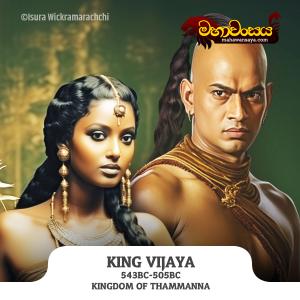
King Vijaya
543 BC-505 BC
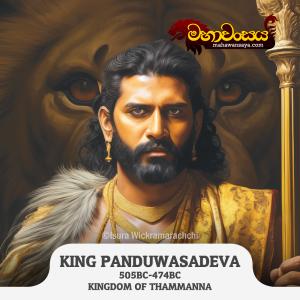
King Panduvasdeva
504 BC-474 BC
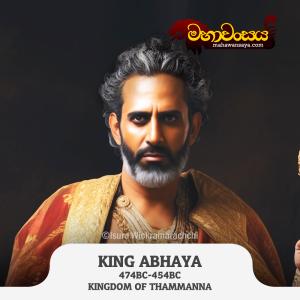
King Abhaya
474 BC-454 BC
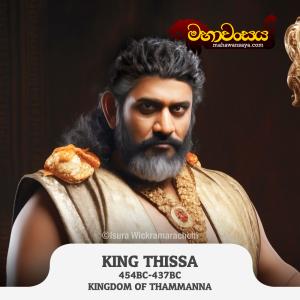
King Tissa
454 BC-437 BC
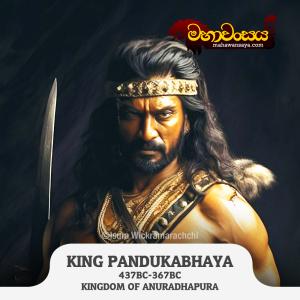
King Pandukabhaya
437 BC-367 BC
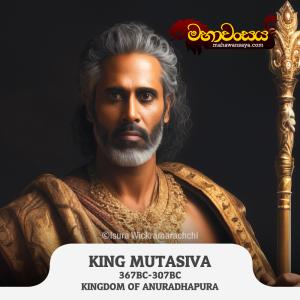
King Mutasiva
367 BC-307 BC
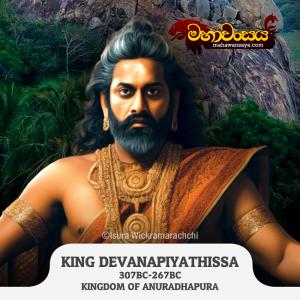
King Devanampiya Tissa
307 BC-267 BC
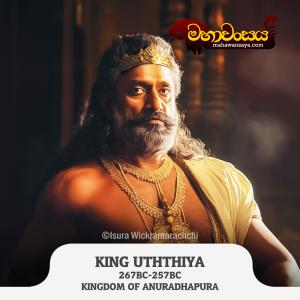
King Uttiya
267 BC-257 BC
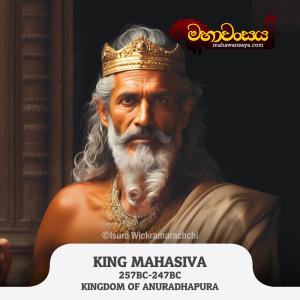
King Mahasiva
257 BC-247 BC
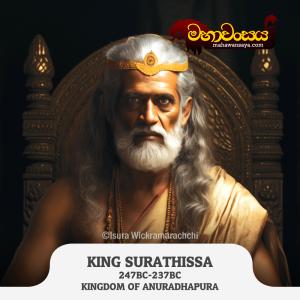
King Suratissa
247 BC-237 BC
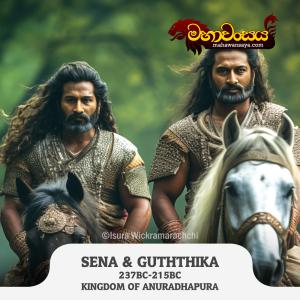
Sena and Guttika
237 BC-215 BC
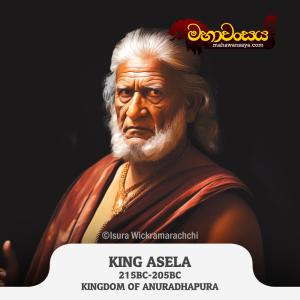
King Asela
215 BC-205 BC
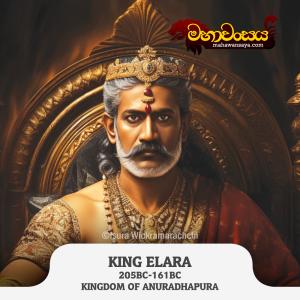
King Elara
205 BC-161 BC
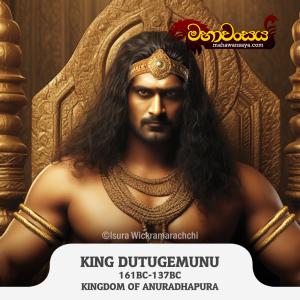
King Dutugemunu
161 BC-137 BC
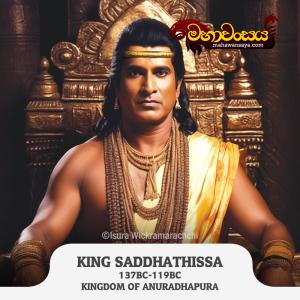
King Saddha Tissa
137 BC-119 BC
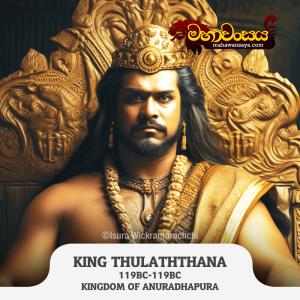
King Thulatthana
119 BC-119 BC
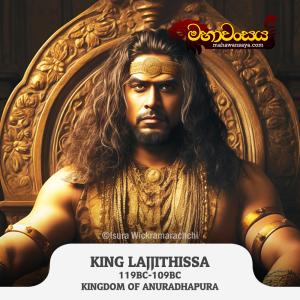
King Lajjithissa
119 BC-109 BC
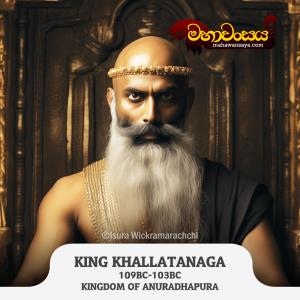
King Khallata Naga
109 BC-103 BC
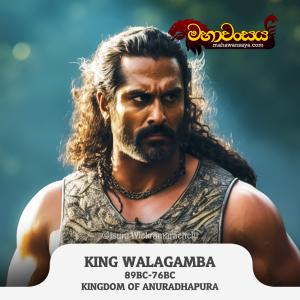
King Walagamba
89 BC-76 BC
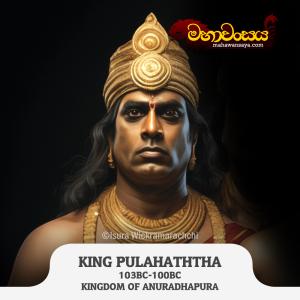
King Pulahaththa
103 BC-100 BC
King Bhahiya
100 BC-98 BC
King Panayamara
98 BC-91 BC
King Piliyamara
91 BC-91 BC
King Dathiya
91 BC-89 BC
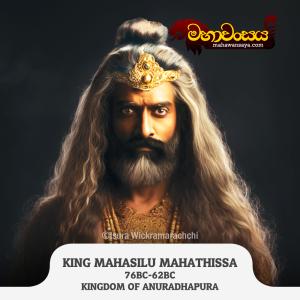
King Mahachulikamahathissa
76 BC-62 BC
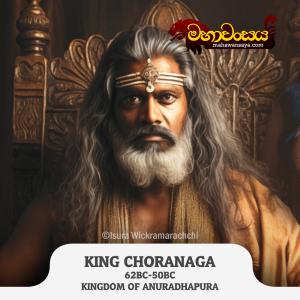
King Choranaga
62 BC-50 BC
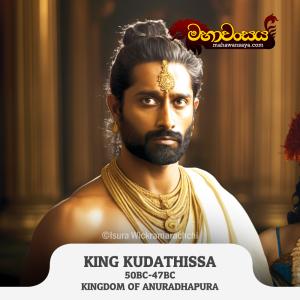
King Kuda Thissa
50 BC-47 BC
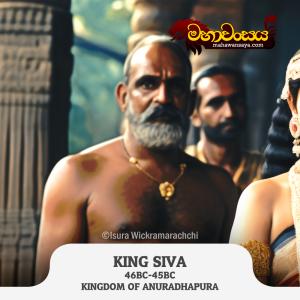
King Siva I
47 BC-45 BC
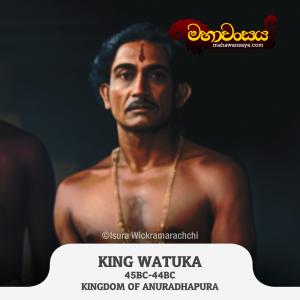
King Vatuka
45 BC-44 BC
King Darubhatika Tissa
44 BC-43 BC
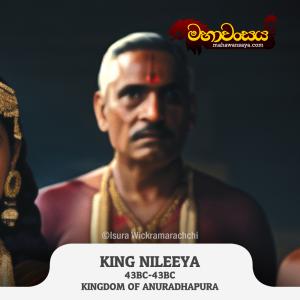
King Neeliya
43 BC-43 BC
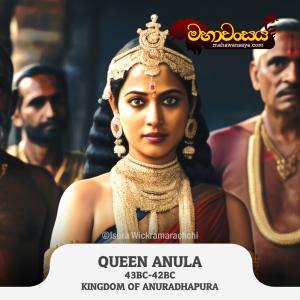
Queen Anula
43 BC-42 BC
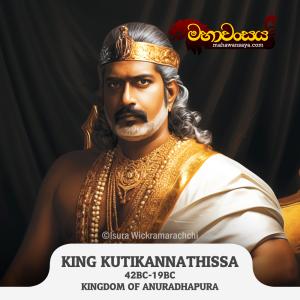
King Kutikanna Tissa
42 BC-19 BC
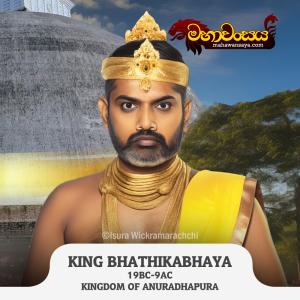
King Bhathikabhaya
19 BC-9 AC
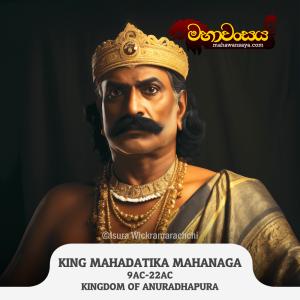
King Mahadatika Mahanaga
9 AC-22 AC
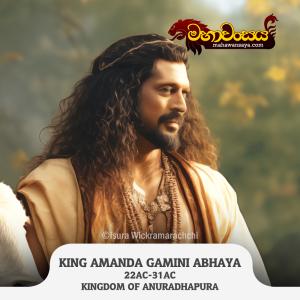
King Amandagamani Abhaya
22 AC-31 AC
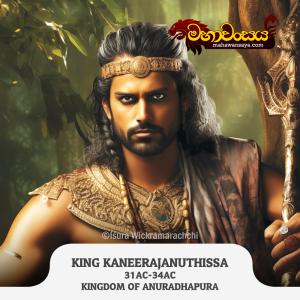
King Kanirajanu Tissa
31 AC-34 AC
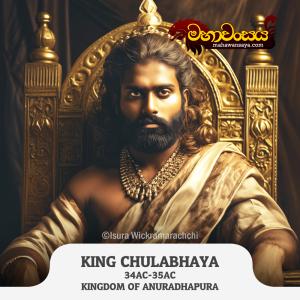
King Chulabhaya
34 AC-35 AC
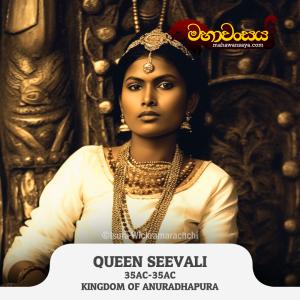
Queen Seevali
35 AC-35 AC
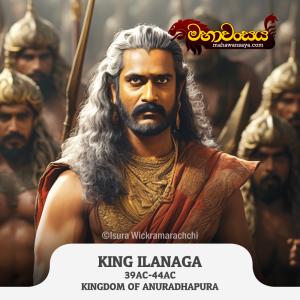
King Ilanaga
39 AC-44 AC
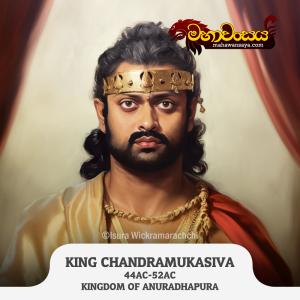
King Chandra Mukha Siva
44 AC-52 AC
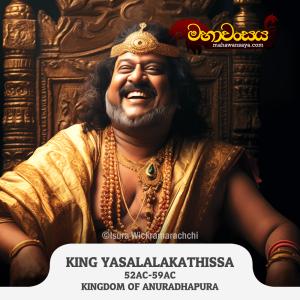
King Yassalalaka Thissa
52 AC-59 AC
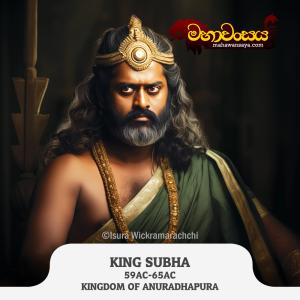
King Subha
59 AC-65 AC
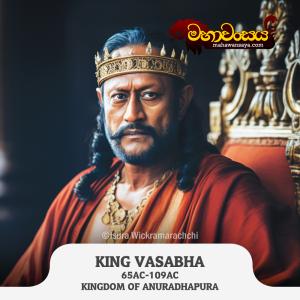
King Vasabha
65 AC-109 AC
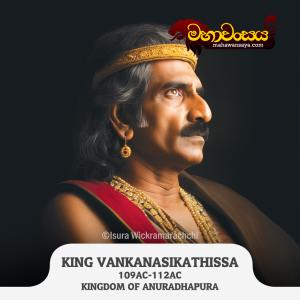
King Vankanasika Tissa
109 AC-112 AC
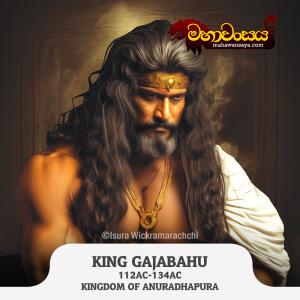
King Gajabahu I
112 AC-134 AC
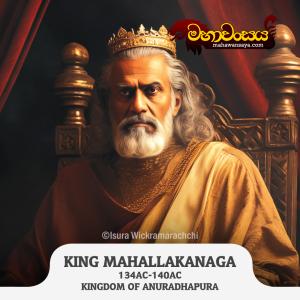
King Mahallaka Naga
134 AC-140 AC
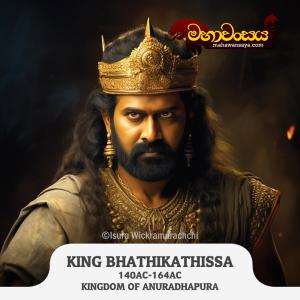
King Bhathika Thissa
140 AC-164 AC
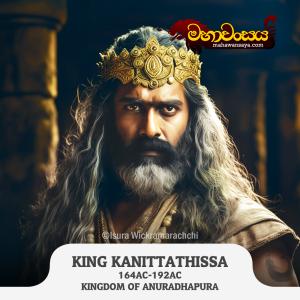
King Kanitta Tissa
164 AC-192 AC
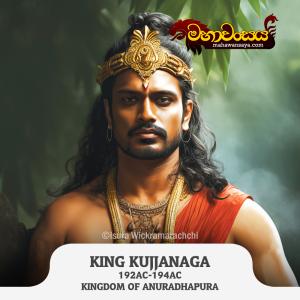
King Kujjanaga
192 AC-194 AC
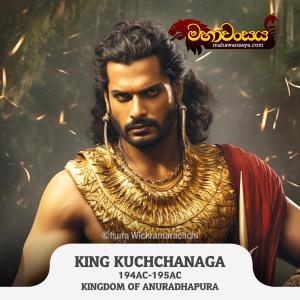
King Kudda Naga
194 AC-195 AC
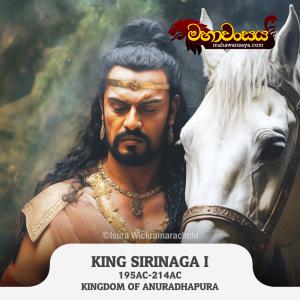
King Sirinaga I
195 AC-214 AC
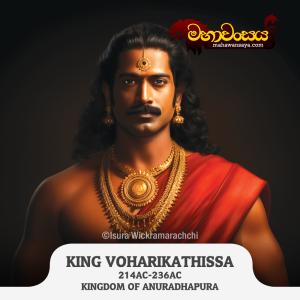
King Voharika Tissa
214 AC-236 AC
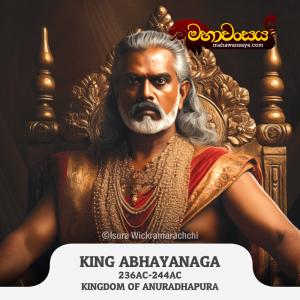
King Abhaya Naga
236 AC-244 AC
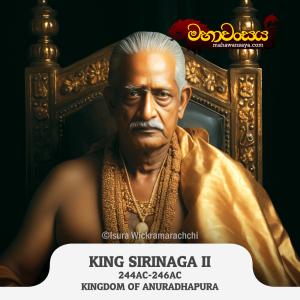
King Sirinaga II
244 AC-246 AC
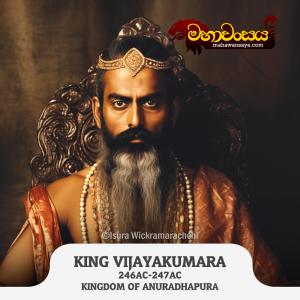
King Vijaya Kumara
246 AC-247 AC
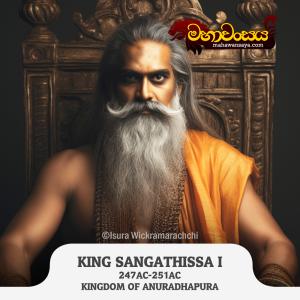
King Sangha Tissa I
247 AC-251 AC
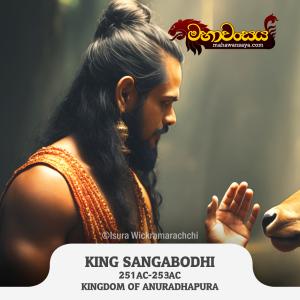
King Siri Sangha Bodhi I
251 AC-253 AC
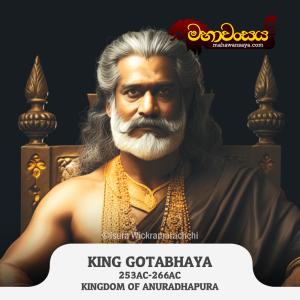
King Gotabhaya
253 AC-266 AC
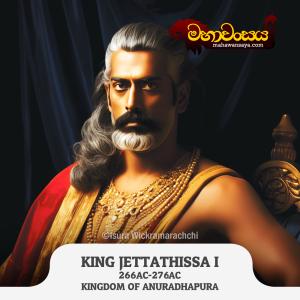
King Jetta Tissa I
266 AC-276 AC
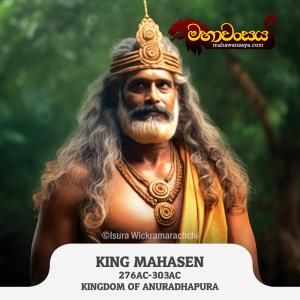
King Mahasen
276 AC-303 AC
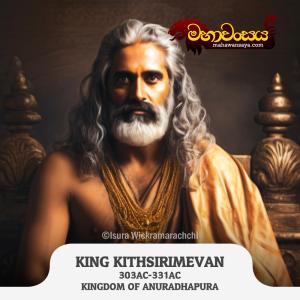
King Kithsirimewan
303 AC-331 AC
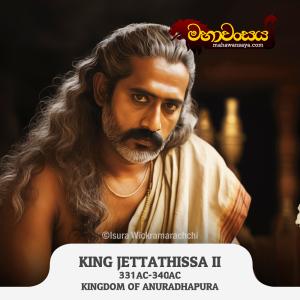
King Jetta Tissa II
331 AC-340 AC
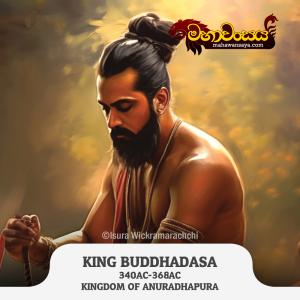
King Buddhadasa
340 AC-368 AC
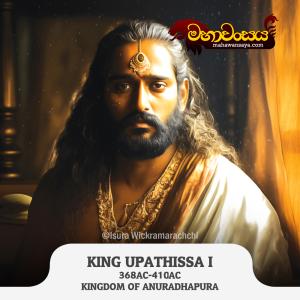
King Upatissa I
368 AC-410 AC
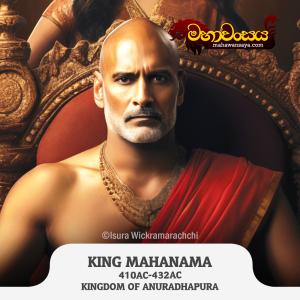
King Mahanama
410 AC-432 AC
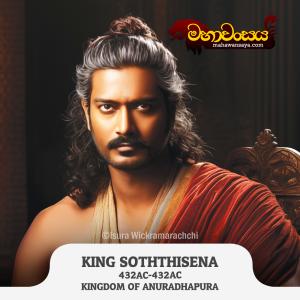
King Soththisena
432 AC-432 AC
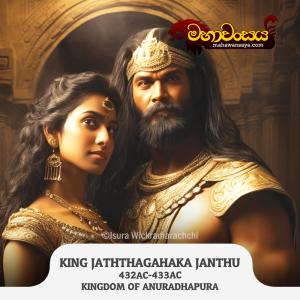
King Jaththagahaka Janthu
432 AC-433 AC
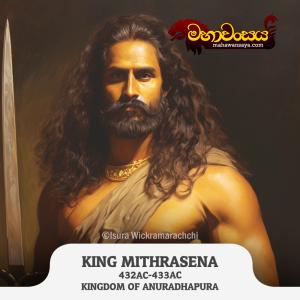
King Miththasena
432 AC-433 AC
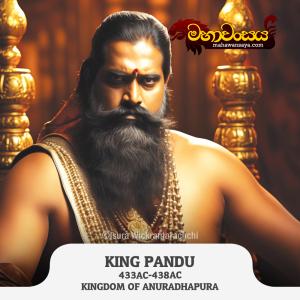
King Pandu
433 AC-438 AC
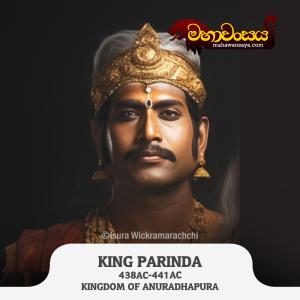
King Parinda
438 AC-441 AC
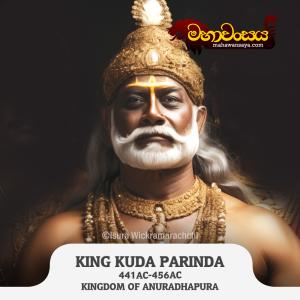
King Kuda Parinda
441 AC-456 AC
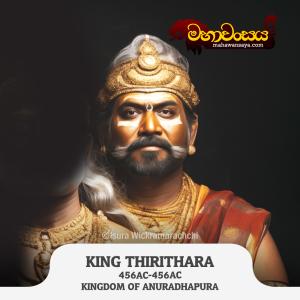
King Thirithara
456 AC-456 AC
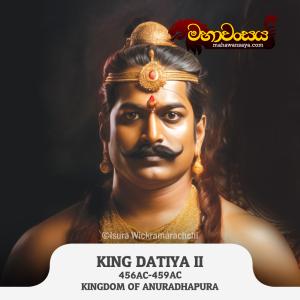
King Datiya II
456 AC-459 AC
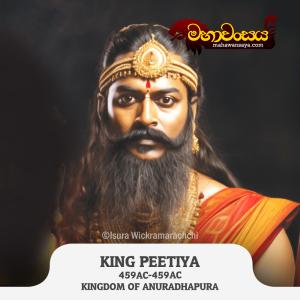
King Peetiya
459 AC-459 AC
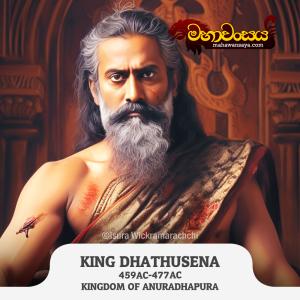
King Dhathusena
459 AC-477 AC
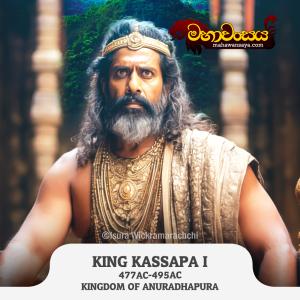
King Kassapa I
477 AC-495 AC
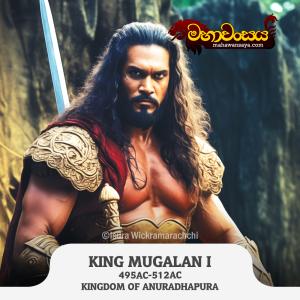
King Mugalan I
495 AC-512 AC
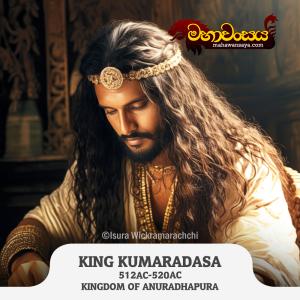
King Kumaradasa
512 AC-520 AC
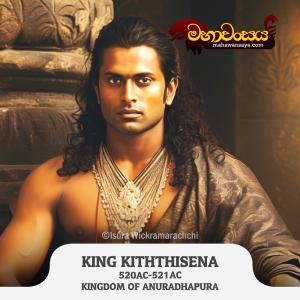
King Kiththisena
520 AC-521 AC
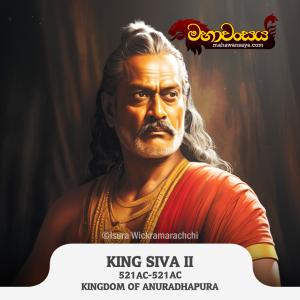
King Siva II
521 AC-521 AC
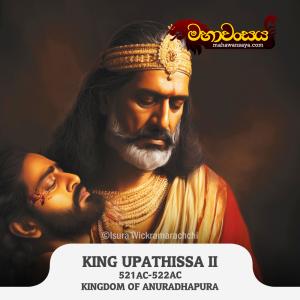
King Upatissa II
521 AC-522 AC
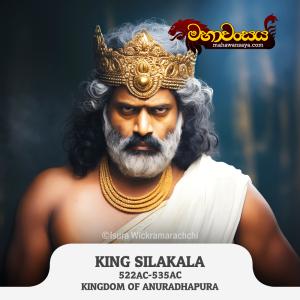
King Silakala
522 AC-535 AC
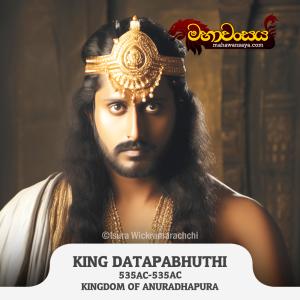
King Datappabhuthi
535 AC-535 AC
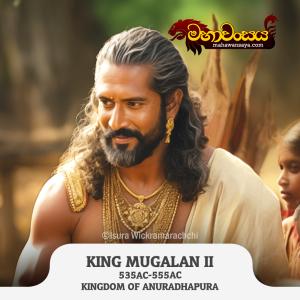
King Mugalan II
535 AC-555 AC
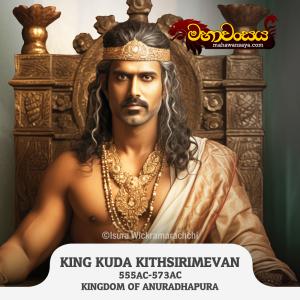
King Kiththisirimegha
555 AC-573 AC
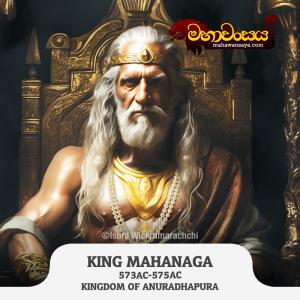
King Mahanaga
573 AC-575 AC
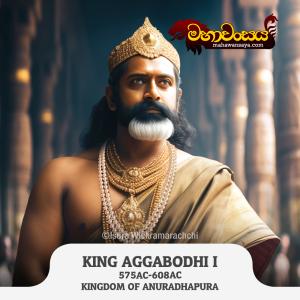
King Aggabodhi I
575 AC-608 AC
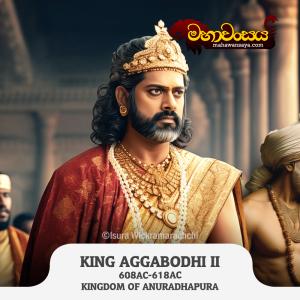
King Aggabodhi II
608 AC-618 AC
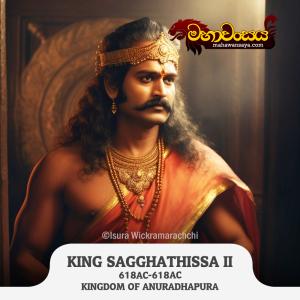
King Sangha Tissa II
618 AC-618 AC
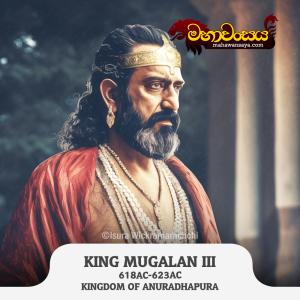
King Mugalan III
618 AC-623 AC
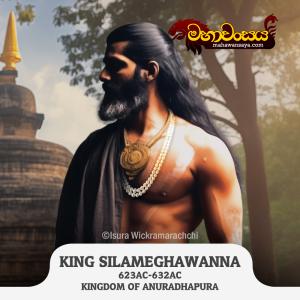
King Silameghavanna
623 AC-632 AC
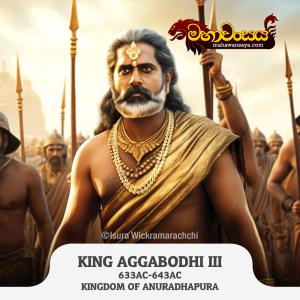
King Aggabodhi III
633 AC-643 AC
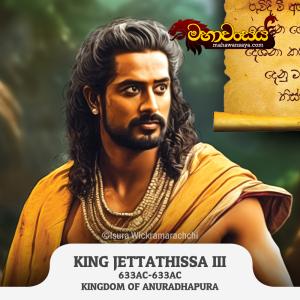
King Jetta Tissa III
633 AC-633 AC
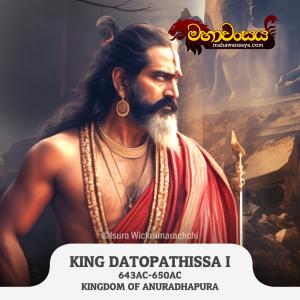
King Datopathissa i
643 AC-650 AC
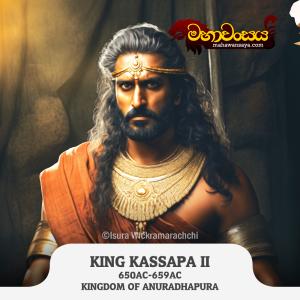
King Kassapa II
650 AC-659 AC
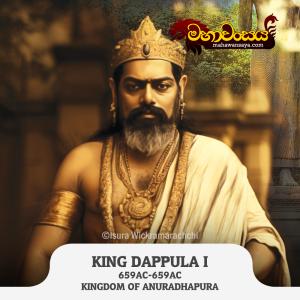
King Dappula I
659 AC-659 AC
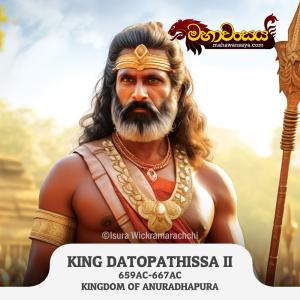
King Datopathissa II
659 AC-667 AC
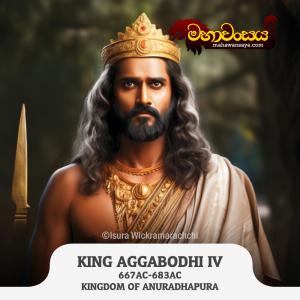
King Aggabodhi IV
667 AC-683 AC
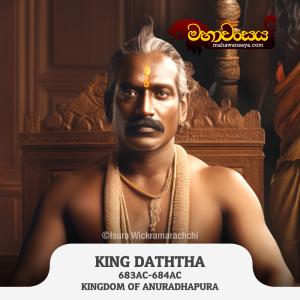
King Daththa
683 AC-684 AC
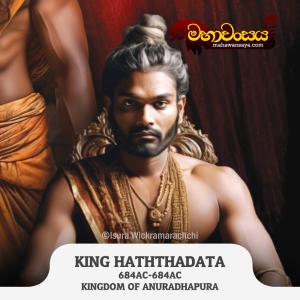
King Haththadata
684 AC-684 AC
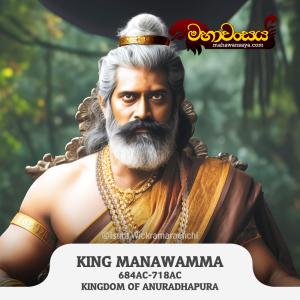
King Manavamma
684 AC-718 AC
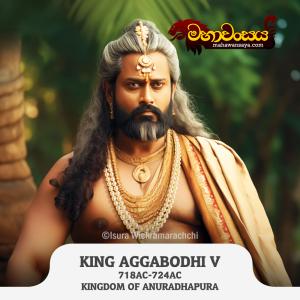
King Aggabodhi V
718 AC-724 AC
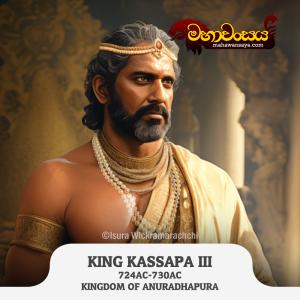
King Kassapa III
724 AC-730 AC
King Mahinda I
730 AC-733 AC
King Aggabodhi VI
733 AC-772 AC
King Aggabodhi VII
772 AC-777 AC
King Mahinda II
777 AC-797 AC
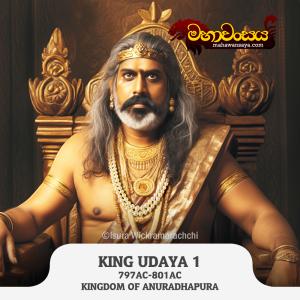
King Udaya I
797 AC-801 AC
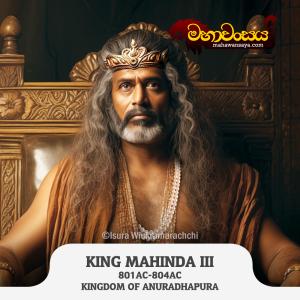
King Mahinda III
801 AC-804 AC
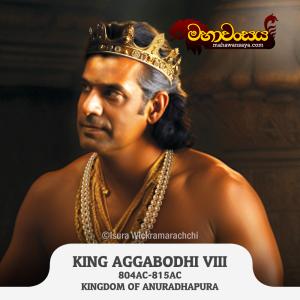
King Aggabodhi VIII
804 AC-815 AC
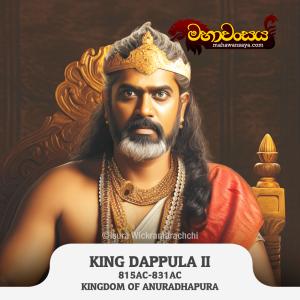
King Dappula II
815 AC-831 AC
King Aggabodhi IX
831 AC-833 AC
King Sena I
833 AC-853 AC
King Sena II
853 AC-887 AC
King Udaya II
887 AC-898 AC
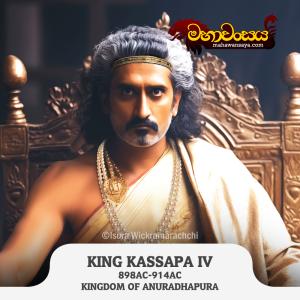
King Kassapa IV
898 AC-914 AC
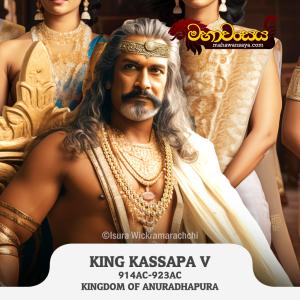
King Kassapa V
914 AC-923 AC
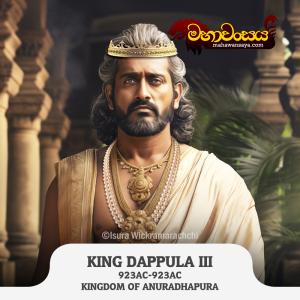
King Dappula III
923 AC-923 AC
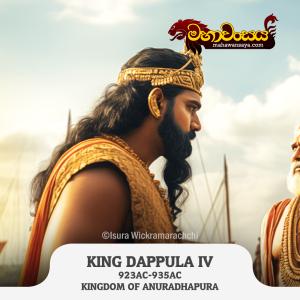
King Dappula IV
923 AC-935 AC
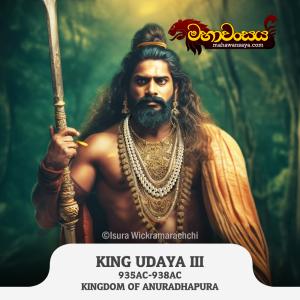
King Udaya III
935 AC-938 AC
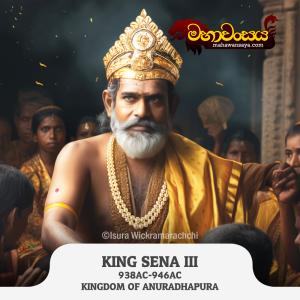
King Sena III
938 AC-946 AC
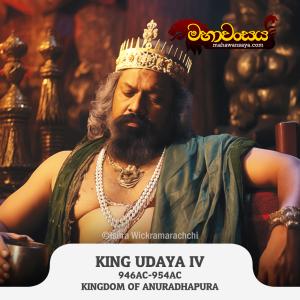
King Udaya IV
946 AC-954 AC
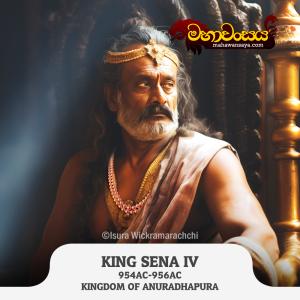
King Sena IV
954 AC-956 AC
King Mahinda IV
956 AC-972 AC
King Sena V
972 AC-982 AC
King Mahinda V
982 AC-1017 AC
Rajendra Chola I
1017 AC-1044 AC
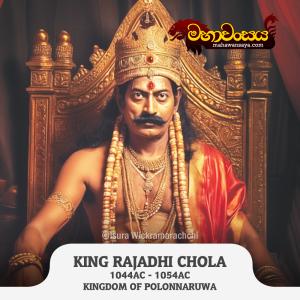
Rajadhiraja Chola
1044 AC-1054 AC
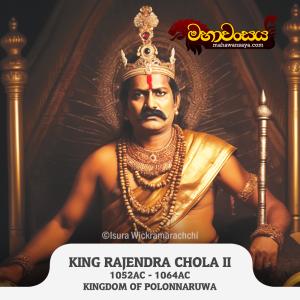
Rajendra Chola II
1052 AC-1064 AC
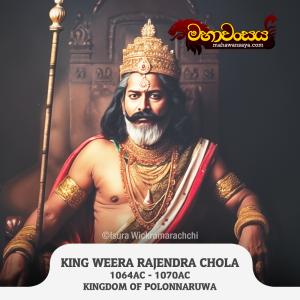
Virarajendra Chola
1064 AC-1070 AC
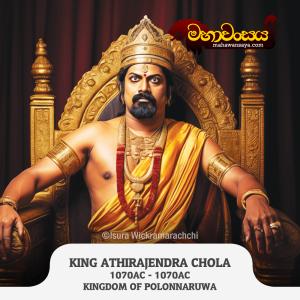
Athirajendra Chola
1070 AC-1070 AC
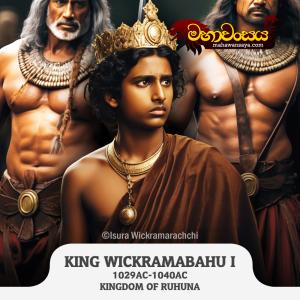
King Wickramabahu I
1029 AC-1040 AC
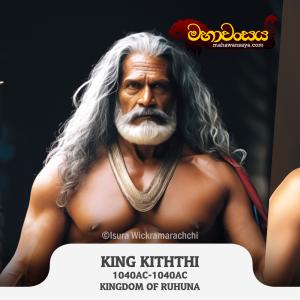
King General Keerthi
1040 AC-1040 AC
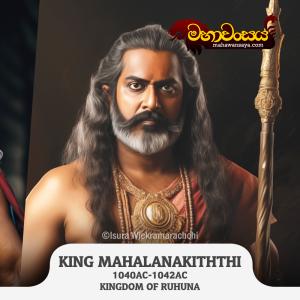
King Mahalana Kiththi
1040 AC-1042 AC
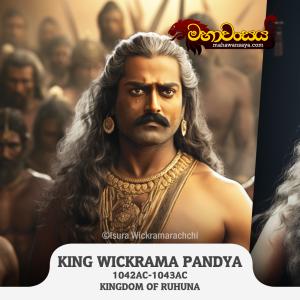
King Wickrama Pandu
1042 AC-1043 AC
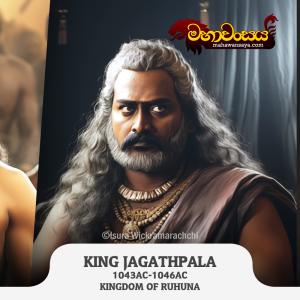
King Jagathpala
1043 AC-1046 AC
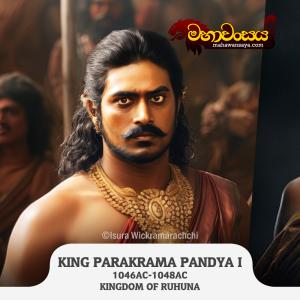
King Parakrama Pandu
1046 AC-1048 AC
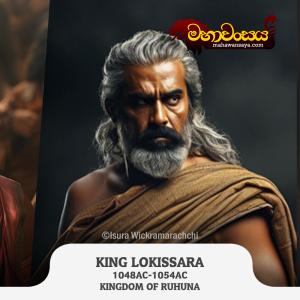
King Lokissara
1048 AC-1054 AC
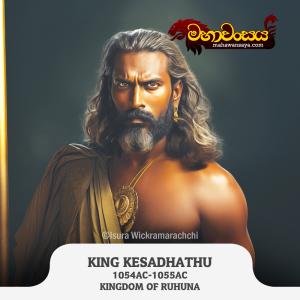
King Kesadhathu
1054 AC-1055 AC
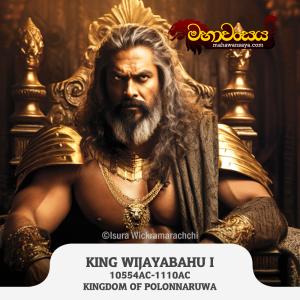
King Vijayabahu I
1055 AC-1110 AC
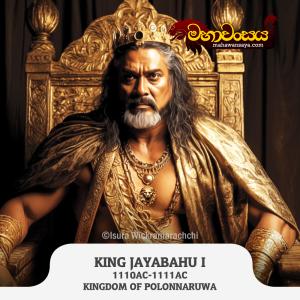
King Jayabahu I
1110 AC-1111 AC
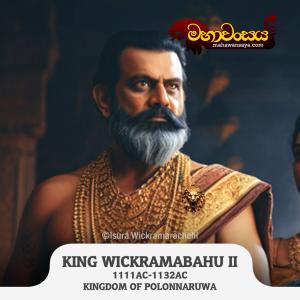
King Wickramabahu II
1111 AC-1132 AC
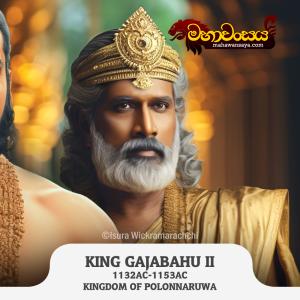
King Gajabahu II
1032 AC-1053 AC
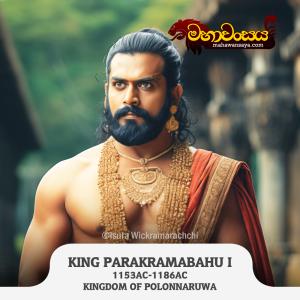
King Parakramabahu I
1053 AC-1086 AC
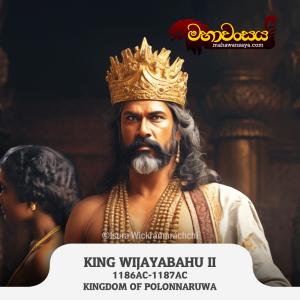
King Vijayabahu II
1186 AC-1187 AC
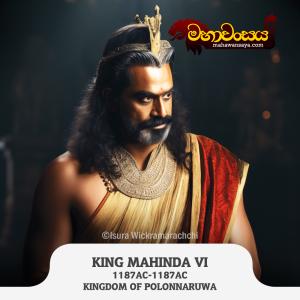
King Mahinda VI
1187 AC-1187 AC
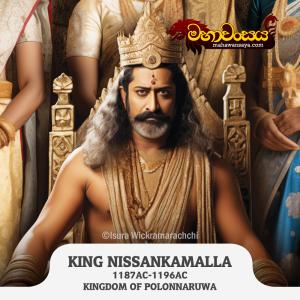
King Nissanka Malla
1187 AC-1196 AC
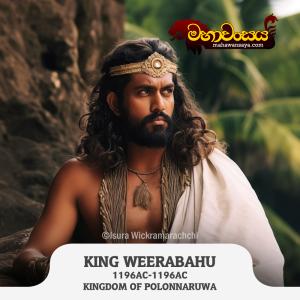
King Weerabahu I
1196 AC-1196 AC
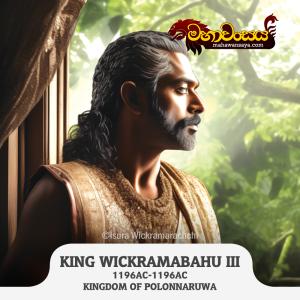
King Wickramabahu III
1196 AC-1196 AC
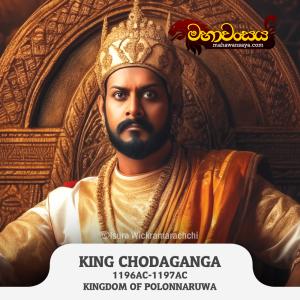
King Chodaganga
1196 AC-1197 AC
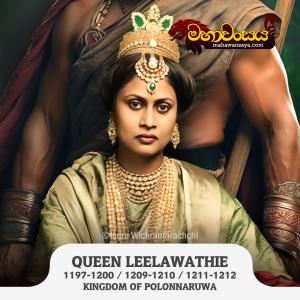
Queen Leelawathie
1197 AC-1200 AC
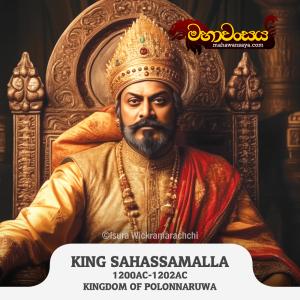
King Sahasamalla
1200 AC-1202 AC
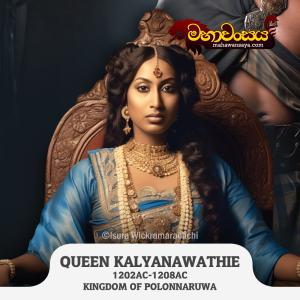
Queen Kalyanawathie
1202 AC-1208 AC
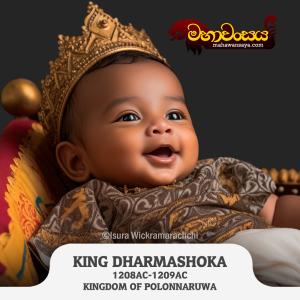
King Dharmasoka
1208 AC-1209 AC
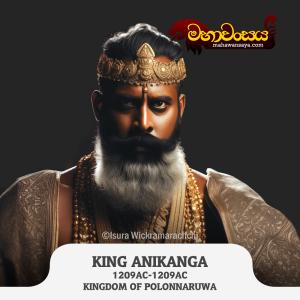
King Anikanga
1209 AC-1209 AC
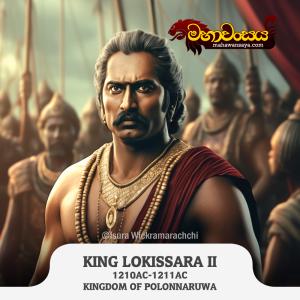
King Lokissara ii
1210 AC-1211 AC
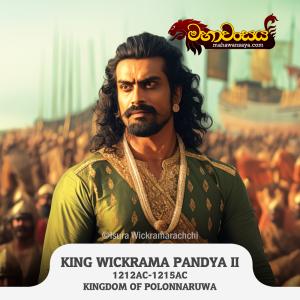
King Parakrama Pandu II
1212 AC-1215 AC
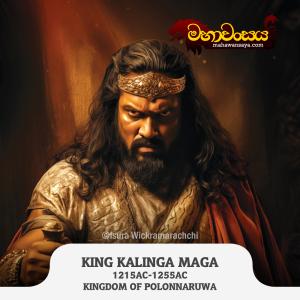
King Kalinga Magha
1215 AC-1255 AC
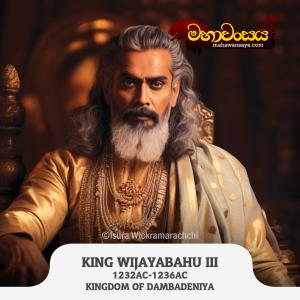
King Vijayabahu III
1232 AC-1236 AC
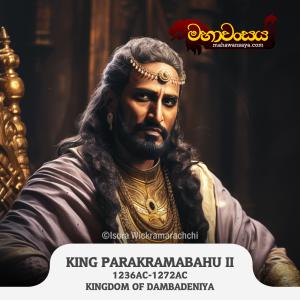
King Parakramabahu II
1236 AC-1272 AC
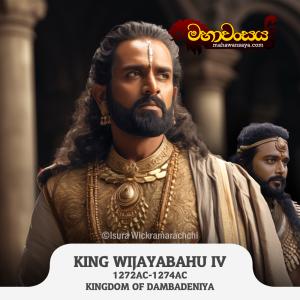
King Vijayabahu IV
1272 AC-1274 AC
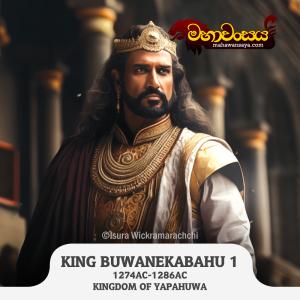
King Buvanekabahu I
1274 AC-1286 AC
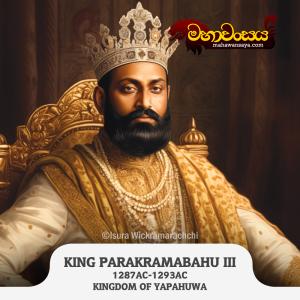
King Parakramabahu III
1287 AC-1293 AC
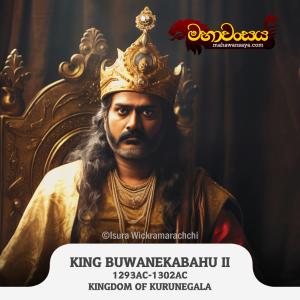
King Buvanekabahu II
1293 AC-1302 AC
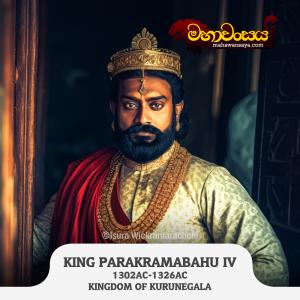
King Parakramabahu IV
1302 AC-1326 AC
-208.jpg)
King Buvanekabahu III (Vanni B
1326 AC-1335 AC
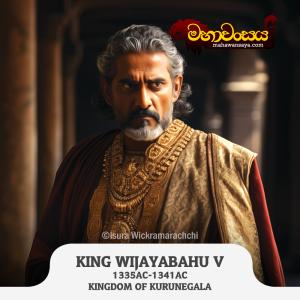
King Vijayabahu V
1335 AC-1341 AC
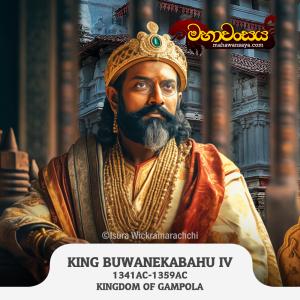
King Buvanekabahu IV
1341 AC-1359 AC
King Parakramabahu V
1344 AC-1359 AC
King Wickramabahu IV
1359 AC-1371 AC
King Buvanekabahu V
1371 AC-1407 AC
-544.jpg)
King Kumara Alakeshwara (Alake
1391 AC-1391 AC
King Weera Alakesvara
1397 AC-1411 AC
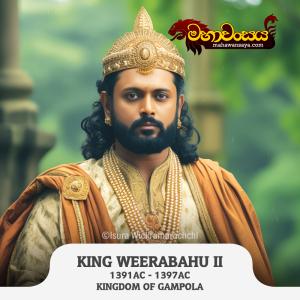
King Weerabahu II
1391 AC-1397 AC
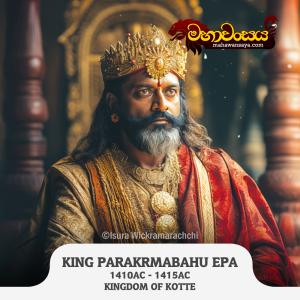
King Parakramabahu Epa
1410 AC-1415 AC
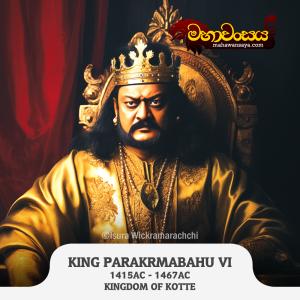
King Parakramabahu VI
1415 AC-1467 AC
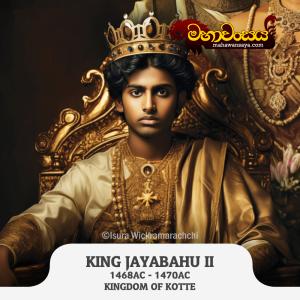
King Jayabahu II
1468 AC-1470 AC
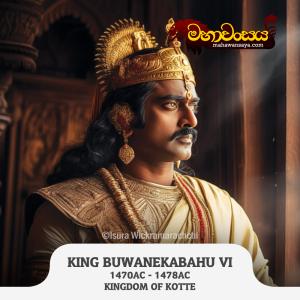
King Buvanekabahu VI
1470 AC-1478 AC
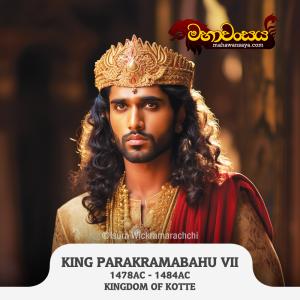
King Panditha Parakramabahu VI
1478 AC-1484 AC
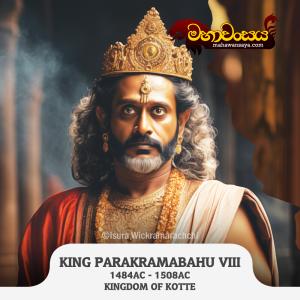
King Weera Parakramabahu VIII
1484 AC-1508 AC
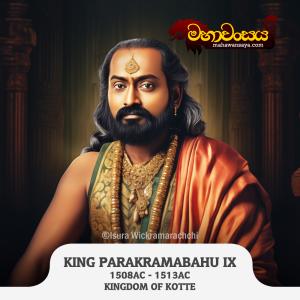
King Darma Parakramabahu IX
1508 AC-1513 AC
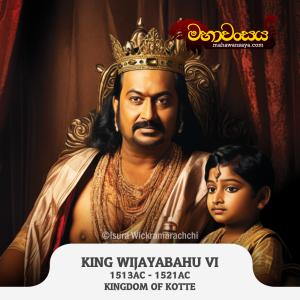
King Vijayabahu VI
1513 AC-1521 AC
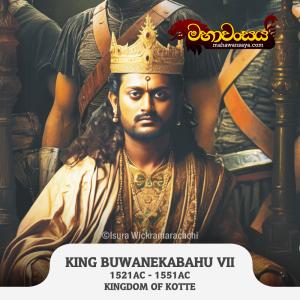
King Buvanekabahu VII
1521 AC-1551 AC
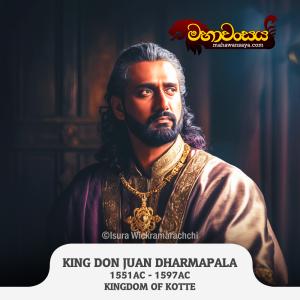
King Don Juwan Dharmapala
1551 AC-1597 AC
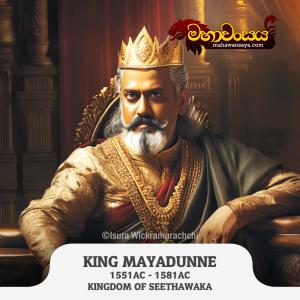
King Mayadunne
1551 AC-1581 AC
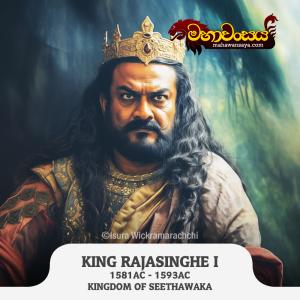
King Rajasinha I
1581 AC-1593 AC
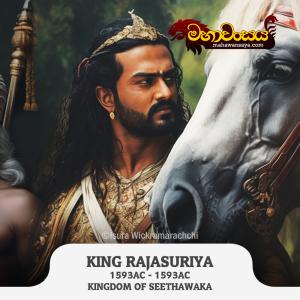
King Rajasooriya
1593 AC-1593 AC
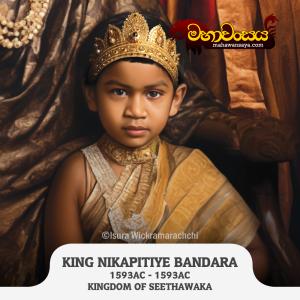
King Nikapitiye Bandara
1593 AC-1593 AC
King Wimaladharmasuriya I
1591 AC-1604 AC
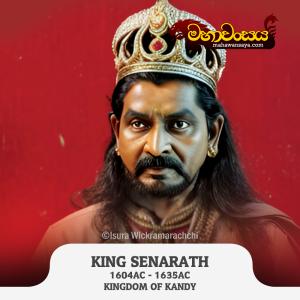
King Senarat
1604 AC-1635 AC
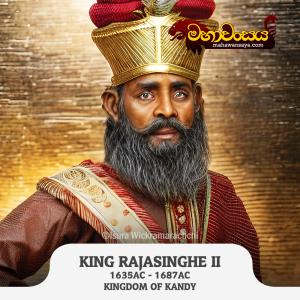
King Rajasinha II
1635 AC-1687 AC
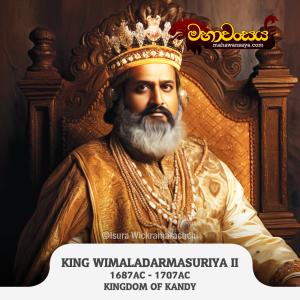
King Wimaladharmasuriya II
1687 AC-1707 AC
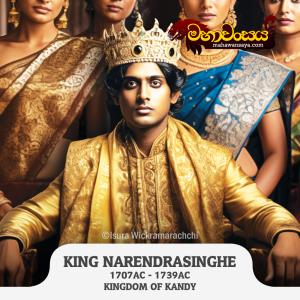
King Sri Weera Parakrama Naren
1707 AC-1739 AC
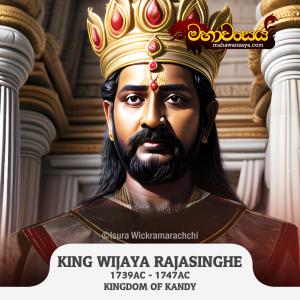
King Sri Wijaya Rajasingha
1739 AC-1747 AC
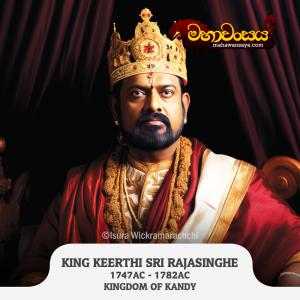
King Keerthi Sri Rajasingha
1747 AC-1782 AC
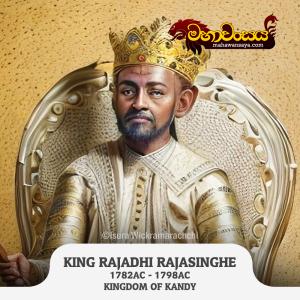
King Rajadhi Rajasinha
1782 AC-1798 AC
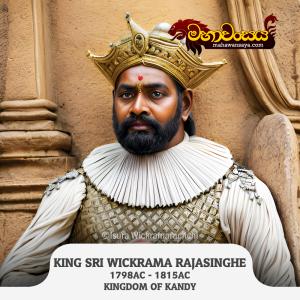
King Sri Wikrama Rajasinha
1798 AC-1815 AC

Pedro Lopes de Sousa
1594 AC-1594 AC
Joao da Silveira
1518 AC-1518 AC
Lopo de Brito
1518 AC-1522 AC
Fernao Gomes de Lemos
1522 AC-1524 AC
Joao Henriques
1551 AC-1552 AC
Diogo de Melo Coutinho
1552 AC-1552 AC
Duarte de Eca
1552 AC-1553 AC
Fernao Carvalho
1553 AC-1555 AC
Willem Jacobszoon Coster
1640 AC-1640 AC
Jan Thyszoon Payart
1640 AC-1646 AC
The manner in which the Cholas maintained their rule, the struggle carried on by the princes of Ruhuna against their invasions, the internal power struggles among those princes that enabled the Cholas to suppress them, and the damage caused to this country by the Cholas are first mentioned briefly. According to the chronicles, it was a prince named Kirthi who succeeded in ending the Chola rule, which lasted either seventy-seven years or, according to some texts, eighty years, and in restoring the sovereignty of this island. He appears in history under the name Vijayabahu. He was the first person to bear that name.
Since no historical record gives a clear account of the lineage of King Vijayabahu, it is necessary to examine, even briefly, the available information regarding it. The Mahavamsa begins its account on this matter with a legendary narrative.
King Kassapa had a son named Mana, who was an heir apparent. He also had a brother named Manavamma. Prince Manavamma lived near the banks of the river close to Shokanṇa and began chanting austerities dedicated to the god Skanda Kumara. This location is believed to be near the mouth of the Mahaweli River, close to the present-day Trincomalee harbour. At this place, Skanda Kumara, empowered by mantras, appeared before the prince mounted on a peacock. The peacock attempted to dip its beak into a vessel of water placed at the offering altar, but as it was empty, it bent towards the prince. Considering future welfare, Manavamma offered his eye to the peacock. The peacock pecked out the eye, consumed its essence, and was satisfied. Skanda Kumara then granted the boon desired by Manavamma and disappeared.
The ministers, seeing the misfortune that befell Prince Manavamma, lamented and went to Anuradhapura to request him to accept consecration as king. He declared that a physically impaired person was unfit for kingship, but, directing the ministers according to his will, had Prince Mana crowned king. When Mana expressed a desire to renounce the world, the king took his brother to Abhayagiri and requested the Sangha to ordain him. Although Buddhist discipline does not permit the ordination of physically impaired persons, the monks ordained him. Members of this lineage did not become monks thereafter but used the title “Mahasami” as an honorific.
From this lineage, twelve descendants, beginning with Aggabodhi, ascended the throne. Mihindu, a nephew of a later king, had two daughters named Devila and Lokita. Lokita, having married her cousin, bore a son named Kassapa, and later two more sons named Mugalan and Loka. The eldest of these became known as Mahasami.
A prince named Bodhi was born into the lineage of King Dathopatissa. His wife was Princess Buddha of the same lineage. Their daughter was named Lokita. Lokita was married to Prince Mugalan, and they had three sons named Kirthi, Mahinda, and Rakkhita, and one daughter named Chitra. Of these, the eldest, Prince Kirthi, was endowed with courage and heroism.
The Mahavamsa account of King Vijayabahu’s lineage is not entirely clear. Based on other details, the King Kassapa mentioned here may be identified as Kassapa II, who destroyed the Thuparama. The sixteen descendants can be identified among those who ruled after King Manavamma. However, it is difficult to identify Prince Mugalan, the father of Kirthi, conclusively as a reigning king.
In the Panakaduwa copper grant issued in the twenty-seventh regnal year of King Vijayabahu, he refers to his father as “our father, the great lord, King Mugalan.” Thus, it is certain that his father was a king named Mugalan, but whether he ruled from Anuradhapura or from Rohana cannot be determined. Prince Kirthi is generally believed to have been born around 1034–1035, a period close to the Chola occupation of the Rajarata. No Rohana ruler named Mugalan who fought the Cholas is mentioned elsewhere. Similarly, there are differing views regarding King Mihindu, some identifying him as Mihindu IV and others as Mihindu V.
A different account is found in the Ambagamuva inscription written in the thirty-eighth regnal year of King Vijayabahu. According to this inscription, Vijayabahu’s father was King Abhasalamevan. During this period, royal regnal titles such as Sirisangabo and Abhasalamevan appear to have been used interchangeably. Thus, Abhasalamevan may have been the consecration name of Prince (or King) Mugalan. However, there is no firm evidence that Mugalan was formally consecrated as a great king, and this may have been a conventional poetic usage.
According to the Mahavamsa, Prince Kirthi’s mother was named Lokita. The relevant portion of the Ambagamuva inscription is unclear. If the reading “Devagen” is accepted, Vijayabahu’s mother would be named Deva, which contradicts the Mahavamsa. If, however, the reading “Lokagen” is accepted, the two sources align.
These matters are suitable for lengthy discussion, but it is unnecessary to pursue them further here. If the second Kassapa mentioned is considered the son of King Mahinda V, then Mugalan may have been crowned in Rohana under the title Abhasalamevan. When Rajarata fell to foreign enemies, it was customary among the Sinhalese to regard the ruler of Rohana as the rightful king.
The Mahavamsa states that Prince Kirthi was skilled in archery and contemplated liberating the country from Chola domination. He initially lived in the village of Sala, believed to correspond to present-day Monaragala, also known as Muppane. Given the conditions in Rohana, it was first necessary to unify Rohana before attempting to liberate Rajarata. Lokeshvara, the general ruling Rohana, undoubtedly posed a challenge to Prince Kirthi. It appears that Lokeshvara did not enjoy the support of all Rohana chiefs, as evidenced by the fact that a powerful figure named Buddharaaja fled to Chunnasala (modern Hunuwala in Ratnapura District) in opposition to Lokeshvara. A local leader named Kirthi there became subordinate to Buddharaaja.
During these events, the Mahavamsa states that an astrologer named Sangha praised Prince Kirthi to General Buddharaaja. Hearing this, Buddharaaja decided to serve the prince and sent his men to him. Knowing that his parents would not permit this, the prince left with only his bow and went to Sarivaggapitti. He attacked and captured Bowala village, where Lokeshvara’s troops were stationed. Lokeshvara sent an army against him, but Prince Kirthi repelled it. He then proceeded to Chunnasala and brought the Malay country under his control. Buddharaaja provided him full protection. Further armies sent by Lokeshvara also failed. Subsequently, a powerful leader named Devamalla joined the prince with a large force. At the age of fifteen, the prince was ceremonially invested as heir apparent, thereby affirming his claim and authority over Rohana.
After Lokeshvara’s death, a man named Kassapa seized control of Kataragama. He is referred to in the chronicles as Keshadhatu Nayaka, a title indicating royal affiliation. Kassapa defeated a Chola army sent from Polonnaruwa and extended his power to Raktapashana Kandika, identified with modern Rakwana. Growing powerful, he attempted to eliminate Prince Kirthi by sending Sipatthala, but lacking popular support, Kassapa fled to Khadiranganeya, from where he returned to Kataragama and was killed in battle with the prince. Thus, by the age of sixteen, Prince Kirthi subdued all opposition in Rohana and became its ruler, thereafter known as King Vijayabahu.
Although the Mahavamsa presents these events as sudden, in reality they were the result of prolonged struggle, supported by Buddharaaja, to unify Rohana—details of which are not fully recorded.
King Vijayabahu likely assumed kingship around 1055 or 1056, with Kataragama as his base. Though of royal lineage, he had no experience of courtly life, living instead a harsh life, moving from fortress to fortress, surviving on forest produce, constantly threatened by Cholas and rival chiefs. Through early experience in guerrilla warfare, he earned the respect of allied leaders and followers, as noted by Professor Senarath Paranavitana, who observes that this formed the foundation for a prolonged liberation struggle. Without Rohana’s unity, ending Chola rule would not have been possible.
The Cholas in Polonnaruwa perceived this unity. Vijayabahu prepared for resistance, while the Chola king ordered his general to suppress the Sinhalese. The Chola general advanced to Kataragama, causing great destruction, but withdrew due to lack of local support and fear of attacks from the fortresses. Vijayabahu temporarily retreated to a stronghold.
Seeking foreign assistance, Vijayabahu sent envoys with gifts to Ramanna (Lower Burma), ruled by King Anuruddha. Although the Mahavamsa mentions only luxury items being sent, it is reasonable to conclude that financial aid was provided to support the war effort, as Rohana lacked sufficient resources.
Following these preparations, the Chola emperor, alarmed by resistance and internal unrest in Rajarata, sent a major force in 1065. The Cholas landed at Mahatittha and advanced, committing atrocities. Two of Vijayabahu’s generals defected to the Cholas, weakening the resistance. Vijayabahu responded strategically by constructing the fortress of Palatupana, near present-day Situlpawwa, and successfully repelled the Cholas after fierce fighting.
Subsequently, the Sinhalese counterattacked, killing the Chola general at Tambavita. Encouraged, Vijayabahu advanced, captured Polonnaruwa, and confronted renewed Chola invasion under Emperor Virarajendra. After setbacks and retreats, Vijayabahu regrouped, suppressed rebellions, rebuilt his forces, and reorganized his campaign.
Exploiting Chola preoccupation with wars against the Western Chalukyas, Vijayabahu launched a three-pronged offensive, systematically destroying Chola strongholds, retaking Anuradhapura, and finally besieging Polonnaruwa. After prolonged fighting, Polonnaruwa fell in 1070, marking the end of Chola domination.
Thus ended nearly seventy-seven years of foreign subjugation, and the Sinhalese crown was firmly re-established. The Cholas did not invade again, deterred by Sinhalese strength and their own internal conflicts.