144
King Nissanka Malla
Kingdom of Polonnaruwa
1187 AC - 1196 AC
1187 AC - 1196 AC

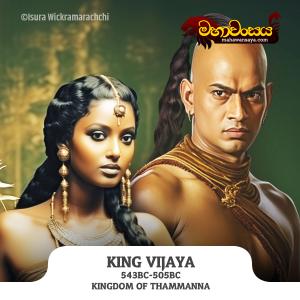
King Vijaya
543 BC-505 BC
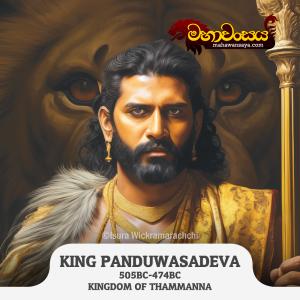
King Panduvasdeva
504 BC-474 BC
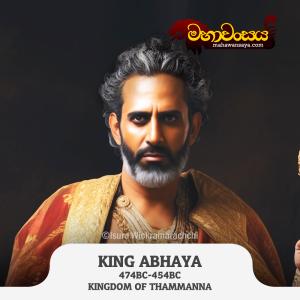
King Abhaya
474 BC-454 BC
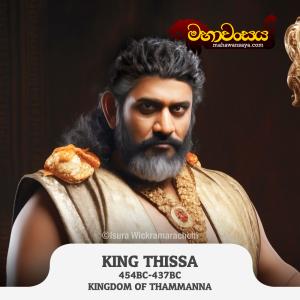
King Tissa
454 BC-437 BC
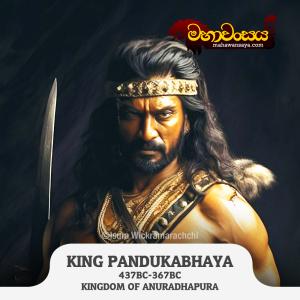
King Pandukabhaya
437 BC-367 BC
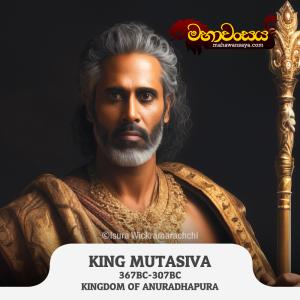
King Mutasiva
367 BC-307 BC
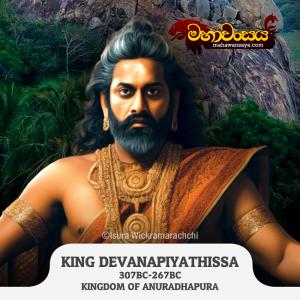
King Devanampiya Tissa
307 BC-267 BC
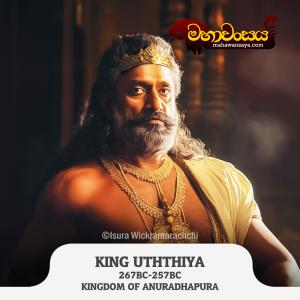
King Uttiya
267 BC-257 BC
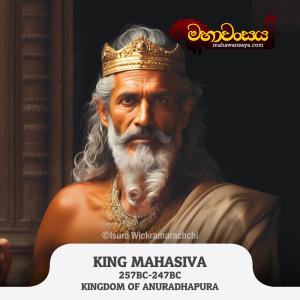
King Mahasiva
257 BC-247 BC
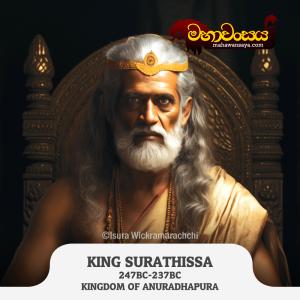
King Suratissa
247 BC-237 BC
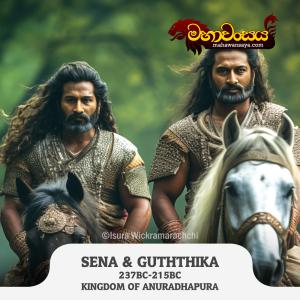
Sena and Guttika
237 BC-215 BC
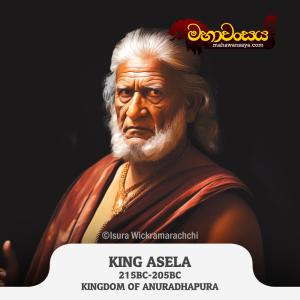
King Asela
215 BC-205 BC
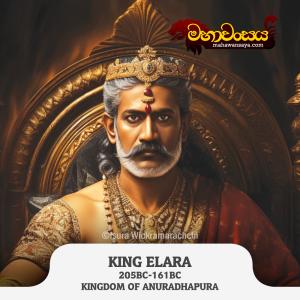
King Elara
205 BC-161 BC
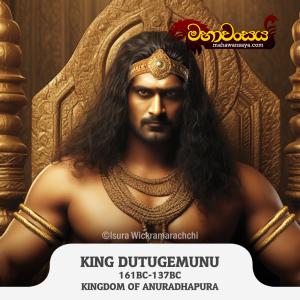
King Dutugemunu
161 BC-137 BC
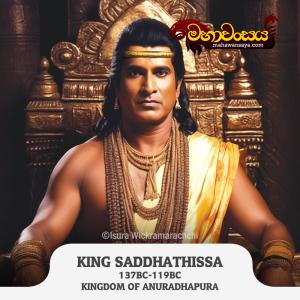
King Saddha Tissa
137 BC-119 BC
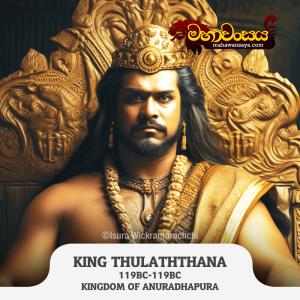
King Thulatthana
119 BC-119 BC
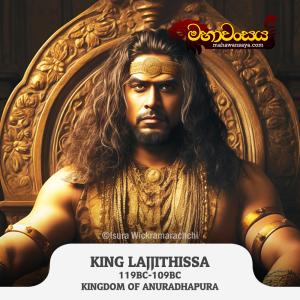
King Lajjithissa
119 BC-109 BC
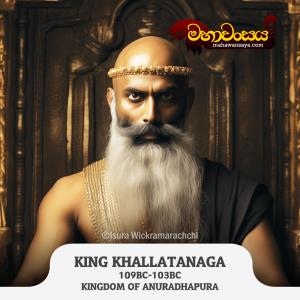
King Khallata Naga
109 BC-103 BC
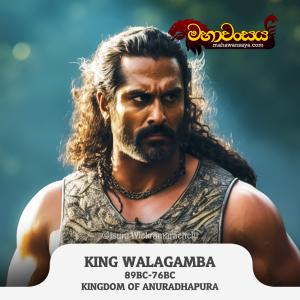
King Walagamba
89 BC-76 BC
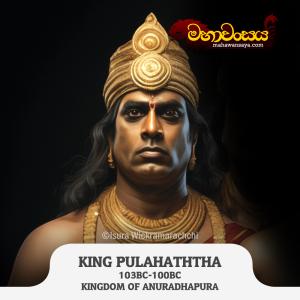
King Pulahaththa
103 BC-100 BC
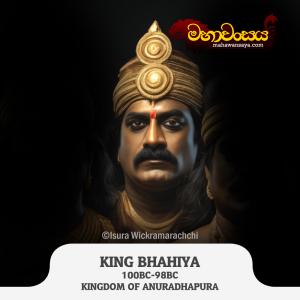
King Bhahiya
100 BC-98 BC
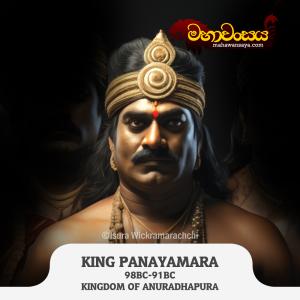
King Panayamara
98 BC-91 BC
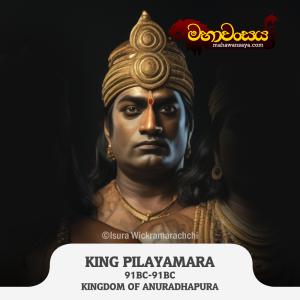
King Piliyamara
91 BC-91 BC
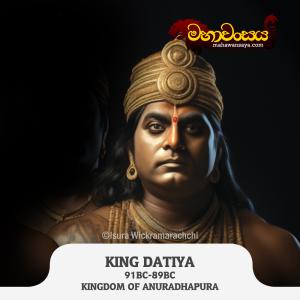
King Dathiya
91 BC-89 BC
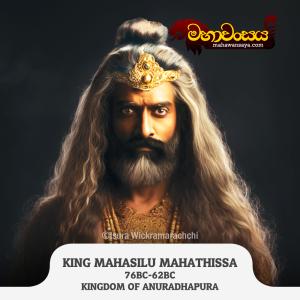
King Mahachulikamahathissa
76 BC-62 BC
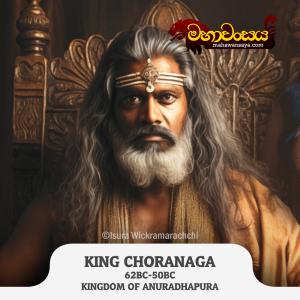
King Choranaga
62 BC-50 BC
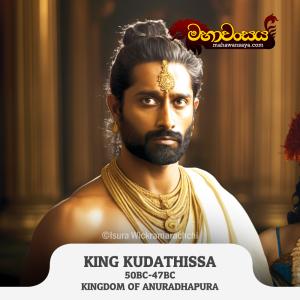
King Kuda Thissa
50 BC-47 BC
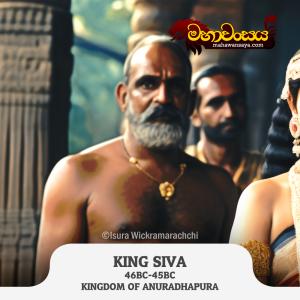
King Siva I
47 BC-45 BC
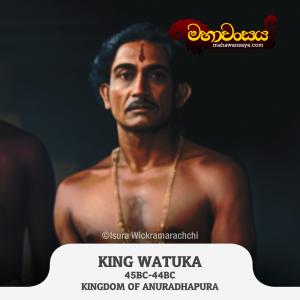
King Vatuka
45 BC-44 BC
King Darubhatika Tissa
44 BC-43 BC
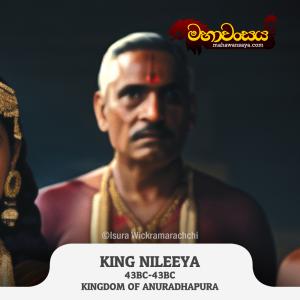
King Neeliya
43 BC-43 BC
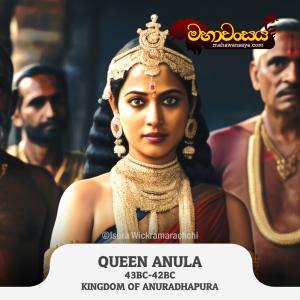
Queen Anula
43 BC-42 BC
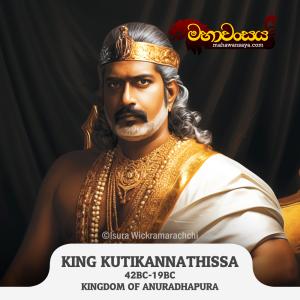
King Kutikanna Tissa
42 BC-19 BC
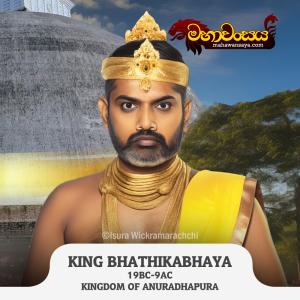
King Bhathikabhaya
19 BC-9 AC
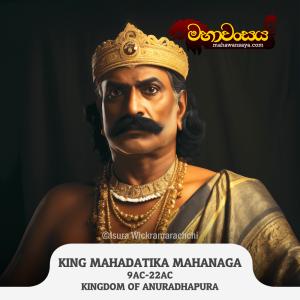
King Mahadatika Mahanaga
9 AC-22 AC
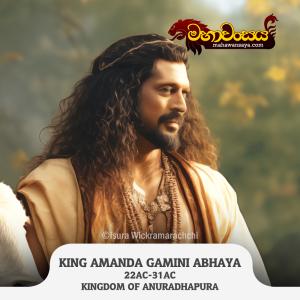
King Amandagamani Abhaya
22 AC-31 AC
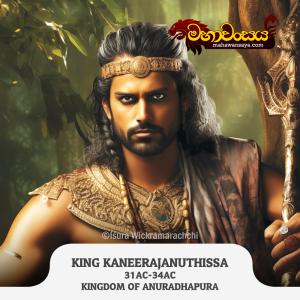
King Kanirajanu Tissa
31 AC-34 AC
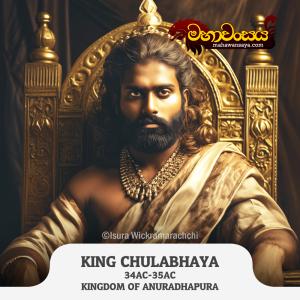
King Chulabhaya
34 AC-35 AC
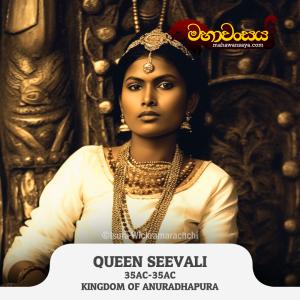
Queen Seevali
35 AC-35 AC
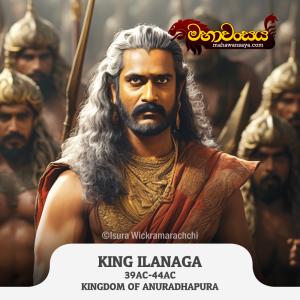
King Ilanaga
39 AC-44 AC
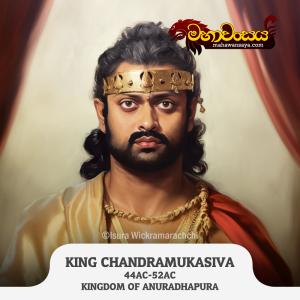
King Chandra Mukha Siva
44 AC-52 AC
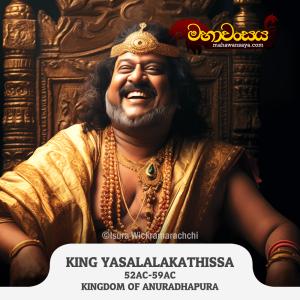
King Yassalalaka Thissa
52 AC-59 AC
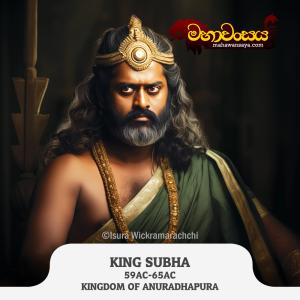
King Subha
59 AC-65 AC
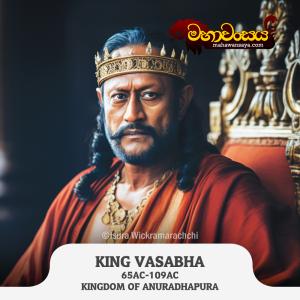
King Vasabha
65 AC-109 AC
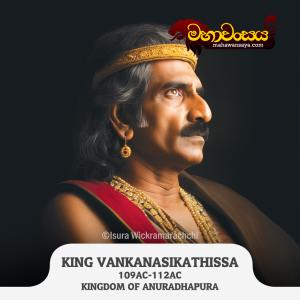
King Vankanasika Tissa
109 AC-112 AC
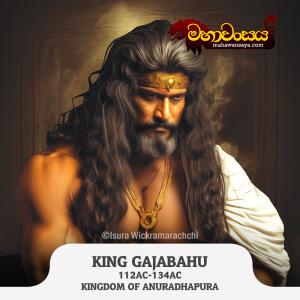
King Gajabahu I
112 AC-134 AC
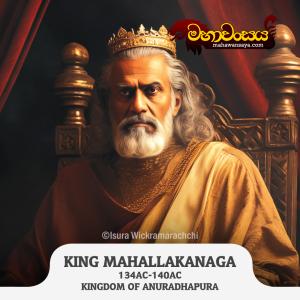
King Mahallaka Naga
134 AC-140 AC
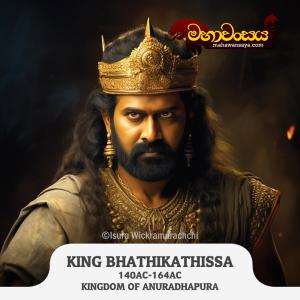
King Bhathika Thissa
140 AC-164 AC
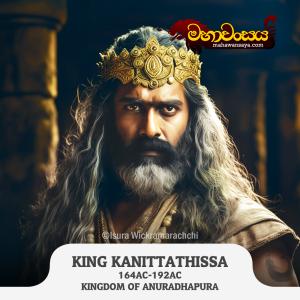
King Kanitta Tissa
164 AC-192 AC
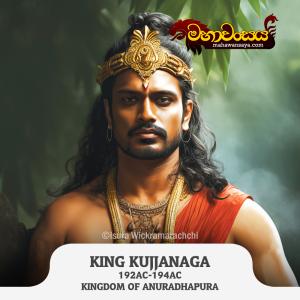
King Kujjanaga
192 AC-194 AC
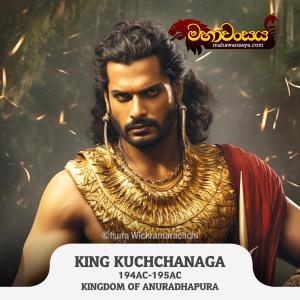
King Kudda Naga
194 AC-195 AC
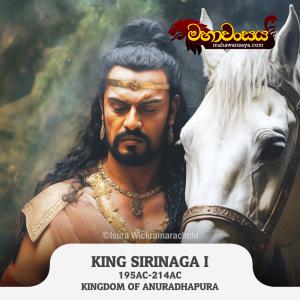
King Sirinaga I
195 AC-214 AC
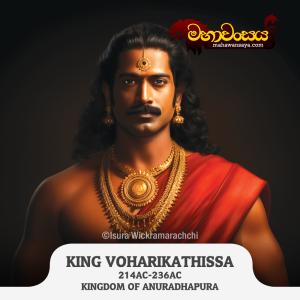
King Voharika Tissa
214 AC-236 AC
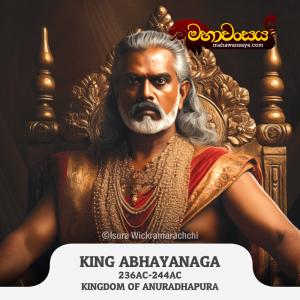
King Abhaya Naga
236 AC-244 AC
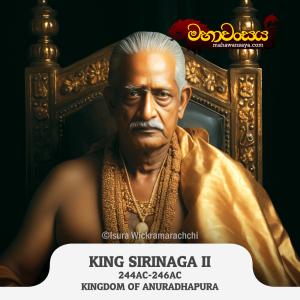
King Sirinaga II
244 AC-246 AC
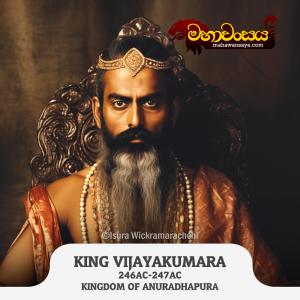
King Vijaya Kumara
246 AC-247 AC
King Sangha Tissa I
247 AC-251 AC
King Siri Sangha Bodhi I
251 AC-253 AC
King Gotabhaya
253 AC-266 AC
King Jetta Tissa I
266 AC-276 AC
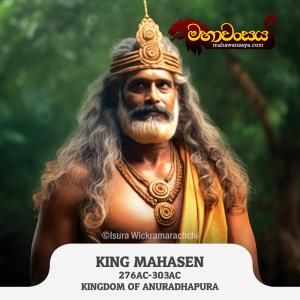
King Mahasen
276 AC-303 AC
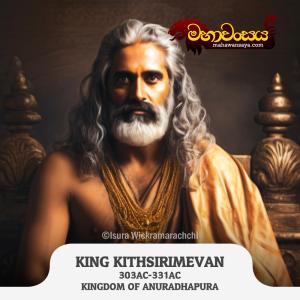
King Kithsirimewan
303 AC-331 AC
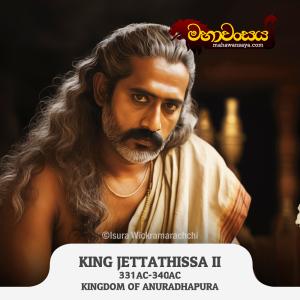
King Jetta Tissa II
331 AC-340 AC
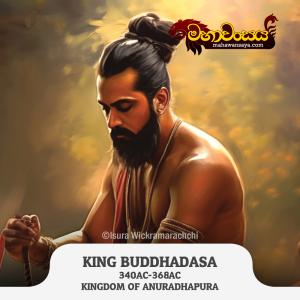
King Buddhadasa
340 AC-368 AC
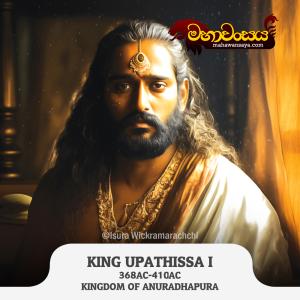
King Upatissa I
368 AC-410 AC
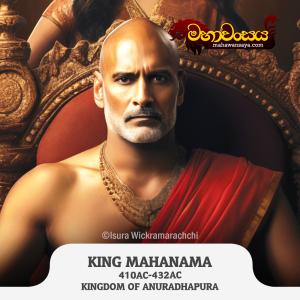
King Mahanama
410 AC-432 AC
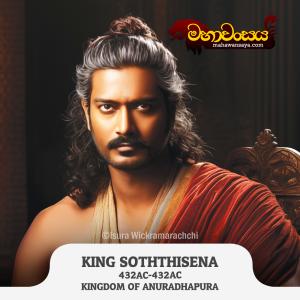
King Soththisena
432 AC-432 AC
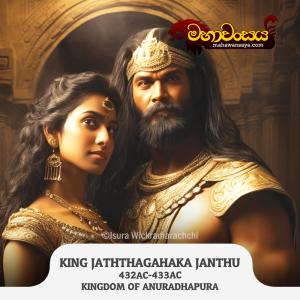
King Jaththagahaka Janthu
432 AC-433 AC
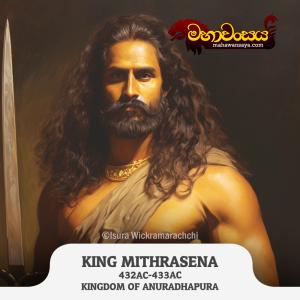
King Miththasena
432 AC-433 AC
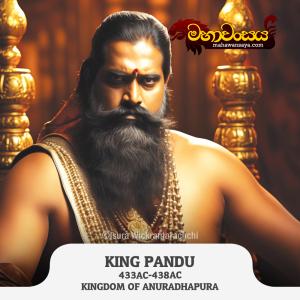
King Pandu
433 AC-438 AC
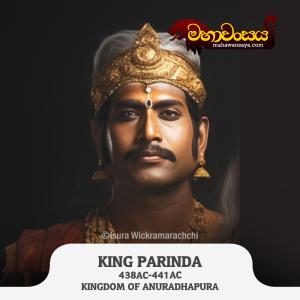
King Parinda
438 AC-441 AC
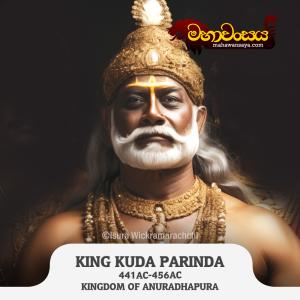
King Kuda Parinda
441 AC-456 AC
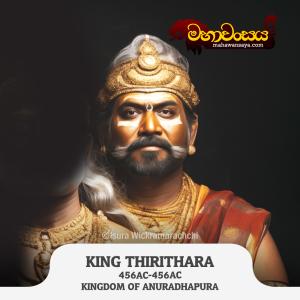
King Thirithara
456 AC-456 AC
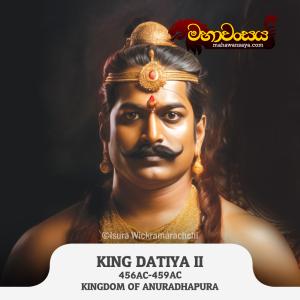
King Datiya II
456 AC-459 AC
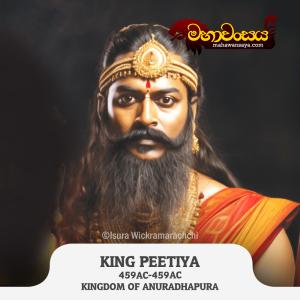
King Peetiya
459 AC-459 AC
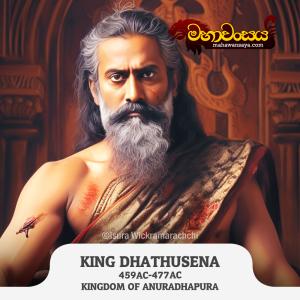
King Dhathusena
459 AC-477 AC
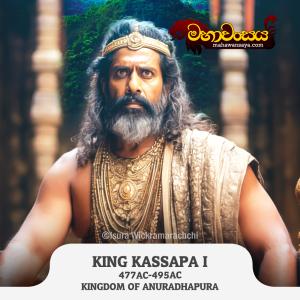
King Kassapa I
477 AC-495 AC
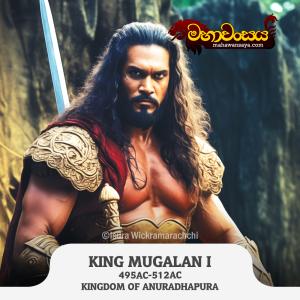
King Mugalan I
495 AC-512 AC
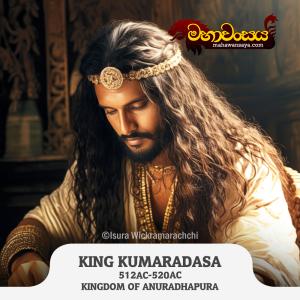
King Kumaradasa
512 AC-520 AC
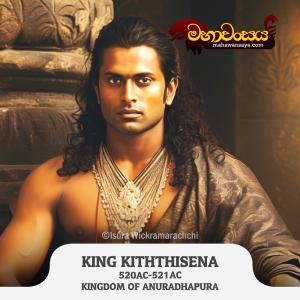
King Kiththisena
520 AC-521 AC
King Siva II
521 AC-521 AC
King Upatissa II
521 AC-522 AC
King Silakala
522 AC-535 AC
King Datappabhuthi
535 AC-535 AC
King Mugalan II
535 AC-555 AC
King Kiththisirimegha
555 AC-573 AC
King Mahanaga
573 AC-575 AC
King Aggabodhi I
575 AC-608 AC
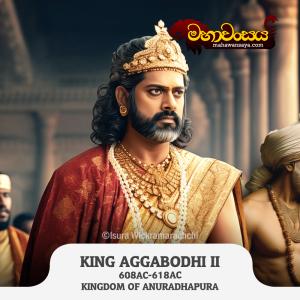
King Aggabodhi II
608 AC-618 AC
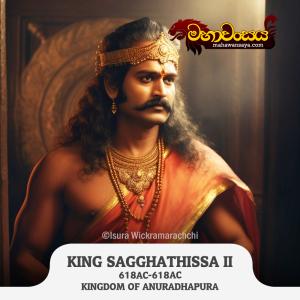
King Sangha Tissa II
618 AC-618 AC
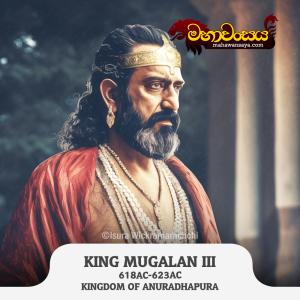
King Mugalan III
618 AC-623 AC
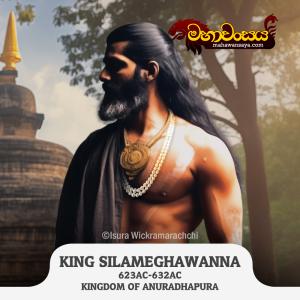
King Silameghavanna
623 AC-632 AC
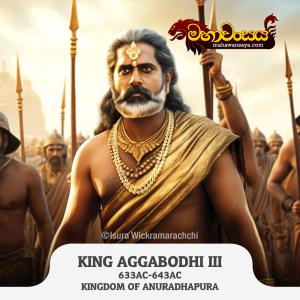
King Aggabodhi III
633 AC-643 AC
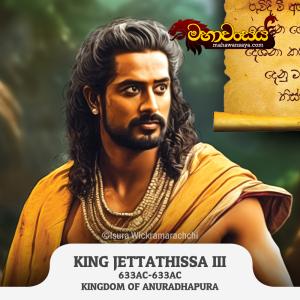
King Jetta Tissa III
633 AC-633 AC
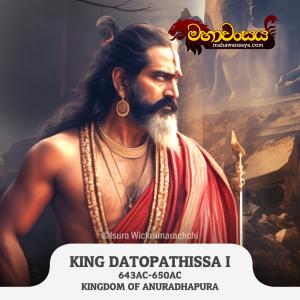
King Datopathissa i
643 AC-650 AC
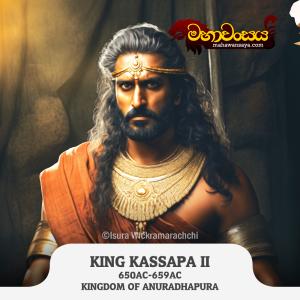
King Kassapa II
650 AC-659 AC
King Dappula I
659 AC-659 AC
King Datopathissa II
659 AC-667 AC
King Aggabodhi IV
667 AC-683 AC
King Daththa
683 AC-684 AC
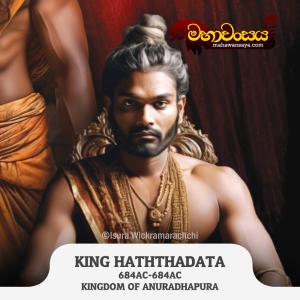
King Haththadata
684 AC-684 AC
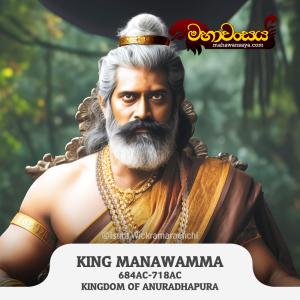
King Manavamma
684 AC-718 AC
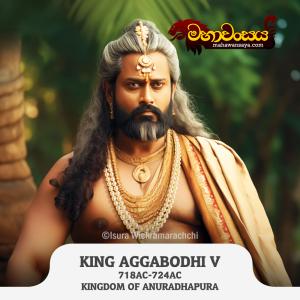
King Aggabodhi V
718 AC-724 AC
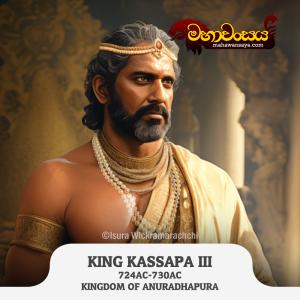
King Kassapa III
724 AC-730 AC
King Mahinda I
730 AC-733 AC
King Aggabodhi VI
733 AC-772 AC
King Aggabodhi VII
772 AC-777 AC
King Mahinda II
777 AC-797 AC
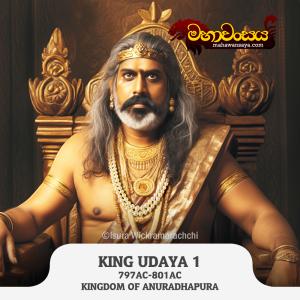
King Udaya I
797 AC-801 AC
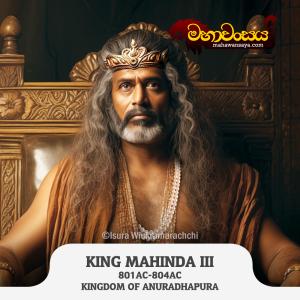
King Mahinda III
801 AC-804 AC
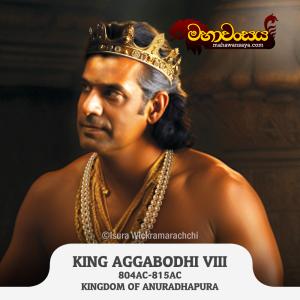
King Aggabodhi VIII
804 AC-815 AC
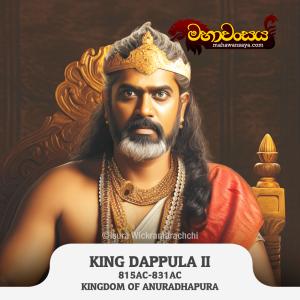
King Dappula II
815 AC-831 AC
King Aggabodhi IX
831 AC-833 AC
King Sena I
833 AC-853 AC
King Sena II
853 AC-887 AC
King Udaya II
887 AC-898 AC
King Kassapa IV
898 AC-914 AC
King Kassapa V
914 AC-923 AC
King Dappula III
923 AC-923 AC
King Dappula IV
923 AC-935 AC
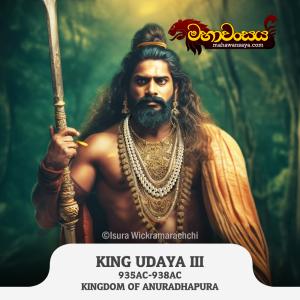
King Udaya III
935 AC-938 AC
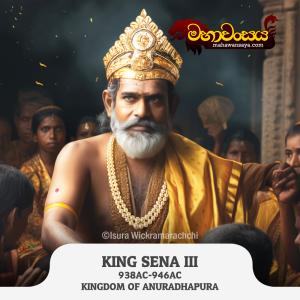
King Sena III
938 AC-946 AC
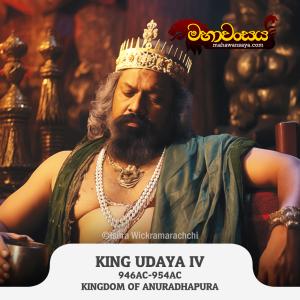
King Udaya IV
946 AC-954 AC
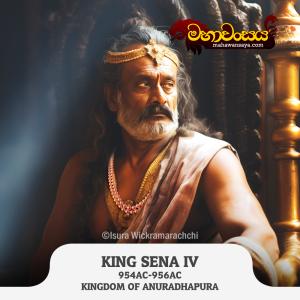
King Sena IV
954 AC-956 AC
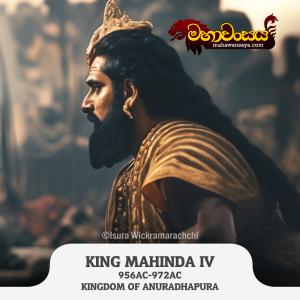
King Mahinda IV
956 AC-972 AC
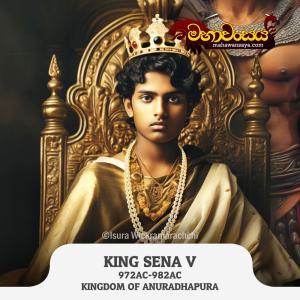
King Sena V
972 AC-982 AC
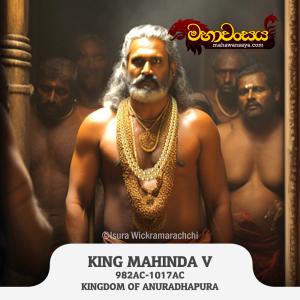
King Mahinda V
982 AC-1017 AC
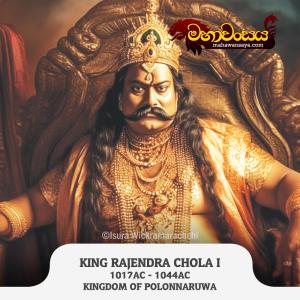
Rajendra Chola I
1017 AC-1044 AC
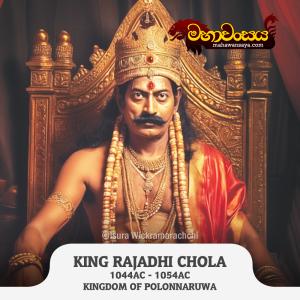
Rajadhiraja Chola
1044 AC-1054 AC
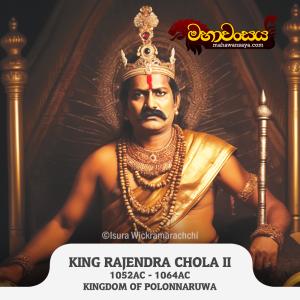
Rajendra Chola II
1052 AC-1064 AC
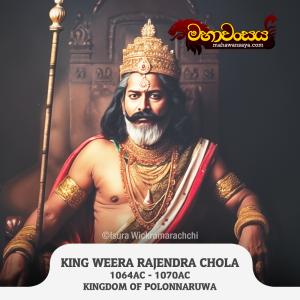
Virarajendra Chola
1064 AC-1070 AC
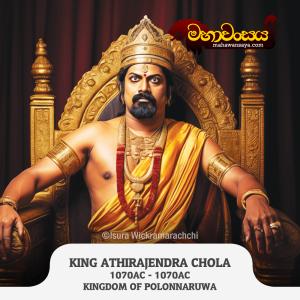
Athirajendra Chola
1070 AC-1070 AC
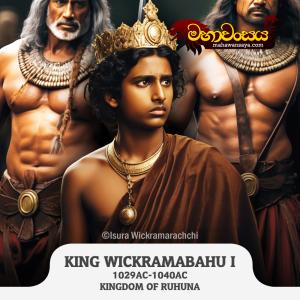
King Wickramabahu I
1029 AC-1040 AC
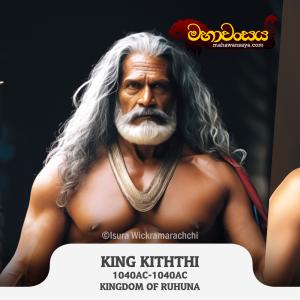
King General Keerthi
1040 AC-1040 AC
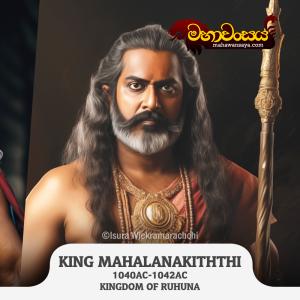
King Mahalana Kiththi
1040 AC-1042 AC
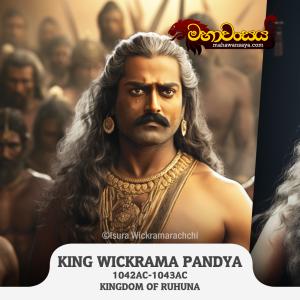
King Wickrama Pandu
1042 AC-1043 AC
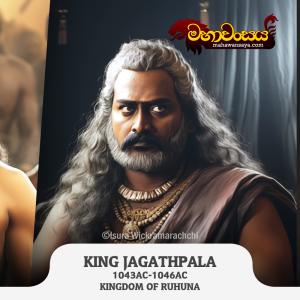
King Jagathpala
1043 AC-1046 AC
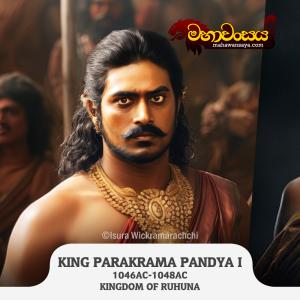
King Parakrama Pandu
1046 AC-1048 AC
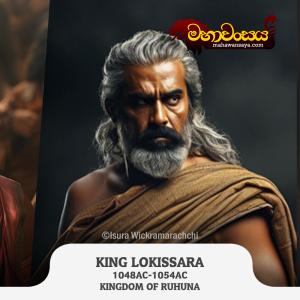
King Lokissara
1048 AC-1054 AC
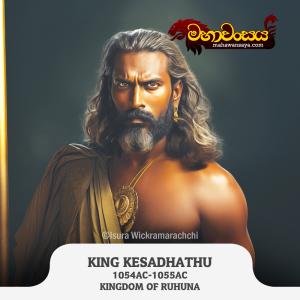
King Kesadhathu
1054 AC-1055 AC
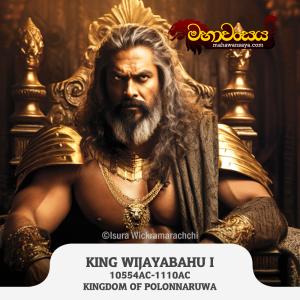
King Vijayabahu I
1055 AC-1110 AC
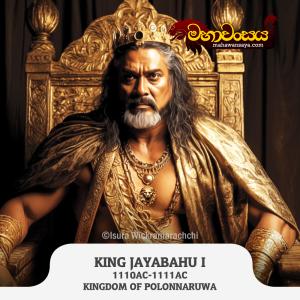
King Jayabahu I
1110 AC-1111 AC
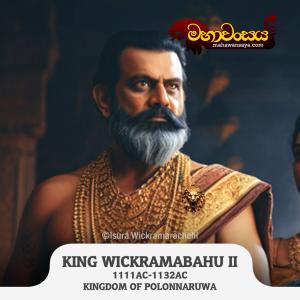
King Wickramabahu II
1111 AC-1132 AC
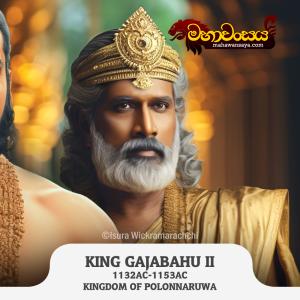
King Gajabahu II
1032 AC-1053 AC
King Parakramabahu I
1053 AC-1086 AC
King Vijayabahu II
1186 AC-1187 AC
King Mahinda VI
1187 AC-1187 AC
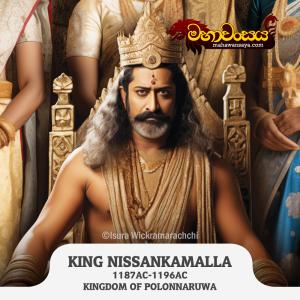
King Nissanka Malla
1187 AC-1196 AC
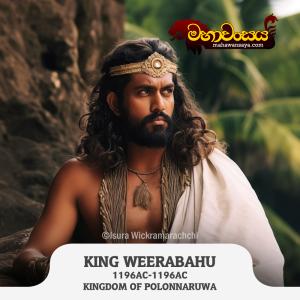
King Weerabahu I
1196 AC-1196 AC
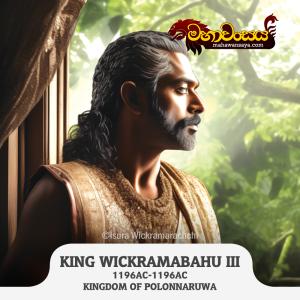
King Wickramabahu III
1196 AC-1196 AC
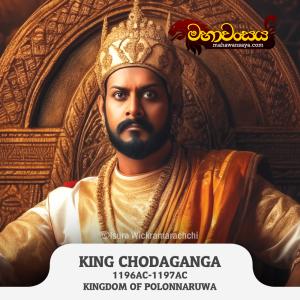
King Chodaganga
1196 AC-1197 AC
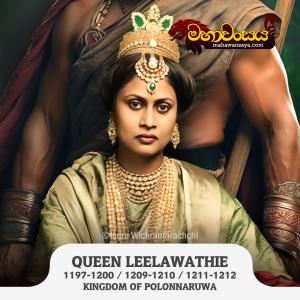
Queen Leelawathie
1197 AC-1200 AC
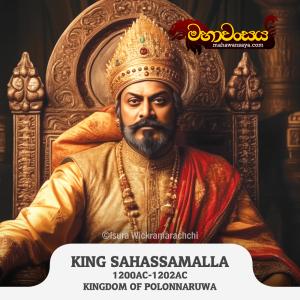
King Sahasamalla
1200 AC-1202 AC
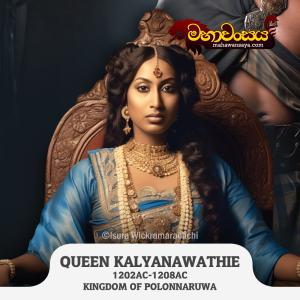
Queen Kalyanawathie
1202 AC-1208 AC
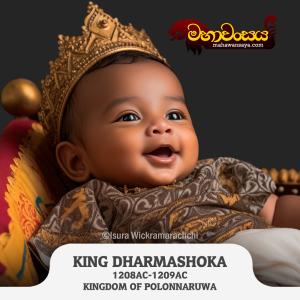
King Dharmasoka
1208 AC-1209 AC
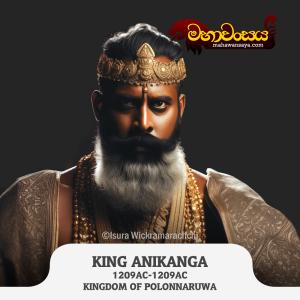
King Anikanga
1209 AC-1209 AC
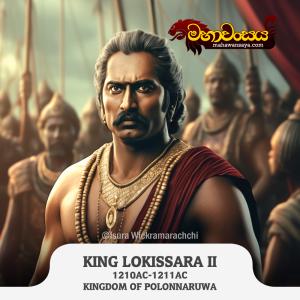
King Lokissara ii
1210 AC-1211 AC
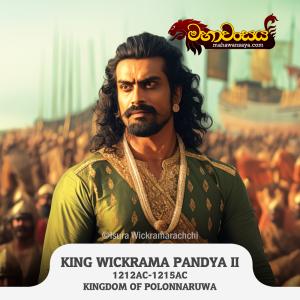
King Parakrama Pandu II
1212 AC-1215 AC
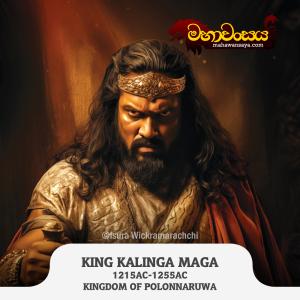
King Kalinga Magha
1215 AC-1255 AC
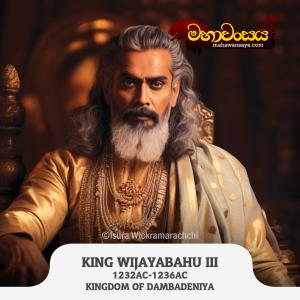
King Vijayabahu III
1232 AC-1236 AC
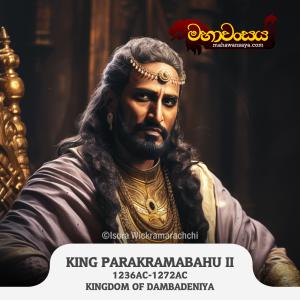
King Parakramabahu II
1236 AC-1272 AC
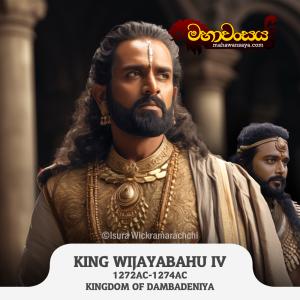
King Vijayabahu IV
1272 AC-1274 AC
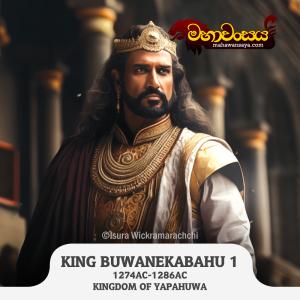
King Buvanekabahu I
1274 AC-1286 AC
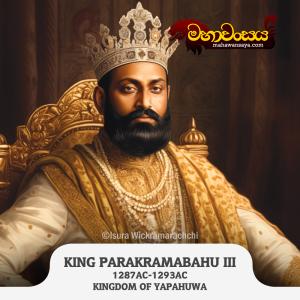
King Parakramabahu III
1287 AC-1293 AC
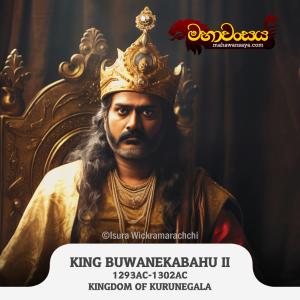
King Buvanekabahu II
1293 AC-1302 AC
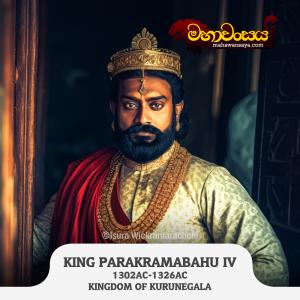
King Parakramabahu IV
1302 AC-1326 AC
-208.jpg)
King Buvanekabahu III (Vanni B
1326 AC-1335 AC
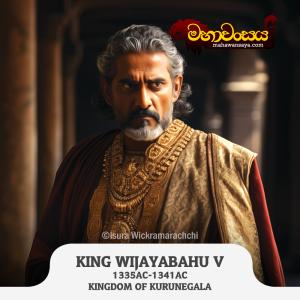
King Vijayabahu V
1335 AC-1341 AC
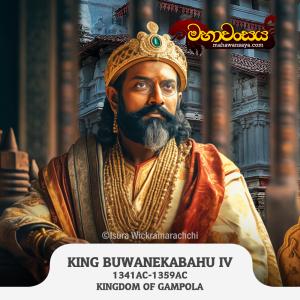
King Buvanekabahu IV
1341 AC-1359 AC
King Parakramabahu V
1344 AC-1359 AC
King Wickramabahu IV
1359 AC-1371 AC
King Buvanekabahu V
1371 AC-1407 AC
-544.jpg)
King Kumara Alakeshwara (Alake
1391 AC-1391 AC
King Weera Alakesvara
1397 AC-1411 AC
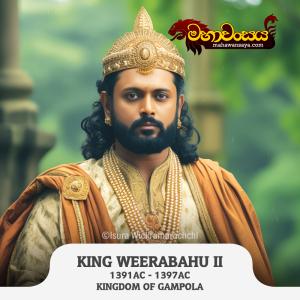
King Weerabahu II
1391 AC-1397 AC
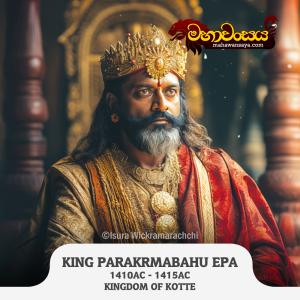
King Parakramabahu Epa
1410 AC-1415 AC
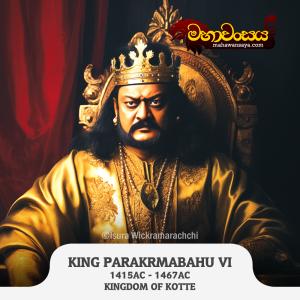
King Parakramabahu VI
1415 AC-1467 AC
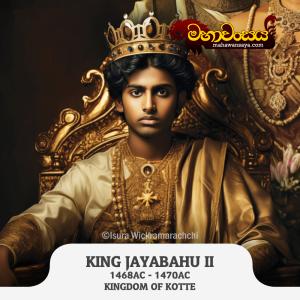
King Jayabahu II
1468 AC-1470 AC
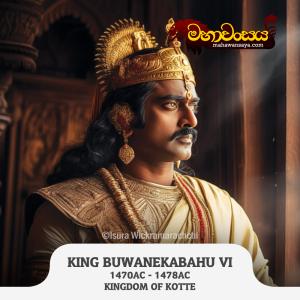
King Buvanekabahu VI
1470 AC-1478 AC
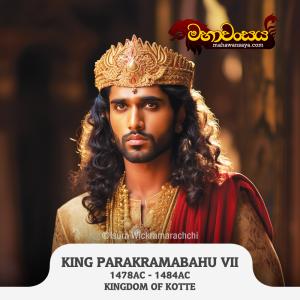
King Panditha Parakramabahu VI
1478 AC-1484 AC
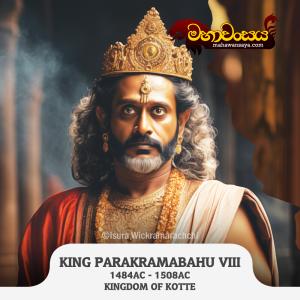
King Weera Parakramabahu VIII
1484 AC-1508 AC
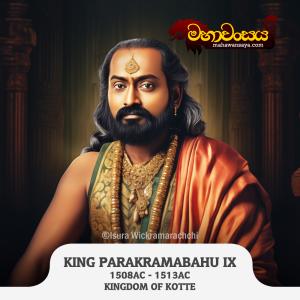
King Darma Parakramabahu IX
1508 AC-1513 AC
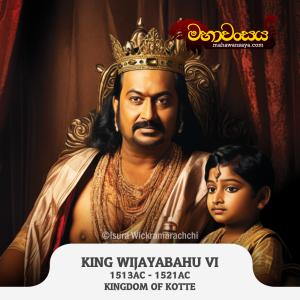
King Vijayabahu VI
1513 AC-1521 AC
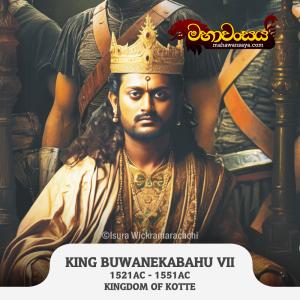
King Buvanekabahu VII
1521 AC-1551 AC
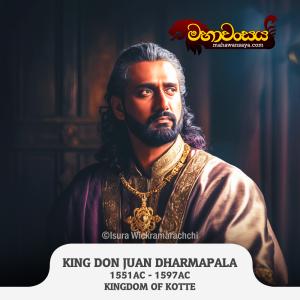
King Don Juwan Dharmapala
1551 AC-1597 AC
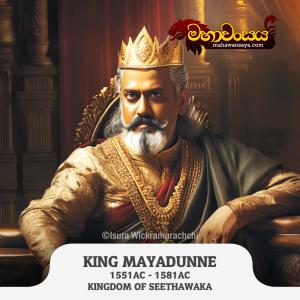
King Mayadunne
1551 AC-1581 AC
King Rajasinha I
1581 AC-1593 AC
King Rajasooriya
1593 AC-1593 AC
King Nikapitiye Bandara
1593 AC-1593 AC
King Wimaladharmasuriya I
1591 AC-1604 AC
King Senarat
1604 AC-1635 AC
King Rajasinha II
1635 AC-1687 AC
King Wimaladharmasuriya II
1687 AC-1707 AC
King Sri Weera Parakrama Naren
1707 AC-1739 AC
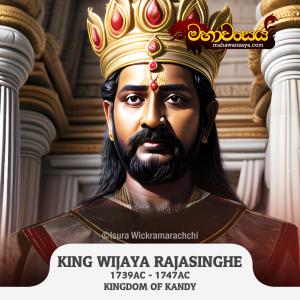
King Sri Wijaya Rajasingha
1739 AC-1747 AC
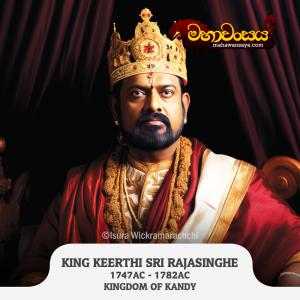
King Keerthi Sri Rajasingha
1747 AC-1782 AC
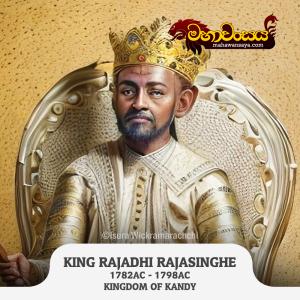
King Rajadhi Rajasinha
1782 AC-1798 AC
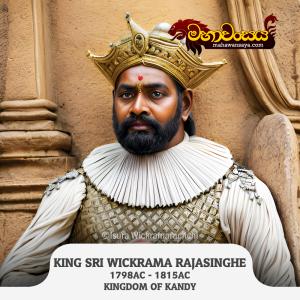
King Sri Wikrama Rajasinha
1798 AC-1815 AC

Pedro Lopes de Sousa
1594 AC-1594 AC
Joao da Silveira
1518 AC-1518 AC
Lopo de Brito
1518 AC-1522 AC
Fernao Gomes de Lemos
1522 AC-1524 AC
Joao Henriques
1551 AC-1552 AC
Diogo de Melo Coutinho
1552 AC-1552 AC
Duarte de Eca
1552 AC-1553 AC
Fernao Carvalho
1553 AC-1555 AC
Willem Jacobszoon Coster
1640 AC-1640 AC
Jan Thyszoon Payart
1640 AC-1646 AC
According to the Mahavamsa, after King Mahinda VI, who had the fortune to reign for about five days, was killed, a person named Kirti Nissanka ascended the throne. However, although no detailed account is given to learn about him, since the word “Kalingajo” is recorded, it can be understood to mean that King Nissanka was either of Kalinga lineage or born in Kalinga. The account given in the Pujavaliya is clearer than this. There it is stated as “a Malla king named Kirti Nissanka who came from Kalinga.”
According to inscriptions, his name was Sri Veeraraja Nissankamalla Apratimalla Kalinga Lankeshvara Parakramabahu Chakravarti Swamin Vahanse. No king with such a long name had ruled Sri Lanka before this. However, among the people, this king is widely known simply as Nissankamalla.
Inscriptions mention three chief queens of King Nissankamalla. They are Kalinga, Subhadra, and Kalyana (Vati) Chandra of the Ganga lineage. He had a daughter and a son. The daughter was named Sarvanga Sundari, and the son was named Virabahu. Information about this king that cannot be clearly revealed through chronicles can be clarified through the inscriptions established by him. Among these, the Galpotha inscription in Polonnaruwa appears to be the most useful.
This inscription states that King Nissankamalla’s parents were Sri Jayagopa Rajayanan Vahanse and Queen Parvati Mahadevi, who belonged to the Kalinga Chakravarti clan, descended from the lineage of King Vijaya, and residing in Sinhapura of Kalinga. It is also mentioned in the same inscription that he came to Sri Lanka at the request of the senior great king who was ruling Sri Lanka at that time. This makes it clear that he was entirely a foreign prince. It can thus be considered that he came at the invitation of the ruler of this country, served as Yuvaraja (sub-king), and later ascended the throne. It appears that he served as the sub-king of King Vijayabahu II. He was also the king’s son-in-law. After the death of the king, Kirti Nissanka should have become king, but due to power-hungry claimants, this was delayed.
King Nissankamalla stated that he was a Kalingan and a descendant of King Vijaya. It is necessary to examine what is meant by Kalinga here. A lengthy argument is not required; a brief mention of scholarly opinions on this matter is sufficient. Generally, Kalinga is considered the region bounded by the Godavari River to the south, the Mahanadi River to the north, and the Deccan coastline. However, Professor Senarath Paranavitana presented a new theory, stating that the Kalinga understood by the Sinhalese in the medieval period was not this region. According to him, the highly prosperous Sri Vijaya Kingdom of Malaysia during this period was referred to as Kalinga. For this, he used literary sources and several inscriptions identified and interpreted uniquely by him.
The above theory of Paranavitana is completely rejected by the South Indian historian Professor Neelakanta Sastri. He presents archaeological evidence such as the arrival of Vijaya, the bringing of the Sacred Tooth Relic, Chodaganga, and the Arya Chakravarti of Jaffna associated with Kashi. If Paranavitana’s theory is accepted, Sinhapura—the birthplace of King Nissankamalla—would have to be considered as being located in the Malay Peninsula of Southeast Asia. Offering a modification to this view, Professor Mendis Rohanadeera states that Sinhapura may have been Kanchanapura adjacent to Ramannadesa in central Siam (Cambodia) of the twelfth century, or the ancient Sinhapura now known as Phra Nakhon Chaksi, adjacent to the city of Lopburi, further east.
Regardless of these differing views, they do not obstruct the chronicle account that King Nissankamalla came from Kalinga. However, it appears that he had to make a great effort to convince the people of this country of the basis on which he claimed royal legitimacy. He reminded them of the right of the Kalinga Chakravarti dynasty, descending from King Vijaya, to the Sinhala throne. In almost every inscription, he declared himself as Kalinga Chakravarti Swamin Vahanse. He repeatedly emphasized the majesty of kingship, clarified his strength and glory, and wrote that if no suitable royal heir existed, the country should be ruled by placing the Mirisavetiya throne of the king.
After King Nissankamalla ascended the throne, inscriptions reveal that he faced threats from the people of Ruhuna as well as from the Govi caste. In his view, members of the Govi caste should not aspire to kingship. He expressed these views in the form of warnings and threats, particularly admonishing the people of Ruhuna. The Katugahagal inscription states:
“Out of compassion we speak to those of the Ruhuna kingdom…
O people of Ruhuna, do not desire servitude to others,
Do not become arrogant after eating rice and chewing betel;
Know that loyalty to the lord is the path of peace.”
It appears that King Nissankamalla feared the emergence of a military force from Ruhuna against him. He introduced himself to the populace by traveling throughout the island. No other king is seen to have undertaken such extensive journeys. One of his inscriptions states that he inspected all water fortresses, mountain fortresses, forest fortresses, marsh fortresses, and villages. He was not satisfied with travel alone; he erected inscriptions at each location. These inscriptions can be seen in many places, including Sri Pada.
It appears that he followed a righteous policy extensively to maintain peace in the country. The Ruwanweliseya Padara inscription states that, pointing out the harsh discipline of King Parakramabahu who ruled about a year before him, he provided gold, silver, pearls, gems, garments, ornaments, land, and villages to people who had resorted to theft out of desperation, granting them protection. Although these inscriptions present his actions as comforting the people, it can be determined that they also served as a method to silence those dissatisfied with his royal legitimacy.
He refrained from collecting taxes for several years and partially abolished kati-ada or chena tax throughout the country. He performed tulabhara donations for his brother Prince Vijayabahu, his chief queen Kalinga Subhadra Devi, and himself adorned with royal regalia. On royal streets, he conducted festivals where seven kinds of jewels were showered like rain. He removed the fears of poverty, hardship, and sorrow. He provided gold, clothing, iron, rice, and provisions to unemployed monks. In the fourth year of his reign, he came to Ruwanweliseya, descended from his chariot at a visible distance, scattered pearls like sand, offered gold, silver, flowers, and seven kinds of jewels, and made offerings worth forty million kahapanas. He also granted protection to animals.
The Hathadagaya inscription of Polonnaruwa states that Queen Subhadra, Queen Kalyana (Vati), Mahadhipada (Virabahu) Vikramabahu (the king’s brother), Queen Chandra, Parvati Vahanse, Sarvanga Sundari, and the king—eight persons in total—performed tulabhara and gave alms annually. According to this inscription, the king had another queen named Chandra. Since Parvati is referred to as Vahanse, she may not have been a queen but rather the king’s mother. If his mother came to Sri Lanka after he became king, that would be a significant event. This likely explains the special honorific used for her.
From the above, it becomes clear that King Nissankamalla maintained peace through such measures. Some inscriptions also claim that he fought and defeated Chola and Pandya kings of India. The name of a commander named Singu Senevi Thavurunavan appears in inscriptions as supporting him in these campaigns. During this expedition, he performed tulabhara at Rameshwaram and erected an inscription there.
Some inscriptions mention that he worked to secure the country and promote development by repairing tanks and canals. One inscription states that Nissanka Samudraya was a tank built by King Nissankamalla. However, such a tank has not been identified. Some believe it was actually Parakrama Samudraya, built by King Parakramabahu, which Nissankamalla renovated and claimed as his own. The inscriptions of both kings on the embankment of this tank support this view.
Another inscription found on the embankment of Galmetiyana tank names another tank built by this king, called Pandi Vijaya Kulama. It appears that this tank was constructed to commemorate his Pandya campaign. He claims it was completed in a single day, which raises doubt. Clearly, these records indicate that all tanks attributed to Nissankamalla were renovations, not new constructions. The prosperity of the country at the time is evident from his extensive donations and ceremonies, showing that King Parakramabahu’s development work was still flourishing.
The religious status of King Nissankamalla is portrayed as exalted in his inscriptions. He repeatedly expressed reverence for the Triple Gem. He dismounted from his chariot and walked when approaching Ruwanweliseya. He sought to establish the protection of Buddhism in Sri Lanka as the duty of its kings. One Polonnaruwa inscription states:
“Foreign non-Buddhist kings such as the Cholas and Keralas must not be tolerated in the land belonging to the Buddha Sasana.”
It is stated that he unified monastic fraternities and strengthened the Sasana. However, it is unlikely that the purification carried out by King Parakramabahu deteriorated so quickly; thus, many of these statements may be exaggerations or boasts. Many claims in his inscriptions must therefore be carefully evaluated.
Although inscriptions claim he built many monasteries, they appear to have been earlier sacred sites restored by him. According to the Mahavamsa, the Dalada Maligaya built of black stone in Polonnaruwa was his work. He also built the Ratnavali Chaitya with a golden pinnacle, now known as the Ruwanweliseya of Polonnaruwa. He constructed a great monastery with a hundred mansions and built Jambukola Vihara, installing seventy-three golden Buddha statues, though it cannot now be identified. The Hathadagaya is also his work. The Nissankalata Mandapaya, seen today among the ruins of Polonnaruwa, is where he worshipped the Sacred Tooth Relic.
Though not a religious structure, his royal audience hall also deserves mention. Only a pillar with a lion remains, inscribed as the throne where Sri Virindu Raja Veera Veshya Bhujanga Nissanka Lankeshvara Kalinga Chakravarti Swamin Vahanse sat. Ministers sat on designated seats along the pillars. This structure is valuable for studying the form of an ancient royal court.
It is evident that this king wished to show the people that he acted on par with King Parakramabahu. Numerous inscriptions established by him are found throughout the island, likely due to his extensive travels. Some inscriptions report that he made the land free of thieves and enemies. As stated earlier, many of these praises are clearly exaggerations.